by Rob Simmons | Jan 28, 2021 | Customs Broker, Customs Broker Miami, Customs Clearance, Freight Forwarding, Shipping Logistics
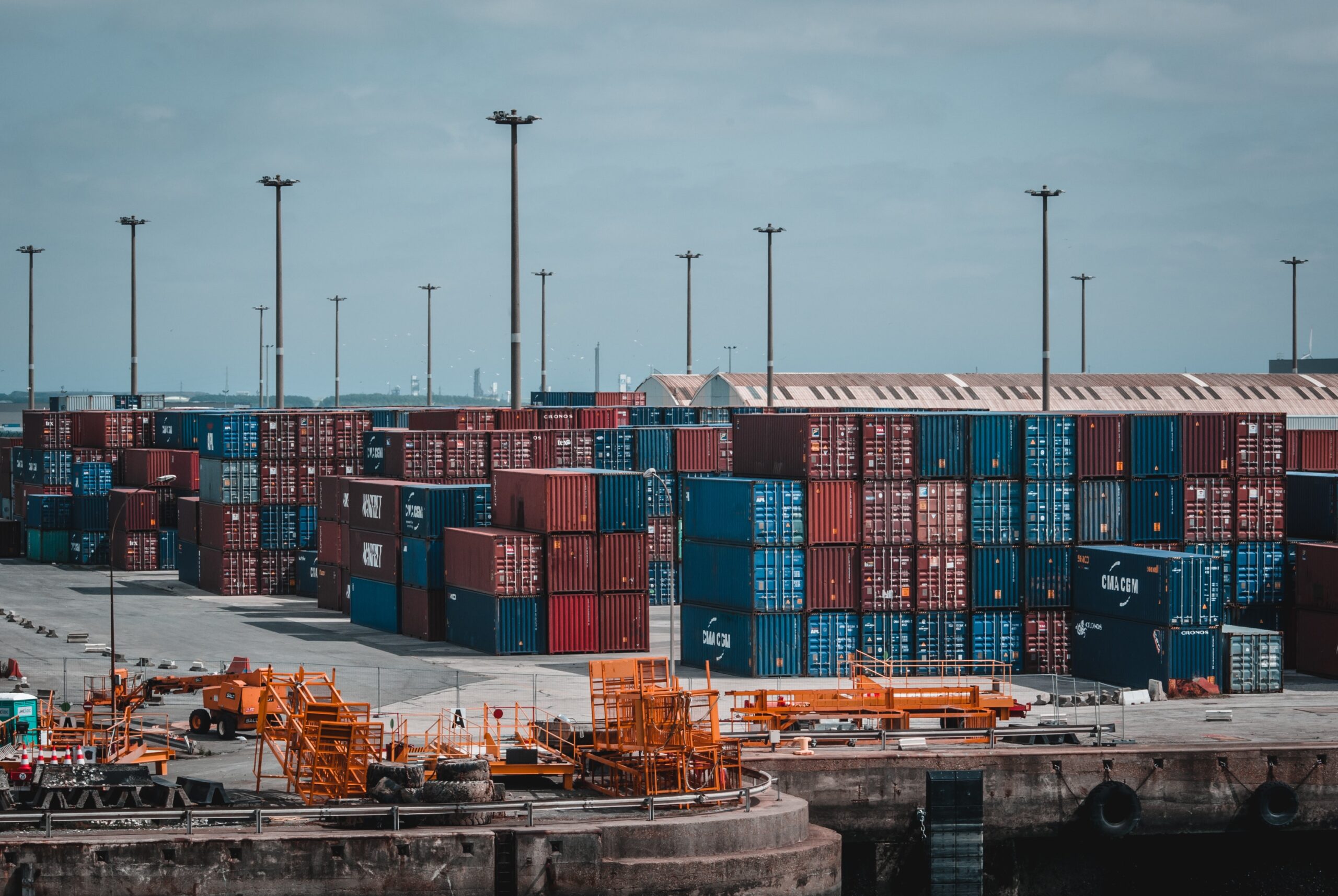
Have you ever gotten a notification saying that your cargo has been rolled? When a cargo has been rolled, the vessel that it was supposed to be loaded on rejected the freight for various possible reasons. This can disrupt the freight forwarding process by having the shipment arrive at its final destination at a later time than expected. When this happens, the following available carrier takes the cargo but there is a small possibility that the freight may be rolled off that vessel as well.
Recent Cargo Rollovers
Ocean ports around the world have been experiencing rolled freight due to the high volumes of cargo. In December of 2020, certain ocean carriers rolled close to half of the cargo that was scheduled for delivery. With the holiday season with coronavirus making goods being ordered online more convenient, we have an unprecedented number of shipments being made. The issue is that this is also leading to a record amount of rolled freight. Which may not look favorable to the manufacturers, carriers, and receivers of the shipment. However, the amount of rolled cargo is anticipated to drop in the coming months.
Why Do Cargo Rollovers happen?
Numerous aspects can impact your cargo not being loaded on its designated vessel. One of the more common situations is that there is no space because the vessel has already been overfilled with containers. The freight carrier itself also may have a technical problem and might have to be worked on. Another occurrence that can happen is that the pathway of the vessel can change and miss the port completely. This happens due to a vessel being behind its schedule or bad weather by the port.
How to be Prepared?
While there are those circumstances that cannot be controlled, there are ways to be better prepared in the scenario that your cargo gets rolled. Reserving your shipment to an earlier date may help mitigate your shipment from coming in late, even if your freight is rolled. If the situation is because of issues with paperwork, having a customs broker can assist you with the process. We at A1 Worldwide Logistics not only have customs brokers to help with customs clearance, but we also provide freight forwarding solutions for unexpected situations occurring. Give us a call at 305-821-8995.
by Rob Simmons | Jan 22, 2021 | COVID-19, Customs Broker, Customs Broker Miami, Customs Clearance, Freight Forwarding, Shipping Logistics
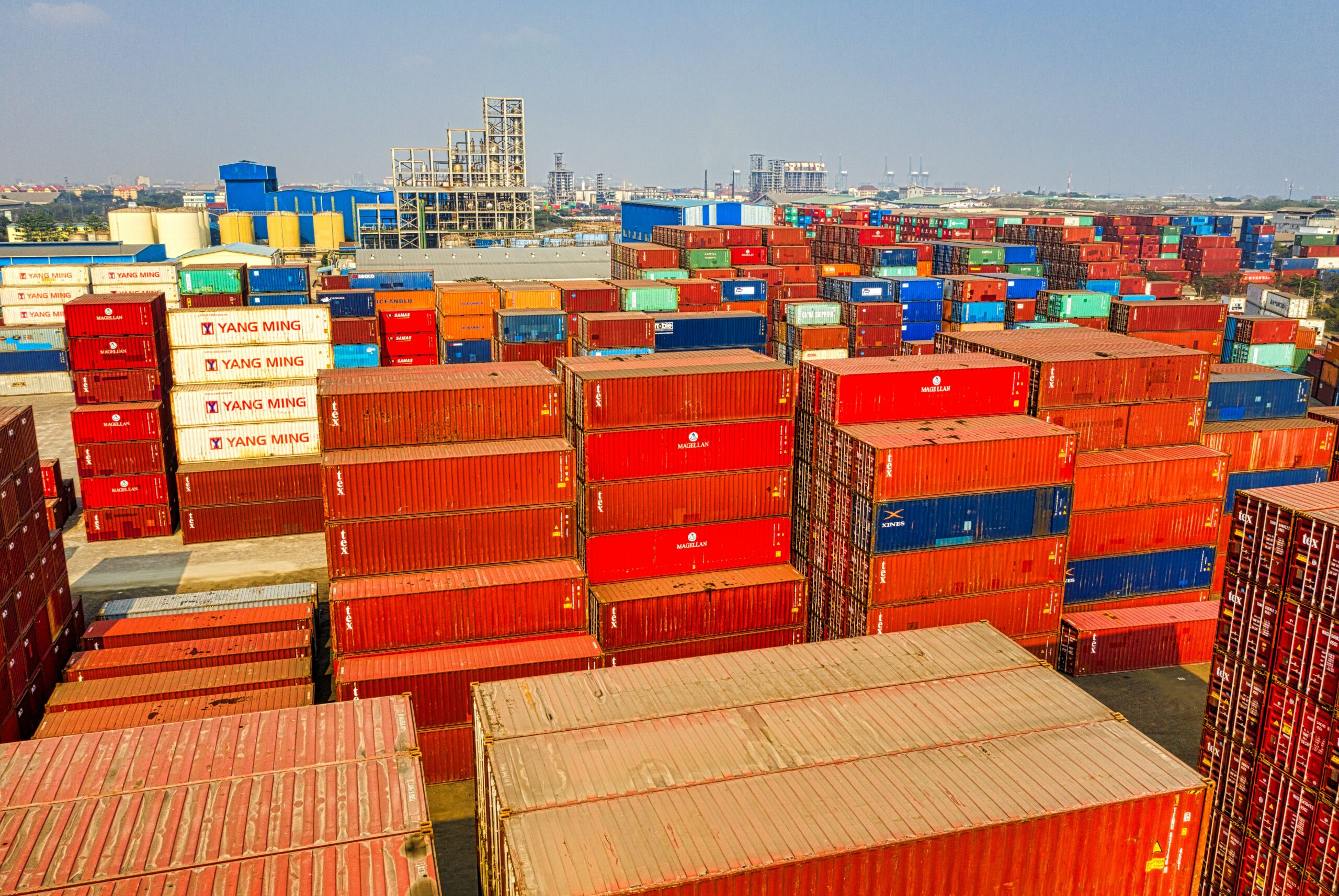
Over the last few months, Ports in the U.S have reached record import volumes. The ports of California, in particular, have seen an unprecedented amount of congestion due to the number of imports. While this started around September of 2020, it may continue through February of this year. The reason for this overcrowding traces back to various of different causes that directly relate to each other.
Coronavirus – The effect of COVID-19 was felt on separate parts of supply chains globally, including the arrival of goods to their designated ports. The port facilities have seen a decrease in the number of workers available due to the virus and with a large number of imports, the delivery and pick-up time is prolonged.
E-Commerce – A direct effect of the coronavirus is that instead of going directly to the merchandise store to pick up goods, people realize that it is safer to shop at their own homes. This, in turn, may lead to goods being bought online and imported from different countries. In California’s case, many goods that customers bought were imported from China. This, in turn, created a buildup at the ports.
Equipment Shortages – Lately, there has been a decline in the amount of chassis available for truckers, likely due to the economic downturn in 2020. A chassis is the frame of an automotive vehicle to where the body is attached to. Trucks use the chassis to load containers and drive them to the warehouse.
Trucker Shortages – Over the past few years, the amount of truck drivers on the highways has gone down. The recent Covid-19 pandemic also impacted this situation because with the increase of freight being imported, the number of truckers is not enough to keep up with the load. This leads to the piling up of containers at the port which may create certain surcharges on your freight.
Demurrage and Detention – When a container stays in a port after a certain period of time without being picked up, demurrage fees can occur. This may also lead to detention charges, which is the use of equipment such as containers and chassis for an extended period of time.
A1 Worldwide Logistics
Navigating your supply chain may not always be a simple process. We help ease this by giving customized one on one assistance to our clients. Our services range from freight forwarding to customs clearance and more. Call us at 305-821-8995 or email us at info@a1wwl.com for more information.
by Rob Simmons | Jan 14, 2021 | Customs Broker, Customs Clearance, Freight Forwarding, Shipping Logistics
On January 31, 2020, the United Kingdom left the European Union after a referendum vote to do so. With the high amounts of goods that get transported between the EU and the UK, there is uncertainty about how Brexit will influence the distribution of the goods from start to finish. The companies directly affected may have to find innovative methods of adjusting their supply chain for this event.
The Economy
With the UK splitting from the EU, the impact on the economy largely depends on how close the countries are after Brexit. If the countries in the UK and EU do not have a strong working relationship, this may negatively impact both sides. A free trade deal was reached on December 24, 2020, which allowed for no quotas or taxes on goods being traded. Despite this, there still may be new paperwork introduced.
Delays
The UK’s border procedure will be changed to reflect Brexit. This can potentially lead to delays in supply chains by creating a lag in the freight forwarding process. A decrease in freight imported between the U.S and UK has already occurred in the past month and may continue for a period. The new paperwork requirements imposed may also create trade barriers between the UK and EU.
Businesses
While new tariffs are not being introduced, new paperwork and regulations may be imposed on UK countries doing business in the EU. This is because with the UK departing, their businesses may be viewed as separate importers/exporters instead of members of the EU that follow the same policies. To combat this, companies from the UK may hire workers or do manufacturing in their own countries instead of outsourcing from a country in the EU. This may not only help protect against delays but also reduce costs by insourcing.
Solution
Companies directly involved with Brexit must make sure that their whole supply chain processes are monitored for any defects. The technology used must be up to date and provide for direct interaction between each part of the process. This should help protect against any new change imposed by Brexit quickly and effectively. If you need help with your supply chain process call us at 305-821-8995, we assist with international imports/exports and provide the documents needed for customs clearance.
by Rob Simmons | Jan 6, 2021 | Customs Broker, Customs Broker Miami, Customs Clearance, Freight Forwarding, Shipping Logistics
A convenient way to move your cargo around the world is by air. It is a dependable and quick method of transportation that is favorable in the eyes of the receiver of the shipment. While transporting your freight by air is advantageous, there is a cost rate associated with this method of conveyance. This rate varies depending on different factors that are important to be aware of when getting your air freight to its destination.
Chargeable Rate
This is basically the weight of the cargo and there are two methods used for calculation. The first method is the dimensional weight, which is is the total volume of the freight calculated by multiplying the length, width, and height then dividing it by the total volumetric factor. The other method use is the actual weight of the freight. When calculating, carriers use the higher of these two methods to determine the rate.
Extra charges
The base charge can be one component in determining the total cost of your shipment. There are more fees to be aware of:
Fuel Charges – This is a charge that different means of conveyance charge for gasoline fuel prices. Gas prices tend to fluctuate due to availability and demand, to defend themselves from a loss in profit the carriers add a fuel charge to the base rate of the cargo journey.
Airport Security Charges – Before the freight is loaded on the aircraft it must go through cargo screening requirements to determine any potential threats. Security surcharges are administered to cover the cargo screening This process happens both before the freight leaves the departing airport and once it reaches the landing airport.
Cargo Insurance – During the journey damages and losses can sometimes occur to the cargo unexpectedly. When this happens, the shippers of the cargo are accountable and not the air carrier responsible for the damage. To protect against the monetary loss, shippers pay for insurance before the journey. Cargo insurance may not be required but is recommended.
Customs Clearance Charges – In international trade there are charges for having your cargo exported/imported into a country. The charges come from the documentation that is given to the CBP before the shipment can be processed. If you are looking for a Customs broker to give you an understanding of the customs clearance charges or have freight that needs clearing call us at 305-821-8995 or you could send us an email at info@a1wwl.com.

by Rob Simmons | Dec 30, 2020 | COVID-19, Customs Broker, Customs Broker Miami, Customs Clearance, Freight Forwarding, Shipping Logistics
2020 has been one of the more interesting years in recent times, the coronavirus has left an impact on the logistics of different supply chains globally. Many companies had to adapt their distribution and freight forwarding methods to accommodate the pandemic and the economic downturn. Despite this, an opportunity for learning also arose.
Preparation
This year came as a surprise to many companies that had to suddenly stop or limit their production due to lockdown. With no production, revenue will not be generated, and companies may close due to bankruptcy. Numerous businesses closed various stores across the nation because they were not ready to handle such a situation. Planning means having a contingency plan in case a catastrophic event like the coronavirus occurred.
Using More Digital Supply Chain Technologies
Being up to date with the current happenings of your supply chain can save time and capital loss. With employers in quarantine, this task became more demanding than before. The solution was to have workers do their jobs remotely. The current progress in working remotely may lead to a greater reliance on overseeing and communicating with the supply chain digitally in the future.
Being Creative Amidst the Chaos
One of the biggest lessons that can be learned from the pandemic is how to be innovative during uncertain times. Many different techniques were used to keep the supply chain processes running, here are a few examples:
- Diversification: The economic downturn created a scenario where jobs had to expand their services to combat the current situation. Restaurants started to sell take-home meals for the first time and breweries started making hand sanitizer from ethanol.
- Reshoring: When a supply chain is spread out across different countries or continents, the time it takes to allocate the goods to the required destination may be longer than if the goods were in-sourced from the same area. Especially with the current shortage of production, reshoring can help speed the process.
- Remodeling: Instead of diversifying or reshoring, some corporations renovated their whole supply chain. Suppliers and vendors were substituted for cheaper means of distribution and methods of transporting freight were changed from ocean to air or land.
A1WWL
Navigating the logistics of a supply chain may sometimes be difficult and confusing to do without proper guidance. A1 Worldwide Logistics is a customs brokerage that is here to make that process easier. Call us at 305-821-8995 for your freight forwarding or customs brokerage needs.
by Rob Simmons | Dec 23, 2020 | Customs Broker, Customs Clearance, Delivery, Freight Forwarding, Shipping Logistics, Transportation
When a person usually thinks of direct shipping, they usually picture a fast and convenient method of getting goods to their required destinations. It is seen as a favorable option to order something online and having it mailed directly to your house in a few days. Also, with the Covid-19 pandemic still bring present it also appears to be the safer option than going to the store to purchase your product. With that said, there may be several disadvantages when dealing with direct-to-customer shipping.
Logistics
The supply chain process of getting goods to their required locations may not always go as perfectly as planned and different factors may impact the logistical journey. If the delivery of the product is not up to par or takes too long, the company delivering the product can be seen negatively in the eyes of the customer. Customs brokers help simplify the process by being the middleman between the company and the customer. They also help make sure that the shippers follow the FDA regulations.
Customs Clearance
The costs that are accrued during the freight forwarding process can affect both seller and the person buying the product. If the seller is a small-sized company and not that big, the shipping costs can be higher than shipping from a company like Amazon. The customs clearance charges may also have an impact on the costs. If you have any questions about customs clearance or need help with the logistics of getting your product to the required destination feel free to contact us at 305-821-8995. We are here for your freight forwarding needs.
Insurance
The common perception is that direct shipping is quick and convenient, but the opposite can happen as well. When a product is forwarded to its respective locations directly, damages to the cargo can sometimes occur. Cargo insurance is a common method to protect against these kinds of damages. There may be a cost incurred but it is small compared to the cost of cargo loss due to damages.

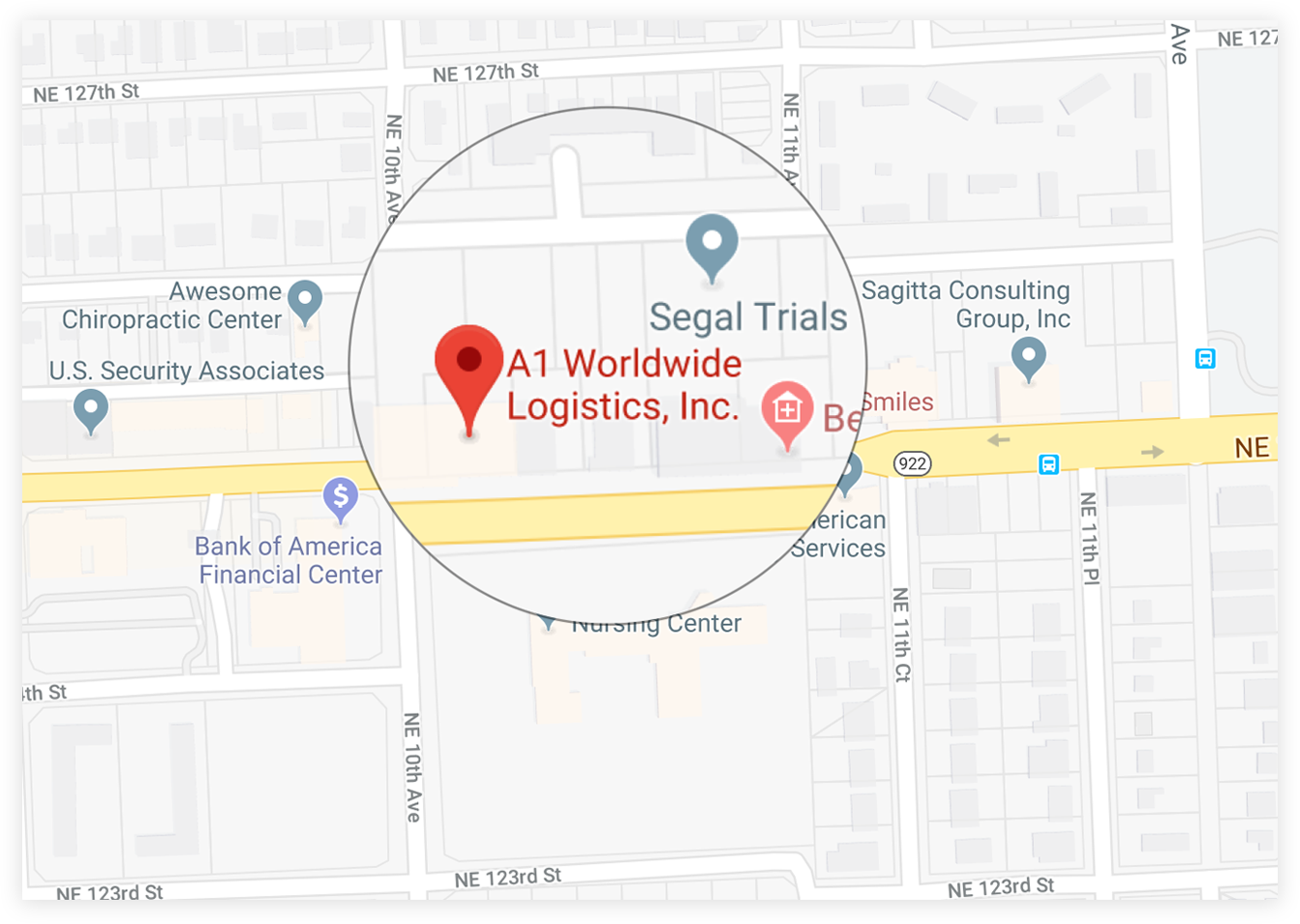
 1035 NE 125th St Suite #320, North Miami, FL 33161.
 a1worldwidelogistics.com
 (305) 821-8995
 Hours: 8AM - 5PM