by A1 WorldWide Logistics | May 13, 2025 | Economic trends, Importing, Supply Chain
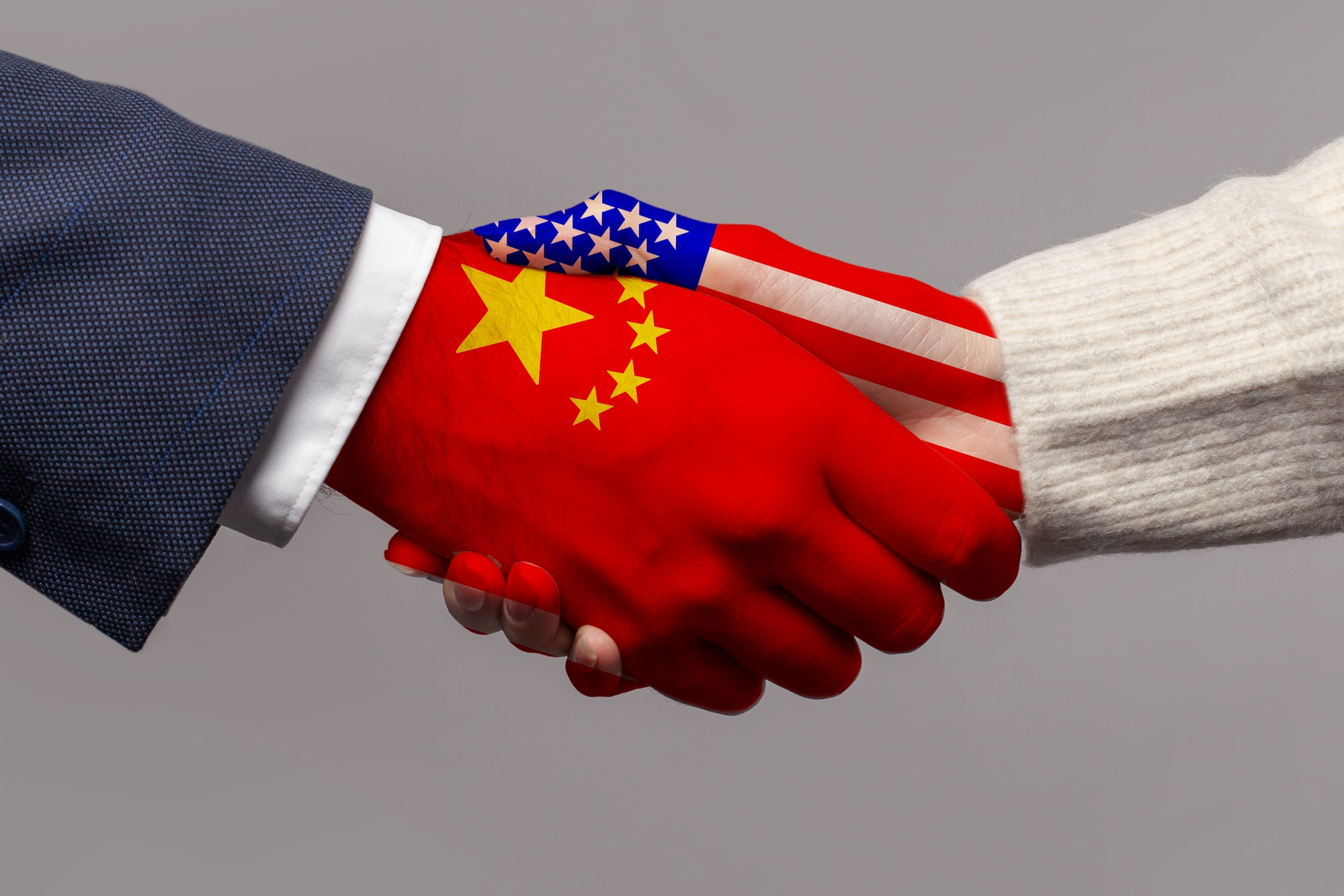
The U.S. and China will slash tariffs imposed on each other after both countries reached an agreement on May 12. In a joint statement, the two countries announced a pause on most tariffs released since February. Details of the agreement effective May 14 include:
- The U.S lowering tariffs on Chinese imports from 145% to 30%.
- China reducing tariffs on U.S. imports from 125% to 10%.
- A 90-day period for the reductions to take place.
- Specific U.S. tariffs, including those relating to anti-fentanyl, remain.
China will also pause or terminate non-tariff measures previously imposed on the U.S. The tariff reduction is temporary, and negotiations will continue for 90 days. With both countries being the largest exporters and importers globally, the agreement will significantly impact international shipping.
How Did The Agreement Come To Be?
Over the last few months, a trade war between the U.S. and China escalated as the Trump administration entered office. The escalations started with a 10% tariff that the Trump Administration imposed on all Chinese imports in early February. Trump cited fentanyl and unfair trade practices as reasons. China retaliated by imposing a 10% tariff on oil, large-engine vehicles, agricultural machinery, and a 15% tariff on coal. After several back-and-forth announcements of levies, U.S. tariffs reached 145% on Chinese imports, while China’s reached 125% on U.S. imports. Due to the volume of cargo both countries ship and import, higher tariffs would have impacted supply chains globally.
The higher tariffs would have negatively impacted the U.S. and China, as they are the biggest trading partners. In the joint statement, both countries identified “the importance of a sustainable, long-term, and mutually beneficial economic and trade relationship.” The U.S.’s new 30% rate comes from the 20% duty Trump imposed on China’s inaction on fentanyl importation and the 10% across-the-board tariff. While tensions have de-escalated since the agreement, this is a temporary measure. The two countries will continue talks and establish a mechanism for working towards a permanent resolution.
What Can Shippers Expect With The U.S and China Reaching An Agreement?
The announcement that both sides had reached an agreement led to a positive response in the international shipping industry. Higher tariffs may have raised costs for different supply chain parts, including the shipper, carrier, and receiver of the cargo. If the importer is a company bringing in products, the costs would have fallen on the customer. Domestic shipping, like port drayage services, could also benefit from increased imports from the agreement. Despite the positive response, analysts note that tariffs are still higher than when Trump took office. With the trump administration also placing tariffs on other countries, prices could still rise for U.S. consumer goods.
With both countries reaching a trade deal, shippers may be more comfortable transporting cargo. Despite this, there are many things that shippers should be aware of when starting. Regardless. It can be ideal to speak to a freight forwarder when beginning. A freight forwarder is a person or company that acts as a middleman between the shipper and the carrier. Along with coordinating freight movement on behalf of the shipper, they provide numerous services for their supply chains. Some solutions include customs clearance, international and domestic transportation, warehousing consulting, and more. Contact A1 Worldwide Logistics at info@a1wwl.com or 305-440-5156 to speak to a forwarder regarding shipping your cargo internationally.
by A1 WorldWide Logistics | May 8, 2025 | Economic trends, Importing, Supply Chain
U.S. and China talks are starting after weeks of tariff escalation between the two Countries. Chinese and U.S. Representatives will meet in Switzerland from May 9 to May 12. Treasury Secretary Scott Bessent and U.S. Trade Representative Jamieson Greer are meeting to explore a potential reduction of tariffs. The decrease could include potentially setting rates between 40% and 60%, and tax exceptions for critical sectors. A trade war resulted in tariff threats reaching over 100% for both countries and could have significant consequences. Scott Bessent stated, “The current tariff war isn’t sustainable, especially on the Chinese side.” The meeting with Chinese and U.S. officials will focus on de-escalation rather than deciding on a trade deal.
How Did The Trade War Escalate?
In the last few months, Trump has released, paused, and increased tariffs on imports into the U.S. While the Trump administration put levies on most U.S. importers, they hit China the hardest. China responded by announcing its levies on U.S. imports, and a back-and-forth led to a trade war. Despite the tariffs’ negative impact on both countries, Chinese officials said the government will not back down. The meeting will de-escalate tensions before tariffs from two of the world’s biggest traders negatively impact international shipping. Trade experts believe that negotiations between the countries could take months.
President Trump has imposed tariffs on the most prominent importers into the U.S. for various reasons, including reducing trade imbalances. He believes the tariffs will “level the field” between the U.S. and other trading partners like China, Canada, and Mexico. A goal is to encourage domestic manufacturing by raising import costs. This could stimulate the economy by creating jobs from bringing businesses back to the U.S. Economists believe it will have an opposite effect, increasing costs and leading to a potential recession. Trump is also enforcing tariffs to stop immigration and the inflow of drugs. China is responsible for the majority of fentanyl that comes into the U.S.
What Can Shippers Expect With U.S. And China Talks Starting?
Along with being one of the largest shippers globally, China is also the top trading partner of the U.S. Talks could potentially lessen the impact that tariffs will have on shippers transporting goods internally. Although the talks may lower import tariffs, the costs to bring cargo to the U.S. could significantly rise. The cost increase could be felt in different parts of an importer’s supply chain and fall on their customers. Shippers may begin looking at moving production to nearby countries like Japan and Taiwan to avoid the price increase. Trucking services like drayage could also be more costly as container rates rise.
When shipping cargo internationally, the shipper must know anything that can disrupt their shipment. Shippers can do this by being current with any news affecting their cargo and planning beforehand. They can also be ready by speaking to a freight forwarder. Forwarders are intermediaries between the shipper and the carrier that coordinate the movement of goods internationally. They offer solutions like document preparation, freight transport using various conveyances, customs clearance, warehousing, etc. A1 Worldwide Logistics has forwarders that ensure your supply chain’s success regardless of the situation. Speak to our forwarders at info@a1wwl.com or 305-440-5156 regarding finding the best action to protect your shipment.
by A1 WorldWide Logistics | May 6, 2025 | Customs Broker, Economic trends, Shipping Logistics, Transportation
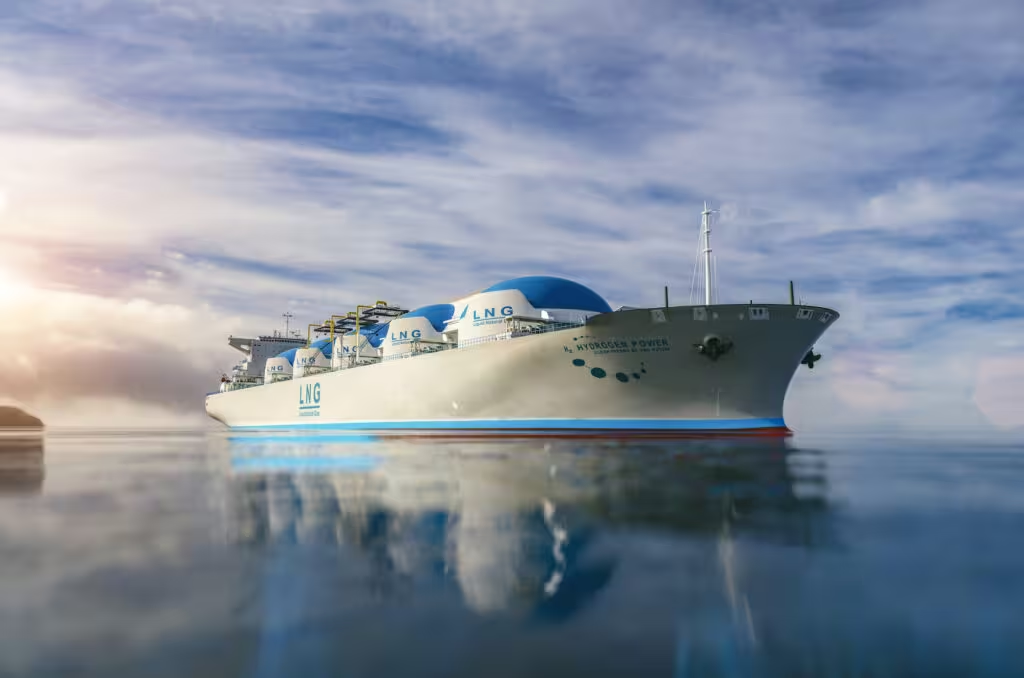
Analistas han reportado recientemente una tendencia continua de las tarifas de flete de GNL (Gas Natural Licuado) desplomándose a mínimos históricos. Las tarifas de GNL para las cuencas del Atlántico y el Pacífico cayeron $20,750 y $36,000 diarios el viernes 25 de octubre del 2024. Como referencia, este es el nivel más bajo para este período, con tarifas que han bajado un 87% en el Atlántico y un 78% en el Pacífico desde 2019. Las agencias de precios de GNL han notado que las tarifas para los buques tanque de GNL podrían permanecer bajas hasta finales de 2025. Los precios al contado del índice UP World LNG Shipping Index (UPI) cayeron un 3.54% la semana pasada. ¿Qué está causando la fuerte caída en las tarifas y cómo podría esto afectar el transporte marítimo internacional?
¿Por qué están cayendo las tarifas de flete de GNL a mínimos históricos?
La reciente caída en las tarifas de flete se debe al número de nuevos buques tanque que están entrando en el mercado. A principios de octubre 2024, hubo 45 entregas de nuevos buques tanque, y llegarán más en los próximos meses. Aproximadamente 70 nuevos buques metaneros se unirán a la flota global de 800 para finales del 2024. Una agencia de precios de GNL señaló: “No vemos que este ritmo de adiciones se desacelere significativamente hasta mediados de 2026”. El problema es que los fabricantes están produciendo buques tanque a un ritmo más rápido que la producción de GNL. A medida que la cantidad de capacidad de transporte marítimo continúa aumentando, la demanda de exportaciones de GNL se mantiene estancada. Las condiciones climáticas más suaves en todo el mundo también contribuyen a la menor demanda a medida que se acerca el invierno.
La producción de GNL ha crecido lentamente debido a la escasez de mano de obra y equipos, lo que ha provocado retrasos. En 2022, los suministros de GNL de Rusia se desplomaron debido al conflicto con Ucrania. Siendo Rusia uno de los mayores productores y transportistas de gas natural a nivel mundial, el mercado sintió el impacto. Como resultado, los transportistas comenzaron a buscar otros países como Estados Unidos para las exportaciones de GNL. En anticipación al aumento de las exportaciones, los fabricantes comenzaron a construir buques tanque rápidamente, más de lo que la demanda para el transporte internacional requería. En lugar de un aumento en el transporte marítimo internacional, los clientes comenzaron a obtener GNL localmente, lo que redujo las tarifas de flete. Los comerciantes tampoco tienen incentivos para almacenar GNL en buques, lo que ayuda a reducir el número de buques tanque en el mercado.
¿Qué puede significar esto para el comercio internacional?
Cuando las tarifas de GNL disminuyen, puede tener un impacto significativo en el comercio internacional, incluido el mercado energético mundial. Para los importadores, esto puede generar mayores ahorros y hacer que el GNL sea más atractivo que otros combustibles. Como resultado, los mercados sensibles a los precios, como el sudeste asiático, podrían experimentar una creciente demanda de este combustible. Si bien las tarifas de GNL más bajas pueden beneficiar a los compradores, los productores pueden sentir bajos márgenes de ganancia debido a la caída de las tarifas. Los armadores también sentirán el impacto de las menores ganancias. Para compensar, podrían retrasar las expansiones de la flota e invertir en infraestructura de GNL. Según las condiciones del mercado, los productores podrían cambiar los destinos de exportación a mercados de altos precios o vender más a precios más competitivos.
Si bien el mercado de GNL puede ser cíclico, es esencial mantenerse al día con cualquier situación que afecte al transporte marítimo. Junto con el gas natural, esto puede incluir cualquier carga, y los remitentes pueden hacerlo hablando con un agente de carga. Los agentes de carga actúan como intermediarios entre el remitente y el transportista y coordinan el movimiento de la carga. También les dan a los remitentes una idea de qué esperar durante el viaje del envío y ofrecen otras soluciones. Póngase en contacto con A1 Worldwide Logistics al 305-425-9752 o info@a1wwl.com para envíos hacia y desde los EE. UU. Ya sea que necesite enviar GNL o cualquier otra carga internacionalmente, nuestros agentes de carga pueden guiarlo a través del proceso.

by A1 WorldWide Logistics | May 1, 2025 | Economic trends, Importing, Supply Chain
The White House released plans for Trump to ease auto tariffs on U.S. car imports. On April 3, President Trump imposed a 25% tariff on cars and light-duty trucks entering the U.S. The automobile tariff was separate from the 10% duty that the president enforced on all U.S. trading partners. Trump then paused tariffs on automobile imports from Mexico and Canada for one month. The pausing was to give automakers time to prepare before the duties took effect on May 3. President Trump is now announcing plans to provide tariff relief for carmakers. This article will explain the policy changes and how they could impact importers bringing foreign-made cars into the U.S.
How Is Trump Easing Auto Tariffs?
Beginning on May 3, a portion of the automobile and auto part tariff will see a reimbursement of the costs. The new policy states that automakers assembling their vehicles domestically can apply to offset up to 3.75% of tariff fees. Trump’s offset rate was calculated by applying the 25% import duty to 15% of the value of U.S.-assembled vehicles. These costs will be for auto imports that automakers use to assemble cars in the U.S. for one year. The offset rate will fall to 2.5% in the second year before the Trump administration phases it out completely. The Commerce Department will have 30 days to create a process for automakers to provide documentation to obtain the offset.
Trump’s new policy will not conflict with the 25% auto tariff the administration enacted earlier this month. It will also prevent tariffs from stacking on each other, including those on aluminum and steel imports. The goal behind easing the levies is to bring manufacturing back to the U.S. Trump said, “We just wanted to help them during this little transition. If they can’t get parts, we didn’t want to penalize them.” He believes bringing production to the U.S. will stimulate the economy by creating jobs. Analysts predict the opposite effect will happen, and manufacturing costs will rise, hurting the economy.
The Response Of Automakers And Shippers To The Tariffs
Despite the new policy easing auto tariffs for importers, there have been concerns about the long-term impact of the tariffs. Automakers believe bringing business back to the U.S. will be timely and costly. The higher costs could fall on customers purchasing vehicles. Job cuts have already started for automaker companies, bringing production back to the U.S. Companies in the automaking industry have been pushing for leniency from Trump’s tariffs for months. Trump’s policy changes are a response to the concerns of automakers and shippers. While tariffs could negatively impact international shipping, many believe that production may potentially positively affect the movement of goods domestically.
When importing into the U.S., it is essential that you are aware of anything that can affect your shipment. Failure to prepare can result in delays, monetary loss, and cargo loss. One of the best ways to ensure successful importation is by speaking to a customs broker. Customs Brokers are individuals or corporations that facilitate cargo movement through international borders. They do this by ensuring that the shipment complies with the laws and regulations of the country of import. Brokers also provide other services like documentation, calculating duties, filing ISFs, etc. Contact A1 Worldwide Logistics at 305-425-9513 or info@a1wwl.com to speak to a broker regarding the importation of your goods.
by A1 WorldWide Logistics | Apr 24, 2025 | Economic trends, Importing, Shipping Logistics
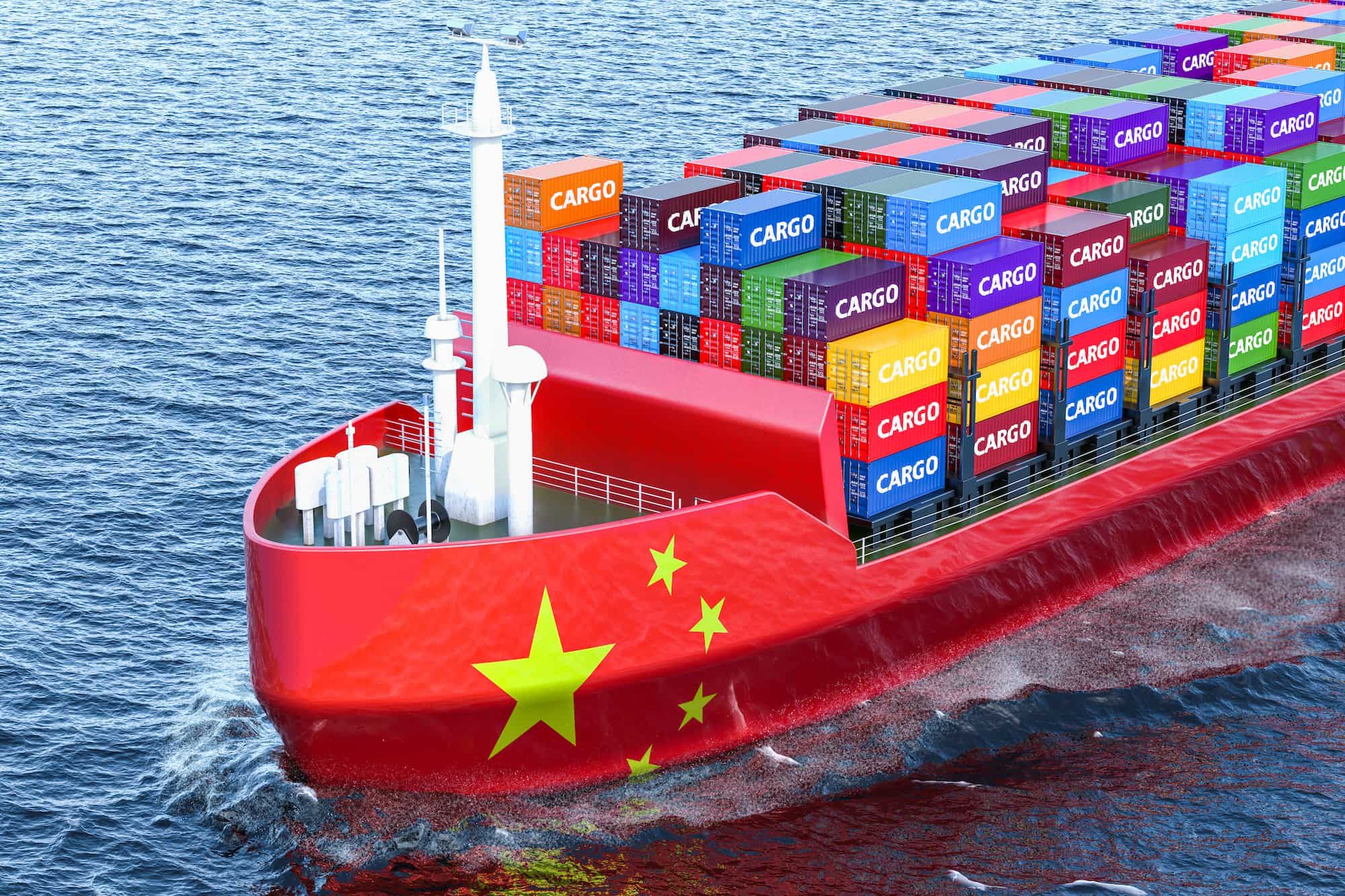
An ongoing trade war remains, with the U.S. imposing fees on Chinese ships docked at U.S. ports. On April 17, the Trump administration announced a long-term multi-phase plan to increase charges on China-built vessels. The USTR (United States Trade Representative) gave a guideline that will start in 180 days from April 17. Afterward, the charge will be $50 per net ton per U.S. voyage. The charge will increase incrementally to five times yearly and be $140 by April 17, 2028. More specifically, Chinese-built carriers will see:
- A fee of $50% per net ton on October 14, 2025.
- A fee of $80% per net ton on April 17, 2026.
- A fee of $110% per net ton on April 17, 2027.
- A fee of $140% per net ton on April 17, 2028.
Why Is the U.S. Imposing Fees on Chinese Ships?
The proposed fees aim to address China’s dominance in global shipbuilding and boost the U.S. maritime industry. While China builds approximately 1,700 commercial ships yearly, the U.S. only builds around five. USTR Ambassador Jamieson Greer noted, “The Trump administration’s actions will begin to reverse Chinese dominance, address threats to the U.S. supply chain, and send a demand signal for U.S.-built ships.” The increase in U.S. vessel building is part of a bigger goal to bring manufacturing back domestically. Similarly, Trump recently released various tariffs to bring production to the U.S. and boost the economy. Similar to the tariffs, the Chinese ship fees have had a backlash from major players in the international shipping industry.
U.S. shippers and importers expressed concerns that the Chinese ship fees would have devastating consequences. Vice president of the AAFA (American Apparel and Footwear Association), Nate Herman, stated, “These measures are driving up shipping costs, shrinking GDP, and reducing U.S. exports.” Initially, the proposal was up to $1.5 million per port call for China-built vessels; however, industry backlash resulted in adjustments. The USTR will phase in these changes over time and consider concerns from shippers and port operators. Specific China-built ships, including ones carrying U.S. government cargo, will be exempted from the fees.
What Can This Mean For International Shipping?
The fees will significantly impact international shipping due to the goods imported into the U.S. from China-built carriers. In 2024, the U.S. imported approximately 13.4% of all imports from China, totaling $438.9 billion. As previously mentioned, shippers could soon see the U.S. import cost rise from the vessel fees. The cost of importing goods into the U.S. has risen due to the tariffs enforced by the Trump administration. Shippers may begin rerouting their supply chains and importing from less costly countries like Japan and Taiwan. Players in the domestic shipping industry believe these fees could disrupt freight markets and lead to operational challenges for trucking.
When shipping cargo internationally, different scenarios can arise that can affect your shipment’s success. Situations like cost increases and tariffs may impact several parts of a supply chain and cause other problems. An ideal way for a shipper to protect their cargo is by speaking to a 3PL (third-party logistics) provider. 3PLs are service providers that offer various services like freight forwarding, customs clearance, domestic shipping, warehousing, and more. They also stay with you throughout the transportation journey until the goods reach their destination. Reach A1 Worldwide Logistics at info@a1wwl.com or 305-425-9513 to learn about our numerous 3PL solutions for your supply chain.
by A1 WorldWide Logistics | Apr 17, 2025 | Economic trends, Importing, Supply Chain
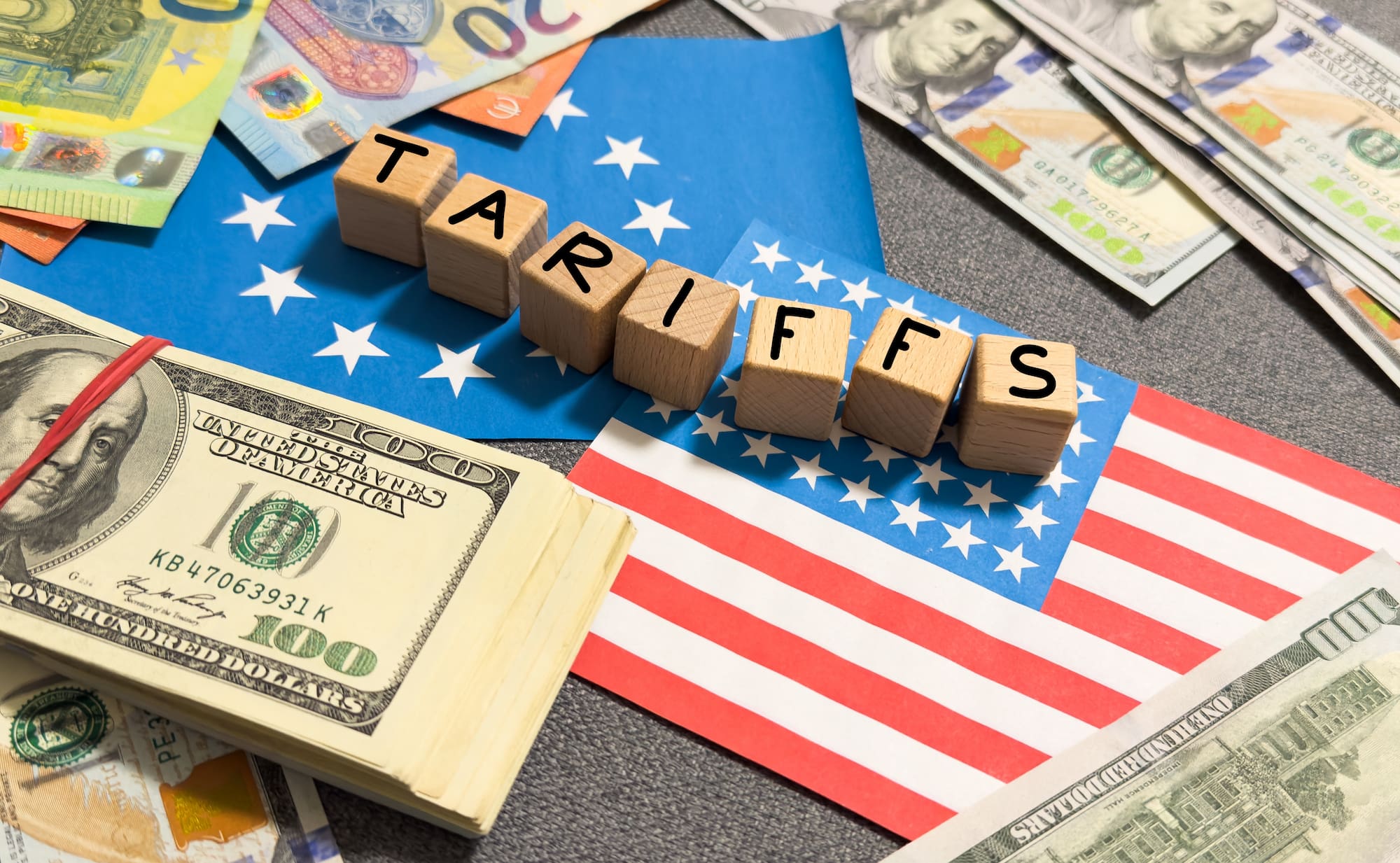
The tariff war continues between the U.S. and its trade partners as President Trump continues announcing threats. For the last few months, Trump has released, paused, or increased tariffs on goods coming into the U.S. Along with levies specific importations like aluminum, it includes country-specific tariffs for the largest trade partners. China, in particular, has been in a trade war with the U.S., leading to tax hikes of over 100% for both countries. More recently, Trump released a fact sheet stating that China “now faces up to a 245% tariff”. With the amount of cargo that comes into the U.S., a trade war could have numerous consequences for international shipping.
Trump Continues Issuing Tariff Threats and Investigations?
Recently, the Trump administration has announced a Section 232 investigation for semiconductor technology imports into the U.S. Section 232 is an examination done by the government to determine the effects of an import on national security. If successful, goods that fall under the semiconductor category, like smartphones, laptops, and other electronics, could soon face tariffs. It is essential to note that Trump has recently temporarily exempted taxes on the electronics the article mentions. Trump has also launched a similar investigation into pharmaceutical imports, which could result in more levies in the near future. Tariffs on pharmaceuticals may lead to higher costs for everyday drugs and potential drug shortages.
President Trump has imposed tariffs over the last few months with numerous aims, including reducing trade imbalances. He recently noted, “We’ve been ripped off for years, and we’re not going to be ripped off anymore.” Trump also wants to bring manufacturing and business back to the U.S., which he believes will boost the economy. Economists think it will have the opposite effect and hurt the economy, potentially leading to a recession. The reasons behind the tariffs are also country-specific. For example, Trump imposed tariffs on Mexican and Canadian imports over a month ago to address illegal immigration. Likewise, taxes were placed on Chinese goods to stop the flow of fentanyl into the U.S.
What Can Shippers Expect As The Tariff War Continues?
When countries issue tariffs on each other rapidly, it can directly impact international shipping. The most significant concern is that costs to import could skyrocket and will be felt on various supply chain parts. Along with impacting the shipper, the prices will fall on the customer, who could soon pay extra for everyday products. For imports from China, shippers may begin looking for other countries to import from like Japan and Vietnam. Global trade could also see a decline in cargo shippers moving internationally. Currently, importers are bringing in a higher cargo volume as many tariffs are on pause to a further date.
As tariffs continue to impact international and domestic shipping, knowing what to expect is increasingly vital. Being current with news that can affect your cargo’s movement is essential in protecting your supply chain. Another way that a shipper can avoid disruptions is by speaking to a freight forwarder. A forwarder is a person or company that coordinates a shipment’s movement on behalf of the shipper. They do this by offering numerous supply chain solutions like transportation, customs clearance, documentation, warehousing, etc. Contact A1 Worldwide Logistics at info@a1wwl.com to speak to a forwarder regarding importing and exporting from the U.S.

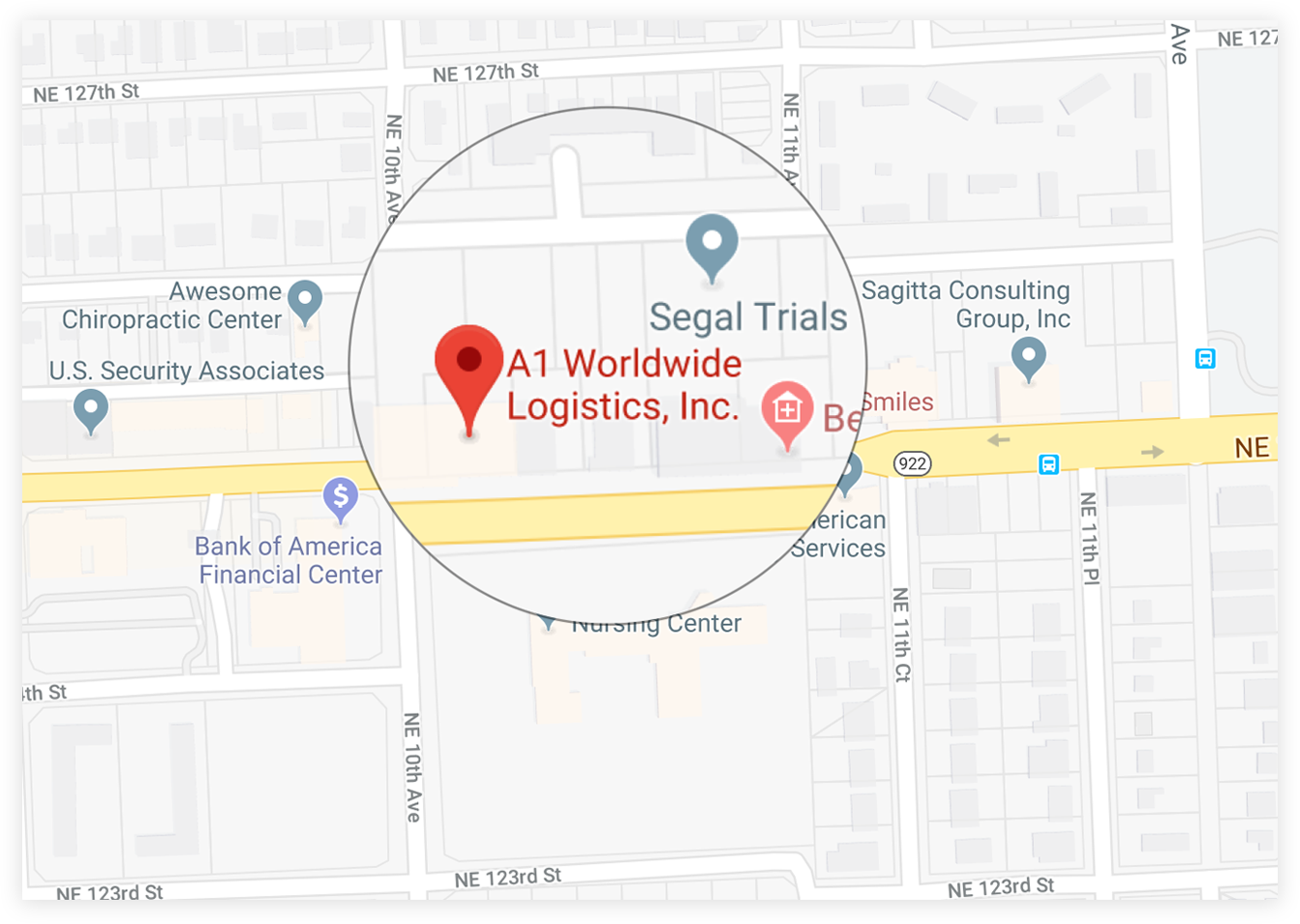
 1035 NE 125th St Suite #320, North Miami, FL 33161.
 a1worldwidelogistics.com
 (305) 821-8995
 Hours: 8AM - 5PM