
by A1 WorldWide Logistics | Oct 3, 2024 | East Coast Protests, Shipping Logistics, Supply Chain
Conflicts between the International Longshoremen’s Association and United States Maritime Alliance are resulting in the East Coast port protest continuing. On midnight, October 1st, ILA dockworkers across East and Gulf Coast ports left work on a strike. Negotiations with the USMX for a new contract have been unsuccessful, and the deadline has passed. The new contract they are fighting for includes fairer wages that reflect the cost of living and less port automation. A push for port automation has been an issue for the ILA since it threatens job security. As the strike continues, the impact on international and domestic shipping and various industries is rapidly growing.
What Is The Impact Of The East Coast Port Protest Continuing?
On Wednesday, 45 container ships were outside east and west coast ports, unable to unload due to port shutdowns. On Sunday, this number was three; however, the 45 vessels could double by the end of the week. The most significant impact of the protests is that global supply chains will feel the disruptions. Some of these goods affected by the strikes are produce products, with the ILA handling nearly 75% of banana imports and 90% of cherries. East and Gulf Coast ports also hold approximately 62% of machinery importers bring. As the backlog of ships continues to rise, delays will have other effects on supply chains, such as scarcity.
Consumers have recently begun buying goods from stores in fear of shortages in the near future. A shortage in everyday products could also cause inflation due to scarcity pushing prices higher. For importers and exporters, shipping costs can increase as shippers look for alternatives for moving their cargo. A popular alternative for moving cargo both domestically and internationally has been rerouting their shipments. This can lead to longer, more costly routes, and the cost goes directly to the customer. While choosing other conveyance has also been an alternative, it has its benefits and drawbacks. For example, switching to air can cut shipping time to a few days but may increase the overall cost.
How Long Could The Strike Continue?
The length of the protest depends on how long the ILA and USMX will take to find a resolution. A strike of one week can cost the U.S. economy over $2 billion, and a strike lasting over three weeks may take until 2025 to clear. Port employers reportedly offered the ILA a 50% wage increase over the next six years; however, they rejected it. The reason is that the union is seeking a contract with a higher yearly wage hike. Although no negotiations are currently in place, the USMX is willing to continue talks. Companies from various industries have been pleading for the Biden administration to intervene.
In response, Biden supported the dockworkers and scolded carrier companies for not paying them fairly. The administration notes that it will not invoke the Taft-Hartley Act to suspend the protests. Due to the severity of the protests, shippers must be up-to-date on the current situation. Importers and exporters should not stop transporting their shipments; however, they should take proper steps to mitigate disruptions. Contact A1 Worldwide Logistics at 305-425-9456 or info@a1wwl for updates and assistance moving your cargo. We educate you on the steps to take while constantly being with you throughout your shipment’s journey.

by A1 WorldWide Logistics | Oct 1, 2024 | East Coast Protests, Economic trends, Shipping Logistics
After months of failed negotiations, the ending of a contract has resulted in the ILA port strike beginning. International Longshoreman Association (ILA) dockworkers have begun protesting across East and Gulf Coast ports. Their six-year contract with the United States Maritime Alliance (USMX) ended on September 30th. The last time this happened with the ILA was in 1977, when workers walked off ports for seven weeks. With the size of the ILA, the strike will have numerous effects on global trade.
How Did This Port Strike Come To Be?
On May 13th, 2024, the ILA and USMX said they would negotiate a new contract in a few days. In particular, the ILA is fighting for a 32% hike in wage increase, similar to the ILWU in 2022. The ILA is also protesting for higher pensions and against using automation at ports. In a video the ILA released on September 4th, President Harold Daggett said, “Mark my words, we’ll shut them down.” In response to the video, the USMX gave an update on whether they were satisfied with their new contract offer. The USMX noted in that update that they would continue negotiations with the ILA if possible.
The Biden Administration noted that it would not intervene in the negotiations and use the Taft-Harley Act, causing a cool-off period. Various agricultural groups urged the white house, ILA, and USMX to continue talks. However, it was not successful. Currently, major ports across the East and Gulf Coast are shut down by the strike. At Port Houston, nearly 50 workers started picketing around midnight with signs saying, “No Work Without A Fair Contract.”
What Does The ILA Port Strike Beginning Mean For International Shipping?
The ILA is a union with thousands of workers across 36 East and Gulf Coast ports. They handle nearly half of the U.S.’s ocean shipments. Due to its size, the strike has significant implications for the international shipping industry. One of the pronounced impacts is that a strike could delay global shipments for imports and exports. Port shutdowns could cause a backlog of vessels not being unloaded, leading to congestion. Weeks before the strike, shippers rerouted cargo to West Coast ports like the Port of Long Beach. That may also lead to delays in the near future as the cargo volume rises.
Analysis reports that the strike can cost the U.S. economy nearly $5 billion daily. Another impact of a strike is that goods become scarce due to delays. The effect of scarcer imports can lead to price hikes for various products like foods and electronics. With the holiday season nearing, prices for limited goods could rise further. Extra costs will also come from added expenditures from international shipping and trucking companies.
Some industries affected by the walkout include retailing, manufacturing, construction, and farming. While a port protest can seem daunting, it should not stop you from transporting your cargo. However, Shippers should be prepared and understand what they can expect when shipping internationally. You can do this by constantly checking news and website sources and contacting logistics providers. To stay updated on the ILA strike and determine the appropriate steps, contact A1 Worldwide Logistics at info@a1wwl.com or 305-440-5156. We understand the importance of your cargo’s movement and find the best solutions for your supply chain.
by A1 WorldWide Logistics | Oct 1, 2024 | Customs Broker, Freight Forwarding, Import and Export Experts, Shipping Logistics
En comparación al envío de bienes de tamaño regular, el envío internacional de sobredimensionada es conocido por ser más difícil. No solo existen dimensiones de seguridad diferente, sino que en general la logística de transporte es distinta. Algunas industrias, como construcción, fabricación y minería, cuentan con el envío de sobredimensionada para el avance su cadena de suministro. Remitentes particulares también hacen envío de sobredimensionada como carros y botes en todo el mundo. Aunque existen varias formas de transportar sobredimensionada, la manera más conocida es por camión o por contendedores. El envío aéreo es raro dado el tamaño de un avión, por esto este articulo se enfoca en transporte marítimo. Para transporte de cargas locales en camión, haz clic aquí.
Regulaciones para carga sobredimensionada
Una de las precauciones que los remitentes deben tener en cuenta antes de hacer transporte de carga internacional es investigar sobre las regulaciones. Los parámetros pueden depender de qué transporta el remitente para carga sobredimensionada, teniendo en cuenta el número de bienes considerados voluminosos. La carga break bulk o carga fragmentada es un término usado para describir cargo que no entra en un contendedor estándar de 20 o 40 pies. Algunas medidas estándar de la carga fragmentada son:
- Altura mayor a 13.6 pies
- Ancho mayor a 8.6 pies
- Largo mayor a 53 pies
- Peso sobre las 80.000 libras
¿Cómo los recipientes transportan carga sobredimensionada?
Una vez que la carga está lista para envío, un camión con un tráiler especializado la lleva al puerto marítimo. El método típico de cargar en el puerto es usando una grúa mecánica que levanta el contenedor del camión y la asegura en el recipiente.
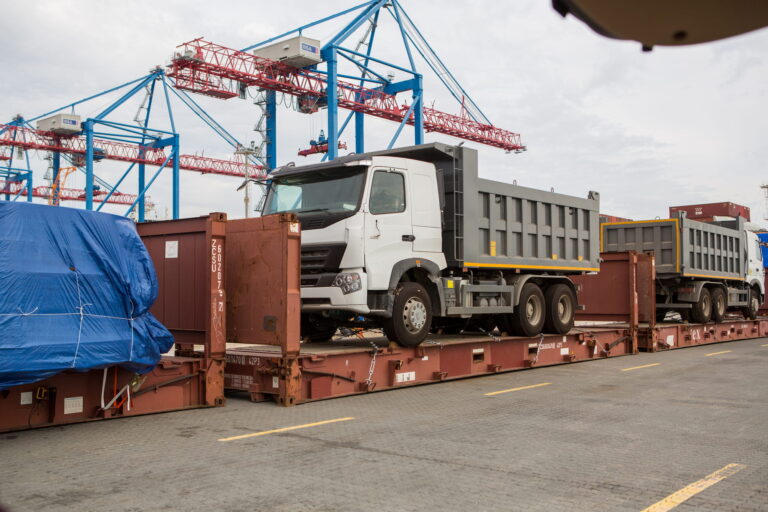
El método de carga puede variar mínimamente dado que los contendedores estándar no transportan carga sobredimensionada. La manera en la que los puertos cargan los bienes en un contenedor depende del producto del remitente y del tipo de recipiente que transporte el envío. Un contendedor de techo descubierto que lleva piezas metálicas largas se ubica en contenedores similares al estándar. Sin embargo, si las piezas de metal sobresalen del contenedor, este no se pondrá sobre otros recipientes estándar. El proveedor mantendrá el contenedor en una ubicación distinta y pondrá una lona para prevenir daños. Otro tipo de recipiente usado en carga fragmentada es el flat rack.
Los flat rack son contendores que no tienen paredes o techo, sus lados son plegables en la parte del frente y atrás. A diferencia de los contenedores de techo descubierto, el flat rack puede acomodar carga extra ancha y bienes voluminosos que no entrarían en un contenedor estándar. El tipo de carga que estos contendores transportan es maquinaria grande o vehículos que no entran en un contendor estándar. En envíos marítimos internacionales, los carros, las casas rodantes y camiones que se envían por flat rack usan RoRo para cargar los recipientes. RoRo o Roll-on/Roll-off es un método de carga para vehículos que utiliza rampas integradas para anclarse a los barcos. El barco asegura los bienes durante el viaje hasta descargar la rampa en su destino final.
¿Cómo empezar el envío de carga internacional sobredimensionada?
Aunque mover internacionalmente carga sobredimensionada tiene muchos beneficios, puede no ser tan simple. No solo hay más partes de la cadena de suministro que las mencionadas en el artículo, sino que también existen numerosas regulaciones. La documentación que solicitan los Estados Unidos y otros países para la importación o exportación puede ser confusa. Por eso, contratar a un agente de carga que te guíe a través del proceso es la mejor manera de comenzar a enviar. Contacta a A1 Worldwide Logistics al 305-425-9752 o a info@a1wwl.com para obtener un presupuesto para mover tu carga sobredimensionada a nivel internacional. También ofrecemos servicios de despacho de aduanas para mercancías que ingresan a Estados Unidos.

by A1 WorldWide Logistics | Sep 30, 2024 | East Coast Protests, Economic trends, Shipping Logistics
A port strike is imminent at midnight September 30th with International Longshoremen Association (ILA) dockworkers. The ILA has been in talks with the United States Maritime Alliance (USMX) over a new contract. This contract includes higher wages and limits the use of automated technology at ports. These efforts have been unsuccessful and have stopped with the current six-year agreement, which will soon expire. A potential strike would shut ports along the East and Gulf Coasts, severely disrupting domestic and international trade. This could trigger a ripple effect across the U.S. economy, as many supply chains rely heavily on these ports. With the U.S. import industry valued in the trillions, a strike may significantly impact international shipping.
What Can This Mean For Shipping?
Along with shutting down East and Gulf Coast ports, a strike could cause delays in numerous supply chains. This is because East and Gulf Coast ports are responsible for nearly 43% of all U.S. imports. Delays can lead to monetary loss and look unfavorable for importers that have customers. In addition to delays, shipping costs are likely to surge. Port closures often lead to higher freight rates due to constrained capacity, demurrage, and detention fees. Some shippers have already begun rerouting to West Coast ports, though this solution risks overburdening those ports, creating new delays. Shippers are also exploring alternatives like land and air, though they could raise costs even further.
Industries such as retail and manufacturing have been calling for both parties to resolve, hoping to avoid a multibillion-dollar disruption. With the holiday season approaching, many companies have preemptively shifted goods or brought in products early to avoid shortages. Retailers fear that shelves may not be fully stocked for the holidays. Manufacturers risk production slowdowns if carriers don’t deliver critical materials. Other industries, like construction, automotive, and farming, will also feel the impact of a strike on their supply chains.
Since A Port Strike Is Imminent, How Can You Prepare?
Due to the impact of a strike, it is essential to take steps to prepare for what may occur. An option is to delay shipments until the strike ends. Freight leaving its origin after September 20th will likely be affected, so rerouting to West Coast ports could be the best solution for goods in route. However, it’s important to note that West Coast ports are already congested, meaning longer transit times may occur. Alternative conveyance methods, such as land or air transport, could help ensure timely delivery for high-priority shipments. Ports across the U.S. East and Gulf Coast have already been preparing for a potential strike in various ways. Some of the ways include extending gate hours for trucks before the strike occurs.
As the strike deadline nears, staying informed is vital, and you can do this by regularly checking news updates. Another effective strategy is working with a freight forwarder. Forwarders ensure the transport of your cargo efficiently and safely while minimizing costs. They also provide valuable guidance, helping you navigate disruptions and choose the best shipment plan. A1 Worldwide Logistics offers freight forwarding services and a range of solutions to handle the effects of a potential strike. Contact us at 305-425-9513 or info@a1wwl.com for assistance with your imports and exports.
by A1 WorldWide Logistics | Sep 27, 2024 | East Coast Protests, Economic trends, Shipping Logistics
A potential labor strike on October 1st has ports preparing for ILA protests across the East and Gulf coasts. International Longshoreman’s Association (ILA) dockworkers are planning on walking due to unsuccessful negotiations with the United States Maritime Alliance (USMX). In particular, the ILA is protesting for higher wages and more robust pensions and against automation usage. A strike can significantly impact U.S. supply chains, with over 40% of imports going through East and Gulf Coast ports. Analysts predict it can cost the U.S. economy nearly $5 billion a day and create backlogs from congestion. With the strike potentially impacting domestic and international shipping, ports are preparing in various ways.
How Are Ports Preparing For ILA Protests?
Ports across the U.S. East and Gulf Coast are preparing for a potential strike in various ways. Some of the contingency plans for the nation’s busiest Ports include:
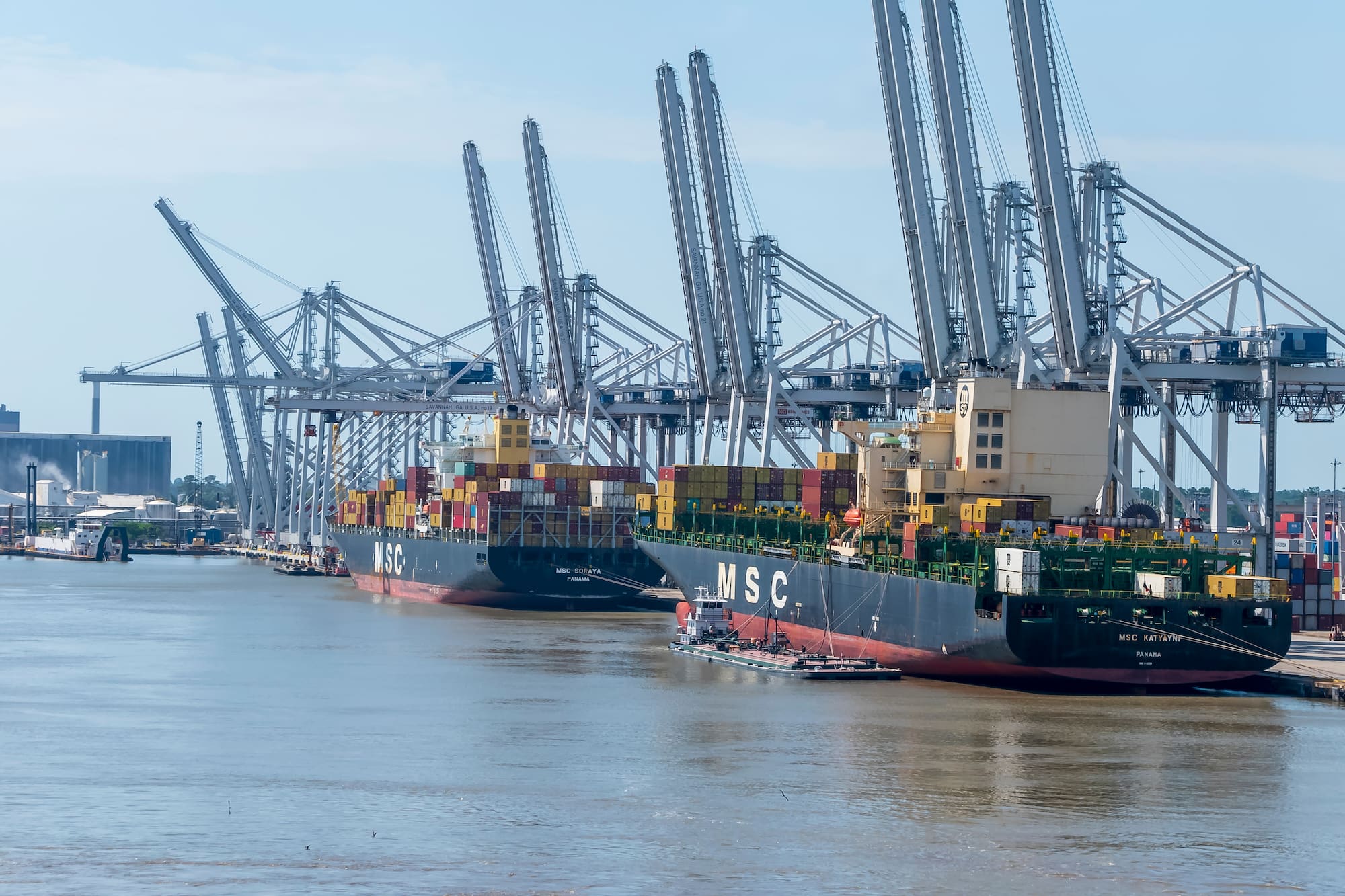
Port of Savannah – To enable cargo movement before the October 1st deadline, the port will allow extended weekend gate hours. The port will also receive exports and refer cargo until September 30th. Port Authority will not be responsible for freight damages that could happen during a strike.
Port Houston – If a strike happens, the Bayport Container Terminal and Barbours Cut Container Terminal will close all container handling operations. Despite the closure, the terminals will receive export cargo through September 30th until 7 pm CT. Operations at the general cargo/multipurpose facilities (Terminal Basin Terminal) will continue during potential work stoppage.
Port of Virginia – The Port of Virginia announced that it would halt operations on September 30th for Virginia International Gateway and Norfolk International Terminal if a strike occurs. In a recent update, officials revealed they will extend gate hours for trucks on September 28th and 29th. The port also informed shippers to speak to their ocean carrier to confirm their free-time policy.
Ports Revealing Further Contingency Plans
Port of New York and New Jersey – The port will allow weekend access to APM Terminals and Port Newark Container Terminal for processing cargo. Most terminals will also have extended gate hours. Currently, the port is processing as many vessels as possible to allow a smooth shutdown without disruptions.
Jacksonville Port – 172 port employees are not ILA members, meaning the main functions will continue during regular operating hours. However, the diversified trade lanes mean a protest could impact one-third of businesses.
South Carolina Port – The Port Authority plans to expand gate hours based on cargo demand. If the South Carolina Port stops operations, the port will not charge container storage fees. A significant focus will be on yard equipment availability and full staffing before the strike date occurs. The port’s SMART Pool chassis system will also have additional inventory.
With a protest quickly approaching, a shipper should understand the effect that it can have on their shipment. Along with monetary loss, it can mean massive disruptions and delays for their supply chains. Brokers assist with the clearance of imports by ensuring that it complies with customs rules and regulations. They give shippers an idea of what to expect and the best action. Talking to a customs broker can be ideal when bringing cargo during a disruption. Contact A1 Worldwide Logistics at info@a1wwl.com or 305-440-5156 to speak to a customs broker regarding your import. We are familiar with importing through East and Gulf Coast ports and can navigate your shipment through any disruptions.
by A1 WorldWide Logistics | Sep 20, 2024 | East Coast Protests, Economic trends, Shipping Logistics
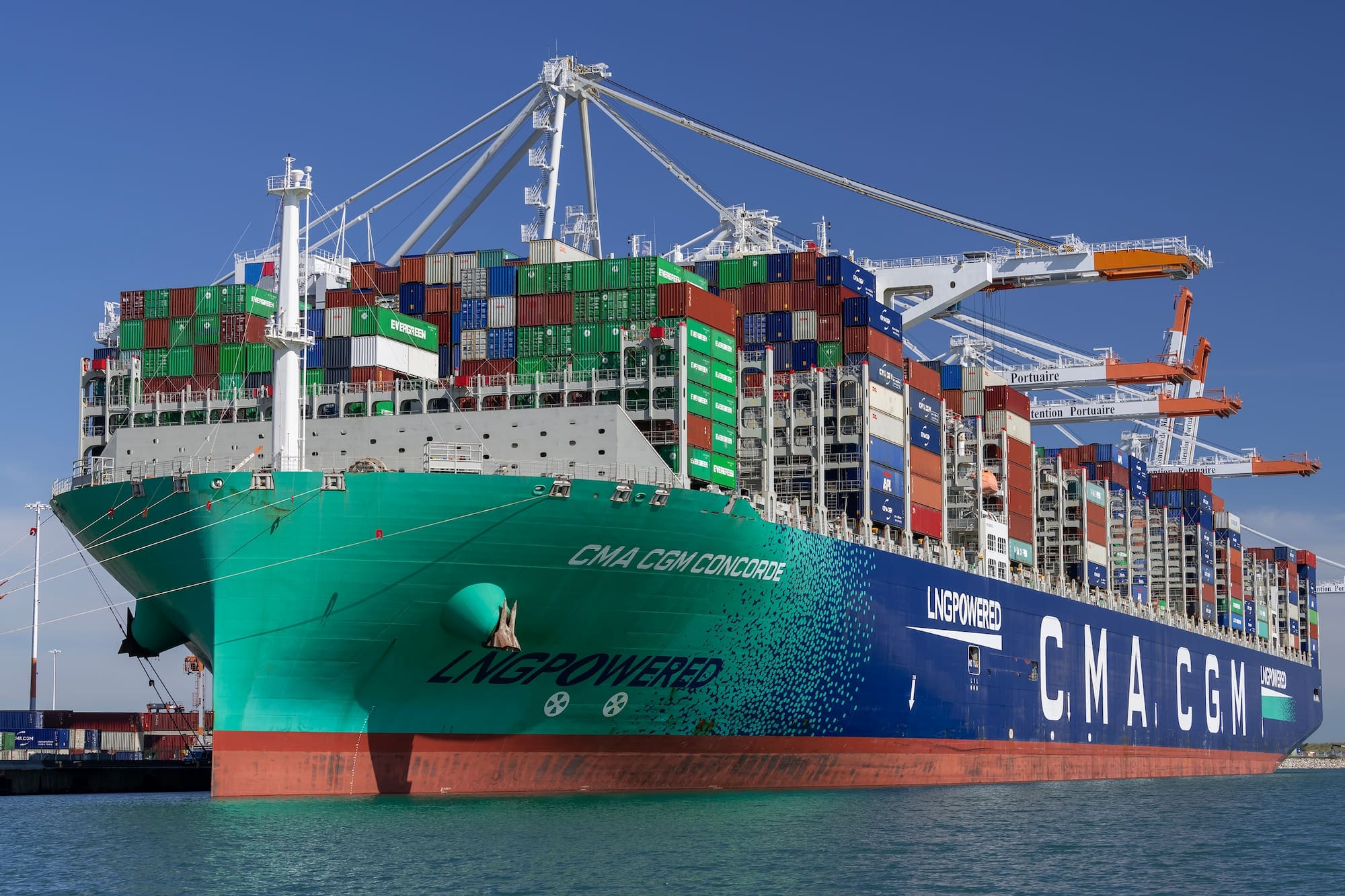
Hapag-Lloyd and CMA CGM announced new charges as strike nears on U.S. East and Gulf Coast ports. The International Longshoreman Association (ILA) plans to protest on October 1st as their six-year contract ends. Unresolved negotiations with the United States Maritime Association (USMX) regarding automation, wage increases, and higher pensions are causing the protest. ILA president Harold Daggett said in an ILA-released video over a week ago, “Mark my words, we’ll shut them down.” The Biden Administration said it will not intervene and invoke the Taft-Hartley Act for a cool-off period. As a result of the strike, two top container lines revealed new surcharges effective mid-October.
Starting October 11th, CMA CGM will charge an extra $1,500 per TEU importing to East and West Coast ports. CMA CGM will also impose a surcharge of $800 per twenty-footer, $1,000 per forty-footer, and $1,266 per forty-foot container for dry and tank exports from the ports. Reefer export surcharges will be $1,000 per twenty-footer and $1,500 per forty-foot container. CMA CGM will also apply a $500 per rate restoration initiative on transatlantic shipments beginning October 1st. Hapag-Lloyd has announced a Work Disruption Surcharge (WDS) starting October 18th. The WDS will be $1,000 per TEU for imports into the U.S. East and West Coast ports from:
- North Europe
- Latin America
- The Middle East
- The Indian Subcontinent
- North Europe
- The Mediterranean
- Africa
Why Are Container Lines Announcing New Surcharges As Strike Nears?
The new surcharges are due to the effect a potential protest can have on the industry. East and Gulf Coast ports handle approximately 55.5% of year-to-date U.S. container imports, accounting for 8% of container volume globally. Containers going to the East and West Coast ports will particularly feel the impact of port closures. Port closures for one week could take six to eight weeks to recover from. Container lines are adding extra surcharges to protect against the probable scarcity in the market. Vessels arriving at East and Gulf Coast ports after October 1st will get stuck for weeks, resulting in limited capacity.
Florida International Terminal Introducing Contingency Plan Due To Strike
Along with the new surcharges, the East and Gulf Coast terminals are implementing emergency strategies due to the strike. Port Everglades, Florida International Terminal (FIT) announced a contingency plan for port operations including:
- Vessel Operations – All vessel operations will stop at 6:00 pm on Monday, September 30th
- Refrigerated Cargo – The terminal will not be liable for any refrigerated containers remaining during the protests. Fit also recommends picking up reefer containers before 4:00 pm on September 30th.
- Export Cargo – In the week of October 1st, the terminal will accept not except export cargo for vessel scheduling.
- Gate Operations – Gate operations will continue operating seven days a week during the strike.
- Demurrage – Containers in demurrage during the ILA protests will remain in demurrage, and containers in free time will stay in free time.
With the potential strike having significant implications for international and domestic shipping, shippers must be ready for what’s to come. This can mean constantly being informed of the situation by checking the news and planning. Contacting a third-party Logistics provider (3PL) can also be helpful. Reach A1 Worldwide Logistics at 305-425-9456 or info@a1wwl.com to stay up-to-date with any occurrences in the shipping industry. Along with educating you on what to expect, we find solutions for protecting your shipments from disruptions.

 1035 NE 125th St Suite #320, North Miami, FL 33161.
 a1worldwidelogistics.com
 (305) 821-8995
 Hours: 8AM - 5PM