
by A1 WorldWide Logistics | Jul 8, 2022 | COVID-19, Freight Forwarding, Shipping Logistics, Supply Chain
Ports across the United States have recently seen a decrease in container import demands. This surprises many with the high volumes of imports into the U.S. in early 2022. The number of vessels waiting outside Los Angeles/Long Beach ports decreased from over 100 in January to under 30. From May 24 to June 7, container imports dropped an estimated 36%. While some believe this is the calm before the post-Shanghai lockdown storm, others see it as something more positive. Over the past year and a half, COVID has led to massive port congestion and backlogged supply chains. This decline in container ships could be a potential sign of relief.
One of the reasons for the reduction in West Coast ports is carriers moving freight to East Coast ports. The East Coast ports became more attractive after the congestion months ago created a logjam in West Coast ports. What is interesting is that East Coast ports are also facing a reduction in container imports. The drop is leading many to speculate that imports will reach pre-pandemic levels. However, it may be too soon to predict how inflation will impact the international shipping industry in the coming weeks. The vessels that left ports overseas on the trans-Pacific are expected to reach the U.S. by June.
The Impact of Inflation
Inflation has spread worldwide and affected industries such as oil and food. Compared with March last year, inflation has risen an estimated 8.5%, according to the Bureau of Labor Statistics. This is a 40-year high, with the previous high at 7.9% in December 1981. The price increases are due to multiple factors, such as the war in Ukraine and post-COVID demand. The geopolitical risks of the Ukraine war have also led companies to keep their goods in inventory in the U.S. As inventory builds up in the U.S., new orders from overseas slow, decreasing imports.
The price increase may have directly contributed to the decrease in demand. Now that inflation has risen to substantial levels, customers may be spending less on goods than before. With fewer goods purchased, fewer container vessels are being brought into U.S. ports internationally. It may be too early to tell if inflation significantly affected the decrease in U.S. port imports.
Can this Be a Good Thing?
The return of imports to pre-pandemic levels may signal a return to normalcy in the shipping world. Alongside the U.S. port import volumes, container spot rates from China to west coast ports are also declining. On a month-to-month basis, the spot rate has gone down over 30% since March 28, 2022. With container shipping rates lowering, this can tremendously benefit shippers transporting goods internationally. It may cost less to ship freight compared to a year ago. The container capacity to move freight has risen compared to last year, which shippers can take advantage of.
If you need a freight forwarder to move your cargo, contact A1 Worldwide Logistics at 305-821-8995 for assistance. We have a team of experts ready to handle your shipment and provide you with the best quote.
by A1 WorldWide Logistics | May 19, 2022 | Freight Forwarding, Import and Export Experts, Shipping Logistics, Supply Chain, Transportation
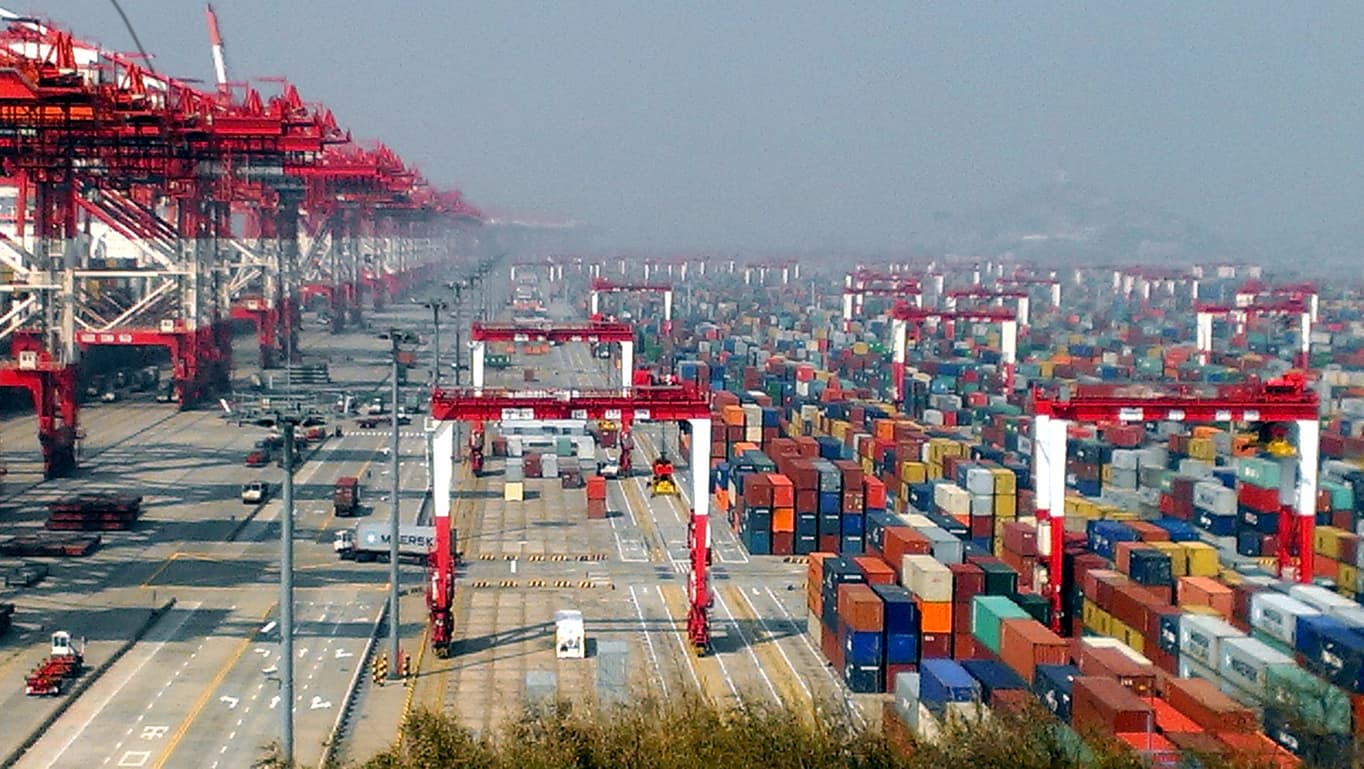
In the past few weeks, the Port of Shanghai had been working at a limited capacity due to the coronavirus pandemic. Now, operations in the port have opened to close to normal levels. Shanghai, China, has been on lockdown because of the “zero COVID” policy and has started to reopen in stages. This opening began with industrial production and manufacturing industries and then went to commercial businesses like stores and pharmacies. Additionally, The Port of Shanghai has slowly opened import and export operations. City authorities have noted that “normal life” will return to Shanghai on June 1, 2022.
This reopening of the city and port is significant for the world of international shipping. When Shanghai and its port shut down, the shipping industry instantly felt the blow. Overseeing an estimated 744 million tons of cargo yearly, the Port of Shanghai is the largest and busiest seaport globally. The lockdown immediately increased the number of container ships outside the port by 195% and affected global supply chains. To prevent a backlog, 20,000 employees worked in the Shanghai port to keep it operating during the lockdown. The result was a throughput of 82% containers passing through the port in April compared to April of last year.
What May Happen in the Upcoming Months
As Shanghai returns to everyday life, the supply chains for various companies may resume pre-lockdown levels of normality. With increasing orders being placed from reopened manufacturing factories, the Port of Shanghai will feel increasing pressure. Not only is freight being exported out of the port but into the port as well. The need for trucks to move freight from and to the port will also rise. Because the Port of Shanghai is so extensive, the opening is highly positive for Shanghai and the world’s economy.
Once the lockdown ends, different ports worldwide may experience a higher volume of containers than usual. This is due to the containers pent up in the Port of Shanghai. Ports like the Port of Rotterdam, which has dealt with congestion in the past, may feel the load. The Port of Los Angeles has been stable during the lockdown due to assistance from the port of Ningbo. When the Port of Shanghai went on lockdown, the Ningbo port took its freight and moved it to the Port of Los Angeles. This movement was done with a priority and helped alleviate pressure for both ports. With the holiday season approaching in a few months, ports and shippers may have to prepare early for any circumstance.
Shipping World Continues to Move
During the last few years, the pandemic and the lockdowns have made their presence known in the world of international shipping. On the one hand, the urgency to have freight shipped has increased due to a spike on ecommerce and, on the other, staff dealing with shippings at the ports and through all the supply chain has been limited (public health restrictions).
Shippers may need more than ever to move their goods and we’re here to help. If you plan on importing/exporting freight from anywhere internationally, contact A1 Worldwide Logistics at 305-821-8995 to get started. With the biggest port in the world fully operational, we want to make sure your cargo is transported with no problems. A1WWL has experience importing cargo from China such as vehicles, electronics, metal clothing, etc. We also have exported machinery, luxury items, furniture, and much more from the U.S. to China.

by A1 WorldWide Logistics | May 13, 2022 | COVID-19, Freight Forwarding, Shipping Logistics, Technology
Over the past few decades, international commerce has seen technological advancements which allowed an increase in the cargo shipped globally. A recent development was the expansion of the Panama Canal, one of the most significant structures built for maritime trade connecting the Atlantic and Pacific Oceans. Yearly, it is responsible for the transit of over 13000 cargo vessels. Shippers especially felt the canal’s expansion during the COVID crisis, when the amount of freight shipped internationally grew exponentially.
Neopanamax Locks
In April of 2006, the former president of Panama announced the Panama Canal expansion project. Along with deepening current channels and increasing the water levels, the project included adding a third set of locks to the canal. In 2016, builders completed the Neopanamax locks, increasing freight volume moved through. Before 2016, the Panama Canal only had two sets of locks which allowed for a capacity of 5000 TEUs (Twenty Foot Equivalent). The Neopanamax permitted ships with 15000 TEUs to pass through, which meant more ships could go across. Canal Authority predicts that the cargo tonnage moved through the Panama Canal in 2005 will double by 2025.
Covid-19 Shipping Surge and the Panama Canal
When the COVID-19 pandemic started to make its way globally, most of the world’s nations imposed lockdowns. Instead of driving to a local store for merchandise, many goods were purchased online and delivered to the customers. This tread continued to rise even after the lockdowns ended. The number of freight containers shipped internationally increased significantly due to the COVID pandemic. More goods were purchased online and imported from different countries. The increased capability of Panama Canal has proved to be a key component in the context of the shipping surge generated by the pandemic.
One example of this is the transportation of grain exports from the U.S. Grain exports such as corn and soybeans are a common commodity moved through the Panama Canal. The Neopanamax locks allowed vessels to carry 25% more of bulk grain compared to when the canal had two sets of locks. COVID-19 further increased the need to export grains globally through the Panama Canal. In 2020, the value of global wheat exports rose by 10.9% compared to 2019 due to the demand. The Panama Canal’s expansion aided in streamlining the grain exportation. Another example of the positive impact of the Panama Canal’s expansion is the movement of LPG (Liquified Petroleum Gas) carriers to China.
The U.S. LPG exports rose 32% from January-July 2019 to January-July 2020. LPG exports like propane and butane are popular shipments to Asia. This is because China has the highest manufacturing output globally, and factories use LPG in creating polypropylene, a material used to produce plastic. LPG carriers in the U.S use the Panama Canal as the easiest way to reach China. Some other industries that could benefit from the Canal expansion are the automotive and the manufacturing ones, whose products will be more easily moved from the USA to Asia. If you need to have your goods cleared or shipped, contact A1 Worldwide Logistics at 305-821-8995 to begin the process. We have a team of experts ready to help you in the exporting/importing journey from US to China and all around the world.
by A1 WorldWide Logistics | May 6, 2022 | Agricultural imports, Customs Broker, Customs Broker Miami, Customs Clearance, Import and Export Experts, Shipping Logistics, Supply Chain
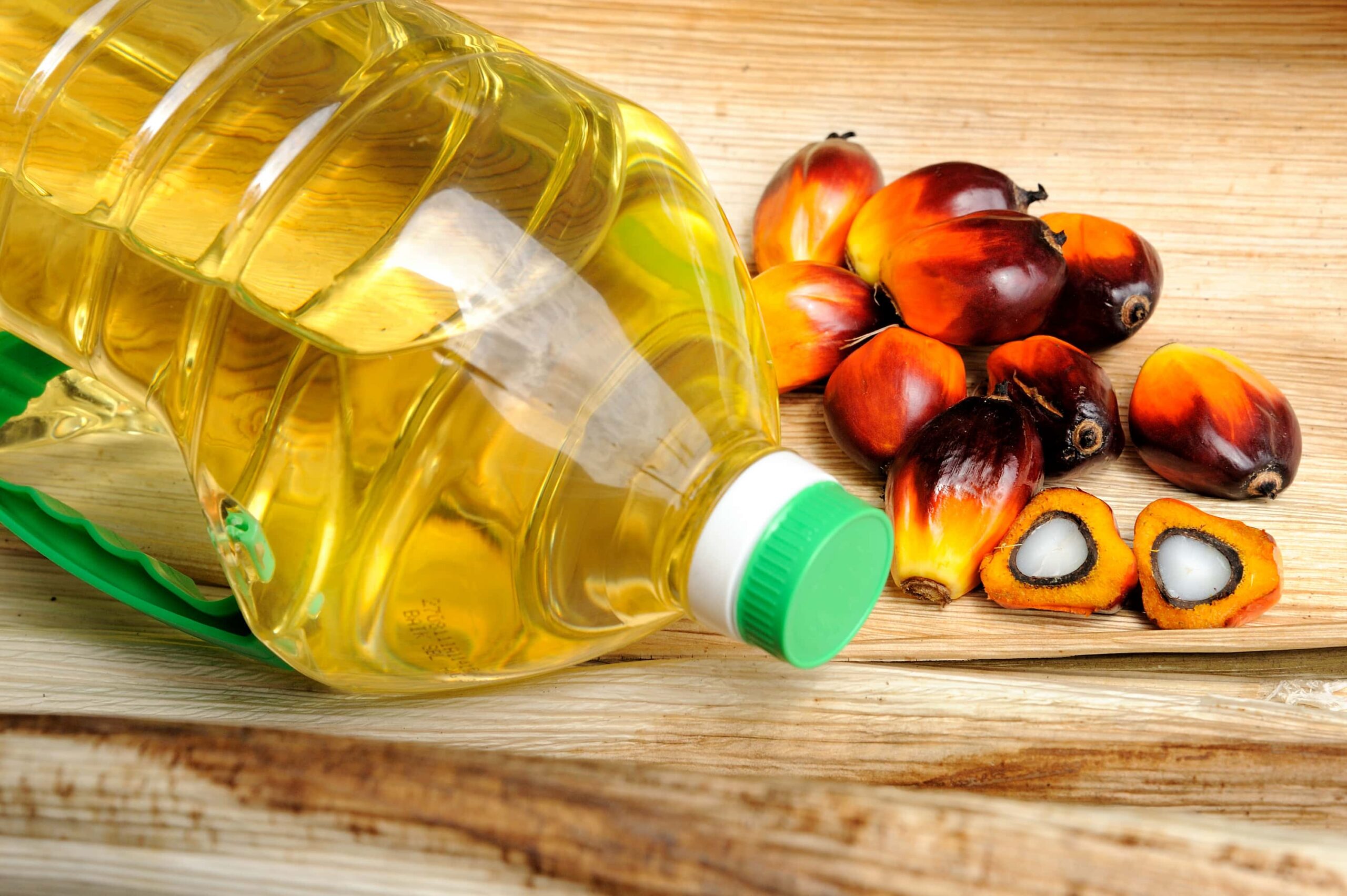
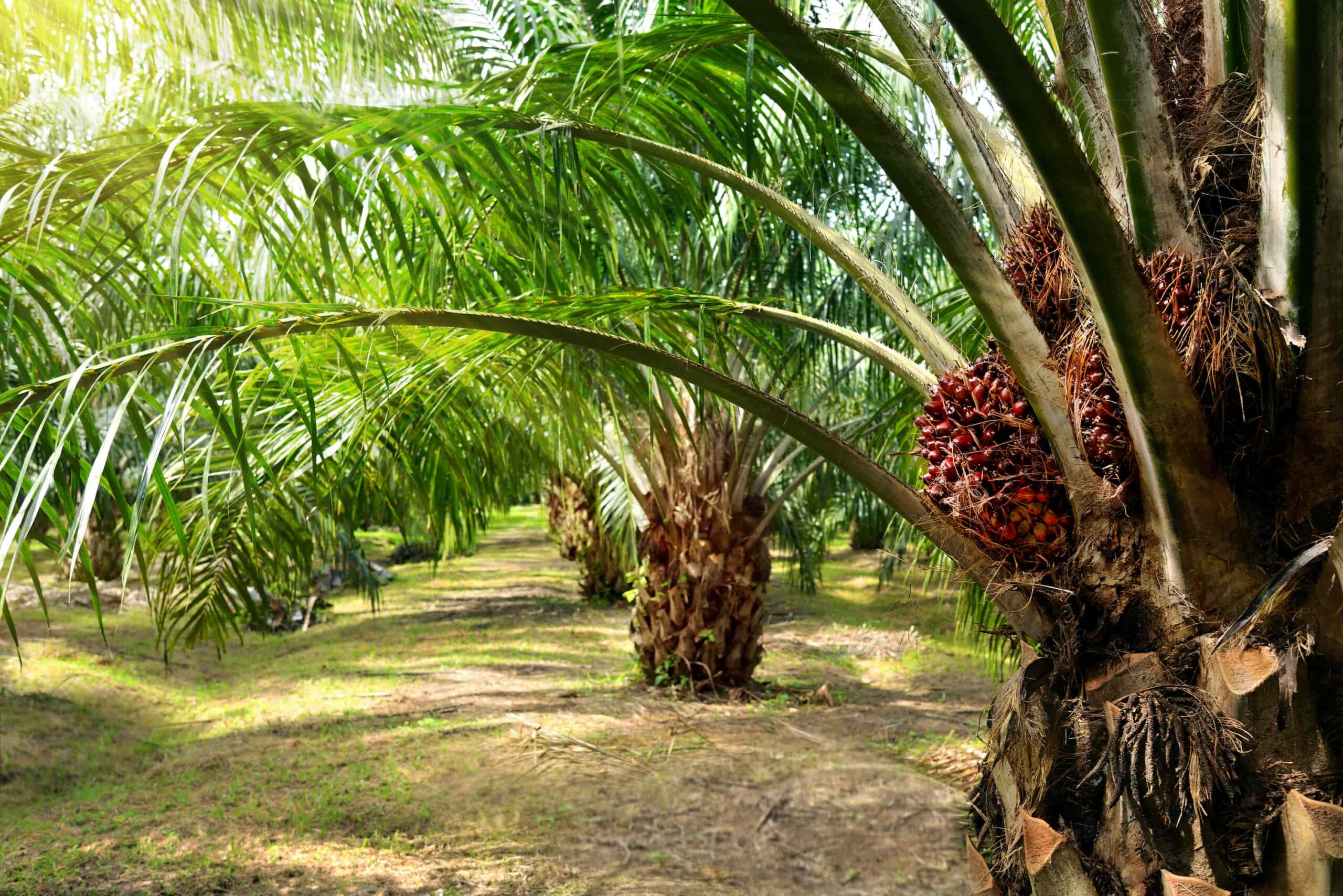
On April 28, the Indonesian government began banning palm oil export. At first, the export ban included only bleached, refined, and deodorized palm oils. However, very soon the ban got to include all types of palm oils. Palm oil is an edible oil used in many food products, detergents, cosmetics, and other products. 60% of the world’s palm oil is estimated to be produced and exported from Indonesia.
Why Is the Ban Happening
One of the main reasons Indonesia is banning palm oil exports is to boost domestic availability. The amount of palm oil available for use in Indonesia has decreased significantly due to rapidly rising prices. In a few months, the price of palm oil has increased by over 40%. Situations such as the COVID-19 pandemic and the war in Ukraine have increased demand for palm oil, as it is a substitute for sunflower oil, which Russia and Ukraine traditionally produce and are now scarce due to the war and economic restrictions. Producers in Indonesia have raised the price to a point where locals can no longer afford to buy the product. There have been protests on the streets of Indonesia due to the shortage.
Authorities in Indonesia have stated that the ban will remain in place until affordability and availability improve in the country. However, analysts predict that Indonesia could shorten the span to a few weeks. This is because palm oil is an ingredient in many food products globally (such as chips, Oreos, candy, and cereal). A short export pause can hurt Indonesia’s economy and the global food economy.
With Indonesia consuming around 33% of its palm oil production, the ban will quickly raise the availability in the country. The ban may create opportunities for countries like Colombia, Malaysia, and Thailand to export palm oil.
The Effects of Banning Palm Oil
Banning palm oil may have different effects on both local and worldwide buyers. The first of them is, obviously, a generalized edible oil inflation. The export ban will be beneficial for Indonesian citizens because it could lower the price of palm oil, but since the ban is for exporting the goods, it may negatively affect importers outside of Indonesia. As previously mentioned, countless food manufacturers use palm oil as an ingredient. The cost of palm oil is relatively cheap, making the finished product affordable for the customers. Without access, manufacturers may have to purchase more expensive oil options, increasing the price of the finished good.
Many importers have already decided to look at different countries like Malaysia to purchase palm oil. Responsible for producing 25% of the world’s palm oil, Malaysia is the second-biggest producer after Indonesia. The global demand has also moved to alternatives like soybean oil. The problem is that Argentina, the biggest producer of soybeans, is currently in a drought. Export taxes for soybean oil have also risen as a direct response to the war in Ukraine. Despite the issues presently being faced, the futures prices for soybean and palm oils have risen to record heights.
When the Indonesian government lifts the ban, the demand to export palm oil and other goods will still be existent. If you are a producer of palm oil or need to import palm oil into the U.S., Contact A1 Worldwide Logistics at 305-821-8995. Our skilled importers will guide you through the shipping process. We also offer customs brokerage services for goods coming into the U.S.
#exports #imports #COVID-19 #Indonesia #Ukraine #Russia #logistics #palmoil #exporting #customsbrokerage
by A1 WorldWide Logistics | Apr 28, 2022 | Agricultural imports, Import and Export Experts, Shipping Logistics, Supply Chain
Before importing agricultural products into the United States, you need to be aware of many regulations. Guidelines to import can be extensive; this article will give you a basic understanding of what to expect. Agricultural goods are products derived from animals or crops used for human consumption and sustainability. Some examples include fruits, vegetables, livestock, raw materials, fuel, etc. This article will describe the general process for importing. However, call A1 Worldwide Logistics at 305-821-8995 for a comprehensive explanation.
FDA Requirements for Importing Agricultural Goods
The Food and Drug Administration (FDA) ensures that food and medicine coming into the U.S. meet safety requirements. To begin importing into the U.S., you must register your facility with the FDA. Your “facility” is where the agricultural good was manufactured and packaged before being imported. Failure to register with the FDA may result in civil penalties such as detention holds and fines for your product. After registering, the FDA will assign you an agent to inspect and ensure that your products meet safety requirements. It is also necessary to have all the required permits for importing your goods. Find a customs broker to learn more about the permits and documents needed.
The importer has to send prior notice documents no more than 15 days before the goods arrive at the U.S. Information such as registration number, country of origin, product code, and more should be on the prior notice documents. The FDA also requires that your fruits and vegetables are appropriately labeled before entering the U.S. The types of label formats permissible by the FDA depend on the packaging and type of product. Once the goods arrive at a port of entry, a customs agent will inspect them before being released. The inspection prevents potential threats such as diseases, pests, and other threats from entering the U.S.
USDA Requirements for Importing Agricultural Goods
-

-
Watermelon cargo
-

-
Plantain being processed for import
-

-
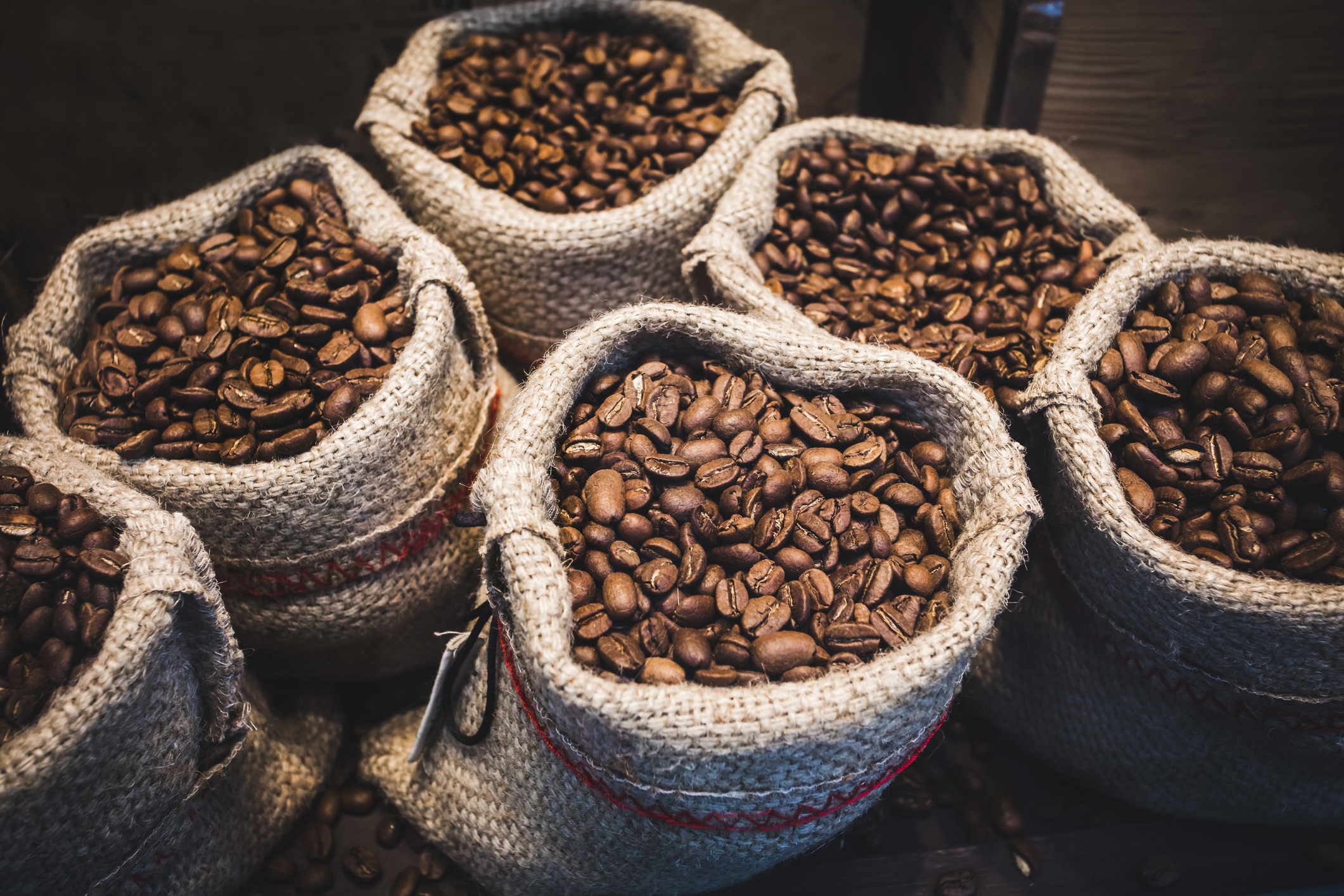
Coffee beans in bags. Fresh coffee beans
The U.S. Department of Agriculture (USDA) enforces its regulations for importing agricultural goods as well. The USDA has different rules and services depending on the agricultural cargo imported. For example, the USDA has the Food Safety and Inspection Service (FSIS) for poultry, meat, and egg products. The FSIS makes sure that meat and egg products are safe for import into the U.S. The guidelines depend on the type of import; however, the eligibility depends on the country. The country has to be certified by the FSIS to allow importation into the U.S.
Countries that are certified have a certain number of goods eligible for importation which the FSIS determines using three categories. The three categories are Process Category, Product Category, and Product Group. Goods that are qualified for importation also have labeling and permit requirements based on the product. Similar to FSIS, the USDA also has the National Plant Protection Organization (NPPO), regulating plant importation. The NPPO ensures that the fruits and vegetables imported into the U.S. have the correct permit and certificate.
Once the agricultural goods reach the U.S., the Customs and Border Protection will ensure that you have the correct paperwork filled out. Finally, the imported goods will be moved to an import establishment for inspection before being released. If you need a customs broker to assist with the paperwork, contact A1 Worldwide Logistics at 305-821-8995. Our experts will guide you through the importation process and answer any questions.

by A1 WorldWide Logistics | Apr 21, 2022 | Freight Forwarding, Shipping Logistics, Supply Chain, Technology, Transportation
The transportation industry has seen massive growth and development in freight movement over the last few decades. A recent topic that has become popular in the Transportation and Logistics industries is the usage of 3D printing. Advances in technology lead some to believe that 3D printing may help the industries grow. Others predict that 3D printing can have an opposite effect and interrupt freight movement. This was recently discussed in a virtual session at The Economic Club of New York. One of the topics brought up was the effect that 3D printing may have in the future.
Pros and Cons of 3D Printing
3D printing is a manufacturing process that converts digital data into a three-dimensional image. One of the main benefits of 3D printing is that it will streamline the supply chains of transporting products. The traditional supply chain process involves obtaining, manufacturing, and transporting goods to customers. 3D printing may allow companies to create goods in their location instead of importing the products elsewhere. Manufacturing goods in one’s facility can save money, time, and resources. 3D printing also allows for versatile, complex design due to its method of digital creation.
One of the main disadvantages of 3D printing is the effect that it could have on the freight forwarding/transportation industries. A freight forwarder is an intermediary between shippers and transport companies who coordinate the movement of goods internationally. With companies creating products in their facilities through 3D printing, the need for a freight forwarder becomes lessened. The way that many companies create products today is by outsourcing materials from different countries. Freight forwarders may coordinate the importing of those materials internationally.
What Effect will 3D printing have on the Transportation Industry?
The current supply chain model for manufacturing and moving freight involves many steps. Companies source cheap labor overseas, and then pay to get the goods transported. With 3D printing, a portion of the supply chain could be gone, although any statement suggesting that goods will be made in anyone’s basement are truly exaggerated. Perhaps, in many (many!) years from now, the international movement of goods may be replaced with the international movement of designs and information to create the goods.
3D printing may impact globalization because it is based in the countries’ permanent exchange of goods. With companies creating goods domestically, supply chains could become less dependent on other countries to be effective. A nationwide lockdown or a conflict between two countries may become less of a disruption to a supply chain.
A1 Worldwide Logistics
While 3D printing may impact the future of transportation, it may be a while before 3D printing becomes standard practice. Freight still has to be moved internationally. When moving freight, it is essential to have a freight forwarder that understands the world of international shipping. A1 Worldwide Logistics has experience working with freight transport methods such as ocean, air, and land. Contact us at 305-821-8995 or info@a1wwl.com for a quote to get your goods moving today. We also have customs brokers to arrange the customs clearance process of your imports.

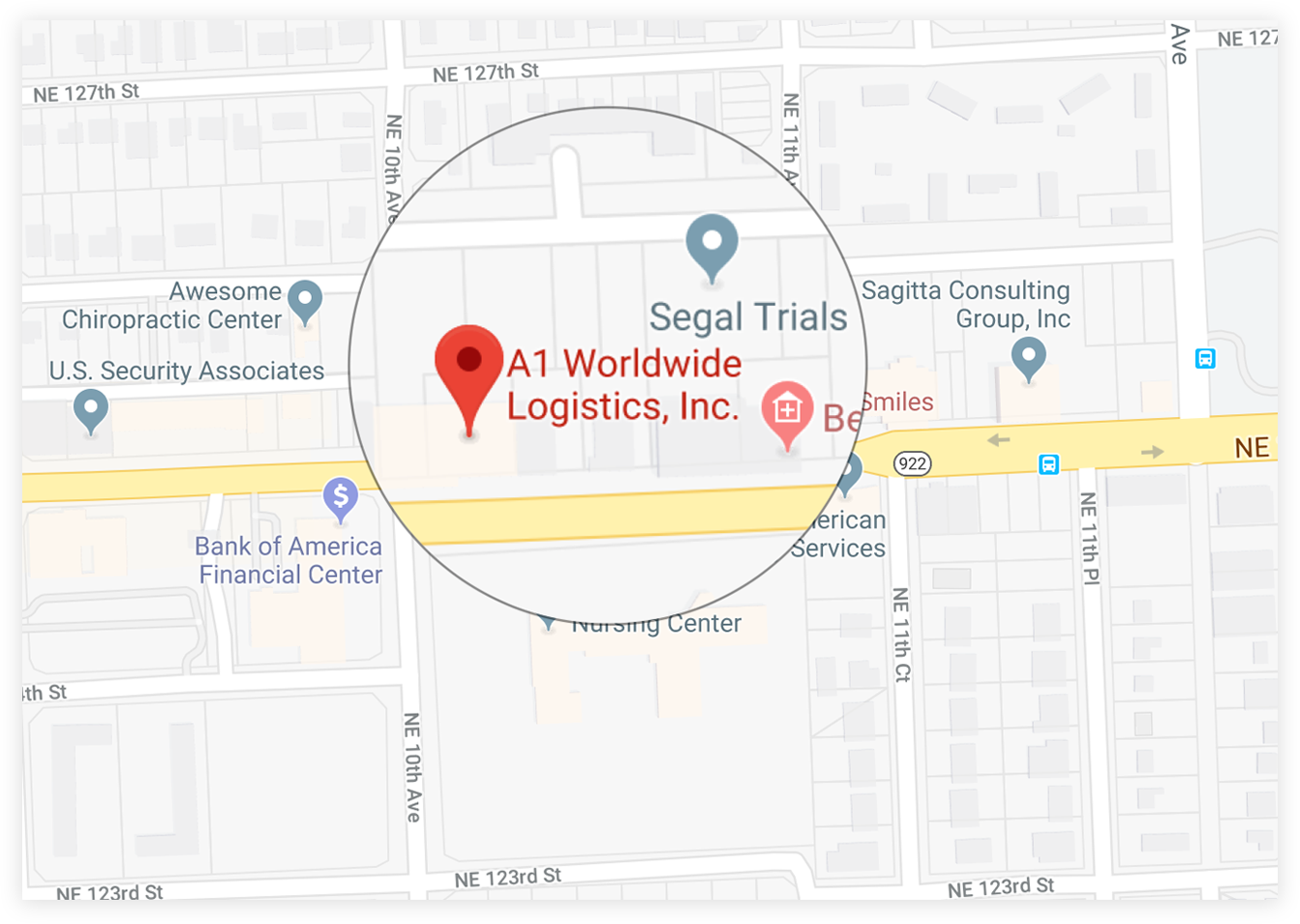
 1035 NE 125th St Suite #320, North Miami, FL 33161.
 a1worldwidelogistics.com
 (305) 821-8995
 Hours: 8AM - 5PM