Warehousing services have evolved over the past decades to meet the customer’s needs. Two solutions that have grown into essential pieces of the supply chain puzzle are cross-docking and trans-loading. Both of these services help streamline supply chains and reduce costs; however, they differ in how they accomplish this. Here you will learn which one is best for your shipping goals.
Cross-docking
When containerized cargo reaches a warehouse, cross-docking is the unloading of the shipment from one truck to another. When the lumper unloads the freight, it is not stored away or re-palletized and stays briefly before being loaded onto another truck. Speed is a critical factor since customers expect their goods on time. An example of a cross-docking user is a smaller-sized company that wants to have leverage on a larger company. Another significant usage of cross-docking services is to move perishable goods like meat and fruits in a quick manner.
There are many benefits to cross-docking, and one of the most important is saving time. Since the goods are already palletized, they may be immediately transferred to a truck and moved to the next destination. This removes the requirement of storage space which also helps the shipper save time and money. Transport costs are saved by having an FTL shipment arrive at a facility and broken down into smaller LTL shipments. Reduced handling times help lower the chances of damage and theft.
Trans-loading
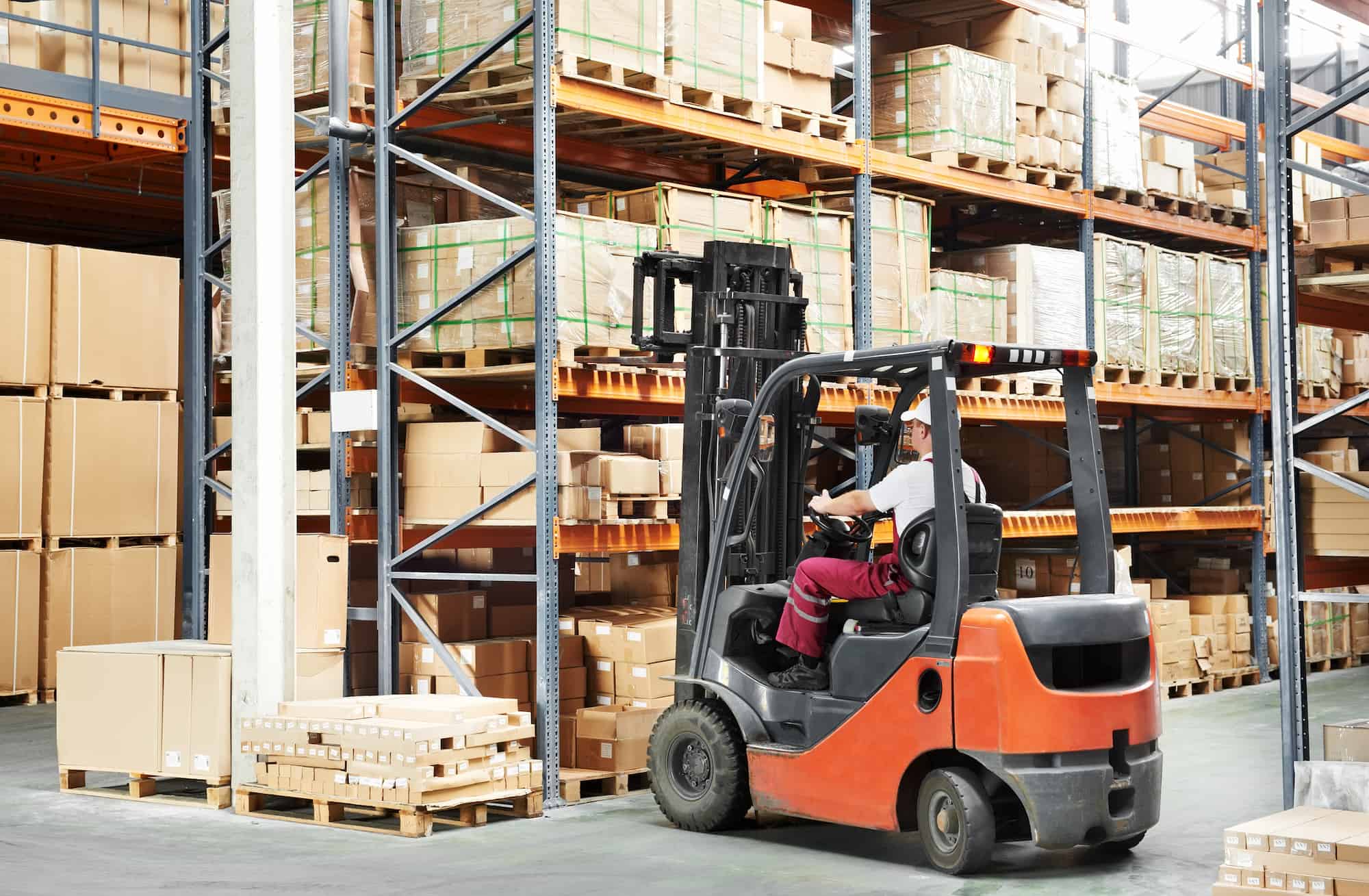
Trans-loading is moving freight from one mode of transportation to another. Unlike cross-docking, which is only truck to truck, trans-loading is transporting cargo between trucks, rail, ships, or planes. An example can be when a containership arrives at a port and is moved to a warehouse by truck. The warehouse is the trans-loader that may sort, pack, and palletize the freight before being reloaded and moved again. Trans-loading differs from intermodal transport since the cargo does not stay in the same container the entire journey.
Trans-loading uses more modes of transport than cross-docking, and freight may be re-palletized and stored, unlike cross-docking. It also has several benefits in a supply chain. A shipper saves transport costs since multiple smaller shipments are consolidated into one trailer and have a single journey. Warehouses that offer trans-loading services also usually have storage space for cargo. If the shipper plans to sell the goods, they may store them away until they find a customer. The overall supply chain is also streamlined since the trans-loading facility breaks down and delivers the goods on-site.
Having the trans-loading activities for multiple shipments done on-site is quicker than going to a separate distribution facility. Along with cross-docking and trans-loading, A1 Worldwide Logistics offers various other solutions for your warehousing needs.
Contact us at 305-821-8995 or write to info@a1wwl.com for a free quote and to enhance your supply chain.
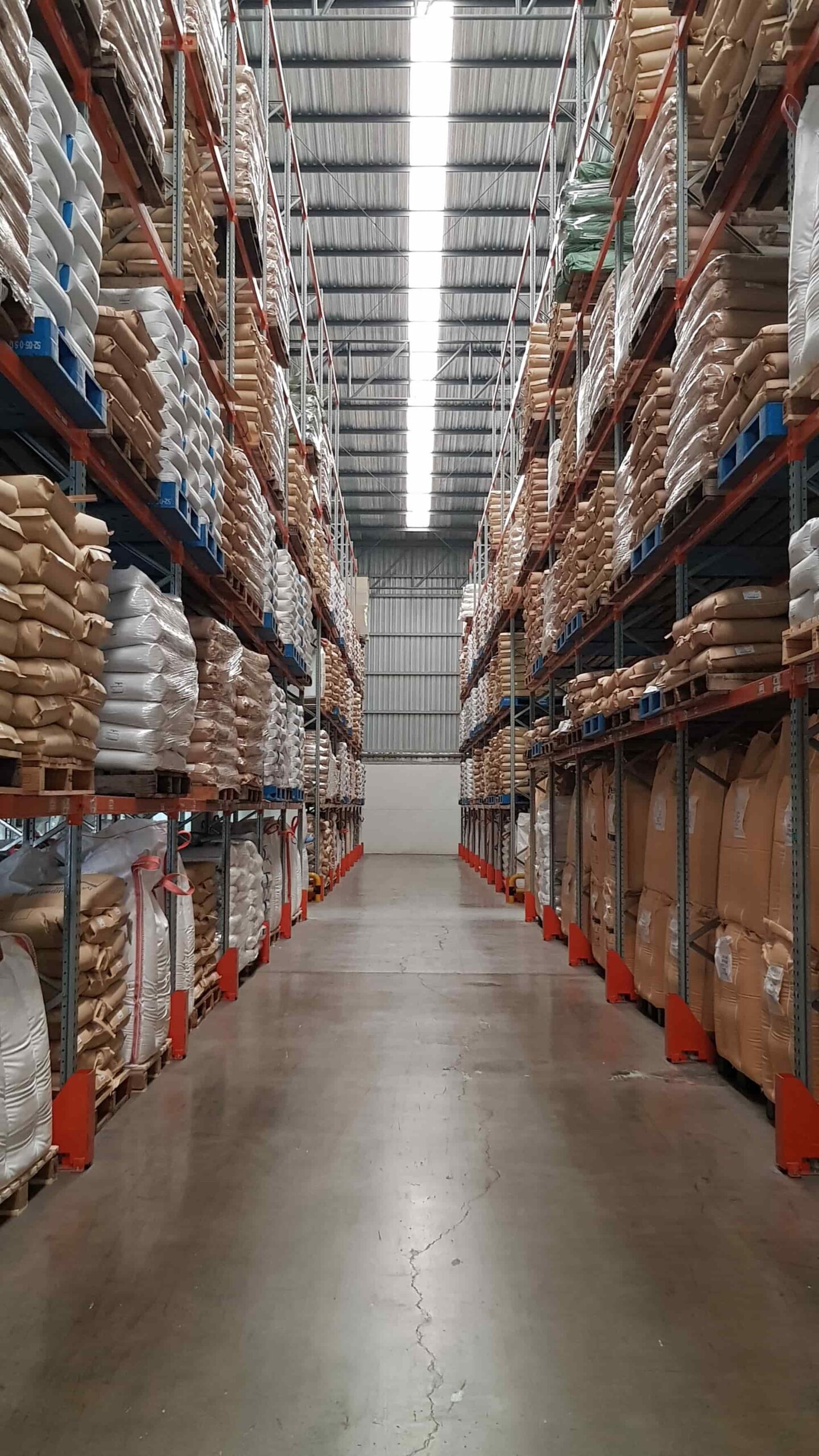
When shippers bring up warehousing in conversations, a frequent topic is the merchandise they put away. While there is an extensive amount of items kept in warehouses, we can break them down into categories. This article will discuss the common types of goods stored and how warehouses handle them.
Dry Goods
One of the most conventional types of goods stored in warehouses is dry goods. These can range from shoes, furniture, and electronics to packaged food goods. Dry goods are foods stored at room temperature. Specific agricultural and chemical products are not considered dry goods because they must be stored at specific temperatures. Warehouses also ensure they are in excellent condition before moving to the next destination.
Raw Materials
Other common goods stored in warehouses are raw materials such as grains, metal, crude oil, etc. Manufacturing facilities eventually use these materials that they reserve for production to create a final product. Since manufacturers are constantly receiving orders, storing these materials can help them maintain backup stock. Manufacturers may also forecast more accurate delivery dates for incoming orders based on their inventory levels.
Temperature Controlled Goods
These goods must be stored at a specific temperature to prevent damage or spoilage. An example is perishable foods, such as dairy products, that require refrigeration below 40 degrees Fahrenheit. Pharmaceuticals are also temperature-controlled goods that facilities store at specific temperatures. The warehouses tend to have specialized equipment like evaporators, condensers, and airlock systems.
Bulk Items
Oversized or bulk items are goods stored in large quantities in a warehouse. Different types of cargo can be considered bulk, ranging from industrial supplies to liquid products like petroleum. Typically, bulk storage items are palletized and stored in large areas of warehouses; however, there are several types of bulk storage. For example, warehouses store liquids in storage tanks or vats, as well as in intermediate bulk containers (IBCs). Facilities may store bulk goods in other ways, such as floor stacking and pallet racking.
Hazardous Goods
Hazardous materials, or hazmat, are items that may pose a potential threat to people, animals, or the environment. Examples of hazmats include flammable, explosive, toxic, radioactive, or otherwise dangerous items, such as gases, batteries, and pesticides. Because the goods are hazardous, facilities take additional precautions during warehouse storage. Designated ventilated areas that can be dry and cool are used solely for these materials. Safety barriers, warning signs, and proper labels are also required for storing these goods.
A public warehouse is a facility that provides long-term and short-term storage solutions. When shippers move goods across the globe, warehousing is a standard part of the supply chain for many businesses. Compared to regular storage facilities, public warehouses tend to offer more services to their customers. Some examples of the services provided include:
The storage and warehousing of your shipments.
Transportation of cargo to and from the facility to the final destination.
Transloading goods to different containers and cross-docking.
Cargo manipulation and segregation of shipments.
Picking, picking, and crating of cargo.
There are an extensive amount of benefits that renting public warehousing space can provide. One of the main advantages is the revenue that the company or individual may save. For example, storing inventory requires space, which costs money. Renting warehouse space tends to be cheaper during long-term storage. Getting a warehouse can cut transportation costs, and it also moves your goods to your customers for you. Another benefit is the security of your cargo due to technological advancements in warehousing.
How Does A1WWL Cater to Your Warehousing Needs
One of the most significant ways that A1WWL differentiates itself from other companies is by the transparency we offer. We ensure honest and open communication with our clients and address their concerns. Our specialized one-on-one services are tailored to your goals, and your cargo is our highest priority. In addition to the previously mentioned services offered by public warehousing, A1WWL offers flexibility. We understand that the shipping industry is constantly evolving and have solutions to help you adapt.
Are you an individual moving freight internationally, or a company that needs to store its goods for a specific period? Contact A1 Worldwide Logistics at 305-821-8995 or info@a1wwl.com to learn more about our value-adding warehousing services. We can also assist you in Spanish.
In Shipping, many aspects come into getting the supplier’s goods to their customers. One essential part of the supply chain is warehousing. When transporting goods internationally, the shipper may place the cargo in a warehouse before or after shipping it. Also, shipments that arrive in the destination country are liable to taxes and charges before your customer can receive them, so they may be kept in a warehouse before being released.
The Purpose of Warehousing in Freight Forwarding
Warehouses provide numerous services for your goods during the shipping process. Storage is a primary function that allows your goods to be kept in a secure facility for a period. The shipper may store the cargo until they are ready to sell or deliver it to a customer. Meanwhile, protecting those goods from damage or hazard is also a priority in warehousing.
How has warehousing changed over the years?
Automation – The technological advancements over the last few decades have led to improved product protection and faster communication within the supply chain. Present-day tractors and forklifts provide easier access to storage while simultaneously increasing workers’ safety.
Location – An increase in warehouses worldwide has improved the supply chain process. As this continues, more customers can participate in the supply chain process compared to the past. Plus, E-commerce has welcomed the creation of even more warehouses to keep up with the demand.
Dimensions – Compared to the past, the overall size of warehouses has increased to hold a broader storage capacity. This helped add variety to the types of products available, since warehouses could now store a broader range of items than before.
Distribution – The advancements in automation and the expansion of locations helped shorten the time it took for products to reach customers. It used to take days or even weeks after the buyer placed an order for them to receive it. Now, same-day deliveries are possible.
Accessibility – Traditionally, large businesses with substantial budgets were the only users of warehouses. However, many smaller businesses and individuals began utilizing warehouses to store their goods more recently. This is due to a combination of the advancements in warehousing and people wanting to manage their own operations.
In international shipping, a common type of treaty between countries is a Free Trade Agreement (FTA). An FTA is an agreement that eliminates trade barriers for exporting and importing and promotes free trade between other countries. The United States currently has free trade agreements with 20 countries, including Panama, Mexico, Peru, Colombia, Morocco, and Singapore. An FTA can be Bilateral between two countries and multilateral between several countries. The U.S is currently part of 12 bilateral and 2 Multilateral FTAs, including the DR-CAFTA and the USMCA (formerly NAFTA). Shippers and countries benefit tremendously from the agreements, which we will explain in this article.
How do the U.S. and other countries benefit from FTAs?
The primary way countries benefit from FTAs is through increased trade with other countries. When FTAs eliminate tariffs and trade barriers, trade becomes more attractive due to the potential profits it generates. The 20 countries that are in FTAs with the U.S. purchase nearly half of the U.S.’s exports each year. The U.S.’s largest trading partner, Canada, imported $357 billion in goods from the U.S. in 2021. Developing countries may benefit from FTA agreements with the U.S. For example, Peru has seen an increase in trade and foreign investment following its agreement with the U.S.
The increase in foreign investment and trade has reduced poverty and created jobs in Peru. Peru has also been able to compete more effectively with neighboring countries thanks to its FTA. Other countries have benefited similarly through FTAs with the U.S. Many in the U.S. believe that free trade means domestic jobs are lost to manufacturers overseas that make the same products. However, many economists see free trade as a potential for growth and an opportunity for a country to open itself to others.
Shippers and companies that want to export their goods and do business internationally also benefit from many advantages under FTAs. As countries can make a profit, individuals looking to sell their products can increase their income. With tariffs gone, importing goods becomes cheaper for the shipper. Fewer trade barriers also help stabilize the trading environment by making it easier for shippers to move their goods. The FTAs also allow U.S. shippers to contribute to the development of product standards in the associated countries.
Starting Your Shipping Journey
Are you a business or an individual looking to start shipping globally? While FTAs are beneficial, there are still many factors to consider when importing and exporting cargo. Shipping goods involves different parts of a supply chain coming together to achieve a goal. If one part goes wrong, the whole journey may be affected, and A1WWL understands this. We are prepared to go above and beyond to coordinate your freight transportation. Contact A1 Worldwide Logistics at 305-821-8995 for a quote to begin your shipping journey. Whether your country has an FTA or not, we help you find the best rate to move your cargo internationally.


 Trans-loading is moving freight from one mode of transportation to another. Unlike cross-docking, which is only truck to truck, trans-loading is transporting cargo between trucks, rail, ships, or planes. An example can be when a containership arrives at a port and is moved to a warehouse by truck. The warehouse is the trans-loader that may sort, pack, and palletize the freight before being reloaded and moved again. Trans-loading differs from intermodal transport since the cargo does not stay in the same container the entire journey.



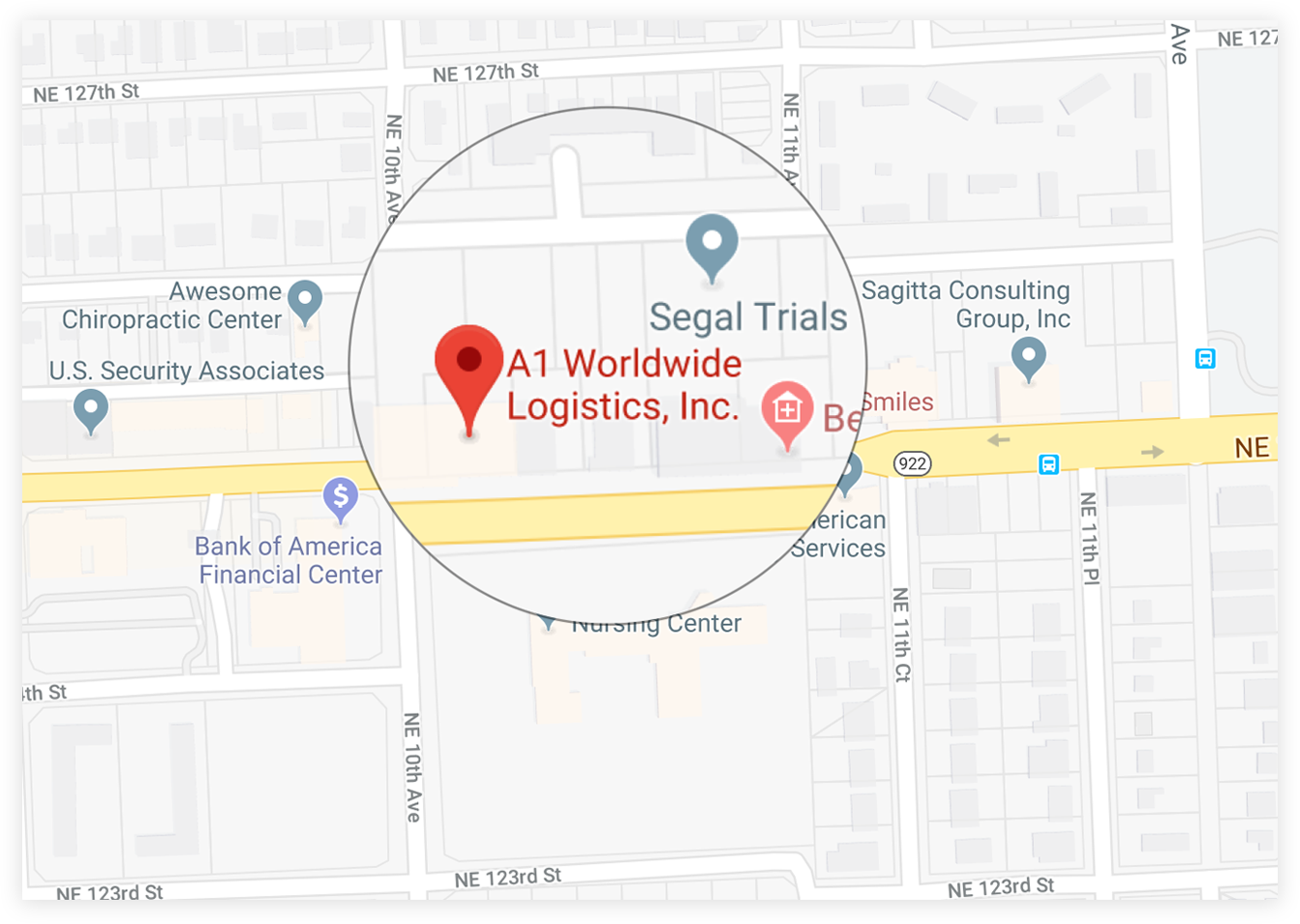
 1035 NE 125th St Suite #320, North Miami, FL 33161.
 a1worldwidelogistics.com
 (305) 821-8995
 Hours: 8AM - 5PM