
by A1 WorldWide Logistics | Apr 28, 2022 | Agricultural imports, Import and Export Experts, Shipping Logistics, Supply Chain
Before importing agricultural products into the United States, you need to be aware of many regulations. Guidelines to import can be extensive; this article will give you a basic understanding of what to expect. Agricultural goods are products derived from animals or crops used for human consumption and sustainability. Some examples include fruits, vegetables, livestock, raw materials, fuel, etc. This article will describe the general process for importing. However, call A1 Worldwide Logistics at 305-821-8995 for a comprehensive explanation.
FDA Requirements for Importing Agricultural Goods
The Food and Drug Administration (FDA) ensures that food and medicine coming into the U.S. meet safety requirements. To begin importing into the U.S., you must register your facility with the FDA. Your “facility” is where the agricultural good was manufactured and packaged before being imported. Failure to register with the FDA may result in civil penalties such as detention holds and fines for your product. After registering, the FDA will assign you an agent to inspect and ensure that your products meet safety requirements. It is also necessary to have all the required permits for importing your goods. Find a customs broker to learn more about the permits and documents needed.
The importer has to send prior notice documents no more than 15 days before the goods arrive at the U.S. Information such as registration number, country of origin, product code, and more should be on the prior notice documents. The FDA also requires that your fruits and vegetables are appropriately labeled before entering the U.S. The types of label formats permissible by the FDA depend on the packaging and type of product. Once the goods arrive at a port of entry, a customs agent will inspect them before being released. The inspection prevents potential threats such as diseases, pests, and other threats from entering the U.S.
USDA Requirements for Importing Agricultural Goods
-

-
Watermelon cargo
-

-
Plantain being processed for import
-

-
Coffee beans in bags. Fresh coffee beans
The U.S. Department of Agriculture (USDA) enforces its regulations for importing agricultural goods as well. The USDA has different rules and services depending on the agricultural cargo imported. For example, the USDA has the Food Safety and Inspection Service (FSIS) for poultry, meat, and egg products. The FSIS makes sure that meat and egg products are safe for import into the U.S. The guidelines depend on the type of import; however, the eligibility depends on the country. The country has to be certified by the FSIS to allow importation into the U.S.
Countries that are certified have a certain number of goods eligible for importation which the FSIS determines using three categories. The three categories are Process Category, Product Category, and Product Group. Goods that are qualified for importation also have labeling and permit requirements based on the product. Similar to FSIS, the USDA also has the National Plant Protection Organization (NPPO), regulating plant importation. The NPPO ensures that the fruits and vegetables imported into the U.S. have the correct permit and certificate.
Once the agricultural goods reach the U.S., the Customs and Border Protection will ensure that you have the correct paperwork filled out. Finally, the imported goods will be moved to an import establishment for inspection before being released. If you need a customs broker to assist with the paperwork, contact A1 Worldwide Logistics at 305-821-8995. Our experts will guide you through the importation process and answer any questions.

by A1 WorldWide Logistics | Apr 21, 2022 | Freight Forwarding, Shipping Logistics, Supply Chain, Technology, Transportation
The transportation industry has seen massive growth and development in freight movement over the last few decades. A recent topic that has become popular in the Transportation and Logistics industries is the usage of 3D printing. Advances in technology lead some to believe that 3D printing may help the industries grow. Others predict that 3D printing can have an opposite effect and interrupt freight movement. This was recently discussed in a virtual session at The Economic Club of New York. One of the topics brought up was the effect that 3D printing may have in the future.
Pros and Cons of 3D Printing
3D printing is a manufacturing process that converts digital data into a three-dimensional image. One of the main benefits of 3D printing is that it will streamline the supply chains of transporting products. The traditional supply chain process involves obtaining, manufacturing, and transporting goods to customers. 3D printing may allow companies to create goods in their location instead of importing the products elsewhere. Manufacturing goods in one’s facility can save money, time, and resources. 3D printing also allows for versatile, complex design due to its method of digital creation.
One of the main disadvantages of 3D printing is the effect that it could have on the freight forwarding/transportation industries. A freight forwarder is an intermediary between shippers and transport companies who coordinate the movement of goods internationally. With companies creating products in their facilities through 3D printing, the need for a freight forwarder becomes lessened. The way that many companies create products today is by outsourcing materials from different countries. Freight forwarders may coordinate the importing of those materials internationally.
What Effect will 3D printing have on the Transportation Industry?
The current supply chain model for manufacturing and moving freight involves many steps. Companies source cheap labor overseas, and then pay to get the goods transported. With 3D printing, a portion of the supply chain could be gone, although any statement suggesting that goods will be made in anyone’s basement are truly exaggerated. Perhaps, in many (many!) years from now, the international movement of goods may be replaced with the international movement of designs and information to create the goods.
3D printing may impact globalization because it is based in the countries’ permanent exchange of goods. With companies creating goods domestically, supply chains could become less dependent on other countries to be effective. A nationwide lockdown or a conflict between two countries may become less of a disruption to a supply chain.
A1 Worldwide Logistics
While 3D printing may impact the future of transportation, it may be a while before 3D printing becomes standard practice. Freight still has to be moved internationally. When moving freight, it is essential to have a freight forwarder that understands the world of international shipping. A1 Worldwide Logistics has experience working with freight transport methods such as ocean, air, and land. Contact us at 305-821-8995 or info@a1wwl.com for a quote to get your goods moving today. We also have customs brokers to arrange the customs clearance process of your imports.
by A1 WorldWide Logistics | Apr 12, 2022 | Freight Forwarding, Shipping Logistics, Supply Chain
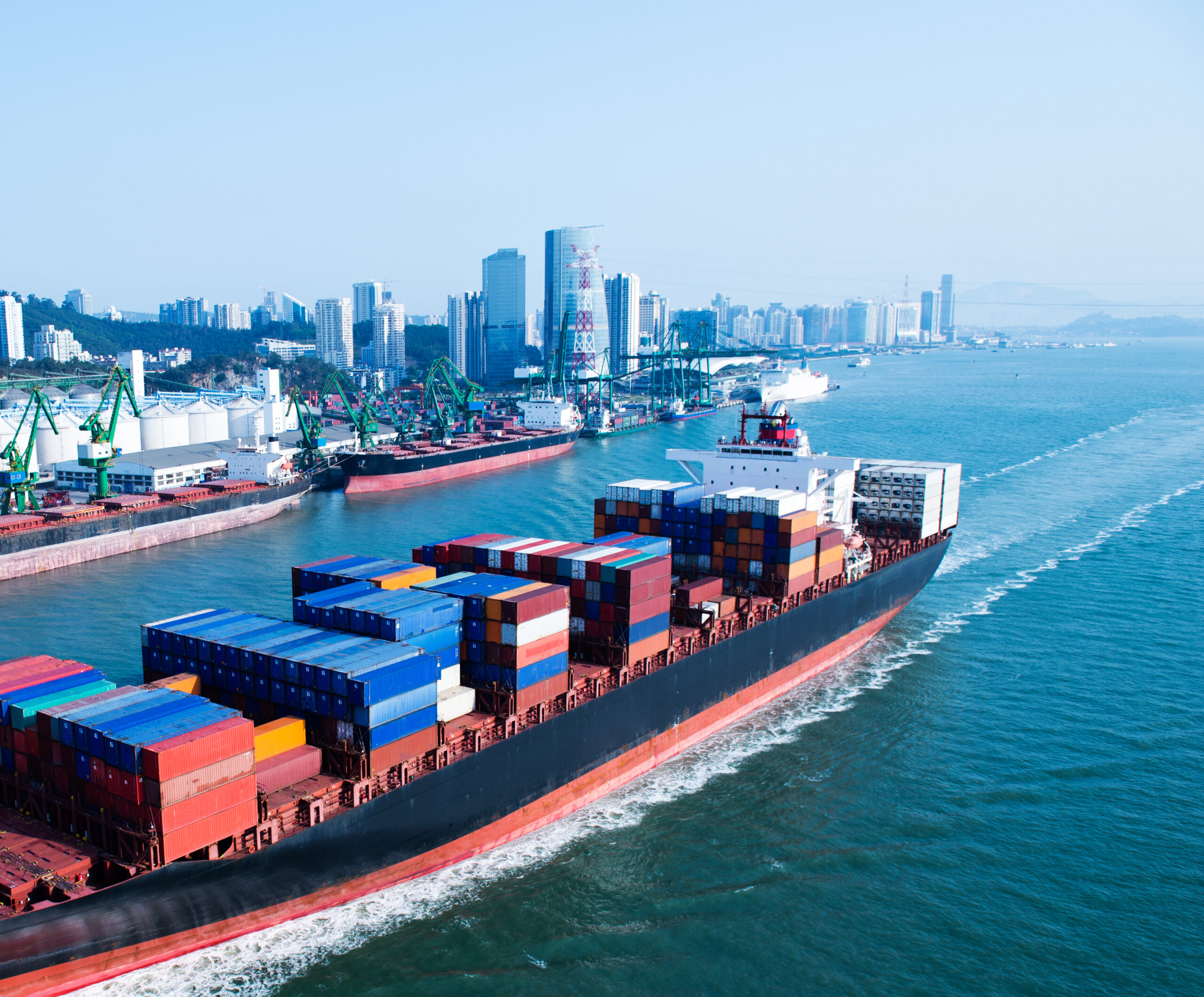
Several districts in China have been on lockdown for the past few weeks due to Covid, and the impact is now being felt on global supply chains. As outbreaks began to surge in Shanghai, the lockdown has lengthened until further notice. This was after an announcement of 16766 positive coronavirus cases on April 5. Even before the lockdowns returned to China in March, many supply chains worldwide struggled to keep up with the overwhelming demand. With some of the world’s biggest ports being shut down, global supply chains may feel more significant stress.
In the past few years, the demand for shipping internationally has risen significantly. After the coronavirus made its way worldwide, ordering goods online instead of driving to a store became more common. When goods are bought online, they tend to be transported from different countries like China. While the number of goods shipped rose, the coronavirus was still present. Limited workers, lockdowns, and other effects of the coronavirus started to show in the supply chains of different companies globally.
How does this impact supply chains
One of the leading exports out of ports like Yantian and Shanghai located in China are electronic products. Manufacturers that create electronic products for large companies like Apple, Tesla, Samsung, and others are being forced to suspend operations. Foxconn, an electronics supplier to Apple, has recently announced that it will pause operations in Shanghai. Since Foxconn is one of Apple’s biggest suppliers, this may lead to product shortages in the next few weeks. The supplier outages will affect the supply chains of Apple and dozens of other electronics companies as well.
Companies have decided to move their manufacturing facilities away from lockdown zones to keep supply chains going during the current lockdown. However, the goods still have to be transported to the ports by truck. Not only are several highways shut down in the lockdown zones, but truck drivers also have to test negative for Covid a certain period before bringing containers to the ports.
Not only will the lockdowns affect production, but the shipping of the products as well. Because many ports in China are shut down, shipping orders can become delayed. China has some of the most prominent ports in the shipping world and many orders may be backlogged. This could mean that ports in Europe and the United States will increase inbounding cargo in the near future, further growing congestion in those ports. The ports in the Los Angeles area saw their fair share of issues last year. From equipment shortage to the backlog of vessels stuck at the ports, the lockdowns in China may prolong the challenges.
A1 Worldwide Logistics
Although different supply chains may be strained at the moment, the world of shipping is continuing. Freight is still being moved internationally. However, much greater precautions than usual may have to be taken when transporting goods. You must be informed of what to expect. If you need assistance with any part of your supply chain, contact A1 Worldwide Logistics at 305-821-8995. Our services include international shipping, customs clearance, trucking, warehousing, etc.
by Rob Simmons | Oct 18, 2021 | Shipping Logistics, Supply Chain
Worldwide shipping costs continue to rise and companies are now looking at ways to optimize their supply chain logistics to protect against these costs.
Why are Shipping Costs Rising
Different reasons such as e-commerce demand, port congestion, and containers shortages are leading to a rise in freight costs. The coronavirus pandemic created a reliance on e-commerce which created a demand for freight to be shipped internationally. With an increase in global shipments, the capacity for different types of shipments became tight. Conveyances such as air shipping, ocean shipping, and even trucking experience an increase in volume. This led to carriers increasing their costs for space.
The shipping price for ocean containers rose drastically over this year. The global average to ship a 40ft container rose to over $8000 this year alone. This is more than 4 times the amount it was last year. There has also been a shortage in container production, adding to the increase in container costs. Companies and retailers that move goods globally are becoming more aware of the transportation costs and are adjusting the logistics of their supply chains to prepare. Here we will explain how companies are lowering their supply chain costs.
How are Companies Optimizing Their Supply Chains
Having Enough Inventory – With a large amount of congestion currently present in ports around the world, retailers are preparing their supply chains beforehand. The backlogs in seaports mean that freight ordered right now could take weeks longer to get to the customer compared to if the freight was ordered a few months ago. The inventory may have to be ordered in advance and be core products. These are products that are the most popular with the customers and tend to run out the inventory the quickest.
Bringing Fewer Products into the Market – Instead of introducing new products into the market, companies are having a greater focus on current core products. This can help increase revenue while lowering costs. The profit that may come from a new product may be less than the potential profit generated from an existing core popular product. Also, the supply chain expenses that go towards launching that product may be high.
Revising Contracts – Certain companies are negotiating with their shippers to change the terms of their contracts. This could mean changing the contract to ship only a certain volume of freight at a time to benefit the company. Negotiating contracts may be harder to do if the shipper is a larger company like FedEx.
Understanding your Various Costs – Since supply chains are usually different pieces working together there can be different costs involved. This can range from production costs to investment costs and even transportation costs. Companies are looking at their budgets and analyzing where their expenses are going in their supply chains. Unnecessary expenses can be cut and used for other means.
A1 Worldwide Logistics
Rising shipping costs may seem alarming to companies and individuals planning to move their freight globally. However, knowing what to expect is essential in protecting you or your companies supply chain when shipping. Hiring a good freight forwarder is a way to do so. A freight forwarder is an agent that coordinates the shipment of goods from point A to point Z. Forwarders help clients understand the shipping industry and moves the freight for them. If you are planning to move goods or need help with the logistics of any part of your company’s supply chain, contact us at a1wwl.com. Our trained forwarders are here to guide you through the entire shipping process until it reaches the final destination.

by Rob Simmons | Oct 7, 2021 | Air Freight, Supply Chain
A recent trend that many companies have been concentrating on is the effect of air freight carrier emissions on eco-friendly supply chains. The global shipping company, FedEx announced in 2011 that they planned on cutting carbon dioxide emissions by 30% compared to an amount in 2005. Because of the increasing demand for e-commerce in the last few years, emissions were reduced by 27% instead of 30%. The demand made it that FedEx was forced to keep their older carbon dioxide-emitting aircraft in service.
Shippers who aspire to make their supply chains more sustainable may be faced with a dilemma from shipping their goods by air. While aircraft are a convenient way to move freight globally, they tend to be the hardest to reduce in terms of carbon dioxide emissions. This is because they produce a large amount of energy and require large amounts of gasoline compared to other means of transport such as trucks. Also, it may be decades before large, freight caring air carriers could be converted into fully electric.
Air Carriers are Important in Supply Chains
The past few decades have seen a growing reliance on air carriers to transport goods globally. Recently, the coronavirus pandemic put an even greater spotlight on the necessity of moving freight by air. Many goods such as vaccines and other essential equipment were needed to be transported with urgency. Even before the pandemic, shipping by air was a convenient transportation method for supply chains because of how rapidly the freight was moved. There has been the question asked if shippers planning to make their supply chains more environmentally friendly will stop using aircraft as a means of transport. However, this may not be the case because of how significant air freight carriers are in too many supply chains.
The Future of Air Freight Carriers
Although the reliance on air carriers to move freight may not end anytime soon, the aircraft may evolve to be more eco-friendly. Although it may be a long time before large aircraft become completely electric, smaller electric aircraft are already being created. DHL Express recently revealed that they ordered 12 small-sized aircraft to deliver freight. They are planned to deliver in small-scale distances across the U.S. It could be possible that electric airplane batteries may evolve similarly to how quickly our phone batteries evolved. Airplane batteries may soon be developed to power larger air crafts.
Companies are also finding alternative methods to reduce the carbon footprint of their supply chains. One of the ways is by sourcing the goods with more proximity to the client. This may mean a closer country or even the same country. The result can be reducing the carbon dioxide emissions in a supply chain by a certain amount and on a large scale, that amount may be immense.
Another solution that shippers are moving towards is using more sustainable aviation fuels. Sustainable aviation fuels or SAF’s are more eco-friendly alternatives to fossil fuels such as fuel from waste products, cooking oil, and plant oils. This type of fuel can reduce carbon dioxide emissions by over 75%. The issue is that there may not be enough of this type of fuel available for use. Because of this, the price for carriers to use SAFs is expensive compared to regular fossil fuels.
A1 Worldwide Logistics
Plan on having goods shipped internationally and need help with the process for doing so, feel free to reach out to us at A1 Worldwide Logistics. We provide various services that are tailored to your supply chain goals. Not only do we assist with your supply chains, but we also provide transparency in every part of your supply chain. This way you can have confidence in knowing that your goods will reach their final destination efficiently. Contact us at 305-821-8995 to find out about the many services we offer for your supply chain needs.
by Rob Simmons | Sep 21, 2021 | Freight Forwarding, Supply Chain, Transportation
CMA CGM, one of the biggest ocean freight movers recently announced its plan to freeze its rising spot rates through February 1st, 2022. This may come as a surprise to the freight shipping industry with the cost to ship containers recently reaching unprecedented heights globally. Drewry’s World Container Index recently reported that its spot rates have increased for 21 straight weeks. The demand to move freight internationally has exceeded the available capacity to do so. With the holiday season quickly approaching, the upcoming months may see rates soar even further.
The Effect may have on the CMA CGM and the Shipper
Rising spot rates for moving freight have led to record levels of profit for carriers. This may be the reason why it is such a big surprise to many that CMA CGM has halted its rising spot rates. Some shippers believe that the reasoning behind putting a cap on the spot rates is due to the little space that the ocean carrier has to move freight. There is a belief that CMA CGM Is almost fully booked for the next few months. This also may mean that the company may be trying to reserve vessel space for long-term contract customers.
It is important to distinguish the difference between contract and spot customers. Contractual customers tend larger to be companies that have stronger preexisting relationships with the carriers. Spot customers may be smaller customers that look for the best deals to move freight. CMA CGM capping its spot rates may give contractual customers more leverage because of their established long-term relationship with the carrier. With the limited capacity in the current market, the carrier has to prioritize who gets vessel space.
With the current freight shipping market already strained, CMA CGM may be seeking to focus on their current customer relationships. The company has also previously released a statement that in the past 15 months, the company has added over 780,000 TEUs. This means that CMA CGM’s capacity to move freight has increased over 10% since the start of 2020.
Can This Be a Positive Sign for the Freight Shipping Market
Many different factors have resulted in rising spot rates in the freight shipping market over the past year. From lack of capacity on carriers to congestion in many ports globally, each situation has worked together to have an unfavorable impact on the shipping industry. The COVID-19 pandemic also limited the number of available port workers and created a backlog of incoming freight. It was reported in late August that the total number of container-carrying vessels anchored at the port of Los Angeles was close to 5 times the amount pre-COVID.
While there are those that believe that the pausing of the rising freight rates could be due to minimal space, others may see it as a positive sign of things to come. CMA CGM may be predicting a return to normalcy with the freight shipping market returning to pre-COVID levels. Only time will tell if other carriers follow the trend and stop or even lower their rising spot freight rates.
A1 Worldwide Logistics
Planning on moving freight globally and need help with the logistics behind doing so? We at A1 Worldwide Logistics provide many services to make sure that your freight reaches its intended destination swiftly and securely. Contact us at 305-821-8995 or email us at info@a1wwl.com for a quote to ship your goods internationally. We also have customs brokers to assist in making sure that your shipment meets federal obligations.

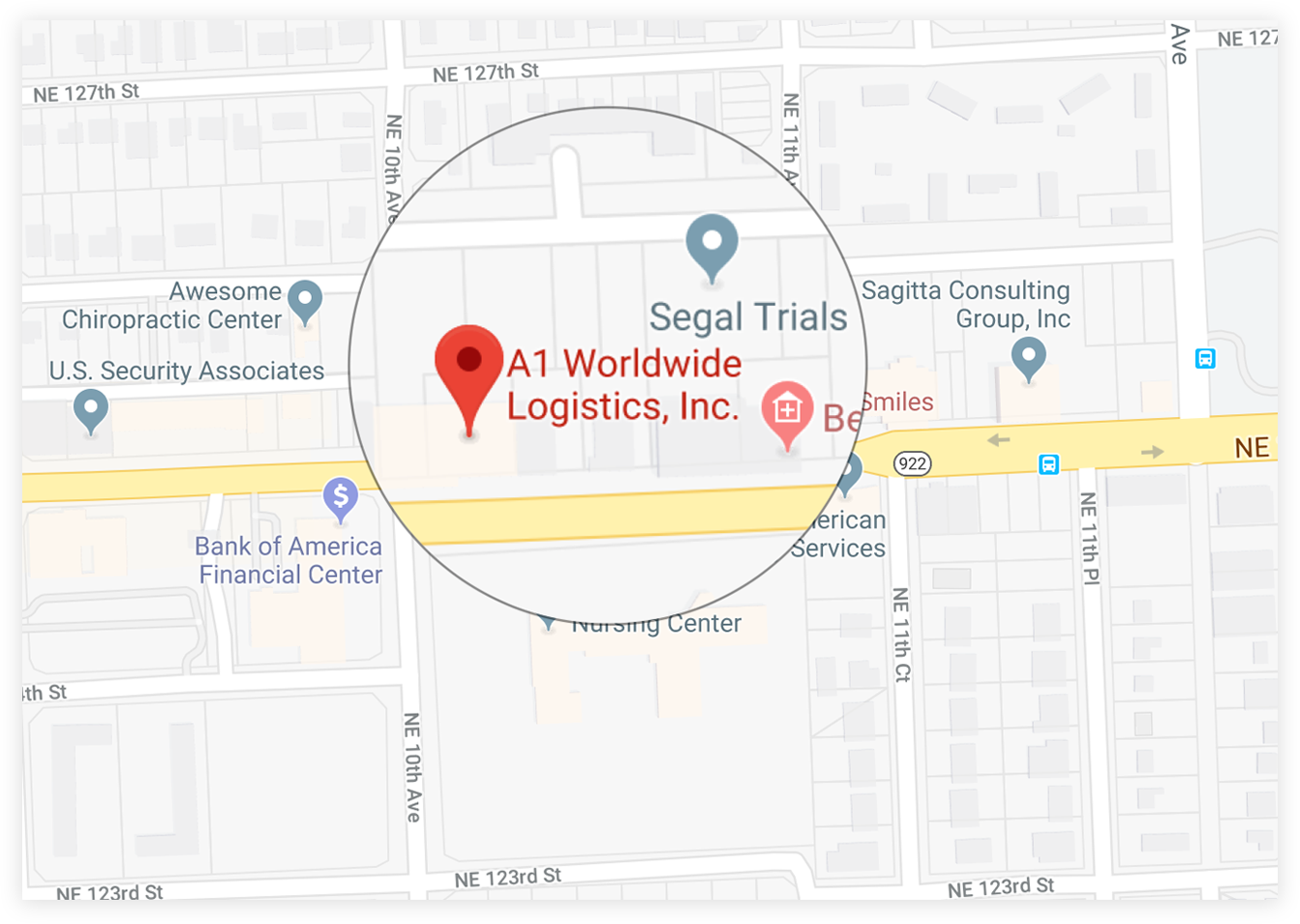
 1035 NE 125th St Suite #320, North Miami, FL 33161.
 a1worldwidelogistics.com
 (305) 821-8995
 Hours: 8AM - 5PM