China hit a $1 trillion trade surplus for the first time on December 8. Over the last 11 months of 2025, China’s surplus reached $1.08 trillion, beating 2024’s $992 billion amount. A trade surplus is the value of how much a country exports that exceeds its imports. In 2025, China’s exports rose to nearly $3.4 trillion while its imports declined to $2.3 trillion. Exports from China rose almost 5.9% year-over-year in November alone, while imports grew about 1.9%. The $1 trillion figure is also significant, given the ongoing trade war between China and the US. With China exporting less cargo to the US, the resulting surplus could significantly impact international shipping.
How Did China Hit A $1 Trillion Trade Surplus?
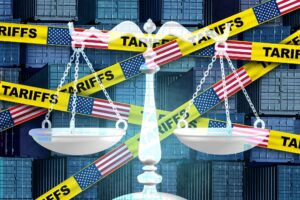
When President Trump returned to office, the trade war between the US and China escalated. Tariffs imposed by both countries soon rose above 100% until they reached a trade deal. The surplus stems from the actions China took following Trump’s 2024 election victory. Soon after the election, as Trump began imposing tariffs, China started diversifying its exports away from the US. Exports from China shifted to the European Union, Latin America, Africa, Southeast Asia, and other regions. To guard against US tariffs, Chinese companies also established new manufacturing hubs in countries outside China. Many of these hubs manufactured high-tech goods, such as electronics and semiconductors, which contributed to China’s export surge.
Other exports, such as electric vehicles, to countries like Germany and Japan also contributed to the surge. As exports to other countries increased, shipments to China’s largest trading partner, the US, declined. In November, exports to the US fell nearly 28.6%, marking the eighth consecutive month of double-digit declines. Many of the goods Chinese exporters imported into the US were shipped by manufacturers outside China. Another cause of the surplus is that the Chinese yuan is cheaper than that of many trading partners. In turn, this makes Chinese products more affordable to produce and more attractive for customers in other countries.
What Can This Mean For International Shipping?
As China continues to grow as the world’s largest exporter, the effects could soon be felt on international shipping. As the country becomes more attractive to global importers, it could exert greater influence on global pricing and product availability. There is also concern that China’s export surge could exacerbate trade tensions between the US and other countries. Countries that import from China may begin imposing their own tariffs and trade restrictions on Chinese goods. For shippers, this can mean rising import costs, which could be passed on to various parts of the supply chain, including domestic shipping and customers. Many economists also believe that China’s firm reliance on exports could be unsustainable in the long run.
As the international shipping industry continues to evolve, it can be both positive and negative for shippers. Importers unfamiliar with regulations or the shipping process may experience disruptions, including delays. To prevent disruptions, it is advisable to consult a customs broker when starting. Customs brokers are licensed professionals, like individuals or corporations, who facilitate the importation of cargo through a country’s borders. In the US, brokers ensure compliance with CBP (Customs and Border Protection) by offering a range of solutions for shippers. Some of these services include calculating duties, providing documentation, filing entries, offering consultations, and more. Contact our brokers at info@a1wwl.com or 305-425-9456 to ensure a successful importation process.