In a Landmark decision, the Supreme Court ruled against Trump’s tariffs imposed under the International Emergency Powers Act (IEEPA).


In a Landmark decision, the Supreme Court ruled against Trump’s tariffs imposed under the International Emergency Powers Act (IEEPA).

Nuevos aranceles y ajustes comerciales están impulsando a los importadores a diversificar sus proveedores, con países como Perú y Colombia ganando protagonismo. Adaptar la cadena de suministro es clave para mantener costos y estabilidad.
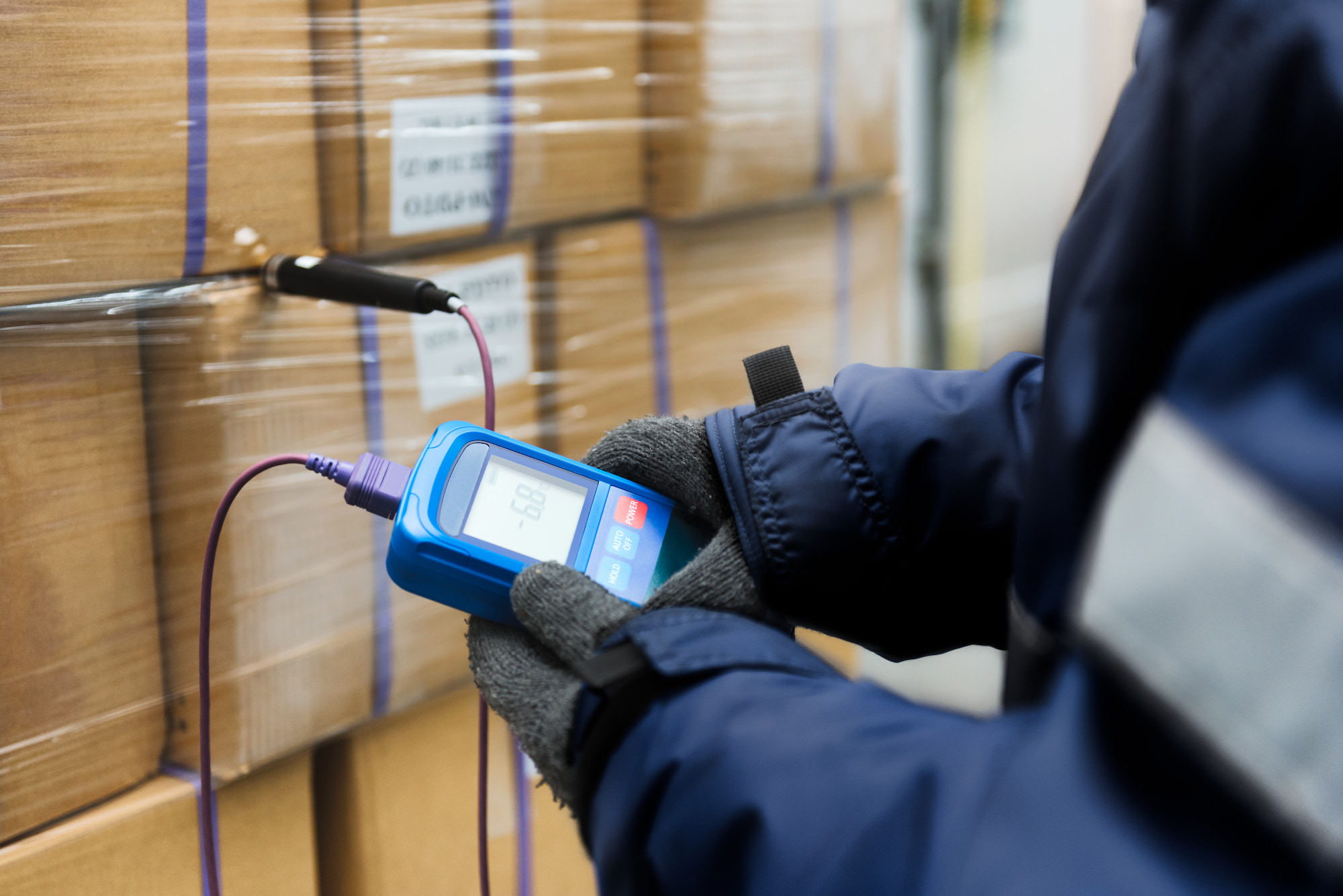
An essential consideration a shipper should make when moving temperature-sensitive cargo is understanding cold chain shipping logistics. A cold chain is a supply chain for transporting freight that has to remain under a specific temperature to prevent damage. These goods include perishable foods, beverages, pharmaceuticals, flowers, chemicals, cosmetics, etc. The process has the parts of a regular supply chain, like transportation and warehousing, but the temperature must remain constant. Cold chains have existed for hundreds of years, but technological advancements helped streamline the potential for more capabilities. While this article will focus on moving shipments internationally, the cold chain can also include domestic cargo transport.
There can be various challenges and things that shippers should be aware of when starting a cold chain. This is due to the numerous components involved in the process. A common challenge is that the cargo has to remain at the same temperature throughout the journey. Even a tiny decimal point fluctuation in temperature can result in spoilage. Fluctuations can be the result of human error or equipment failure. Another challenge is that there are multiple standards and regulations that shippers have to adhere to in a cold chain. Regulators like the Federal Drug and Food Administration (FDA), the Department of Transportation (DOT), the International Air Transport Association, and U.S. Customs set the requirements.
Some regularity requirements include packaging, product stability, temperature transportation, and more. A lack of proper documentation is another issue that the shipper should be aware of. Depending on the type of shipment, the shipper must document data like storage temperature and conditions to prevent errors. Documents also include the paperwork needed for import and export. Failure to provide the correct papers can lead to delays in the shipping process due to holdups at customs. Delays are unfavorable for cold chains, with technologies like dry ice being temperature-sensitive.
The cold chain process starts long before the cargo leaves the location of origin. Before exportation, the cargo may be stored in a warehouse facility at the correct temperature to prevent spoilage. The same rule applies to the packaging, which should maintain the quality and prevent contamination before going on the carrier. Refrigerants can include dry ice, gel packs, EPS (expanded polystyrene) panels, and more. Shippers can use various methods of conveyance, like ships, airplanes, and trucks, to move the shipment. However, the transportation method has temperature-controlled systems. Examples include reefers (refrigerated containers) that keep the goods at the correct coldness during the journey.
When the cargo enters the destination port, the paperwork must be correct to prevent holdups. Once customs releases the shipment, a carrier delivers it to a warehouse or another location at the appropriate temperature. Despite the multiple components involved with transporting cold cargo, there can be numerous benefits for businesses and individual shippers. You can ensure the success of your cold chain by starting with the help of a 3PL (Third-party logistics) provider. 3PLs handle various parts of a supply chain, such as transporting, warehousing, and brokering, on behalf of the shipper. Contact A1 Worldwide Logistics at 305-821-8995 or info@a1wwl.com to speak to a 3PL provider regarding your cargo shipment.
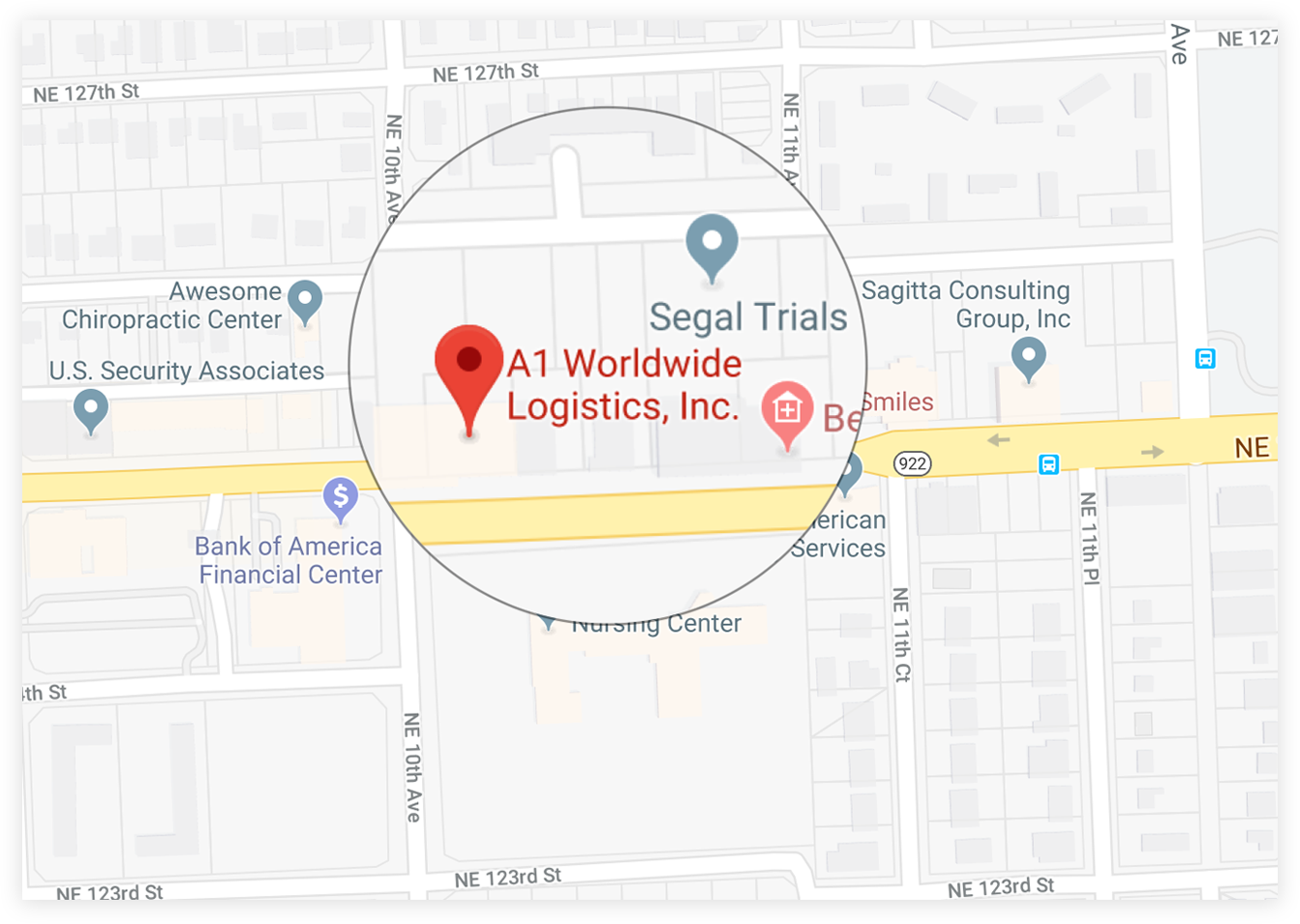
 1035 NE 125th St Suite #320, North Miami, FL 33161.
 a1worldwidelogistics.com
 (305) 821-8995
 Hours: 8AM - 5PM