How To Import During Tariff Hikes
Share Article in Social Media
As tariffs continue to impact the international shipping industry, it is essential to know how to import during tariff hikes. Over the last few months, President Trump has imposed, announced, and paused numerous tariffs for imports into the U.S. Some goods affected include automobiles, aluminum, and oil, along with country-specific tariffs for Canada, Mexico, and China. Trump also imposed a 10% baseline tariff on April 2 for all countries importing goods to the U.S. Due to the volume of goods that come into the U.S., the tariffs have already impacted countless supply chains. This article will explain what to expect and give ideal steps to prepare when importing during tariff hikes.
Why Is It Important To Know How To Import During Tariff Hikes?
Knowing how to import during higher tariffs is crucial because of the consequences of not being prepared. The most significant impact of tariff hikes is that overall costs could skyrocket for different parts of a supply chain. In addition to importation, this can also include domestic shipping to move the goods to the final destination. As a result, a shipper’s profit margin can significantly decrease. If the shipper has customers, the higher costs will fall on them, which could strain relationships. Understanding how to import is also necessary to make an informed decision regarding your shipment.
How Should You Prepare?
Before deciding to import, a shipper must know the importation process for bringing goods to the U.S. Not knowing can lead to extra costs and tariff hikes. This can include understanding the rules and regulations for your imported cargo. A shipper must also understand the documents that they may require for importation. Some examples are the bill of lading, packing list, certificate of origin, arrival notice, commercial invoice, etc. The importer must correctly fill out the paperwork to avoid the cargo staying at customs and extra charges. With Trump implementing various tariffs, it is increasingly vital to classify goods correctly under the HTS (Harmonized Tariff Schedule).
The HTS is a system for classifying goods that use codes to determine the correct tariffs. Shippers have found other ways to prepare for tariff hikes, such as importing from different countries. An example is importing from Vietnam or Thailand instead of China, which has higher tariffs. Many supply chains are even reshoring production back to the U.S. to avoid the tariff hikes. There could be other issues with reshoring, including the costs associated with moving manufacturing. Shippers must also stay updated with news regarding the changing tariffs by checking news reports or online articles.
A1 Worldwide Logistics
When importing during tariff hikes, it is increasingly essential that you take the proper steps to protect your shipment. Failure to prepare can result in monetary loss and even loss of cargo. It can be especially adverse if the importer has customers expecting the goods. Another way to prepare is by contacting a 3PL (Third-Party Logistics) provider like A1 Worldwide Logistics. 3PLs provide various supply chain logistics services, including international and domestic shipping, customs clearance, warehousing, and more. They also educate shippers on the best course of action to take to avoid disruptions like tariffs. Reach A1 Worldwide Logistics at info@a1wwl.com or 305-425-9752 to learn about our solutions for ensuring your shipment’s success.


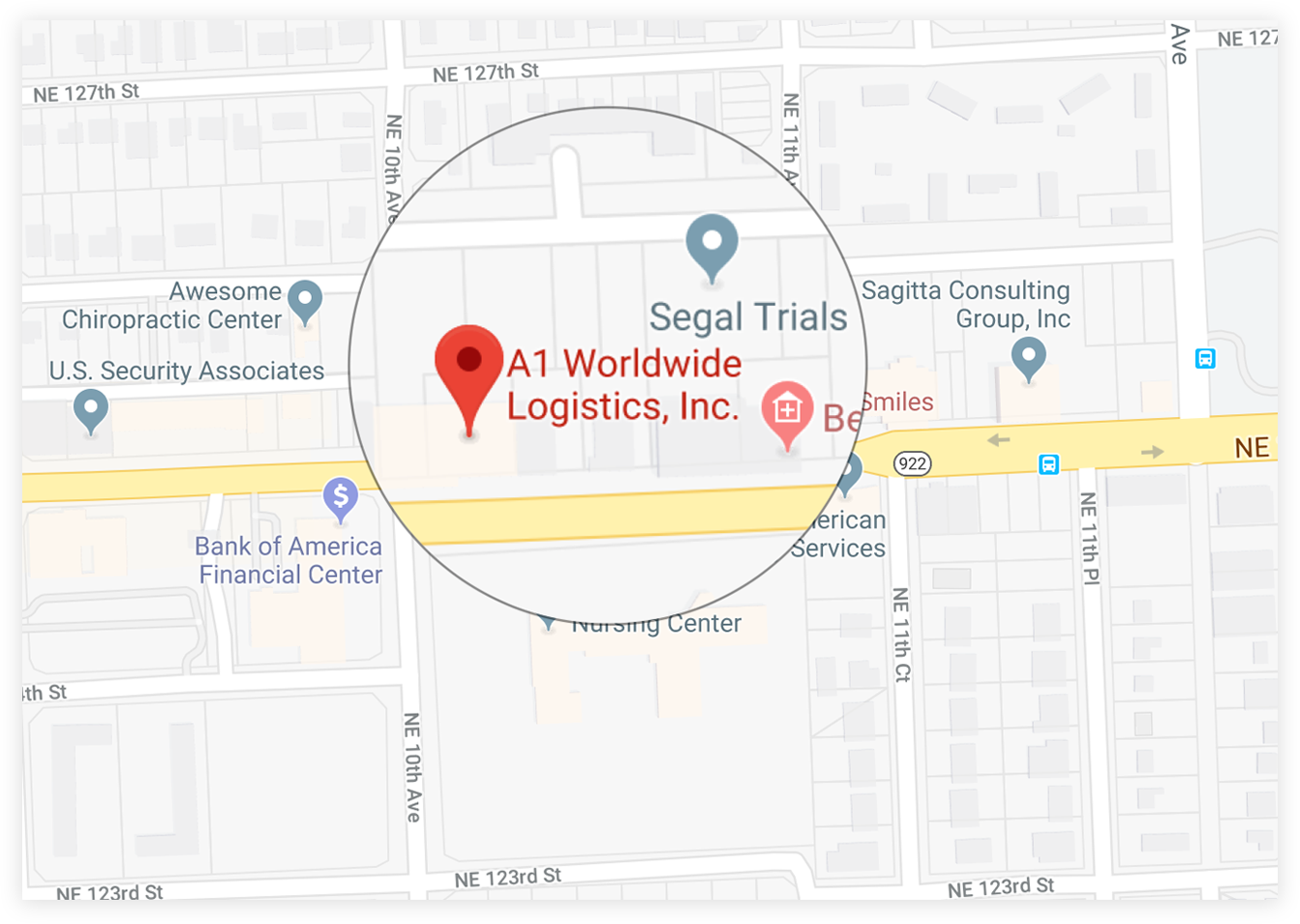
 1035 NE 125th St Suite #320, North Miami, FL 33161.
 a1worldwidelogistics.com
 (305) 821-8995
 Hours: 8AM - 5PM