Israel Conflict Affecting Shipping
Share Article in Social Media
International freight exporters and exporters may have to take caution soon with the Israel conflict affecting shipping in various ways. The Israel-Hamas war has intensified over the last week, and the maritime industry is now monitoring the situation. While shippers have not felt significant effects on international cargo movement, analysts believe this could change if the conflict continues. Israel is a significant importer/exporter of different commodities for countries like China, the U.S., and Switzerland. With Israel being a critical trade region, this war may impact numerous supply chains. This article will explain how the situation will affect container, gas, and oil shipping markets.
How Will The Israel Conflict Affecting Shipping?
While container shipping has yet to see the effects, that can change if the war expands beyond the country’s borders. Two critical locations for global freight movement are nearby: the Suez Canal and the Strait of Hormuz. The Suez Canal is a crucial waterway for container carriers connecting the Mediterranean and Red seas. The Strait of Hormuz is a pivotal oil and gas shipping channel connecting the Persian Gulf to the Gulf of Oman. One of the main predictions if the conflict expands is that delays and bottlenecks will grow.
Shippers that need to move shipments internationally use these waterways as shortcuts. Having to reroute can result in longer delivery times and higher shipping rates. Another effect is that imports/exports to and from Israel will reduce. Various regional ports are experiencing closure and cancellations, also leading to traffic. An indirect consequence affecting container and dry bulk shipping is the global economy. The continuing war can damage the economy, affecting the costs and amount of freight shippers move.
Crude Oil, LNG, And LPG Shipping
Crude oil and gas shipping could have a more substantial impact from the war than container transport. The greatest prediction is that crude oil, LPG, and LNG rates will rise rapidly. A reason is due to the significance of the Strait of Hormuz. Nearly 20% of the world’s oil supply flows through this waterway. It Is also impossible to navigate without creating disruption compared to the Suez Canal. If the conflict expands to nearby regions, the straight will close, and shipments will backlog.
Since there is a sizable demand to ship oil and gas internationally, a stop can negatively affect supply chains. An increase in petroleum prices can result in higher operational costs for carriers, increasing customer costs. Markets are already reacting, with futures for crude oil rising 5.5% from last Thursday to Friday. Crude oil LNG and LPG rates felt a similar trend during COVID-19 and Russia’s invasion of Ukraine.
What Can I Do To Prevent Supply Chain Disruptions?
It may be too soon to determine the impact of the Israel-Hamas conflict on cargo movement. While alarming, this situation should not stop you from moving your goods. However, you should take necessary precautions to prevent supply chain disruptions and delays. Contact A1 Worldwide Logistics at 305-821-8995 for assistance with your supply chain needs. We help you navigate the world of international shipping by offering services like freight forwarding and customs clearance. We also inform you what to expect and provide solutions to ensure the logistics process goes smoothly.



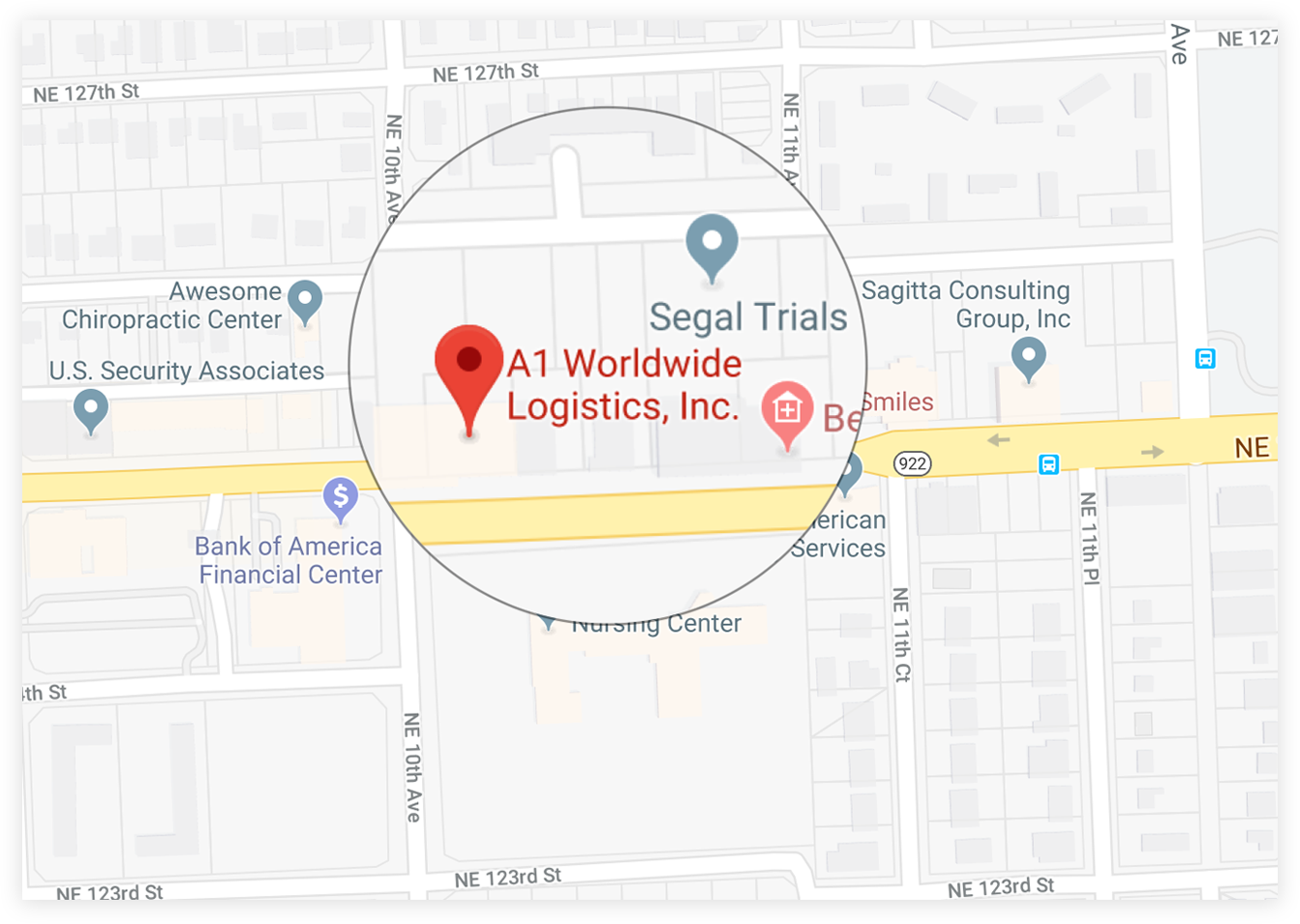
 1035 NE 125th St Suite #320, North Miami, FL 33161.
 a1worldwidelogistics.com
 (305) 821-8995
 Hours: 8AM - 5PM