In a Landmark decision, the Supreme Court ruled against Trump’s tariffs imposed under the International Emergency Powers Act (IEEPA).

In a Landmark decision, the Supreme Court ruled against Trump’s tariffs imposed under the International Emergency Powers Act (IEEPA).
Exportar desde Estados Unidos ofrece acceso a mercados globales y grandes oportunidades de crecimiento. Sin embargo, el proceso también implica desafíos importantes que pueden afectar tanto a exportadores nuevos como experimentados. La falta de preparación puede generar retrasos, costos adicionales e incluso la pérdida de la carga.

In shipping, words such as NVOCC and Freight Forwarders continuously pop up. For shippers beginning their exporting/importing journey, this could be the first time seeing these terms. While forwarders and NVOCC are commonly mistaken to be the same, they are different services. Knowing how they differ is ideal for choosing the best option to streamline your supply chain. This article will help you understand the difference between the two terminologies and describe the pros and cons of each. For a more in-depth explanation, contact A1 Worldwide Logistics at 305-425-9456. We have freight forwarding services with various means of conveyance for transporting cargo.
NVOCC, or Non-Vessel Operating Common Carrier, is an ocean carrier that moves cargo without owning a vessel. This is accomplished by paying steamship lines to lease container space, making them the “carrier.” The NVOCC then sells the space to shippers that want to ship their goods. Despite not operating a containership, NVOCC accomplishes all the functions and responsibilities that a regular carrier would. The two parties enter a contract where the NVOCC issues its own HBL (House Bill of Lading). Companies use this transporter type because of the personalized attention to customers compared to larger carriers.
Other functions of NVOCC can include:
Freight forwarders are supply chain specialists focusing on moving a shipper’s cargo. Forwarders are intermediaries between the cargo’s shipper and the good’s final destination. They are valuable players in logistics because of the number of services they offer. Although freight forwarders usually are not carriers, they coordinate with a network of transporters to move goods. The methods of conveyance can include vessels, planes, trucks, and rail. Since there are many steps in the shipping journey, they assist by taking the process off the shipper’s hands. Specific forwarders also offer customs clearance services for shipments entering a country.
Along with the services mentioned, freight forwarders also:
While NVOCCs and freight forwarders both have their benefits, the answer depends on the shipment being made by the shipper. The most significant distinction is that NVOCCs are only for maritime shipping, while forwarders move cargo differently. If a business moves goods by the ocean, NVOCCs can provide personalized services and help shippers avoid the intermediary fee. This is because they are independent carriers instead of agents. Forwarders benefit from allowing different ways to transport goods. Businesses with international supply chains can take advantage of having their entire freight journey handled. Forwarders also have extra services not provided by NVOCCs, such as warehousing and customs clearance.
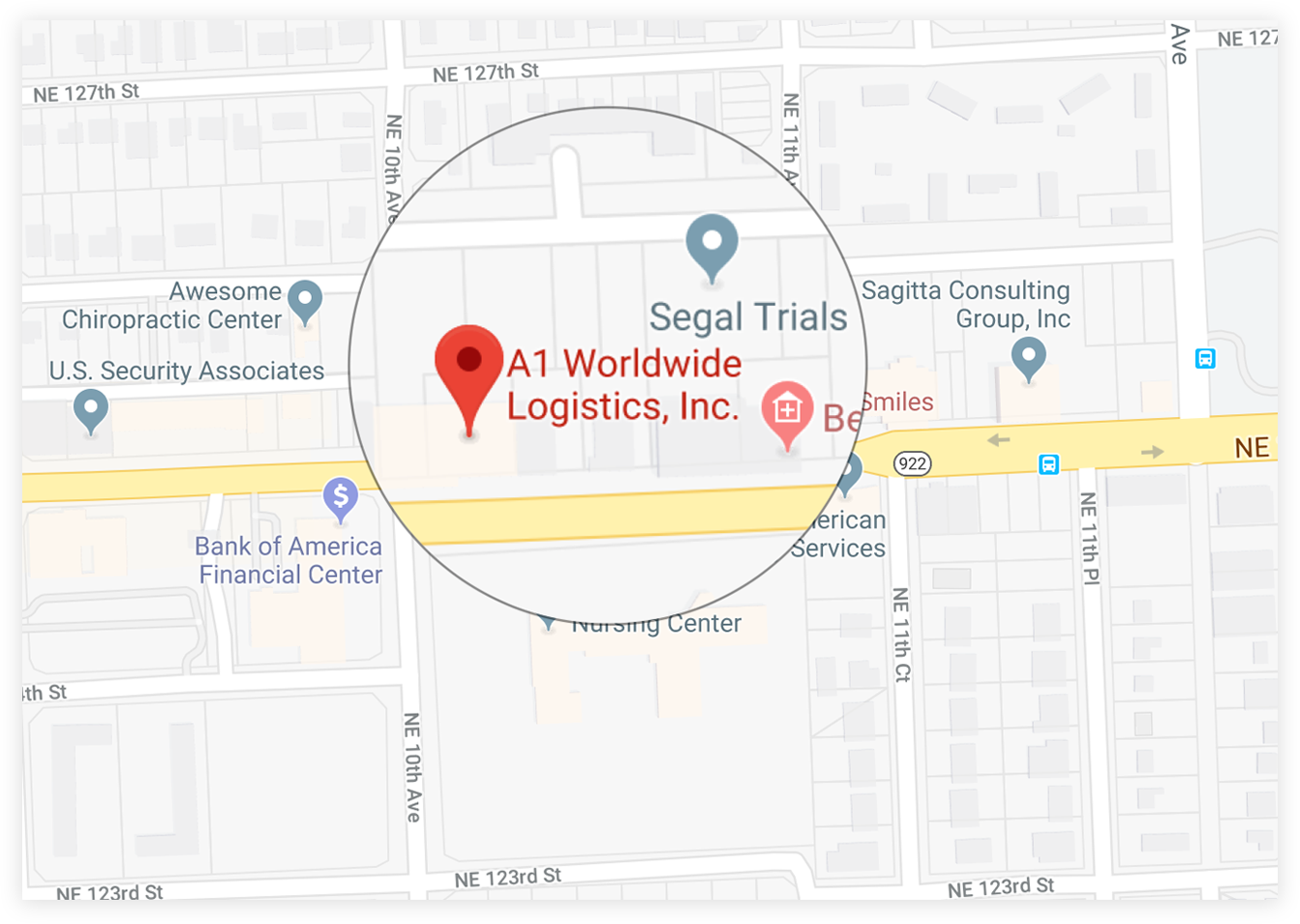
 1035 NE 125th St Suite #320, North Miami, FL 33161.
 a1worldwidelogistics.com
 (305) 821-8995
 Hours: 8AM - 5PM