The Chinese New Year isn’t just a celebration — it’s a major moment for global supply chains 🌏🚢 With factories and families celebrate, international shipping can slow dramatically.


The Chinese New Year isn’t just a celebration — it’s a major moment for global supply chains 🌏🚢 With factories and families celebrate, international shipping can slow dramatically.
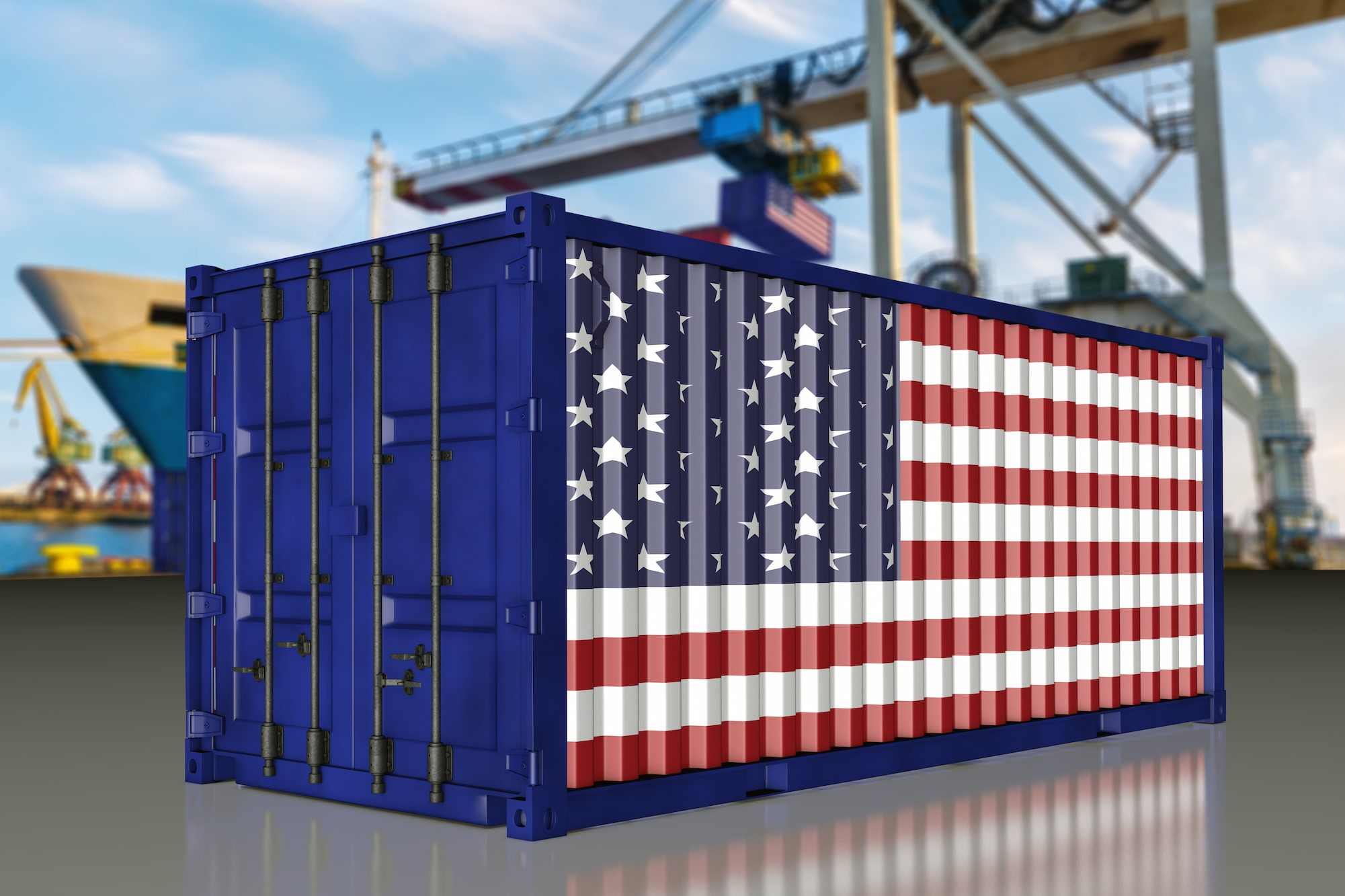
Exportar desde Estados Unidos ofrece acceso a mercados globales y grandes oportunidades de crecimiento. Sin embargo, el proceso también implica desafíos importantes que pueden afectar tanto a exportadores nuevos como experimentados. La falta de preparación puede generar retrasos, costos adicionales e incluso la pérdida de la carga.

Regular LTL (Less Than Load) and FTL (Full Truck Load) may come up in the conversation when transferring freight by truck but what tends to be discussed less is moving mid-sized freight. This can be thought of as the freight with the shipping size between common LTL and FTL. More than 5 pallets of freight or a linear size between 10-28 feet could be an example of this. The main type of mid-size freight shipments is PTL (partial truckload) and Volume LTL (volume-less than truckload).
Volume LTL’s can be described as a freight shipment that is six or more pallets that weigh over 5,000lbs and does not fill a full truck. Partial truckloads are similar in the aspect that they are not an FTL but there are some differences. Partial truckloads also do not need a freight class. A freight class is a systematized method to determine freight rates for LTL shipments. The delivery times also may be different. With partial truckload, the truck delivers the freight straight to the receiver. Volume LTL typically follows a network designated by a carrier so it may not be a straight delivery.
What Are Some Drawbacks?
When shipping mid-sized freight there may be some downsides for both volume LTL and PTLs that you should be aware of. Although partial truckloads may deliver straight to the receiver, they may also have to pass through consolidation facilities. This could mean that additional stops. These stops can create more time for delivery may not be ideal if you want your freight as soon as possible. The truck driver also may not begin the journey to deliver the freight until the trailer is fully packed.
Similar to PTLs, volume LTLs also may have slowed delivery times due to the multiple stops. Volume LTL stops at various terminals on their journey where they are unloaded and loaded with other shipments. Not only may this slow down speeds, but this amount of handling may also increase the chances of freight getting damaged. As previously mentioned, volume LTLs have a freight classification system to control pricing. Although this system was designed to clarify freight shipping rates, it may also complicate them as well. Without proper research, shippers may charge more than the correct amount for freight rates.
The method of the classification system is that you pick a number between 50-500 and that number will determine how you calculate freight rates. Incorrect calculations can occur and may not be favorable for the customer. Another drawback is that the liability if freight is damaged or lost is very limited. This is because volume LTL is only a dollar per pound. This means that if something expensive like jewelry gets damaged, the shipper may lose large amounts of capital.
Shared Truckloads
A method to move midsized freight without having to deal with some of the drawbacks can be by shipping STL (shared truckload). A shared truckload is when instead of only having one shipper’s freight on a truck, multiple shippers combine their shipments to one truckload. This can be beneficial to both the shipper and the carrier. For the shipper, STLs lower the chances of damage and speeds the delivery process. Similar to FTLs, STLs deliver directly to their appointed destination without having to go through terminals and hubs. This means that the delivery is streamlined, and freight may not be damaged by handling when going through hubs.
The benefit of not having to stop through hubs to unload and load is also beneficial for companies that want to quicken their supply chain. and Money can also be saved with STLs because shippers only pay for their occupied truck space. STL may also be beneficial to the environment. With freight being shared in a truckload, the number of trucks delivering freight decreases. With fewer trucks on the roads and highways, less gas is released into the atmosphere.
A1 Worldwide Logistics.
When freight is shipped globally, people may tend to focus on getting their freight to the ports and overlook the last mile. When the goods arrive at the ports it is important that the goods are brought to their final destination in perfect condition, and we can assist with that. Our forwarders will find the best, dependable carriers to move your freight. If you plan on moving freight and are looking for a quote, call us at 305-821-8995.
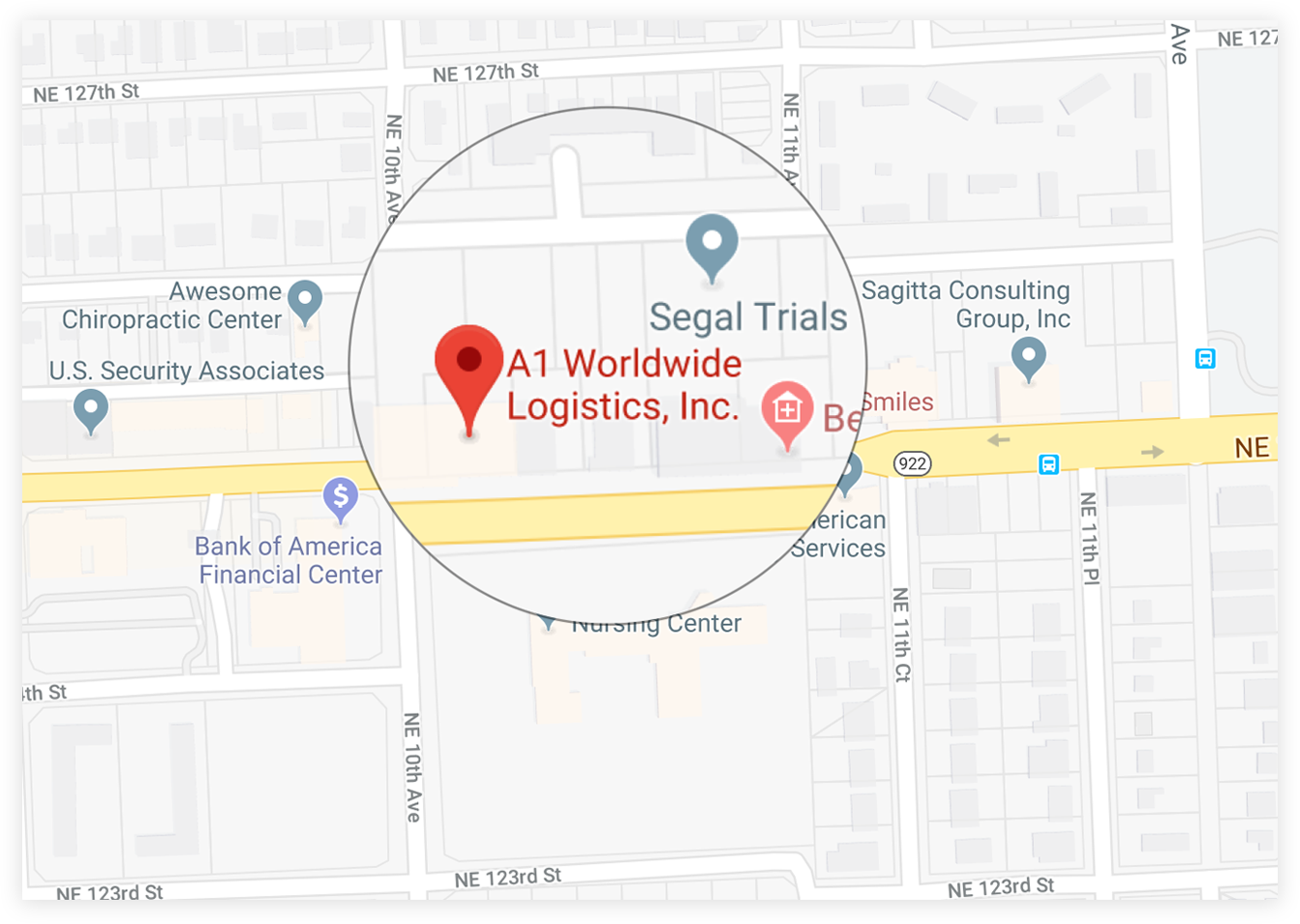
 1035 NE 125th St Suite #320, North Miami, FL 33161.
 a1worldwidelogistics.com
 (305) 821-8995
 Hours: 8AM - 5PM