Supreme Court Will Hear Trump’s Tariff Case
Share Article in Social Media
The Supreme Court will hear Trump’s tariff case after an announcement on Tuesday, September 9. In an order released by the court, it was announced that it will review two consolidated cases – Learning Resources v. Trump and Trump v. V.O.S Selections. In Learning Resources v. Trump, two small businesses are challenging Trump’s tariffs imposed under the IEEPA as illegal. The belief is that the president cannot impose broad tariffs without definite congressional approval. In Trump V. V.O.S. Selections, the Trump Administration is asking for a review of a ruling striking down the tariffs. The judges agreed to decide on the case in an expedited timeline, with oral arguments starting in November.
The Supreme Court’s expedited schedule will include:
- Opening briefs due on September 19, 2025.
- Amicus briefs due on September 23, 2025.
- Response briefs due on October 20, 2025
- Amicus briefs in support due on October 24, 2025.
- Reply briefs due on October 20, 2025.
- Oral arguments starting in the first week of November 2025.
Along with the “reciprocal tariffs”, the case will also be for the levies Trump placed on some imports from China, Mexico, and Canada. The tariffs will remain in effect as the case begins.
Why The Supreme Court Will Hear Trump’s Tariff Case In An Expedited Timeline?
The Supreme Court is expediting Trump’s case due to the high stakes involved. If the court rules that the tariffs are illegal, the US government could be required to refund importers billions. In the opposing argument, Trump has collected tens of billions from imports since February, and the Congressional Budget Office forecasts that the tariff could reduce the budget deficit by $4 trillion in the next decade. Economists believe the tariffs will raise costs for importers and customers and create economic instability. Another reason for the expedited process is the question of presidential power that the case raises. The main ruling in the appeals court was that the president did not have unlimited authority to impose tariffs. In the 7-4 decision, the opposing argument was that the ruling reduced presidential emergency powers.
How Will The Case Affect Impact Shipping?
Given the volume of cargo that comes into the US internationally, the case could significantly impact shippers. If the Supreme Court strikes down the tariffs, Shippers could get back the money they lost from the levies. Importing may also be cheaper, leading to more goods entering the US. If the Supreme Court decides to overturn the appeals court’s ruling, the cost of importing could continue to increase. As a result, the increasing cost will be felt in other parts of the supply chain, like domestic shipping. Overturning may also expand presidential powers and may allow for unilateral tariff enforcement by the president.
When shipping cargo internationally, various situations, such as tariffs, can impact the shipper. Regardless of the problem, you must protect your shipment during importation. When bringing goods into the US, an ideal way to prepare is by contacting a customs broker. Brokers are licensed individuals or corporations who arrange the customs clearance process on behalf of the importer. In the US, they act as intermediaries between shippers and CBP (Customs and Border Protection). They ensure customs clearance by providing paperwork, calculating duties, ensuring regulatory compliance, and more. Contact A1 Worldwide Logistics at info@a1wwl.com or 305-425-9456 to speak to a broker regarding your shipment’s success.


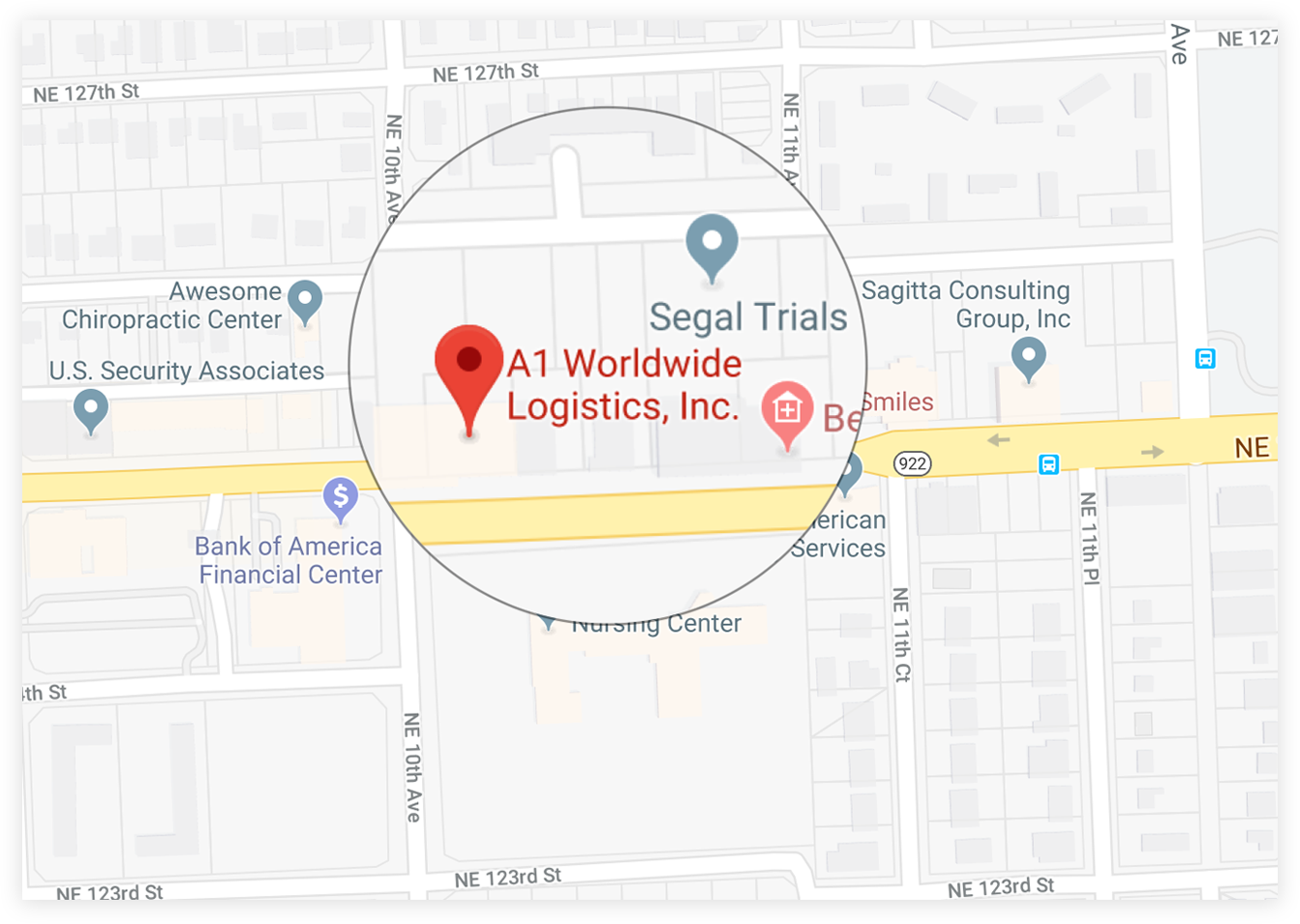
 1035 NE 125th St Suite #320, North Miami, FL 33161.
 a1worldwidelogistics.com
 (305) 821-8995
 Hours: 8AM - 5PM