by A1 WorldWide Logistics | Jan 13, 2026 | Economic trends, Exporting, Freight
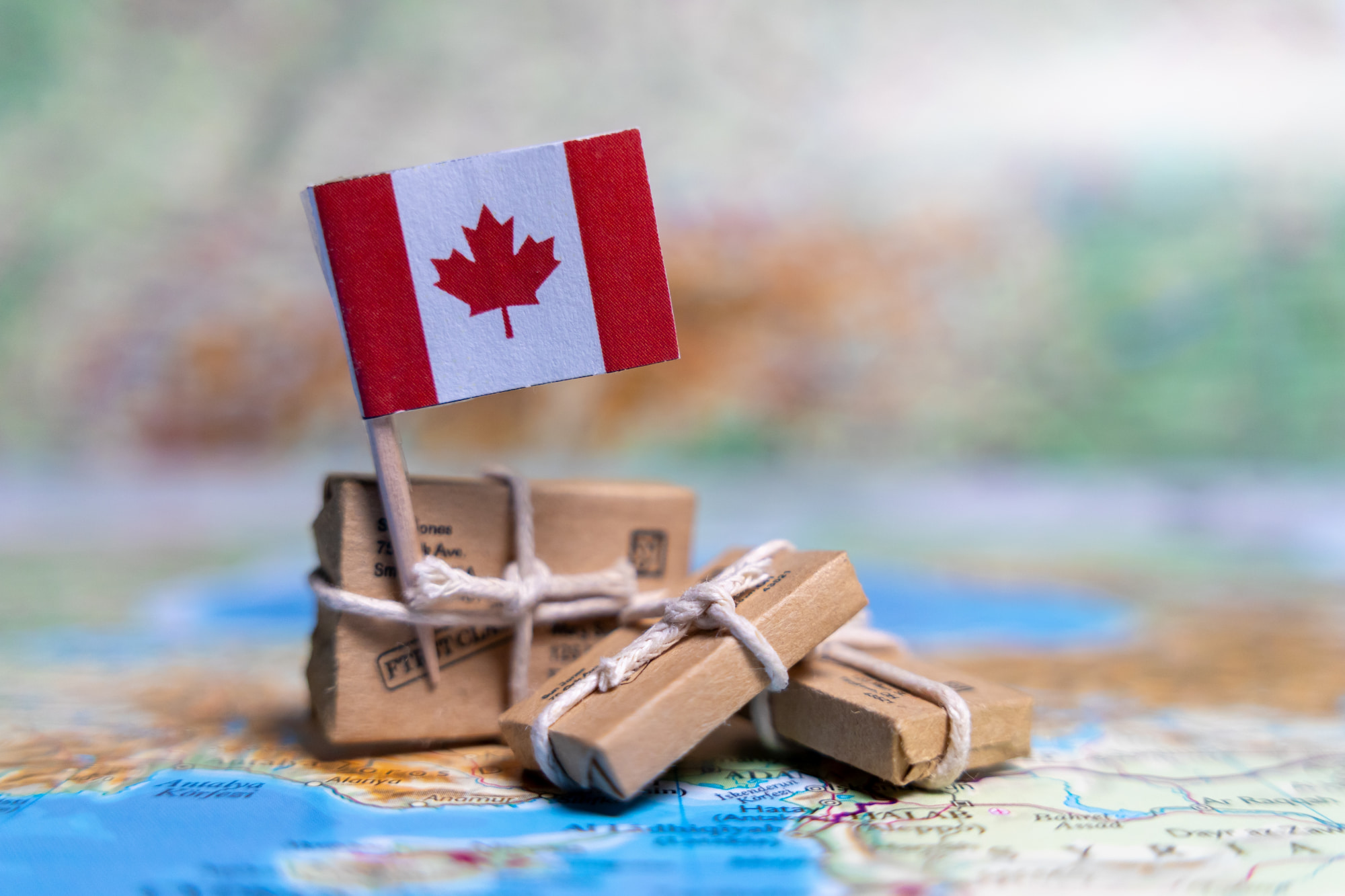
As international shipping continues to shift, the industry can soon see Canada leading the BRICS economy. BRICS is a group of emerging economies comprising ten countries, including Brazil, China, Russia, India, and others. Over the last few years, the BRICS market has expanded, now accounting for 40% of the global economy. Although Canada is not a part of BRICS, Canada’s largest trading partners are in the group, including China and India. As Canada continues to expand its trade, the concurrent growth of BRICS countries may significantly impact shipping.
How Is Canada Leading The BRICS Economy?
While not being a member of BRICS, Canada’s primary exports are to countries in the bloc. A popular commodity that Canada exports is wheat, and it is the world’s third-largest shipper. With Canada as a major trader in BRICS, the country could soon account for 44% of the world’s grain consumption. Canadian exporters also benefit from fast-growing consumer markets in energy, critical minerals, and agriculture. The BRICS push for reduced reliance on the US dollar and greater economic cooperation will also lead to growth opportunities.
What Can This Mean For Shipping?
The reliance on Canadian exports may continue to rise as BRICS reshapes global trade. US tariffs on Canadian imports could further prompt Canadian shippers to diversify their supply chains to BRICS countries. Coincidentally, imports into the US from Canada may also increase, as both countries remain significant trade partners. Maintaining trade relations with the US while engaging pragmatically with BRICS economies will expand Canada’s global presence.
As Canada becomes a major player in global trade, imports and exports between the US and Canada could increase. Despite the opportunities for international shipping, shippers may face risks when starting. An ideal way to prepare is by coordinating with a 3PL (Third-Party Logistics) Provider. 3PLs provide a range of supply chain logistics services, including international and domestic shipping, customs clearance, warehousing, and more. Reach A1 Worldwide Logistics at info@a1wwl.com or 305-425-9752 to learn about our solutions for ensuring your shipment’s success.
by A1 WorldWide Logistics | Nov 19, 2025 | Economic trends, Importing, Tariffs
An executive order signed by President Trump on Friday, November 14, has the US cutting Tariffs on 200+ Items. More specifically, the levies that Trump placed on over 200 classifications and eleven categories of agricultural products are now exempt. Some of these food products include beef, coffee, avocados, cashew nuts, tomatoes, and more. On April 5, 2025, Trump began enforcing a 10% baseline tax on all imports into the US. He imposed them under the IEEPA (International Emergency Economic Powers Act (IEEPA) declaring it a national emergency. The recent order will remove specific agricultural goods from the reciprocal tariffs. This article explains the purpose of the exemption and what it will mean for international shipping.
Why is the US Exempting Tariffs On Agricultural Products?
President Trump’s main reason for the tariff rollback is the administration’s progress on numerous trade deals. Since imposing tariffs, the US has reached “framework” deals with agricultural-producing countries such as Guatemala, Brazil, Thailand, and Vietnam. Trump’s original goal in imposing levies was to reduce trade imbalances and address unfair trade practices. An online fact sheet by the Trump Administration noted, “President Trump’s tariff policies have delivered significant and lasting wins for the American people through fair, tough, and strategic trade negotiations, strengthening the US economy and national security while breaking down unfair trade barriers that have harmed American workers for decades.” The new exemptions will begin on November 13 for goods entering the US for consumption, with importers eligible for refunds.
Another reason for the rollback was a response to rising product costs. The tariffs raised the price of imports into the US, which was passed through the supply chain to customers. Trump also imposed tariffs to bring manufacturing back to the US and boost the economy. It had the opposite effect, causing slight inflation and having an opposite effect of increasing manufacturers’ costs. In the last few months, businesses have also pressured the Trump administration, noting that tariffs were hurting supply chains. Critics of the administration believe the rollback is intended to address public discontent before the 2026 midterm elections.
What Can Shippers Expect With The US Cutting Tariffs on 200+ Items?
The most significant impact of tariff cuts would be a decrease in import costs into the US. In turn, this could lead to an increase in imports of agricultural goods from countries previously affected by the levies. Businesses that ship large quantities of goods, such as beef and coffee, will benefit from lower expenses. Domestic shipping will also be affected by the exemption, since trucks typically transport imports to their final destinations. While the rollback may create flexibility, it is not a complete abandonment of tariffs. The Supreme Court will make the final decision on its legality, possibly by mid-2026.
With the amount of tariffs exempted by the executive order, it may be more attractive to import agricultural products. Shippers still should be aware of what to expect when bringing goods into the US. Not understanding the customs clearance process can result in delays and monetary loss. An ideal way to begin is to reach out to a customs broker. Brokers are individuals or corporations that facilitate cargo movement across international borders, calculating duties, handling documentation, and more. In the US, brokers ensure compliance with the CBP (Customs and Border Protection). Contact A1 Worldwide Logistics at info@a1wwl.com or 305-425-9456 to speak with a broker about clearing your goods through customs.

by A1 WorldWide Logistics | Oct 17, 2024 | Economic trends, Shipping Logistics, Supply Chain
Nearly a week after the storm hit Florida, there are numerous reports of Hurricane Milton disrupting supply chains. On Wednesday, October 9th, hurricane Milton landed near Tampa, Florida, resulting in heavy rains and strong winds. Local weather services issued over 125 tornado warnings in various counties nationwide. Along with the damage to infrastructure and economic loss, Milton impacted supply chains for importers and exporters. With Florida being an entry point for supply chains nationwide, the potential ripple effect could be more substantial. While the storm has left Florida, Milton has already done the damage, and shippers are still determining the full impact.
How Is Hurricane Milton Disrupting Supply Chains?
Located between the Gulf of Mexico and the Atlantic Ocean, Florida is known by shippers as a critical freight market. Its strategic location is a gateway for trade between North and South America. An immediate disruption from the storm was the shutdown of ports like Port Tampa. Port Tampa is a significant hub for steel, cement, petroleum, construction aggregates, and foods. As the seaport suspended operations, it created a backlog that could take a while to clear. As a result, ships are diverting to other ports along the Gulf Coast, potentially raising volume and creating congestion. The Gulf Coast ports are still recovering from the aftereffects of the ILA’s (International Longshoremen’s Association) recent strike.
Milton also impacts supply chains in Florida’s agricultural industry by damaging farmlands that produce agriculture. The damage that occurred two weeks ago from Hurricane Helene remains, which may add to it. Importers in other countries could soon experience shortages and price increases from decreased delays in U.S. exports. Perishable cargo imports that are time-sensitive are at risk from port and infrastructure shutdowns resulting from power outages. Along with shipping internationally, Hurricane Milton affected domestic freight movement. Damaged roads and port closures resulted in delays and made it difficult for shippers to move goods by truck. As a result, freight rates may go up from limited capacity.
What Can Shippers Expect When Shipping During a Hurricane?
When importing or exporting during a hurricane, there are many expectations shippers should be aware of. There may be immediate delays in transportation for air, land, and sea cargo from port closures. To avoid potential slowdowns, importers could reroute to alternative ports. However, this can also increase transit times and transport costs. Price increases could come from limited carrier capacity due to paused services. There can also be significant communication challenges between shippers and carriers, such as power outages and telecommunication disruptions. Shippers must plan by staying updated with weather conditions and constantly communicating with the various players in the supply chain.
Understanding what to expect during a hurricane and how to prepare is vital for a shipment’s success. Along with the ways that the article mentions, preparation shippers can also do this by speaking to a 3PL provider. 3PLs (Third-party Logistics) companies handle numerous supply chain functions for the client. Their services include freight forwarding, customs clearance, domestic shipping warehousing, and more. They also provide supply chain consulting to navigate distributions like a hurricane. Contact A1 Worldwide Logistics at info@a1wwl.com or 305-425-9456 for assistance with shipping to and from the U.S. We have ideal solutions for ensuring that your goods reach the final destination regardless of the situation.
by A1 WorldWide Logistics | Nov 22, 2023 | grain exports, Shipping Logistics, Transportation
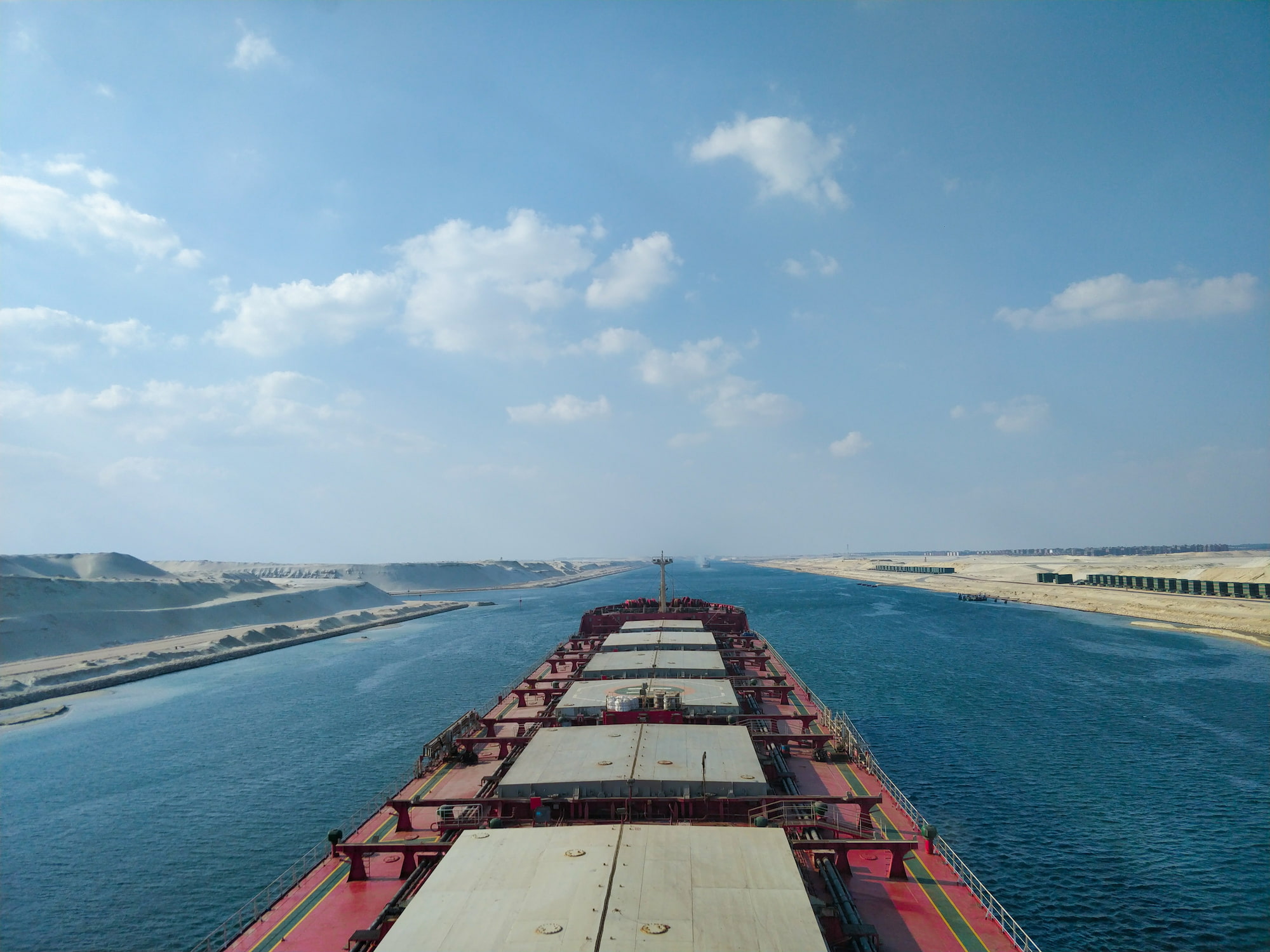
A current drought in the Panama Canal is leading to the Suez Canal gaining U.S. exports of farm products. Bulkers carrying agricultural goods like grains are rerouting their journey to Asian countries due to the crisis. At first, larger container vessels felt the effect of lowering water levels, which dry bulk carriers now feel. USDA data shows approximately 67% of year-to-date soybean, corn, and wheat exports are moving through the Atlantic Ocean. It is essential to note that the Suez Canal is a longer route and can be more expensive. The freight takes nearly ten extra days to reach China compared to using the Panama Canal.
What Is Happening In the Panama Canal
In the summer of this year, the Panama Canal Authority (ACP) set restrictions on ships entering the canal. The draft limit went to 44.5ft (13.65m) from the standard of 50ft (15.24m). A draft limit is the distance between the waterline and the lowest boat point. A lower limit means that carriers have to carry less cargo to be able to enter the Panama Canal. ACP cut the draft further to 43.5ft (13.26m) in the same month. The average number of daily transits through the canal also went down to 32 in August. The usual number of vessels passing through the canal is 36 to 38 ships.
The restrictions are due to the current drought the Panama Canal faces. Rainfall levels have been reaching record-low levels in the region, and the canal uses rainwater to move ships through. Water scarcity further rose due to the El Nino weather phenomenon. Along with having to decrease the amount of cargo that they ship, limits are extending carrier shipping times, causing delays. This is due to the backlog of ships waiting to enter the canal from lowering daily transits. Restrictions are pushing carriers to look for alternative routes to move their freight, such as the Suez Canal.
How Can The Suez Canal Gaining U.S. Exports Impact Shipping?
The Panama Canal and Suez Canal are the two most critical artificial passageways for international shipping. These waterways are shortcuts for shippers moving freight. While agricultural exporters tend to use the Panama Canal to reach Asia, delays force many to switch to the Suez Canal. Since the Suez Canal is the longer route, the increase in traffic is causing freight rates to rise. This is because farmers have fewer dry bulk vessels to load their exports into. As the Suez Canal gains importance for agricultural shipments, a concern remains nearby: the conflict in Gaza. One of the fears is that the war will close the canal during high traffic.
Shutting down the Suez Canal can result in agricultural exporters taking an even longer route to Asia. Rerouting to the Cape of Good Hope may create longer shipping times and further increase rates. While certain situations may be impossible to avoid, they should not stop shippers from transporting their goods. Exporters and importers must, however, take greater precautions to prevent misfortune. Contact A1 Worldwide Logistics at 305-821-8995 to speak to a freight forwarder regarding shipping internationally. Along with importing and importing to and from the U.S., we offer numerous other solutions for your transporting needs.

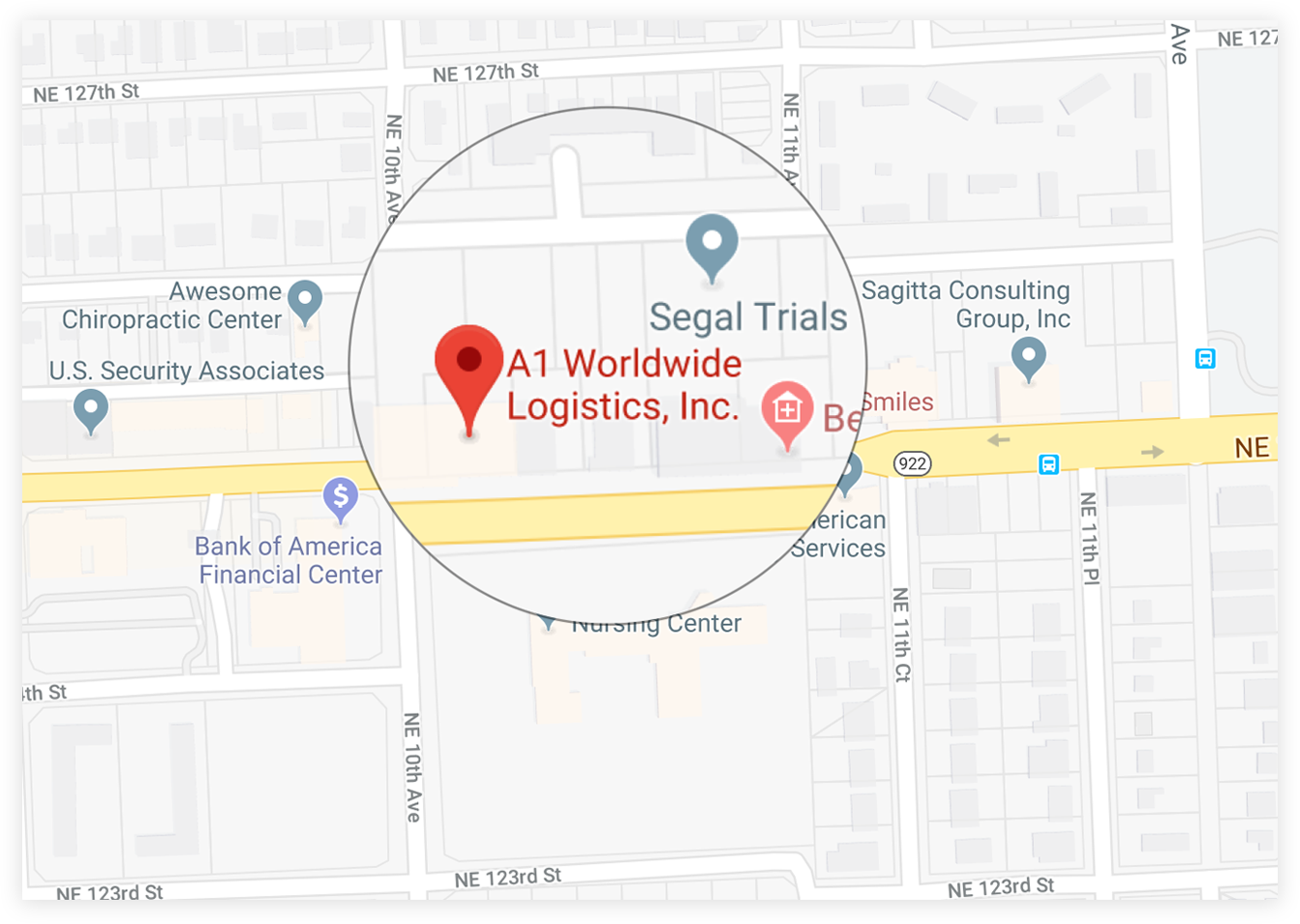
 1035 NE 125th St Suite #320, North Miami, FL 33161.
 a1worldwidelogistics.com
 (305) 821-8995
 Hours: 8AM - 5PM