
by A1 WorldWide Logistics | Jan 21, 2025 | Economic trends, Importing, Supply Chain
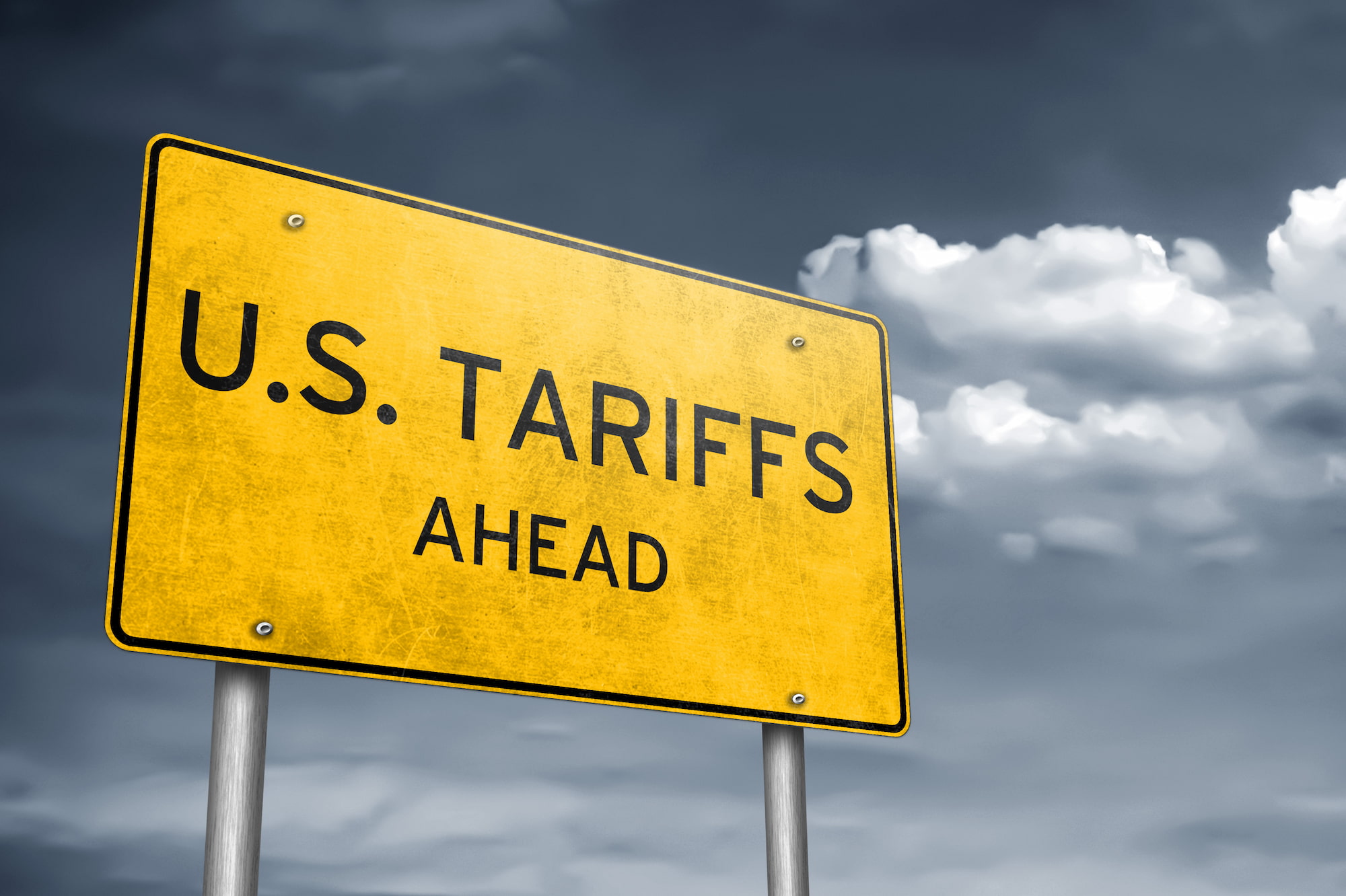
President Trump announced that he will impose a 25% tariff on February 1st for imports from Canada and Mexico. Last year, Trump revealed that he would implement the tariff hike during his first day in office. The president postponed the date to create an “External Revenue Service to collect tariffs and identify unfair practices. Along with the two countries, there are plans to implement tariffs of 10% to 60% for goods from China. Trump also raised the idea of a “universal tariff” but noted that the U.S. was not ready yet. With the countries impacted by the taxes bringing in hundreds of billions yearly, a tax increase can significantly affect trade.
Why Is Trump Imposing 25% Tariffs On February 1st?
Trump noted that he would implement tariffs on the imports for reasons including illegal immigration and drugs entering the U.S. In 2024, the president stated, “As everyone is aware, thousands of people are pouring through Mexico and Canada, bringing crime and drugs at levels never seen before.” China is also the most popular illegal importer of fentanyl into the U.S. Another reason for the tariff increase is to increase domestic manufacturing by making importation more costly. Trump believes creating new jobs in the U.S. will reduce the federal deficit and lower food prices.
While Trump believes the tariffs will benefit the U.S., it has faced backlash from the countries impacted. The biggest trade war in decades could be possible with approximately 75% of Canada’s imports going to the U.S. Canada’s prime minister noted, “If the president does choose to proceed with tariffs, Canada will respond – and everything is on the table.” The countries affected by the taxes may impose their retaliatory tariff. Trump’s proposed hikes could also face legal challenges from existing trade agreements like the USMCA (United States-Mexico-Canada Agreement). Signed into effect in 2020 by Trump, he will have the opportunity to renegotiate the deal in 2026.
How Will The Tariff Hikes Impact International Shipping?
Mexico, Canada, and China are the U.S.’s biggest importers, meaning a tariff hike can significantly impact international shipping. Higher tariffs could increase shipping costs and disrupt supply chains. Companies from industries like the automotive industry rely on importation, and sourcing production back to the U.S. can be challenging. Economists argue that increasing import taxes could lead to inflation and job loss. While the increase will affect moving cargo internationally, it will also impact domestic shipping. Drayage services that transport port imports could see a decline in volume, resulting in led business. To combat the tariff increases, U.S. importers may begin outsourcing to different countries. Various companies have already considered relocating production to the U.S. in response to the tariffs.
With the rise in tariffs potentially affecting both the shipper and businesses, you must take steps to mitigate disruptions. Failure to take the correct steps can lead to delays, monetary loss, and cargo loss. An ideal solution is to consider partnering with a trusted third-party logistics (3PL) provider. 3PLs offer solutions for navigating the complexity of international shipping and ensuring a successful shipment. These solutions include freight forwarding, warehousing, customs brokerage, and supply chain management. Reach A1 Worldwide Logistics at 305-425-9456 or info@a1wwl.com to speak to an expert regarding your cargo’s movement.
by A1 WorldWide Logistics | Nov 27, 2024 | Economic trends, Importing, Shipping Logistics
A Monday announcement by the Trump administration revealed that President-elect Donald Trump is imposing tariff hikes on imports. On January 20th, Trump will impose a 25% tariff increase on all goods entering the U.S. from Canada and Mexico. The executive order also includes an additional 10% tariff on imports from China. Before the November 5th election, the Biden administration finalized a tax hike on China imports, which included:
- Steel and Aluminum – From 0 to 7.5% to 25% in 2024.
- Semiconductors – from 25% to 50% by 2025.
- Electric Vehicles (EVs) – from 25% to 100% in 2024.
- Batteries, Battery Components and Parts, and Critical Minerals – from 7.5%% to 25% in 2024
- Solar Cells – from 25% to 50% in 2024.
- Ship-to-Shore Cranes – from 0% to 25% in 2024.
- Medical Products – from 0% to 50% in 2024.
The Trump administration is potentially adding to the hike with talks of a 60% tariff hike for China-made imports. More recent tariffs for Mexico and Canada imports could result in a return to a trade war for the countries. During Trump’s first presidency, tensions were already high between the North American countries. In 2018, a USMCA trade agreement ended the past conflict. With Mexico and Canada being the two top trading partners, a tariff increase can significantly impact trade and resume tensions.
Why Is Trump Imposing Hikes On Tariffs?
The reason behind the sudden increase in tariffs is to stop drugs and illegal migrants into U.S. borders. “As everyone is aware, thousands of people are pouring through Mexico and Canada, bringing crime and drugs at levels never seen before.” The 10% China tariff increase is to stop the flow of fentanyl into the U.S. Another goal behind the rise is to have production come back to the U.S. By making imports more costly, customers may begin buying goods domestically. The president-elect believes creating new factory jobs will reduce the federal deficit and lower food prices. Economists have the opposite view, noting that tariffs are inefficient for the government in raising money.
What Can This Mean For International Shipping?
Due to the high traffic that the U.S. imports and exports from China and Mexico, tariffs will directly affect shipping. As previously mentioned, tensions from the trading partners may escalate and lead to other consequences. The Mexican president, Claudia Sheinbaum, said, “Trump’s threats to impose tariffs could generate inflation and job losses in both countries.” As a result of the hikes, the North American countries could soon make their retaliatory tariffs on U.S. exports. This may lead to shippers facing additional costs for importing and exporting internationally. Companies in the U.S. are already preparing for an increase in duties by reducing their sourcing from China.
Retailers and manufacturers in the U.S. that rely on outsourcing from foreign countries could soon be devastated by the hikes. Regular shippers may also feel the strain and should take preventive measures to protect their shipments. An ideal way to ensure their cargo ships internationally is by contacting a 3PL (third-party logistics) company. 3PLs provide various solutions for outsourcing a supply chain, like brokerage, freight forwarding, coordination, warehousing, and knowledge. A 3PL provider like A1 Worldwide Logistics understands what to expect when transporting cargo and guides you through the process. Reach us at 305-425-9456 or inf@a1wwl.com to determine the best course of action for your shipment’s success.
by A1 WorldWide Logistics | Oct 30, 2024 | Customs Broker, Freight Forwarding, Shipping Logistics
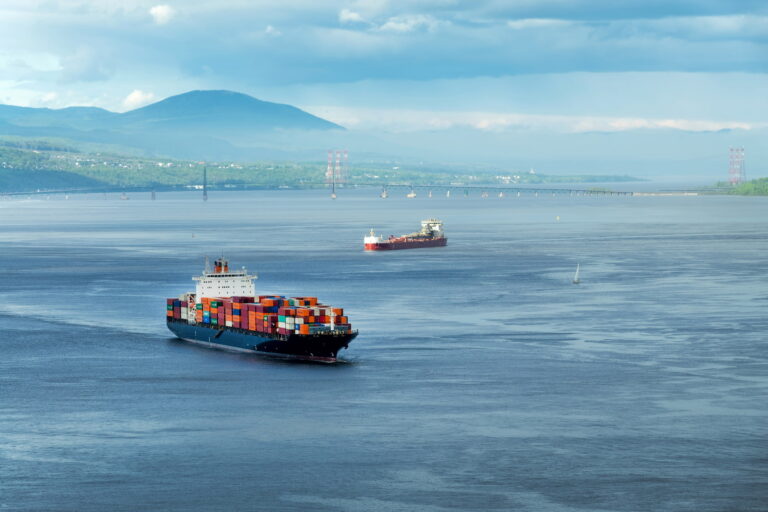
El transporte marítimo de corta distancia en Estados Unidos es una de las tendencias en el movimiento de carga que ha aumentado recientemente. El transporte marítimo de corta distancia es un método de movimiento de carga que implica el transporte marítimo sobre distancias cortas en vez de entre continentes. Un ejemplo es el uso de una costa oeste para enviar mercancías desde el puerto de Seattle al puerto de Long Beach. Esto también puede significar transportar bienes a diferentes países; sin embargo, el método implica pequeñas vías fluviales interiores y costas. Aunque los transportistas han practicado esto desde tiempos antiguos, los últimos siglos han visto un aumento en la circulación en Europa. Hoy en día, la Unión Europea mueve casi el 40 % de toda la carga utilizando el transporte marítimo de corta distancia.
Beneficios del transporte marítimo de corta distancia en Estados Unidos
Al igual que en Europa en el pasado, Estados Unidos ha estado aumentando recientemente su dependencia del transporte marítimo de corta distancia. El cambio al transporte acuático en EE. UU. no ha sido tan rápido. Esto se debe a que la mayor parte del país no es económicamente accesible por agua en comparación con Europa. A pesar de esto, los transportistas han tomado medidas hacia el transporte marítimo de corta distancia. Muchas ventajas han quedado evidentes a medida que los transportistas y operadores se han sumado a la tendencia. El principal beneficio es que el tiempo de transporte disminuye drásticamente. Estados Unidos tiene casi 20,000 canales navegables, como canales, ríos y regiones costeras por donde pueden transitar las embarcaciones. En comparación con el movimiento de bienes por camión, el transporte a través de vías fluviales puede evitar el tráfico en las autopistas.
Esto puede significar que se eviten posibles retrasos al llegar al destino final. Las “autopistas marítimas” en EE. UU. han acelerado los tiempos de entrega y pueden ayudar a reducir la capacidad saturada del transporte por camión. Otra ventaja del transporte marítimo de corta distancia son los ahorros de costos que pueden ser posibles. Mover mercancías por mar tiende a ser menos costoso que otros métodos de transporte. Esto es especialmente cierto para el movimiento de grandes volúmenes de carga, como contenedores. Menos emisiones de CO2 por tonelada transportada también significan que es una alternativa más ecológica en comparación con el transporte por tierra. Con la industria naviera presionando hacia un entorno más ecológico, el transporte por vías fluviales es beneficioso para reducir la huella ecológica.
Beneficios del comercio entre Estados Unidos y Canadá
Canadá es conocido como el mayor socio comercial de EE. UU., con un comercio valorado en casi 794 mil millones de dólares en 2022. Un estudio reciente analizó el beneficio potencial si ambos países aumentaran sus capacidades de transporte marítimo de corta distancia. El análisis examinó las relaciones comerciales transfronterizas entre Canadá y EE. UU. en los Grandes Lagos. El transporte marítimo de corta distancia en la región de los Grandes Lagos puede tener ventajas significativas con el volumen de carga que pasa por allí. La principal ventaja es que la cantidad de envíos realizados a la vez aumenta drásticamente. En promedio, un buque marítimo puede transportar una carga equivalente a más de 900 camiones.
Con el aumento del transporte de carga en los Grandes Lagos, los transportistas pueden elevar los cuellos de botella y disminuir la contaminación del aire. El transporte marítimo de corta distancia también puede resolver el aumento de los costos de combustible y los retrasos. Aunque pasará un tiempo hasta que el transporte marítimo de corta distancia se vuelva más común en EE. UU., los transportistas aún necesitan mover carga. Si planeas importar o exportar desde EE. UU., contacta a A1 Worldwide Logistics al 305-425-9513 para obtener asistencia. Además de transportar tus bienes por mar, ofrecemos otros métodos de transporte, como tierra y aire, para mover tu envío.

by A1 WorldWide Logistics | Jun 29, 2023 | Importing, Shipping Logistics, Supply Chain
U.S. short-sea shipping is one of the trends in cargo movement that has recently surged. Short-sea shipping is a method of cargo movement involving maritime transportation over short distances instead of between continents. An example is using a west coastline to ship from the Port of Seattle to the Port of Long Beach. This can also mean transporting goods to different countries; however, the method involves small inland waterways and coastlines. While shippers did this practice since ancient times, the last few centuries saw a gain in traction in Europe. Today, the EU (European Union) moves nearly 40% of all freight utilizing short-sea shipping.
Benefits from U.S. Short Sea Shipping
Similar to Europe in the past, the U.S. has recently been growing its dependence on short-sea shipping. The shift to waterborne shipping in the U.S. has not been as quick. This is because most of the U.S. is not economically accessible by water compared to Europe. Despite this, shippers have made steps towards short sea shipping. Many advantages have become evident as shippers and carriers have jumped on the trend. The main benefit is that transportation time decreases drastically. The U.S. has nearly 20,000 navigable channels like canals, rivers, and coastal regions that vessels can pass through. Compared to moving goods by truck, shipping through waterways can bypass highway traffic.
This can mean that potential delays become avoided when reaching the final destination. “Sea motorways” in the U.S. have sped up delivery times and may help lower the crowded capacity in trucking. Another advantage of short-sea shipping is the cost savings that can be possible. Moving goods by sea tends to be less expensive than other conveyance methods. This is especially true for moving large volumes of cargo like containers. Fewer CO2 emissions per ton carried also mean that it is an environmentally friendlier alternative compared to inland transportation. With the shipping industry pushing toward an eco-friendlier environment, inland shipping is beneficial in reducing the ecological footprint.
Trade Between the U.S. and Canada Benefit
Canada is known as the U.S.’s largest trade partner, with trade valued at nearly $794 billion in 2022. A recent study analyzed the potential benefit if both countries increased their short-sea shipping capabilities. The analysis examined the cross-border trade relationships between Canada and the U.S. in the Great Lakes. Short-sea shipping in the Great Lakes region can have significant advantages with the volume of freight that passes through. The main advantage is that the amount of shipments made at a time increases drastically. On average, one marine vessel can carry a cargo capacity of over 900 Trucks.
With increased freight in the Great Lakes, carriers can elevate bottlenecks and decrease air pollution. Short-sea shipping may also solve rising fuel costs and delays. While it is a while until short-sea shipping becomes more common in the U.S., shippers still need to move cargo. If you plan on importing or exporting out of the U.S., contact A1 Worldwide Logistics at 305-821-8995 for assistance. Along with transporting your goods by sea, we provide other conveyance methods like land and air to move your shipment.

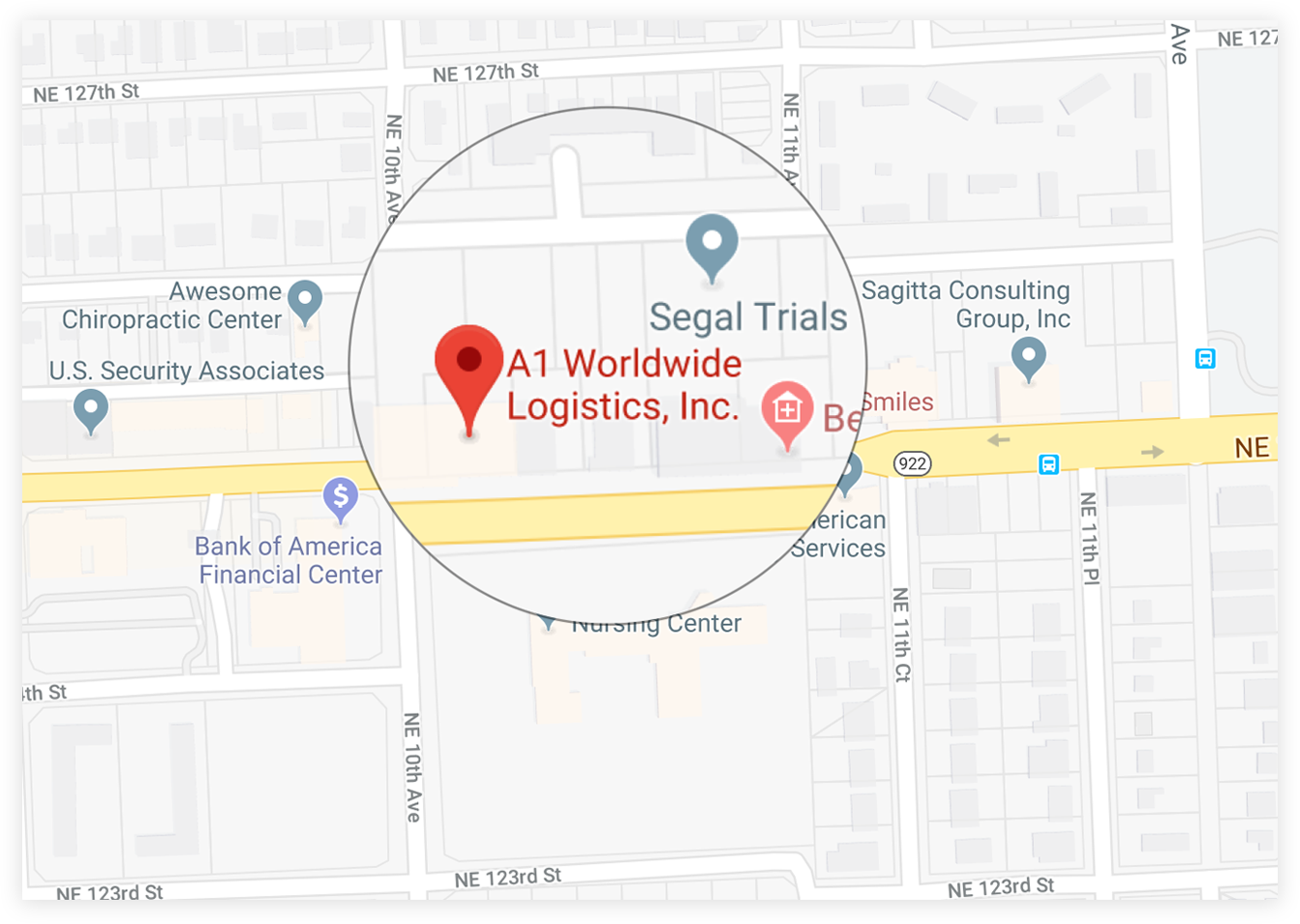
 1035 NE 125th St Suite #320, North Miami, FL 33161.
 a1worldwidelogistics.com
 (305) 821-8995
 Hours: 8AM - 5PM