
by A1 WorldWide Logistics | Feb 12, 2024 | Agricultural imports, Customs Clearance, Shipping Logistics
Shippers should be exceptionally careful when importing flowers into the U.S., especially during Valentine’s Day. Valentine’s Day is a time to show that special someone that you cherish and care for them. One of the most popular ways is by gifting them a bouquet of red roses. In 2023, The CBP reportedly inspected over 1.1 billion flower cut imports during the Valentine’s Day season. Most shipments came from Colombia and Ecuador and arrived in the U.S. through the Port of Miami. When deciding to import flowers into the U.S., a shipper should be aware of many considerations. This article will explain the logistics of importing flowers and how to begin.
What To Know Before Starting?
Floral products can be more challenging to bring into the U.S. than other imports. Along with the Customs and Border Protection (CBP) requirements, shippers must follow regulations from the U.S. Department of Agriculture (USDA). The USDA verifies that agricultural imports like flowers are free from pests, diseases, and other harmful things. Before starting, a shipper must ensure the shipment complies with the entry requirements. While importers commonly ship red roses during Valentine’s Day, each flower type can have its requirement, which the USDA determines. For example, cut flowers, bouquets, and potted plants have different prerequisites, and not understanding them can negatively impact your importation.
What Is The Logistics Process For Importing Flowers Into The U.S.?
A shipper can use various methods of conveyance, like air, ocean, and land, when importing flowers into the U.S. It is essential to note that flowers are perishable, meaning they can spoil after a specific time. Importers usually use reefers or refrigerated containers to prevent them from damaging during transit, as well as other more advanced methods such as vacuum cooling, which not only control the temperature but also the humidity of the flowers, resulting in a longer vase life.
Some of the documents that the CBP requires for importing flowers include:
- Airway/Bill of Lading – A receipt that that shipper is moving, which can also provide tracking information.
- Phytosanitary Certificate – A certificate that ensures the flowers are pest and disease-free.
- Commercial Invoice – A document with essential information about the shipment that customs also uses to evaluate the value of the cargo.
- Certificate of Origin – A certificate verifying the country where the export occurs.
These are just some documents that customs require for importation and can vary depending on the flower type. To understand the paperwork that your shipment requires, speak to a customs broker. A broker is an intermediary between the shipper and customs and coordinates the release of a shipment.
A1 Worldwide Logistics
While importing flowers may be a huge opportunity this Valentine’s Day, it may seem overwhelming for beginner shippers. An ideal way to start is by using the assistance of a 3PL (Third-Party Logistics) provider. 3PLs have freight forwarding services to move your shipment and customs brokerage services for clearing your goods at customs. Logistics providers also have drayage services to transport the goods to their final destination once customs clears the shipment. If you plan on importing flowers, contact A1 Worldwide Logistics at 305-821-8995 or info@a1wwl.com to begin the importation process. We coordinate with the Port of Miami and every other U.S. port to ensure the successful delivery of your shipment.

by A1 WorldWide Logistics | Dec 28, 2023 | Customs Broker, Customs Clearance, Importing, Shipping Logistics
In international shipping, not using a licensed CHB can adversely impact the shipper and customs brokerage. A licensed Customs Broker (CHB) is an individual or company that has acquired licensing from the U.S. Customs and Borders Protection (CBP). The licensing allows the individual or company to act as an intermediary between the importer and customs authorities. CHBs coordinate with customs to release the goods that a shipper imports into the U.S. Some of the tasks of a licensed CHB can include:
- Ensuring the clearing of goods from customs by ensuring that the imports comply with the laws and regulations of customs
- Preparing and Submitting the required paperwork for customs clearance to customs on behalf of the importer
- Acting as the middleman between the importer and customs authorities and assisting with any issues arising during the clearance process
- Determining the proper classification and valuation of the cargo for tax and customs purposes.
When importers decide to use a Customs Broker, the CHB they choose must run operations legally. For example, all customs businesses that a brokerage does must have the supervision of a licensed CHB. Customs business is any transaction with customs authorities regarding the entry of a shipment into a country. An example is data entry filings, in which the CBP prohibits filing from foreign service centers.
The Ramifications of Not Using a Licensed CHB
Customs Brokers who do not do all customs business under the supervision of a licensed CHB can risk potential repercussions. The consequences can range from monetary fines to termination of the brokerage. It can be helpful for the shipper to ask the broker where they do their work and entry filings. Along with the legal consequences of not doing customs business in the U.S., this can also impact the importer. If the CHB gets in trouble for using an outside source, customs can hold and seize the shipment. This can lead to monetary loss for the shipper and look unfavorable if the importer is a business with customers.
Looking For A Licensed Broker?
Due to the extensive regulations that the importers must follow, customs clearance can be a complex process for shippers. Not only must the documentation be correct, but shippers must also follow the laws and regulations for importation. It is essential to note that each country can have its individual regulations for customs. Failure to adhere to the guidelines can result in delays and extra charges. An ideal way to begin importing into the U.S. is by using a customs broker to coordinate the clearance process.
Although importing into the U.S. without a customs broker is possible, most successful importers utilize their assistance. Both new and experienced shippers use brokers due to the value that they offer. They ensure the successful clearing of cargo from customs and guide and educate you through the process. They also allow the company to focus on other aspects of their business while the broker handles the shipping. Contact A1 Worldwide Logistics at 305-821-8995 to speak to a licensed customs broker regarding bringing your shipment into the U.S. We also provide freight forwarding and trucking services for exporting your goods anywhere internationally.
by A1 WorldWide Logistics | Nov 2, 2023 | Customs Broker, Customs Clearance, Freight
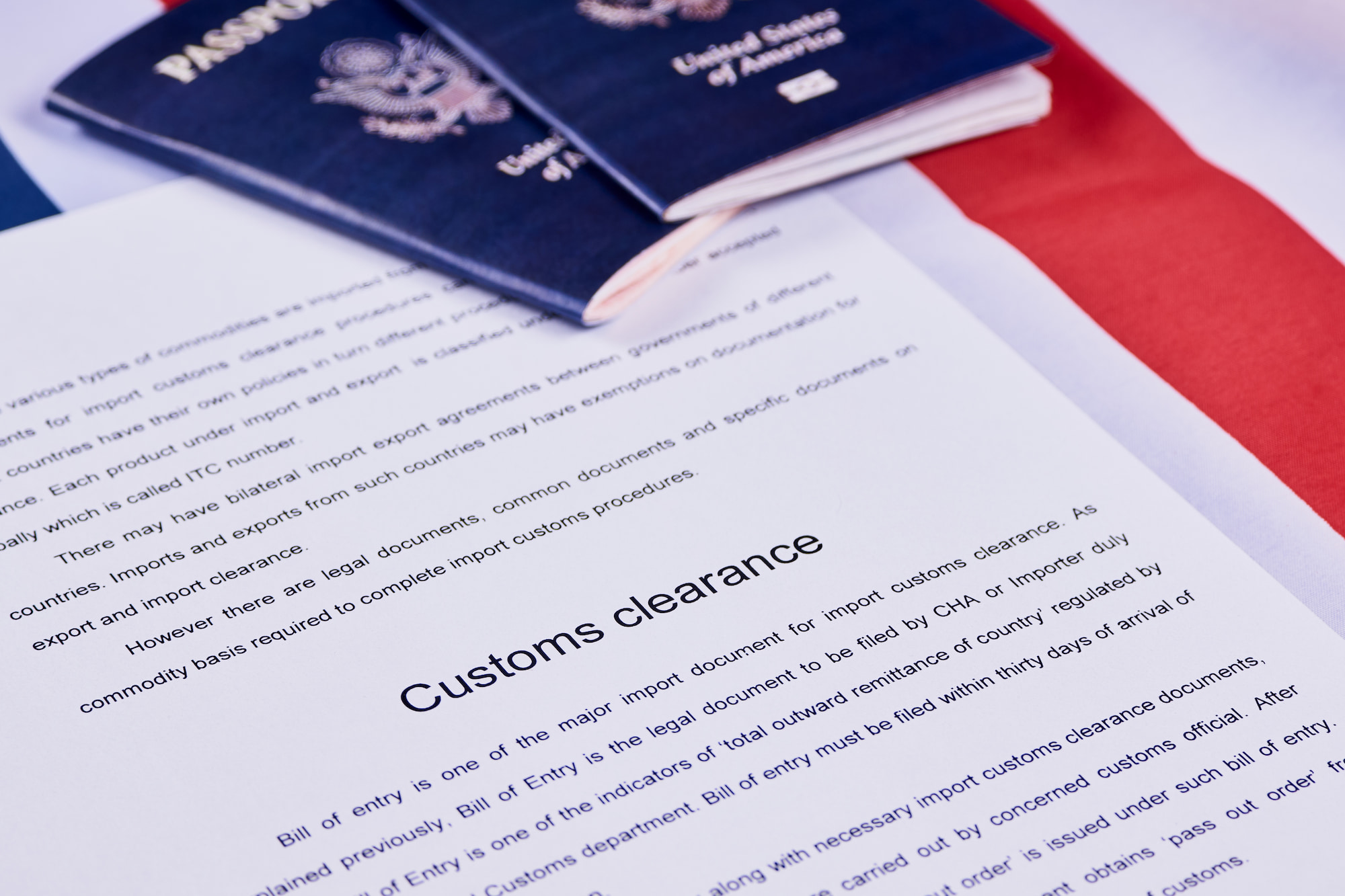
One of the most essential things a shipper should know before shipping freight internationally is the documents in customs clearance. Customs clearance is the procedure of declaring goods to customs authorities when bringing them into a country. In The U.S., they are the Customs Borders and Protection (CBP). Knowing what paperwork to provide can help simplify the transportation process and help prevent delays. There may be different documentation that a shipment needs depending on the commodity that is being imported/exported. This article will explain the more common types, and you should speak to a customs broker for a detailed explanation.
Why Is Understanding The Documents In Customs Clearance Important?
When bringing shipments into the U.S., having the correct documentation can save time and money. Incorrect or missing paperwork can result in customs placing a hold on your shipment. A business with customers can look bad if they cannot deliver their products on time. Freight that customs don’t release may also start collecting storage fees at the port, which is unfavorable for the shipper.
Documents for Clearing Customs
Commercial Invoice – This document is given to the customs officials to evaluate the value of the cargo. Customs also use the commercial invoice to determine the duties and tariffs they will assess to the shipper. It may include the freight description, information about the buyer and seller, shipment details, etc.
Bill of Lading or Airway Bill – When imports enter a country, the carrier gives the BL/AWB to customs. Customs require a bill of lading when goods enter the country using an ocean vessel, and they need an airway when an air carrier is the method. These documents are not only a receipt for what the shipper is transporting but also provide tracking information. Also, if the goods are lost or damaged, these forms are necessary for reimbursement.
Certificate of Origin – Customs use the certificate of origin to verify the country in which the export is taking place. This can be for various reasons, including political or if specific laws are in place. Check with your country’s chamber of commerce to see if it is a necessary document for your shipment.
Packing List – This is the physical description of what the shipper is transporting. It may include the dimensions, weight, and contact info. Although it is like the commercial invoice, it does not cover the fees associated with the cargo. It should, however, match the details on the invoice.
Arrival Notice – When the goods enter the destination country, the carrier sends the arrival notice to the consignee or receiver. This lets the consignee know the location details of the shipment. The arrival notice itself does not mean that the goods are available for release and allows for customs clearance arrangements. Custom brokers then provide the required documents for the release of the goods.
Contacting a Customs Broker
Along with the documents in this article, customs may require additional depending on the shipment. For example, importing firearms, chemicals, and plants requires different licenses. Since having correct paperwork can be intimidating for inexperienced shippers, they usually hire a customs broker to handle the process. If you plan on bringing cargo into the U.S., contact A1 Worldwide Logistics at 305-821-8995 to start. Along with assisting with documentation, our customs brokers offer various solutions to ensure the clearance of your goods.
by A1 WorldWide Logistics | Sep 14, 2023 | Customs Broker, Customs Clearance, Shipping Logistics
A message that your shipment is stuck at customs is the last response that a shipper wants to receive. This is especially true for cargo that is time-sensitive freight, like perishable or products for selling. The U.S. Customs and Border Protection (CBP) is responsible for safeguarding the country against importing dangerous goods. Its primary purpose is to facilitate lawful international trade and prevent terrorists and their weapons from entering the U.S. CBP has to carefully check cargo when entering the country and may sometimes put the shipment on hold. While there are many reasons why customs detains your goods, there are ways to prevent this from happening.
Reasons Your Shipment Is Stuck At Customs
As previously mentioned, CHB has to prevent the importation of goods that the U.S. prohibits from entry. Because of this, a common reason why goods may be stuck at customs is because they are illegal. Examples include absinthe (Alcohol), bush meat, dangerous toys, dog/cat fur, etc. Customs can hold other items like firearms due to restrictions the U.S. places on them. Importers of guns and ammunition require a Federal firearm license (FFL) before shipping into the U.S. Another reason customs may hold your freight is incorrect valuation. The customs value is the total monetary amount of the shipment brought to a country.
Customs is in charge of valuing the goods the importer brings to the U.S. from other countries. If the cargo the shipper imports does not have the correct value, customs will hold it for clarification. This can include revaluing of the taxes based on their pricing. Another common cause of customs holding your freight is an incorrect HTS Code. The Harmonized Tariff Schedule (HTS) is a system used to determine the duty rates for U.S. imports. Every item has a specific code to classify it, and an incorrect number can mess up the paperwork.
What Are Examples of Commercial Documents
Another reason customs might hold up your goods is missing or incorrect paperwork. Some of the documents a shipper requires when importing to the U.S. include:
- Bill of Lading
- Arrival Notice
- Commercial Invoice
- Certificate of Origin
- Packing List
The documents listed are some of the few a shipper requires for importation; however, the cargo determines the additional forms. For example, a vehicle may have different documentation than construction materials. It is essential that there are no errors in the paperwork, and the shipper fills everything out correctly.
Speak To a Customs Broker
While this article explains why customs may hold your cargo, other reasons exist. The amount of regulations for entry can confuse beginners and even regular shippers. The best way to prevent your goods from getting stuck at customs is by having a customs broker handle the clearance process. Customs brokers guide shippers through the importation process and ensure that the importer meets all requirements. They also submit all of the paperwork on behalf of the shipper. Contact A1 Worldwide Logistics at 305-821-8995 to speak to our experienced broker. We also provide other logistics solutions, like drayage services, to move your goods to the final destination when they arrive.

by A1 WorldWide Logistics | Jul 28, 2023 | Importing, Shipping Logistics, Transportation
A confusing process for many beginner shippers is understanding how to import construction materials into the U.S. Examples of this material include steel, concrete, wood, and other substances used for building structures. Nearly 32% of all building goods used in the U.S. come from various countries. The reason is due to the costs saved from offshoring goods from a country like China, nearly 50 percent. While importing may seem attractive, there are many precautions that the shipper must take beforehand. This article will be a brief introduction to bringing construction cargo to the U.S. For more information on starting, contact A1 Worldwide Logistics at 305-425-9513 to speak to a freight forwarder.
Why is Understanding How to Import Construction Materials Complex?
Shippers must follow various laws and regulations when importing goods from different countries. Most building supplies brought into the U.S. come from China, so China will be the country of focus. An example of a regulation is banning imports coming into the U.S. from China’s Xinjiang region. This is due to reported forced labor of the Uyghur Muslims used for product production. Understanding the laws and guidelines is the first step of the importation process.
Along with the regulations of the exporting country, it is essential to know the importing country’s laws. In the U.S., Customs and Border Protection (CBP) oversees imported freight. Construction materials like granite and sand require permits from regulatory agencies before U.S. entry. When choosing a supplier, it is vital to use a trustworthy source to ensure quality materials. Before importing freight, another consideration is the paperwork that CBP requires. Different types of goods can require specific documents, but the general paperwork includes:
- Arrival Notice
- Bill of Lading/Airway Bill
- Commercial Invoice
- Importer Security Filing (ISF)
- Packing List
Since construction materials tend to ship in large quantities, the import may be costly. Shipments valued at or over $2500 require a customs bond. It is crucial to note that the shipper should submit the documents to customs days before leaving the origin country.
The Importation Process
Once the materials are ready to be imported to the U.S., they will be moved to a port in the origin country. Two of the most common methods of conveyance used in freight movement are transportation by air or sea. Containerships frequently move construction supplies due to the number of goods carried at a time. When the cargo first reaches the U.S. from an international country, they are subjected to import duties. Duties are tax payments required by the CBP, and shippers calculate them using the Harmonized Tariff Schedule.
Any cargo entering the U.S. risks being held up at customs before being released. This can be due to many reasons, such as poorly completed paperwork and unpaid duties. If the shipment goes smoothly and the filing is correct, customs will release the goods to the importer. While the import process may be complex, hiring a customs broker streamlines the process. A broker coordinates with U.S. customs to ensure the release of your cargo. To speak to one of our experienced customs brokers, contact a1 worldwide logistics at 305-821-8995.

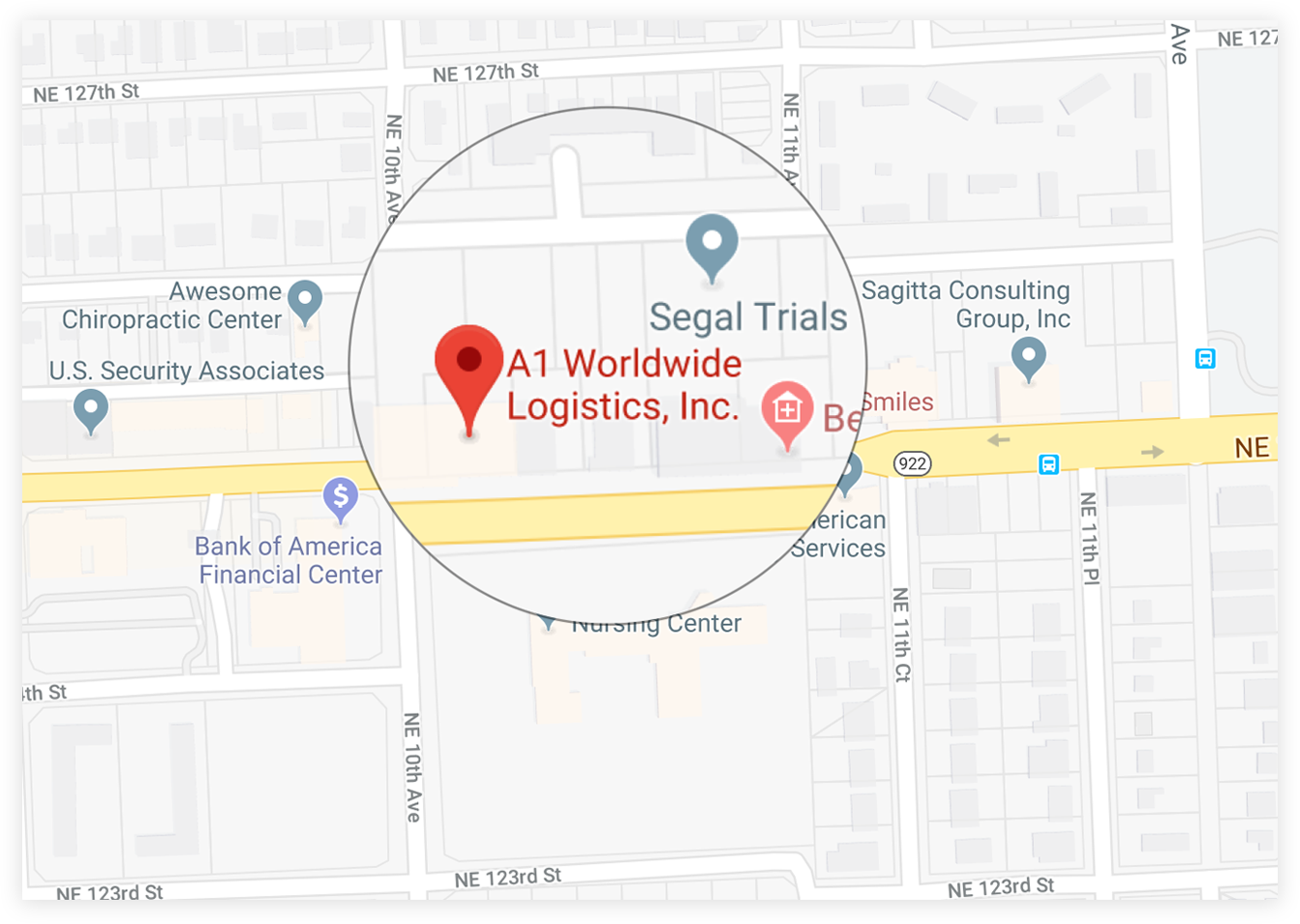
 1035 NE 125th St Suite #320, North Miami, FL 33161.
 a1worldwidelogistics.com
 (305) 821-8995
 Hours: 8AM - 5PM