
by A1 WorldWide Logistics | Jun 27, 2022 | clothes imports, Customs Broker Miami, Customs Clearance
Yearly, the United States imports over $80 billion in clothing and other apparel. Given its vital role, bringing clothes into the U.S. can be an exciting opportunity for shippers. Knowing what to expect can save time and money, whether you are importing for a business or as an individual. This article provides a basic understanding of the import requirements. However, contact a customs broker for more information.
Before beginning the import process, it is crucial to research the rules, regulations, and tariffs applicable to the import. Certain types of clothing are illegal to bring into the United States. An example could be cotton apparel or textiles grown in Xinjiang, China. Various government agencies also work in conjunction with U.S. Customs and Border Protection (CBP) to enforce import regulations. Some examples of these agencies are:
- Environmental Protection Agency (EPA): Enforces regulations on the import of dyed and coated clothing.
- Federal Trade Commission (FTC): Enforces regulations on labeling imports and ensures that the correct labeling is on them.
- Consumer Protection Safety Commission (CPSC): Enforces regulations for the flammability of clothing imports.
Some of the Requirements
When any clothing enters the U.S., it must have proper labeling. According to the FTC, the correct labeling should include the fiber composition, country of origin, manufacturer, etc. The FTC also implements a Care Labeling Rule requiring clothing imports to carry a label with care instructions. The importation of wedding gowns may also follow different labeling rules than regular clothing. Wedding gowns must have at least one safe cleaning method and the applicable warnings of that method.

When goods are imported into a country, they are subjected to tariffs and duties, and clothes are no exception. The duties must be paid to CBP before the importer can obtain their cargo. A person importing clothes into the U.S. needs to know the HTS code associated with their freight. An HTS (Harmonized Tariff System) code is used by the government to classify imports and determine the associated duties. Having the wrong HTS code may lead to a penalty and loss of the freight.
One of an importer’s essential preparations is having the correct paperwork ready. You cannot receive your shipment unless the documents are in the hands of customs. A few examples of typical documents are the bill of lading, certificate of origin, and commercial invoice. A simple way to ensure that you have the correct import documents is by hiring a customs broker. Customs brokers are individuals who specialize in the regulations and laws of the customs clearance process. They help with getting imported goods through customs.
How to Get Started
Importing clothes into the United States may not be easy, especially if it’s your first time. While intricate, you can simplify the importation process by contacting a freight forwarder and a customs broker. Freight forwarders organize the importer’s shipment and coordinate with the carrier to move the freight. Customs brokers are intermediaries between the importer and the U.S. Customs and Borders Protection (CBP). They submit the necessary documents and payments to the CBP on behalf of the importer. A1 Worldwide Logistics has these services and much more. Contact us at 305-821-8995 for a quote and get started on your shipment.

by A1 WorldWide Logistics | May 24, 2022 | Customs Broker, Customs Broker Miami, Freight Forwarding, Import and Export Experts
When importing automobiles into the U.S., there are various steps and regulations that one can expect. Knowing what to anticipate can save you time, money, and energy. This article will give you a basic understanding of what to expect and the necessary documentation for importing. The regulations for importing may vary by country; however, this is a general guideline. If you want further information or are importing a vehicle into the U.S., contact A1 Worldwide Logistics at 305-821-8995. We will give you a further breakdown of the process and offer a free quote for importing an automobile.
The Importation Process
Before deciding on importing an automobile into the U.S, it is imperative to research the legality of the car. Specific vehicles are not eligible to be imported into the U.S. due to the model or country of origin. There are also various U.S. safety and environmental regulations that a car being imported has to meet. The U.S. Department of Agriculture also requires that a car and its undercarriage are clean before being transported. This is to prevent foreign materials such as insects and soil from entering U.S grounds.
It is also essential to know the age of the car. A vehicle older than 25 years is considered an “antique” and has fewer conditions for importation. Vehicles past 25 years do not require DOT (Department of Transportation) compliance. Similarly, cars past 21 years do not require EPA (Environmental Protection Agency) compliance. When you’re ready to move the vehicle, contact a shipper or a freight forwarder.
Although freight forwarders and shippers are both responsible for the shipment, their methods differ. A freight forwarder moves the car from the start to the final destination instead of just port-to-port. The forwarder does this by acting as a third party that coordinates the shipment with multiple shippers. When the vehicle reaches the destination port, U.S. customs will check if the car complies with federal regulations. Once examined and the duties are paid for, the vehicle will be released and allowed to go to its final destination. Since many documents are involved, it is ideal to hire a licensed customs broker. A customs broker takes the burden of preparing the documentation to release the shipment from customs off the shipper.
Required Documents
This is a general list of the documents required. However, more documentation may be needed relative to the vehicle type. Contact a customs broker for more information.
- Bill of Sale: This is a record of sale which shows the transfer of vehicle ownership from one party to another.
- Bill of Lading: A legal document given to the carrier by the shipper that provides details and records about the cargo transferred.
- EPA Form 3520-1: The Environmental Protection Agency requires the submission of this form to customs to import passenger vehicles, highway motorcycles, and the corresponding engines into the U.S.
- Foreign Registration: The vehicle registration documents from the country of origin.
- DOT Form HS-7: A declaration form that ensures that the automobile confirms safety and bumper standards.
- Proof of Ownership: This may be a bill of sale, certificate of title, or a manufacturer statement of origin.
———————–
***If what you need is to import a bigger or heavier vehicle, such as a tractor or a truck, we can also definitely help you with that. Just call us and get your vehicles imported.***


by A1 WorldWide Logistics | Apr 28, 2022 | Agricultural imports, Import and Export Experts, Shipping Logistics, Supply Chain
Before importing agricultural products into the United States, you need to be aware of many regulations. Guidelines to import can be extensive; this article will give you a basic understanding of what to expect. Agricultural goods are products derived from animals or crops used for human consumption and sustainability. Some examples include fruits, vegetables, livestock, raw materials, fuel, etc. This article will describe the general process for importing. However, call A1 Worldwide Logistics at 305-821-8995 for a comprehensive explanation.
FDA Requirements for Importing Agricultural Goods
The Food and Drug Administration (FDA) ensures that food and medicine coming into the U.S. meet safety requirements. To begin importing into the U.S., you must register your facility with the FDA. Your “facility” is where the agricultural good was manufactured and packaged before being imported. Failure to register with the FDA may result in civil penalties such as detention holds and fines for your product. After registering, the FDA will assign you an agent to inspect and ensure that your products meet safety requirements. It is also necessary to have all the required permits for importing your goods. Find a customs broker to learn more about the permits and documents needed.
The importer has to send prior notice documents no more than 15 days before the goods arrive at the U.S. Information such as registration number, country of origin, product code, and more should be on the prior notice documents. The FDA also requires that your fruits and vegetables are appropriately labeled before entering the U.S. The types of label formats permissible by the FDA depend on the packaging and type of product. Once the goods arrive at a port of entry, a customs agent will inspect them before being released. The inspection prevents potential threats such as diseases, pests, and other threats from entering the U.S.
USDA Requirements for Importing Agricultural Goods
-

-
Watermelon cargo
-

-
Plantain being processed for import
-

-
Coffee beans in bags. Fresh coffee beans
The U.S. Department of Agriculture (USDA) enforces its regulations for importing agricultural goods as well. The USDA has different rules and services depending on the agricultural cargo imported. For example, the USDA has the Food Safety and Inspection Service (FSIS) for poultry, meat, and egg products. The FSIS makes sure that meat and egg products are safe for import into the U.S. The guidelines depend on the type of import; however, the eligibility depends on the country. The country has to be certified by the FSIS to allow importation into the U.S.
Countries that are certified have a certain number of goods eligible for importation which the FSIS determines using three categories. The three categories are Process Category, Product Category, and Product Group. Goods that are qualified for importation also have labeling and permit requirements based on the product. Similar to FSIS, the USDA also has the National Plant Protection Organization (NPPO), regulating plant importation. The NPPO ensures that the fruits and vegetables imported into the U.S. have the correct permit and certificate.
Once the agricultural goods reach the U.S., the Customs and Border Protection will ensure that you have the correct paperwork filled out. Finally, the imported goods will be moved to an import establishment for inspection before being released. If you need a customs broker to assist with the paperwork, contact A1 Worldwide Logistics at 305-821-8995. Our experts will guide you through the importation process and answer any questions.

by Rob Simmons | Oct 7, 2021 | Air Freight, Supply Chain
A recent trend that many companies have been concentrating on is the effect of air freight carrier emissions on eco-friendly supply chains. The global shipping company, FedEx announced in 2011 that they planned on cutting carbon dioxide emissions by 30% compared to an amount in 2005. Because of the increasing demand for e-commerce in the last few years, emissions were reduced by 27% instead of 30%. The demand made it that FedEx was forced to keep their older carbon dioxide-emitting aircraft in service.
Shippers who aspire to make their supply chains more sustainable may be faced with a dilemma from shipping their goods by air. While aircraft are a convenient way to move freight globally, they tend to be the hardest to reduce in terms of carbon dioxide emissions. This is because they produce a large amount of energy and require large amounts of gasoline compared to other means of transport such as trucks. Also, it may be decades before large, freight caring air carriers could be converted into fully electric.
Air Carriers are Important in Supply Chains
The past few decades have seen a growing reliance on air carriers to transport goods globally. Recently, the coronavirus pandemic put an even greater spotlight on the necessity of moving freight by air. Many goods such as vaccines and other essential equipment were needed to be transported with urgency. Even before the pandemic, shipping by air was a convenient transportation method for supply chains because of how rapidly the freight was moved. There has been the question asked if shippers planning to make their supply chains more environmentally friendly will stop using aircraft as a means of transport. However, this may not be the case because of how significant air freight carriers are in too many supply chains.
The Future of Air Freight Carriers
Although the reliance on air carriers to move freight may not end anytime soon, the aircraft may evolve to be more eco-friendly. Although it may be a long time before large aircraft become completely electric, smaller electric aircraft are already being created. DHL Express recently revealed that they ordered 12 small-sized aircraft to deliver freight. They are planned to deliver in small-scale distances across the U.S. It could be possible that electric airplane batteries may evolve similarly to how quickly our phone batteries evolved. Airplane batteries may soon be developed to power larger air crafts.
Companies are also finding alternative methods to reduce the carbon footprint of their supply chains. One of the ways is by sourcing the goods with more proximity to the client. This may mean a closer country or even the same country. The result can be reducing the carbon dioxide emissions in a supply chain by a certain amount and on a large scale, that amount may be immense.
Another solution that shippers are moving towards is using more sustainable aviation fuels. Sustainable aviation fuels or SAF’s are more eco-friendly alternatives to fossil fuels such as fuel from waste products, cooking oil, and plant oils. This type of fuel can reduce carbon dioxide emissions by over 75%. The issue is that there may not be enough of this type of fuel available for use. Because of this, the price for carriers to use SAFs is expensive compared to regular fossil fuels.
A1 Worldwide Logistics
Plan on having goods shipped internationally and need help with the process for doing so, feel free to reach out to us at A1 Worldwide Logistics. We provide various services that are tailored to your supply chain goals. Not only do we assist with your supply chains, but we also provide transparency in every part of your supply chain. This way you can have confidence in knowing that your goods will reach their final destination efficiently. Contact us at 305-821-8995 to find out about the many services we offer for your supply chain needs.
by Rob Simmons | Sep 8, 2021 | Customs Clearance, Freight Forwarding, Import and Export Experts, Shipping Logistics, Transportation
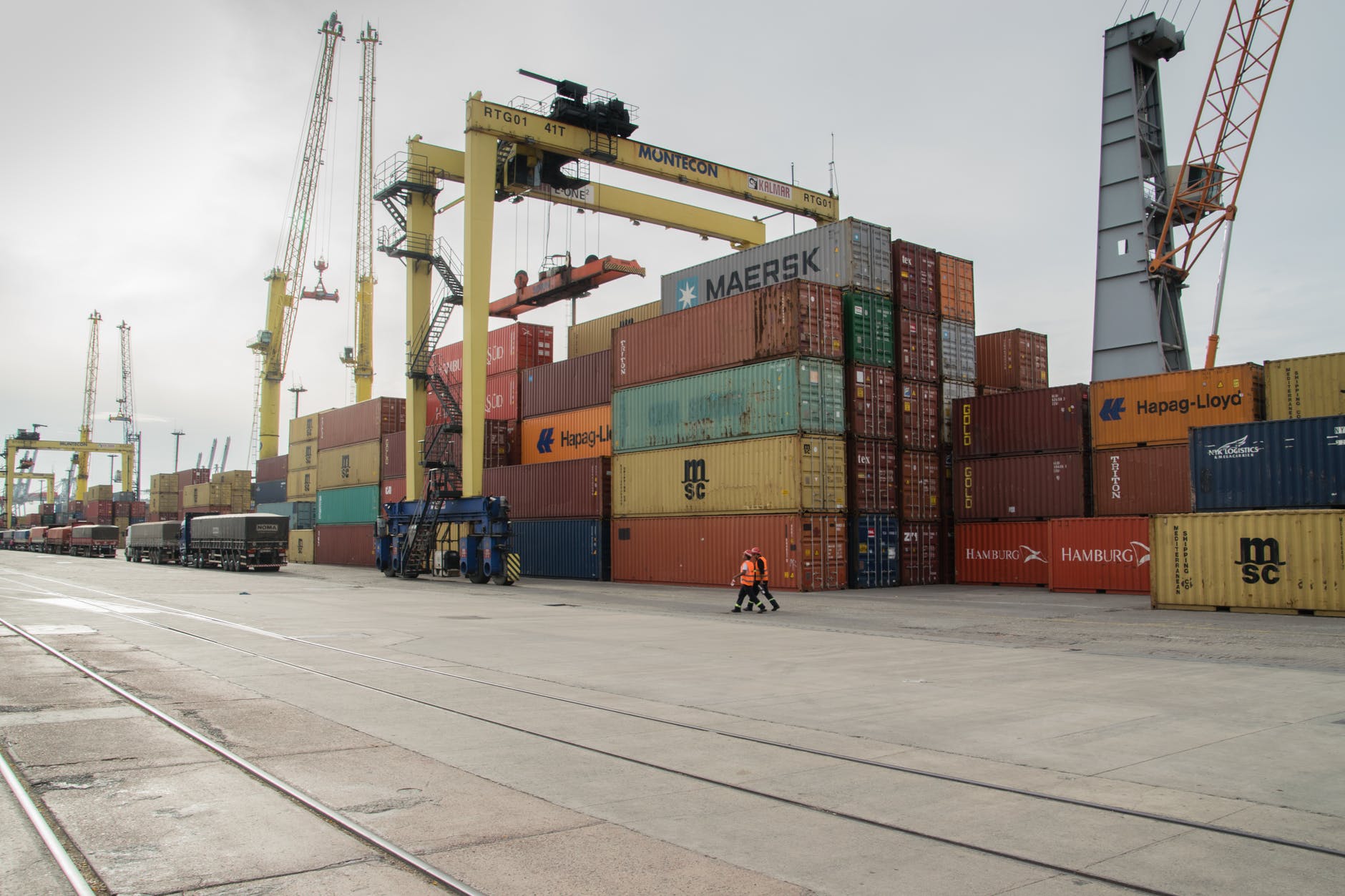
The current international freight shipping market is seeing a sizeable distribution of spot prices. When shipping containers, a spot price is a cost for moving freight shipments to a certain destination. Earlier this year there was a report that spot prices were high compared to last year, but they still are growing in the present moment. With spot rates growing for certain freight shippers, other shippers are finding a decrease in spot rates, and this can create an unbalanced spread.
The reason that the spread is so wide may be attributed to the current market. Situations such as port congestion and a scarcity of containers created a high demand in the market. The demand in trucking and warehousing has also risen compared to the capacity. Plus, with the holiday season quickly approaching, the demand may increase. This has led to a high push for shippers to get space on a freight vessel, rising the spot rates.
Why are Some of the larger Customers Getting the Leverage?
The trend in the spot rates may be more favorable for larger shippers than mom-and-pop shippers. The larger or more attractive shippers tend to pay fewer spot rates than smaller importers. This is because compared to a smaller shipper, larger freight shippers may offer more benefits for the carrier. Larger freight volumes from big shippers can be attractive to the carriers. Larger shippers may also provide the carrier with lengthy contracts and tend to have an already established relation to the carrier.
Xeneta, a shipping index and a benchmark for comparing ocean freight rates recently did an analysis of the market rates for the China-Los Angeles ports. They reported the short-term market rates had a high and low difference of around $1200 a few months ago. At the same time last year, the China-Los Angeles ports had a high and low difference of only $150. If this trend continues, there is a fear that smaller shippers may not be able to compete in the freight shipping market.
The Dependance on Location
One of the main contributors to the spot prices is where the freight leaves from and the final destination of the shipment. The trans-Pacific is the region in the Pacific Ocean where several countries cross over to do trade. Because of the vast number of countries doing trade in the trans-Pacific market, different countries may have their own market. This also can mean that they have their own spot prices.
For example, shipping from China may be cheaper than shipping from Japan. This is because China has some of the largest container ports in the world and may be able to move more freight in a certain time period. This high volume of freight that is able to be moved can lead to higher profits for carriers.
The destination of the freight being moved may also affect the spot price. The port of Los Angeles has experienced an immense amount of congestion in the past year. Even at the present moment, there are freight container vessels waiting to be unloaded. If a shopper plans on moving their freight through this port, short-term rates may be high due to waiting times. Now compare the situation to the Port of Hueneme a few miles away. With less congestion and traffic, the shipping rates per container may be less.
A1 Worldwide Logistics
Knowledge of the international freight shipping market is important when you plan on moving freight. Particularly in the current market, it is critical that you are getting a fair and understandable quote for your shipments. Contact us at 305-821-8995 or at info@a1wwl.com to get a quote on your shipment. Our freight forwarders look for the best quote prices for moving your shipments domestically and globally.



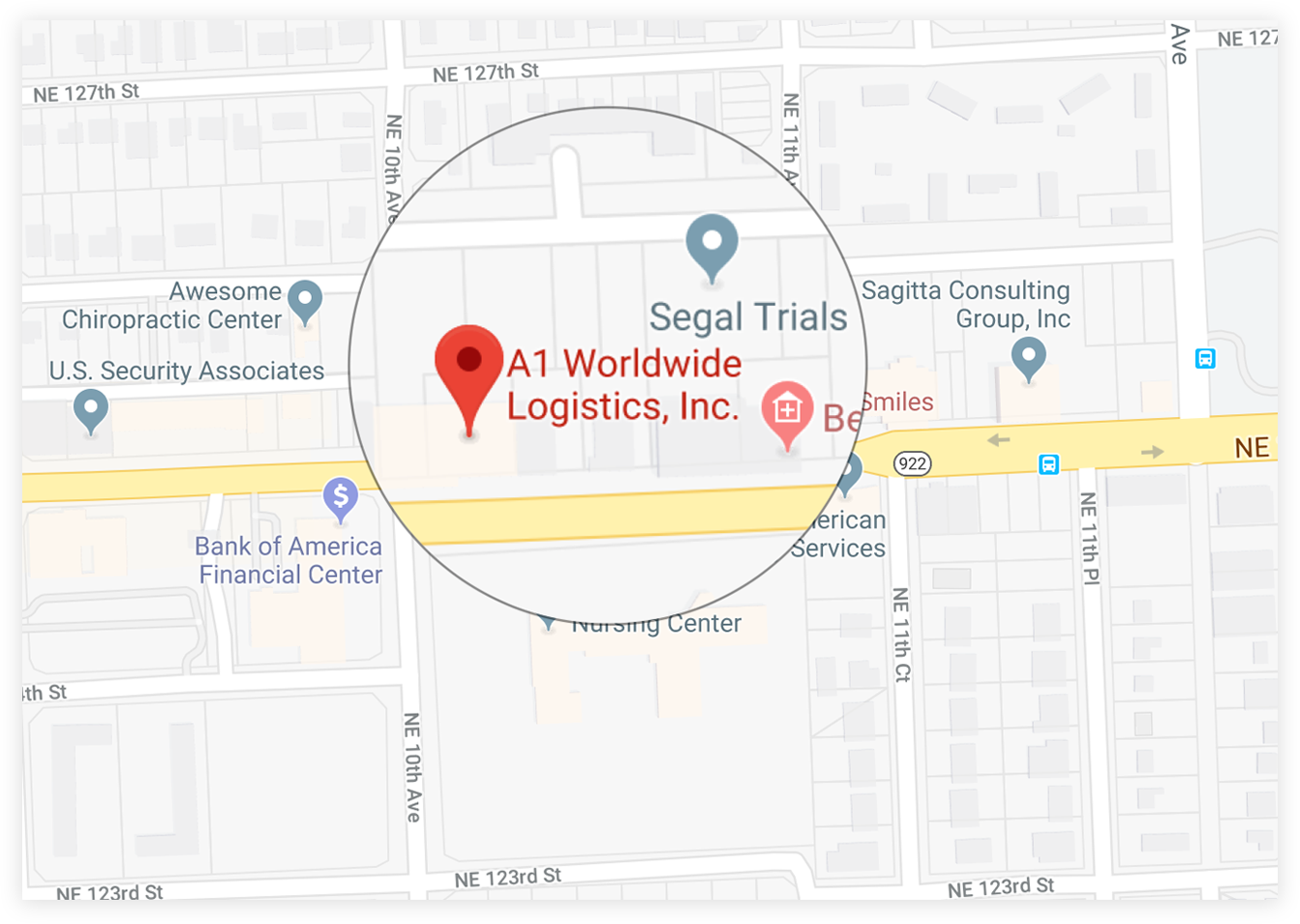
 1035 NE 125th St Suite #320, North Miami, FL 33161.
 a1worldwidelogistics.com
 (305) 821-8995
 Hours: 8AM - 5PM