
by A1 WorldWide Logistics | Feb 19, 2026 | Customs Broker, Economic trends, Shipping Logistics
Navigating the Chinese New Year is essential to consider when shipping during this time of year. Chinese New Year is a 15-day celebration marking the beginning of the year on the lunisolar Chinese calendar. In 2026, the holiday begins on February 17 and finishes with the Lantern Festival on March 3. While it is a time for celebration, the Chinese New Year can significantly disrupt international shipping. Understanding its impact on supply chains is crucial in preventing delays and backlogs. This article explains how the holiday affects shipping and how shippers can prevent disruptions during this period.
How is International Shipping Impacted By the Chinese New Year?
Exporting over $3.5 trillion in 2025, China is the world’s largest shipping company by volume. During the Chinese New Year, carriers, ports, and logistic hubs close or operate at limited capacity. This occurs weeks before and after the holiday, disrupting international shipping and supply chains. In particular, the shutdowns can lead to labor shortages, reduced capacity, and congestion. Port congestion may increase at US ports as shippers import higher-than-usual volumes ahead of the holiday. Customers expecting products may experience delays, especially in mid-to-late February. Another effect is that shippers may experience higher shipping costs due to delays and limited capacity. Truckers who pick up cargo from ports may also see higher costs.
How Can You Navigate the Chinese New Year?
Due to the Chinese New Year holiday, shippers must prepare in advance to prevent disruptions. It is ideal to import months in advance to ensure the cargo reaches the shipper before the holiday rush. Communicating with suppliers and freight forwarders is also beneficial in booking transportation space in advance or finding alternative routes. Importing from countries other than China can help mitigate price increases caused by delays and limited capacity. Switching to air transport is beneficial for smaller shipments that must be delivered within a timeframe. Another consideration is ensuring the paperwork is correct to avoid delays, such as having your goods held at customs.
Although importing goods into the US during this period may seem daunting, it should not disrupt cargo movement. Shippers should, however, take the proper steps to prevent disruptions and delays. When bringing in cargo from China or any other country, it is advisable to consult a customs broker. Customs brokers are licensed corporations, partnerships, and private individuals who arrange customs clearance on behalf of importers. In the US, they ensure shipments comply with CBP (Customs and Border Protection) regulations. Brokers do this by providing documentation, calculating duties, filing entries, and more. Reach our brokers at info@a1wwl.com or 305-912-0631 to learn about our services for getting your goods through customs.
by A1 WorldWide Logistics | Jan 27, 2026 | Customs Broker, Customs Broker Miami, Customs Clearance
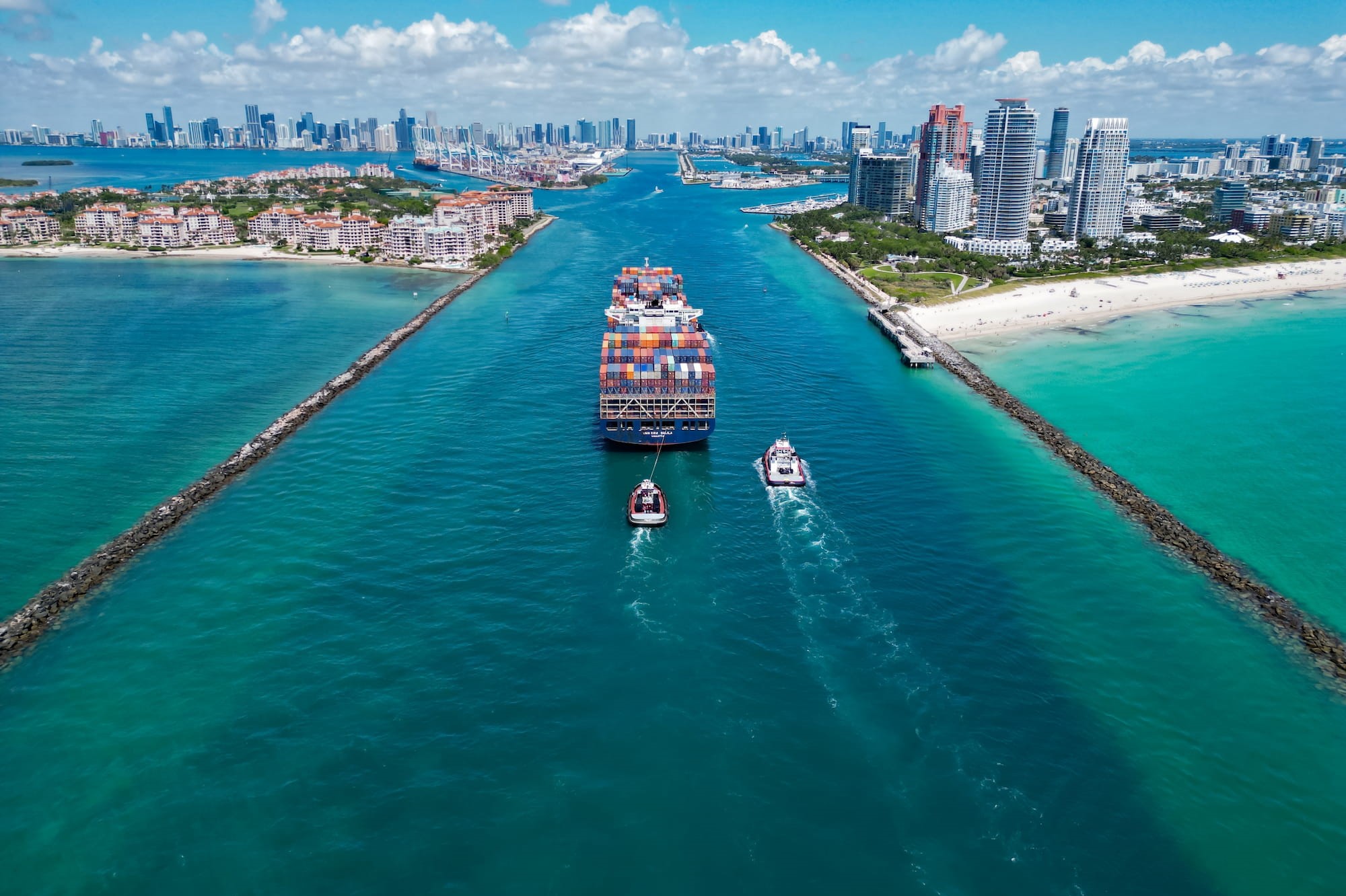
Due to the complexities of importing into the US, there are numerous benefits to working with a Miami customs broker. A Customs Broker is a licensed professional who coordinates the release of goods from customs upon entry into a country. In the US, brokers ensure compliance with the CBP (Customs and Border Protection). They do this by handling documents, calculating duties, filing entries, and more on the shipper’s behalf. Miami is a central location for US imports, and its location makes it a key hub for customs brokers.
Benefits Of Working With A Miami Customs Broker
Using customs brokers based in Miami is ideal, given Miami’s importance in international trade. A high volume of imports arrives in Miami each year due to its proximity to Latin America and the Caribbean. Due to the volume of goods entering the Port of Miami and Miami International Airport, brokers in the area have expertise in clearing a wide range of cargo. Miami customs brokers also provide value to shippers by helping them manage risk and control costs. They understand changing trade policies, tariffs, and free trade agreements, and can help avoid penalties. Businesses importing into South Florida or using Miami as a transshipment point can both benefit from its customs brokers.
A1 Worldwide Logistics
When importing into the US, shippers may encounter various regulations that can be confusing. Failure to comply with these regulations can result in delays and disruptions, potentially causing financial losses. A1 Worldwide Logistics understands this and has customs brokers that can help importers navigate the shipping process. Contact A1 Worldwide Logistics at info@a1wwl.com or 305-425-9456 to speak with our experienced broker about clearing your goods through customs.

by A1 WorldWide Logistics | Jan 14, 2026 | Freight Forwarding, Import and Export Experts, Supply Chain
When shipping internationally, having a good freight forwarder can be a deciding factor in your shipment’s success. Freight forwarders are supply chain specialists focusing on moving a shipper’s cargo. They act as intermediaries between the cargo’s shipper and the goods’ final destination. Due to the complexity of international shipping, shippers typically use forwarders to assist with the process. Not using forwarders can lead to issues for beginner and even experienced shippers. Using an unsatisfactory one is as bad and can lead to greater disruptions in the shipping process.
What Can Happen If You Don’t Use A Good Freight Forwarder?
Failure to use a good freight forwarder can result in costly and disruptive impacts to the supply chain. A significant effect is that the likelihood of delays can increase. This can result from the forwarder submitting incorrect or incomplete paperwork, causing ports to hold the cargo. Failure to comply with export regulations can also cause delays. Potential fines for incorrect paperwork can also arise when using an unsuitable freight forwarder. Unexpected costs may also arise from poor rate negotiations and hidden fees the forwarder fails to disclose to the shipper.
What Are Some Qualities Of A Good Freight Forwarder?
Understanding what to look for in a good freight forwarder is equally important as knowing the consequences of a bad one. Some of the major qualities of a good forwarder include:
- Expertise – Forwarders must have an excellent understanding of shipping numerous types of cargo, along with a proven track record.
- Communication – Having constant and excellent communication with customers is vital when helping them navigate international shipping. This can include continual updates and education for the shipper.
- Range of Service – Due to a supply chain’s various components, having numerous services like customs clearance, warehousing, domestic and international transport, etc.
- Compliance – Good forwarders should have a complete understanding of trade regulations to prevent delays and hidden costs.
Looking for a reliable freight forwarder? Contact A1 Worldwide Logistics at info@a1wwl.com or 305-425-9456. We provide full-service solutions for shipments arriving in the U.S. from anywhere in the world. Some of these solutions include customs clearance, freight transport, providing paperwork, warehousing, and more.
by A1 WorldWide Logistics | Jan 5, 2026 | Economic trends, Importing, Tariffs
An announcement from President Trump has led to the White House delaying tariffs until 2027. In particular, Trump is postponing planned tariff hikes on imported furniture products for one year. Some of these products include upholstered furniture, kitchen cabinets, and vanities. In September 2025, Trump imposed a 25% tariff on these goods and planned to raise it to 50% in 2026. The White House recently signed an order postponing the increase, which took effect on January 1, 2026. This delay is part of a rollercoaster of
tariff enforcement and reversals that has impacted the US in 2025.
Why Is The White House delaying tariffs?
The decision to delay a tariff increase follows the Trump Administration’s announcement of ongoing positive negotiations with trade partners. A significant issue was national security concerns related to the importation of wood products. The president initially imposed the 25% tariffs after a Section 232 investigation found that an overreliance on foreign timber may harm the US’s defense capabilities. Trump is delaying the tariffs to allow further negotiations with trade partners. The delay may also be due to addressing customer concerns about price increases.
What Can This Mean for Your Shipment?
Given the volume of furniture imported into the US, this postponement could significantly affect shipping, including lowering import costs. Trump’s initial imposition of the 25% tariff led to an immediate increase in import costs. Various parts of the supply chain were affected, from the importer to the customer. Truckers who had to move the goods to the final destination also incurred costs. A recent rollback of tariffs on 200 food products has further lessened inflation concerns. Demand for imports of goods such as furniture could also increase in the coming weeks as Trump reduces tariffs.
Despite tariff delays, importers should still take precautions when importing into the US. In addition to staying current with tariffs and regulations, consulting a customs broker is an ideal way to prepare. Customs Brokers are intermediaries between shippers and the US CBP (Customs and Border Protection) and coordinate customs clearance. They do this by ensuring regulatory compliance, providing documentation, calculating duties, filing entries, and more. Contact A1 Worldwide Logistics at 305-440-5156 or info@a1wwl.com to speak with our brokers about your shipment.
by A1 WorldWide Logistics | Oct 2, 2025 | Economic trends, Importing, Shipping Logistics
Shippers that bring goods into and out of the US could soon feel the effect as the government shutdown begins. On October 1, Congress disagreed on an operations funding bill, leading to the US government shutting down. When this happens, it can cause widespread disruptions for Americans and the economy in numerous ways. Along with impacting different sectors, a shutdown would directly impact international and domestic shipping. For example, it will affect the CBP (Customs and Border Protection), part of the Department of Homeland Security. This article will explain the impact of a government shutdown on cargo movement and how to protect your shipment.
What Can International Shipping Expect as the Government Shutdown Begins?
One of the most significant effects of a government shutdown on international shipping is increased delays. When this happens, the government will furlough or send home up to 750,000 federal workers without pay. While CBP officials are “essential,” ports will remain open; however the shutdown could furlough other workers, resulting in delays. An example is the FDA (Food and Drug Administration) workers, who may have to inspect certain imports before customs release. Many FDA workers are not essential, meaning the government could temporary discharge them, and fewer staff may lengthen customs clearance. During the last government shutdown in December 2018, delays rose by nearly 20% in the port of Los Angeles.
Delays can have further implications for supply chains, particularly for importers of perishables and pharmaceutical products with limited life spans. In addition to damaged goods, delays could cause higher costs in other parts of the supply chain. An example is drayage, the movement of goods over short distances, like from a seaport to another location. Nonessential functions may also pause for agencies like the Department of Commerce and the US International Trade Administration. This could further interrupt the shipping process by pausing permits and export licenses for shippers. A prolonged shutdown could further hurt trade and push foreign partners to look for countries other than the US to import from.
How Can Shippers Prepare?
Despite the government shutdown already starting, shippers can still protect their shipments during this time. The shipper must be current with any regulations that can impact cargo movement. Reading news articles or speaking to experts on importing and exporting are ideal ways to do this. Although ports run during this time, importers should prepare for longer transit times than usual. Importing through seaports with less traffic or using alternative methods of conveyance, like air or land, can quicken the process. shippers must file paperwork correctly since mistakes can lead to holdups in customs. If customs clearance is delayed, storing the goods in a bonded warehouse can prevent immediate duties.
When shipping cargo internationally, various situations, such as a government shutdown, can impact the process. While alarming, it should not stop the importation of cargo into the US. However, the shipper must take the proper steps to avoid disruption. Along with being informed and planning, an importer can prepare by contacting a customs broker. Brokers are licensed individuals or corporations who arrange the customs clearance process on behalf of the importer. They do this by providing various solutions like ensuring regulatory compliance, providing paperwork, calculating duties, and more. Contact A1 Worldwide Logistics at info@a1wwl.com or 305-425-9456 to speak to our brokers regarding transporting your cargo.

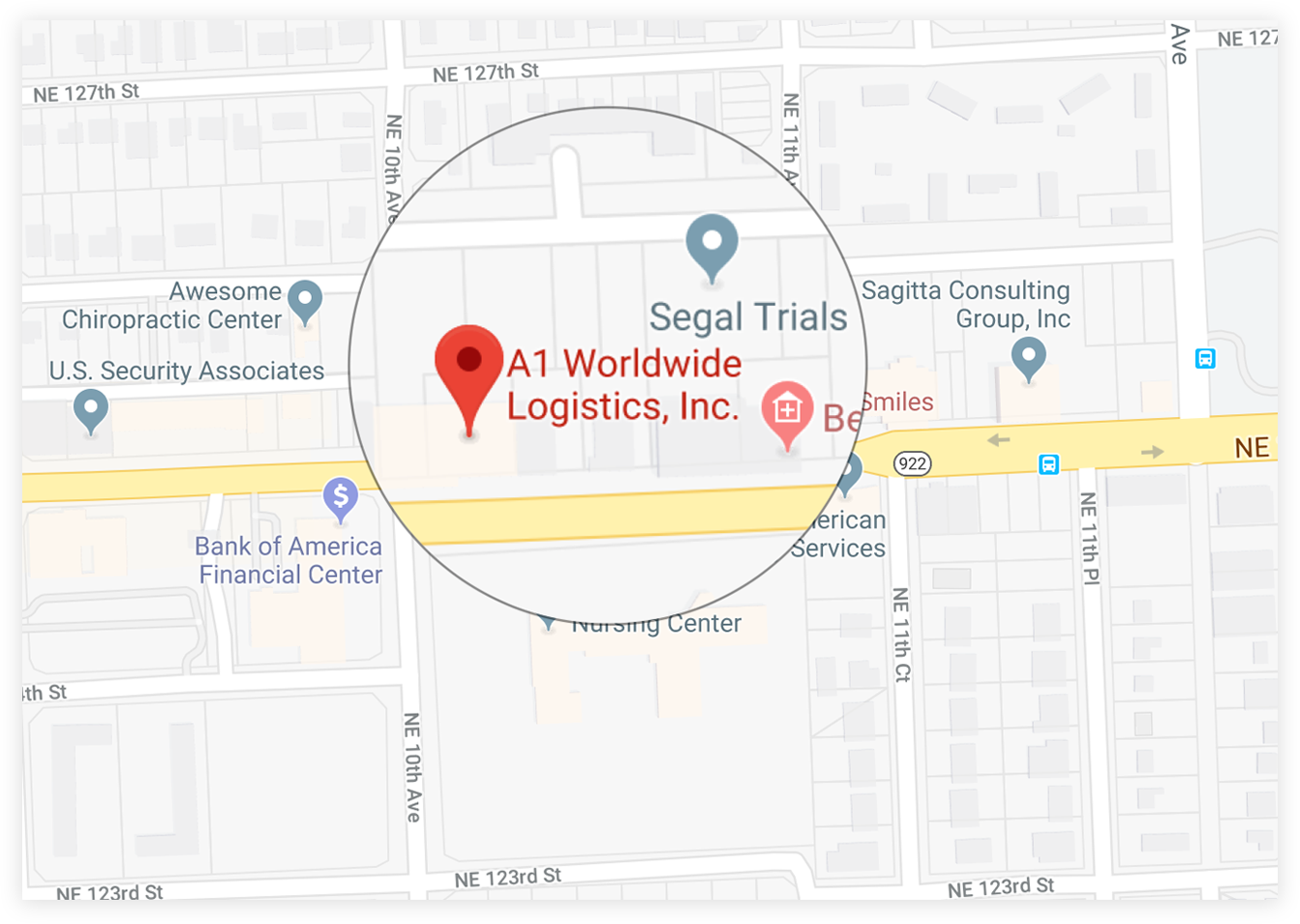
 1035 NE 125th St Suite #320, North Miami, FL 33161.
 a1worldwidelogistics.com
 (305) 821-8995
 Hours: 8AM - 5PM