by A1 WorldWide Logistics | Jul 11, 2024 | 3PL, Supply Chain, Transportation
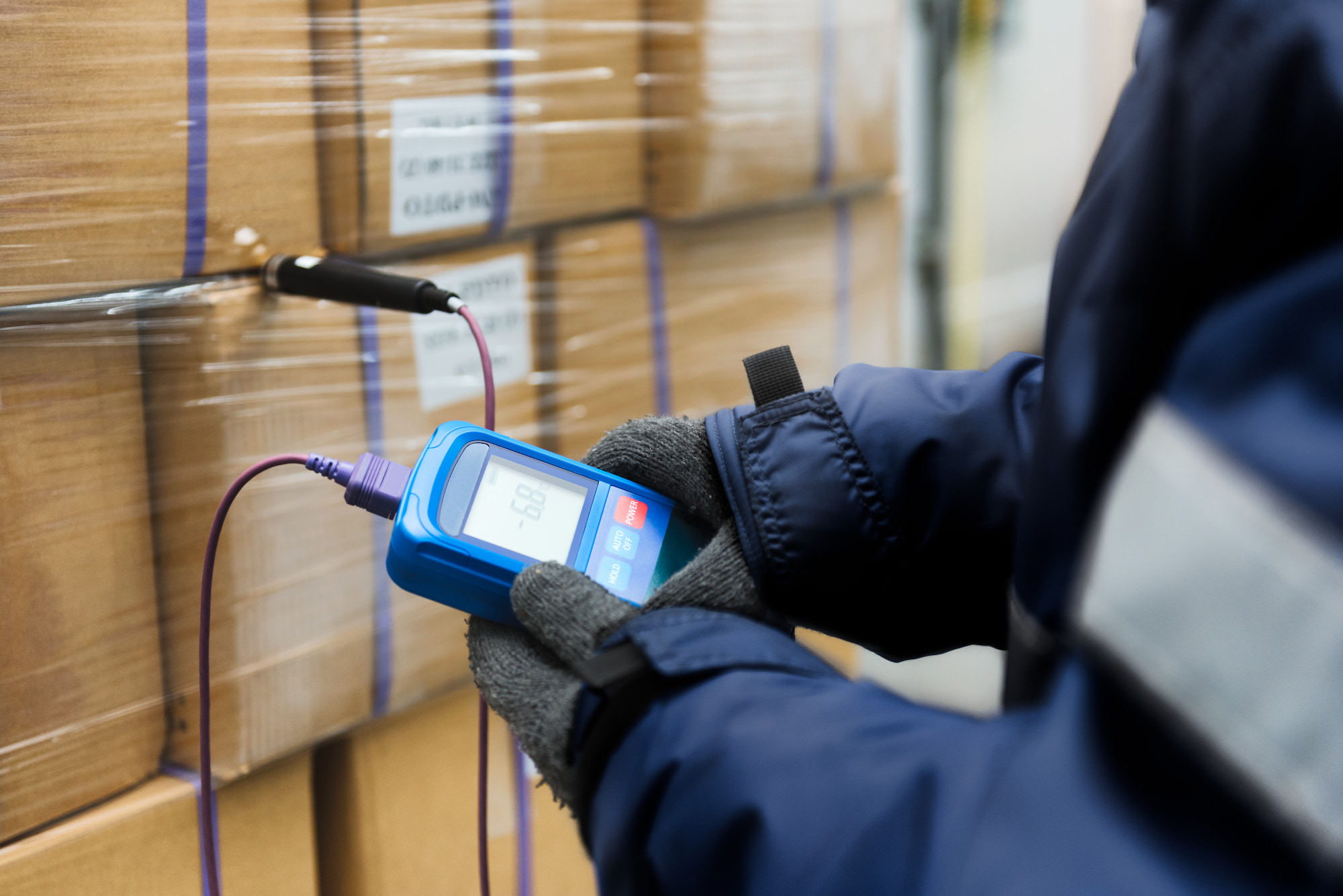
An essential consideration a shipper should make when moving temperature-sensitive cargo is understanding cold chain shipping logistics. A cold chain is a supply chain for transporting freight that has to remain under a specific temperature to prevent damage. These goods include perishable foods, beverages, pharmaceuticals, flowers, chemicals, cosmetics, etc. The process has the parts of a regular supply chain, like transportation and warehousing, but the temperature must remain constant. Cold chains have existed for hundreds of years, but technological advancements helped streamline the potential for more capabilities. While this article will focus on moving shipments internationally, the cold chain can also include domestic cargo transport.
What Are The Main Challenges To Cold Chain Shipping Logistics?
There can be various challenges and things that shippers should be aware of when starting a cold chain. This is due to the numerous components involved in the process. A common challenge is that the cargo has to remain at the same temperature throughout the journey. Even a tiny decimal point fluctuation in temperature can result in spoilage. Fluctuations can be the result of human error or equipment failure. Another challenge is that there are multiple standards and regulations that shippers have to adhere to in a cold chain. Regulators like the Federal Drug and Food Administration (FDA), the Department of Transportation (DOT), the International Air Transport Association, and U.S. Customs set the requirements.
Some regularity requirements include packaging, product stability, temperature transportation, and more. A lack of proper documentation is another issue that the shipper should be aware of. Depending on the type of shipment, the shipper must document data like storage temperature and conditions to prevent errors. Documents also include the paperwork needed for import and export. Failure to provide the correct papers can lead to delays in the shipping process due to holdups at customs. Delays are unfavorable for cold chains, with technologies like dry ice being temperature-sensitive.
What Is The Cold Chain Supply Chain Process?
The cold chain process starts long before the cargo leaves the location of origin. Before exportation, the cargo may be stored in a warehouse facility at the correct temperature to prevent spoilage. The same rule applies to the packaging, which should maintain the quality and prevent contamination before going on the carrier. Refrigerants can include dry ice, gel packs, EPS (expanded polystyrene) panels, and more. Shippers can use various methods of conveyance, like ships, airplanes, and trucks, to move the shipment. However, the transportation method has temperature-controlled systems. Examples include reefers (refrigerated containers) that keep the goods at the correct coldness during the journey.
When the cargo enters the destination port, the paperwork must be correct to prevent holdups. Once customs releases the shipment, a carrier delivers it to a warehouse or another location at the appropriate temperature. Despite the multiple components involved with transporting cold cargo, there can be numerous benefits for businesses and individual shippers. You can ensure the success of your cold chain by starting with the help of a 3PL (Third-party logistics) provider. 3PLs handle various parts of a supply chain, such as transporting, warehousing, and brokering, on behalf of the shipper. Contact A1 Worldwide Logistics at 305-821-8995 or info@a1wwl.com to speak to a 3PL provider regarding your cargo shipment.

by A1 WorldWide Logistics | May 16, 2024 | Importing, Shipping Logistics, Transportation
A type of import that can be challenging when starting is importing olive oil to the U.S. The reason is due to the various regulations and procedures that the shipper must follow. Organizations like the FDA (Food and Drug Administration) and CBP (Customs and Borders Protection) dictate these policies. Despite this, the U.S. is the 2nd largest importer of olive oil globally. In 2020, the U.S. had a share of 17.9% of all world imports and brought in over 403 thousand tons. Many benefits of olive oil have caused an uptake in the amount brought in recently, especially for restaurants and retail. With the growing push for healthier nutrition, shippers can benefit from importing olive oil.
What Should You Know About Importing Oil To The U.S.
There are numerous things shippers should know before bringing olive oil into the U.S. It is essential to understand the various regulations for importation. The country of origin also has numerous guidelines a shipper must follow before exporting. The FDA is the U.S.’s primary regulatory body and can be very strict on requirements. Examples of FDA prerequisites include a food facility registration, Foreign Supplier Verification Program (FSVP), prior notice of import, etc. The FDA also mandates that olive oil ships from an approved region follow safety standards and be labeled correctly. Failure to follow requirements can result in a delay or rejection of your import.
Along with the FDA, a shipper must adhere to regulations the CBP sets. The CBP is in charge of enforcing trade laws for the U.S., ensuring importers comply. This is to prevent any dangerous or prohibited cargo from entering the country. Additionally, the CBP ensures that import duties are issued and collected upon entry. Duties on olive oil shipments are based on the value of shipments. The blend of olive oil, such as virgin, extra virgin, and certified organic, also determines duties. The CBP may also require that the shipper obtain a customs bond in oil shipments valued at or over $2500.
What Is The Process For Importation
Before leaving the country of origin, the shipper must ensure that the cargo has the proper product labeling. Labeling includes crucial information like expiration dates, specifications, quality certificates, etc. The importer must also prepare the documentation beforehand to prevent holdups and delays. Some of the documents for importation include:
- Bill of Lading or Airway Bill
- Commercial Invoice
- Arrival Notice
- Certificate of Origin
Olive oil also requires other certificates like the Phytosanitary Certificate and the Certificate of Analysis. Two primary ways that olive oil ships internationally are by air and sea. Using the assistance of a freight forwarder can help find a suitable carrier regardless of the conveyance method. Once the shipment reaches the U.S., the CBP (U.S. Customs and Border Protection) will stop and inspect the shipment. When customs releases the shipment, you can move it to the final destination by trucking service.
The process of importing olive oil into the U.S. can be complex and could take more steps than the ones described in the article. Having assistance from a freight forwarder and customs broker can help streamline the process. A1 Worldwide Logistics has both services and more to ensure the success of your shipment. Reach us at 305-821-8995 to begin importing into the U.S. from anywhere internationally. Whether you bring in olive oil or any other commodity, we guide you through the process.
by A1 WorldWide Logistics | Nov 11, 2022 | Customs Broker, Customs Broker Miami, Customs Clearance, Freight Forwarding, Import and Export Experts, Shipping Logistics
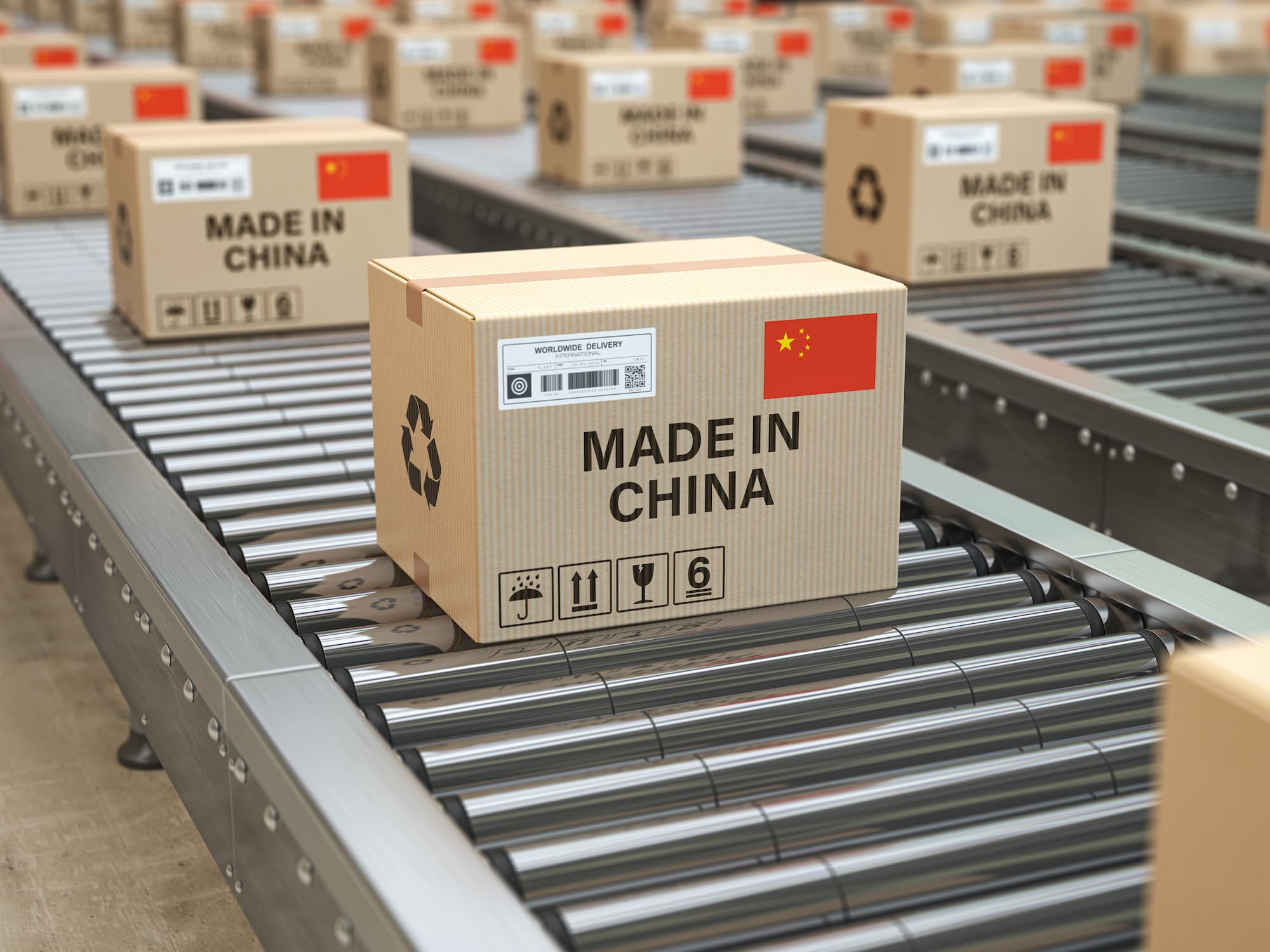
China is the U.S.’s biggest trading partner and the largest exporter of goods internationally. Because of China’s ability to manufacture products on a large scale, importing from the country can present many opportunities. Not only is growth possible for a business, but reduced costs, large quantities of imports, and other benefits are also possible. While importing may seem attractive to first-time shippers, understanding what’s necessary is essential for the shipment’s success. This article will explain how to prepare the required documents and what to expect during your cargo’s shipping journey.
Before deciding what to import, it is also essential to understand that certain goods may have restrictions and specific regulations. For example, any product from China’s “Xinjing” region cannot enter the U.S. The ban is due to human rights issues such as the forced labor of Uyghur Muslims. While you do not need a permit to import from China, certain commodities require an import license. Government agencies like the Food and Drug Administration (FDA) request that imports such as cheese have an import license. Speak to a customs broker if you are uncertain if your shipment needs a permit.
While you do not need a permit to import from China, certain commodities require an import license.
What Are the Necessary Documents
Documentation is a component of the shipping process that must be taken with care to prevent your shipment’s delay. While the documents depend on the imported commodity, specific papers are needed for every import. Certain imports require additional documents like inspection certificates for meat and egg products and energy-efficient labels like air conditioners. The documents may also vary by country, but we will mainly focus on bringing cargo into the U.S. from China. Some of the standard documents include:
- Importer Security Filing (ISF)
- Bill of Lading/Airway Bill
- Commercial Invoice
- Packing List
- Proof of Insurance
- Certificate of Origin (when Applicable)
- Arrival Notice
Shipments valued at $2,500 or above require a customs bond; an insurance policy to ensure the payment of taxes. A shipper can get a single-entry or continuous bond, depending on their shipment.
The Journey Begins
Once the freight is ready, it will be sent to a designated port in China for transportation to the U.S. Speak to a freight forwarder to arrange the transportation of the shipment. The main methods of conveyance for shipping internationally are by air or sea. Both ways have their benefits, like pricing and time. When your goods reach the U.S., they must pass through customs. Customs’ objective is the security of the people in the U.S. by preventing anything illegal or harmful into the country. While customs clearance usually takes less than 24 hours, it may take longer if the goods are “Held at Customs.” This happens when customs does not release your goods for various reasons, including unpaid duties and incomplete documents.
While the importation process is perplexing for first-time shippers, it is doable with the proper guidance. Contact A1 Worldwide Logistics at 305-821-8995 or info@a1wwl.com to begin your import journey. We guide you through each shipping process step to provide transparency with our services. Whether you need to speak to a customs broker or a freight forwarder, A1WWL has you covered.
Because of China’s ability to manufacture products on a large scale, importing from the country can present many opportunities.

by A1 WorldWide Logistics | Oct 25, 2022 | Shipping Logistics
The U.S. is known as one of the world’s leading countries in terms of medical innovation. Medical advances in the last 30 years have increased life expectancy by five years and decreased heart attack fatalities by more than half. There are currently over 1.9 million jobs in the U.S medical industry, of which small businesses are the leading creator. Due to the industry’s size, countries worldwide rely on the U.S. for their exported medical devices. Global reliance on medical equipment is also perfect for small companies planning to grow their business (some of the most widely exported medical devices are X-ray equipment and MRI systems). This article will explain what you will expect and how to prepare for exporting to other countries from the U.S.
Before shipping, it is essential to understand the regulations for transporting medical equipment outside the U.S. For example, any medical device a company wants to export must have prior Food and Drug Administration FDA approval. The FDA regulates the sale and safety of any medical device sold in the U.S. If the FDA has cleared a device, it can be sold and exported anywhere in the world. In the scenario of non-clearance in the U.S, devices must follow export provisions of the FD&C Act.
It is also crucial to know the policies that the country of destination follows. Contact a customs broker for information on the guidelines and required documents. Once meeting the policies, the shipper must find carriers to take the shipment to a port and export it internationally. The means of conveyance that the devices are transported can include planes, vessels, and trucks for countries connected by land. Different countries may also have specific tariffs that shippers must pay for imported medical devices.
The Documents Needed
When exporting, the shipper must have the correct paperwork available to prevent issues in the shipping process. This list is a summary; however, the documents may depend on the type of medical device. For more information, contact a freight forwarder. The documents can include the following:
- Certificate of Exportability 801(e)(1)
- Certificate of Exportability 801
- Non-Clinical Research Use Only Certificate
- Certificate to Foreign Government
- Simple Notifications
- Export Permit Letters
The Center for Devices and Radiological Health (CDRH) issues export certificates at the shipper’s request. The cost to issue a certificate is $175 for the first one and $85 for each successive certificate in the same request. A certificate is limited to 25 pages, and requesting a copy of the same certificate is $175 per 25-page increment. For a detailed explanation, visit the FDA Website. Permit letters and simple notifications do not require a fee to acquire.
The global medical device market is currently an estimated $536 billion industry. Over $159 billion is projected to come from the U.S. by the end of 2022. The exporting of medical equipment is in high demand and can help a business expand in many ways. Due to the requirements and logistics involved in the exportation process, it is ideal to find a customs broker to assist. If you plan on exporting medical devices to any country internationally, contact A1 Worldwide Logistics at 305-821-8995. Our experienced freight forwarders will guide you through the exportation process and provide open communication every step of the way.


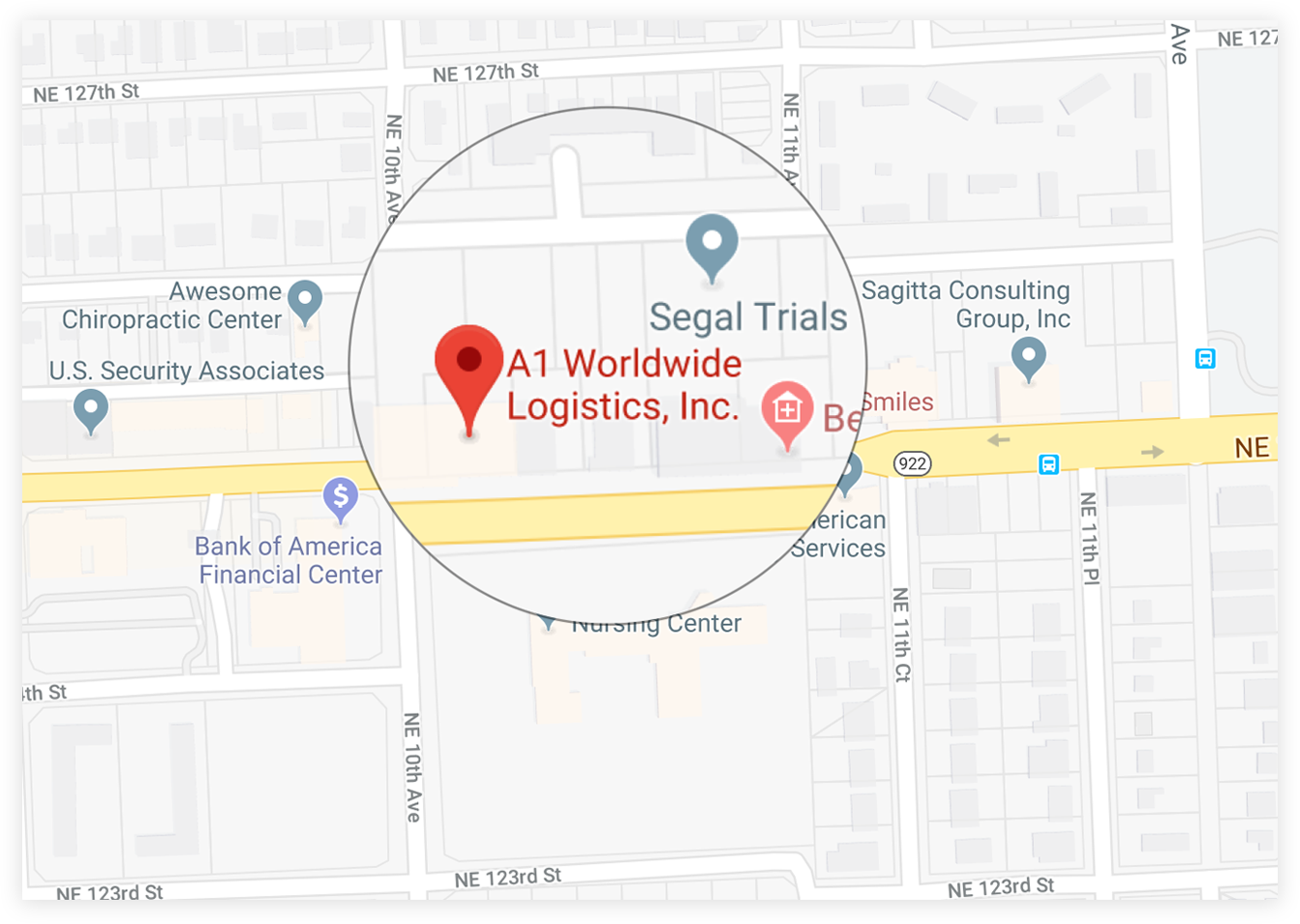
 1035 NE 125th St Suite #320, North Miami, FL 33161.
 a1worldwidelogistics.com
 (305) 821-8995
 Hours: 8AM - 5PM