
by A1 WorldWide Logistics | Feb 12, 2026 | Economic trends, Importing, Tariffs
A recent trade agreement will result in the US lowering Bangladesh tariffs to 19%. On February 9, American adviser Jamieson Greer met with Bangladesh advisor Sheikh Uddin to sign the Agreement on Reciprocal Trade. In addition to lowering the levy from 20% to 19%, certain textiles and apparel products will enter the US duty-free. These goods include US-sourced cotton and manufactured fibers. The agreement will also expand market access between the two countries, particularly for American industrial and agricultural products. This will cover goods ranging from machinery and communication equipment to dairy and beef products. With the ongoing international trade war over the last year, the news is a relief.
Why Is The US Lowering Bangladesh Tariffs and Finalizing A Trade Agreement?
The US and Bangladesh have reached a trade deal for various purposes, including strengthening bilateral trade ties. Lowering tariffs and offering duty-free importing for apparel made with US material will expand Bangladesh importers’ access to US markets. The access will increase trade flows between the two countries and strengthen economic ties. Another goal of the trade agreement is to support Bangladesh’s garment sector, which relies on exports. Lower and duty-free tariffs on imports like garments made from US cotton will benefit American retailers and help sustain orders. On a broader scale, the US has been negotiating with Bangladesh and other countries over the past year to reduce trade frictions caused by tariffs and strengthen trade relationships.
What Can This Mean For Shipping?
The Agreement on Reciprocal Trade between Bangladesh and the US could significantly impact international shipping. Both countries may benefit from increased cargo imports and exports, as well as access to each other’s markets. The US has been making similar deals with countries such as India for greater bilateral cooperation. A hope is that the US will continue to negotiate trade agreements that benefit importers and exporters. Supply chains that import from Bangladesh could also benefit from lower import costs, which in turn reduce costs for other components, such as domestic shipping.
As tariffs on imports from Bangladesh decline, it will be more beneficial for importers bringing goods into the US. It is still essential that the shipper take the necessary steps to avoid delays that could result in financial losses. To prevent shipping disruptions, it can be beneficial to consult a freight forwarder, such as A1 Worldwide Logistics. A forwarder is a person or company that acts as a middleman between the shipper and the carrier. They do this by offering a range of solutions, including providing documentation, customs clearance, warehousing, and consulting services. Speak to our forwarders at info@a1wwl.com or 305-423-9456 to begin moving your goods anywhere internationally.

by A1 WorldWide Logistics | Jan 28, 2026 | Economic trends, Importing, Tariffs
A recent announcement could result in President Trump raising South Korea tariffs to 25%. In a January 26 social media post, Trump threatened to increase South Korea’s import levies from 15% to 25%. The president further stated that the increase will apply to imports, including automobiles, lumber, and pharmaceutical products. Goods subject to Trump’s original baseline reciprocal tariffs will also be affected by the duties. The US initially lowered tariffs on South Korean goods from 25% to 15% as part of a trade deal in July 2025. South Korean officials were caught off guard by the announcement and are planning to speak with the US about the issue.
Why Is Trump Raising Tariffs on South Korean Imports?
President Trump’s primary reason for raising tariffs on South Korea is its failure to ratify a trade deal. In 2025, both countries agreed on a trade and investment framework valued at approximately $350 billion. The deal included the US lowering tariffs on specific Korean imports and South Korea investing in certain US industries. President Trump is increasing levies due to South Korea’s delay in implementing their part of the deal. On a social media post, Trump noted, “South Korea’s Legislature is not living up to its deal with the United States.” The goal is to use tariffs as leverage between Korea and other trade partners.
How Can Shippers Be Affected By Trump Raising South Korea Tariffs?
Since South Korea is a major US trading partner, a tariff increase will significantly impact US trade. Imports into the US from Korea could see a price increase, which will fall on other supply chain parts. In particular, the automobile and pharmaceutical industries will face higher costs. Despite Korea’s plans to “respond calmly,” if it does impose retaliatory tariffs, the cost could rise further. Shippers may begin sourcing from other countries or bring sourcing back to the US. Domestic shipping will also be affected, with drayage services potentially increasing import pickup costs.
With the tariff war ongoing, it is essential to ensure a successful shipment. Failure to prepare can lead to delays and financial losses, which is especially harmful if the importer has customers. An ideal way to prepare is by contacting a freight forwarder. Forwarders act as intermediaries between the shipper and the carrier, coordinating cargo movement on the shipper’s behalf. They do this by offering a range of solutions, including paperwork, customs clearance, warehousing, and more. Forwarders also provide consultation services to help navigate issues such as tariffs. Reach A1 Worldwide Logistics at Info@a1wwl.com or 305-425-9456 to speak to our brokers regarding your shipment’s success.
by A1 WorldWide Logistics | Jan 15, 2026 | Economic trends, Importing, Tariffs
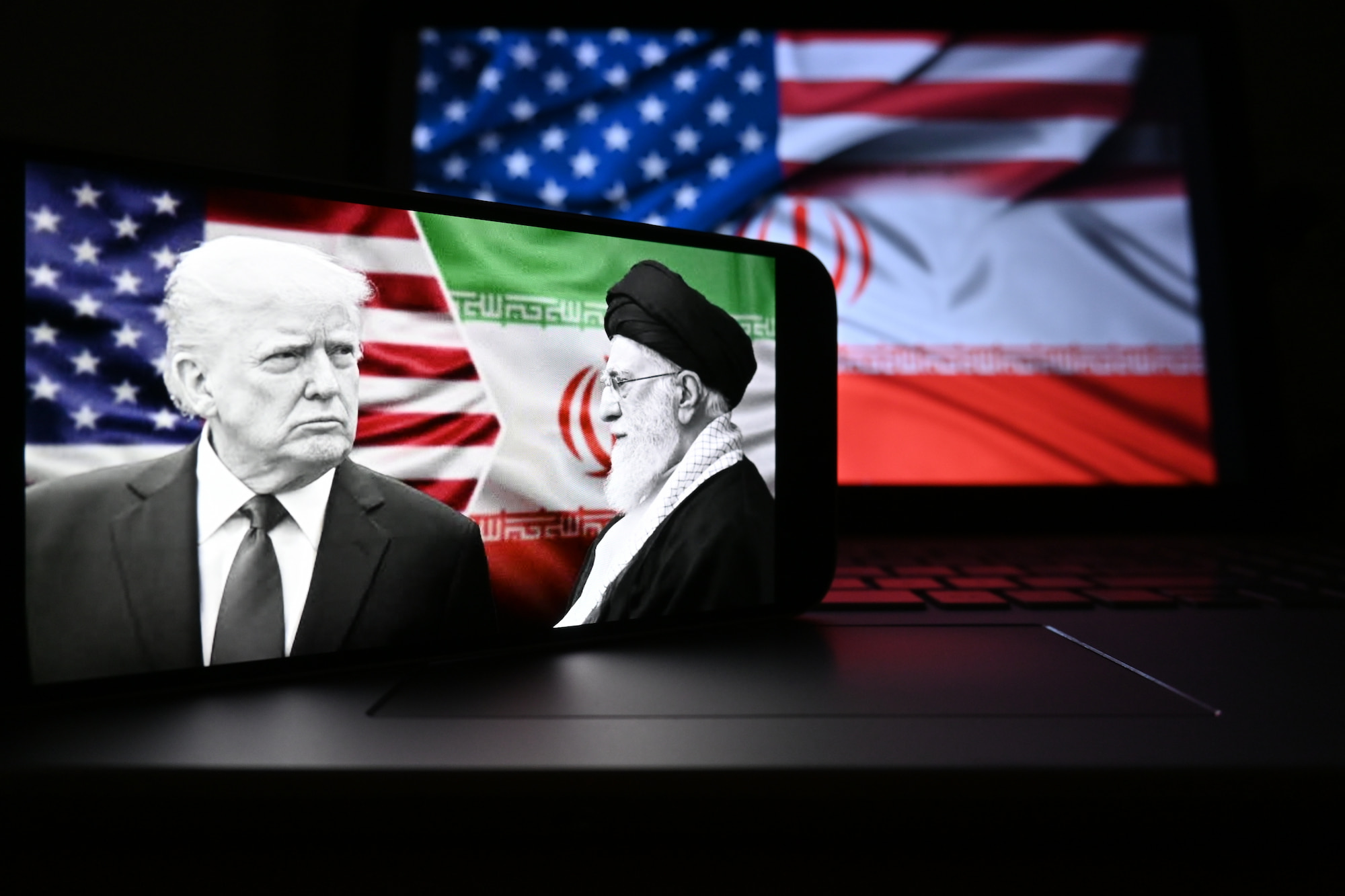
A recent announcement has President Trump threatening a new 25% Tariff on Iran’s trading partners. On January 12, the President announced the levies on a social media post. Notable countries that the tariff could affect include India, China, the United Arab Emirates, Turkey, and others. Although the White House has not published final guidelines, Trump noted that the decision was “final and conclusive”. With the Supreme Court currently examining the legality of other tariffs issued by Trump, this announcement further heightens uncertainty.
Why Is Trump Threatening A New 25% Tariff on Iran’s Trading Partners?
The primary reason for the 25% tariff is ongoing geopolitical tensions. Ongoing protests in Iran resulted in casualties of over 2000 people, and the tariff is a pressure against it. Trump recently stated, “If Tehran violently kills peaceful protesters, they will come to their rescue.” The president issued similar “secondary tariffs” last year for countries that buy oil from Venezuela. Trump’s goal is to coerce countries engaging with the Iranian economy to reconsider their ties amid the ongoing anti-government protests. Along with the levies, Trump has also talked about the idea of taking military action against Iran.
Could This Tariff Affect Your Shipment?
Iran’s trading partners that import into the US could face a primary impact if Trump enforces the tariffs. One of the most significant US importers and trading partners of Iran is China. Given the volume of goods coming from China, a tariff could increase import costs for shippers. China has already threatened retaliatory measures in response to Trump’s announcement. The spokesperson for the Chinese embassy in Washington, Liu Pengyu, noted, “Beijing would take all necessary measures to safeguard its legitimate rights and interests.” US importers could soon have to choose between American markets and economic engagement with Iran.
Regardless of whether Trump enforces the tariffs, international cargo movement should not be halted. Shippers should, however, take the proper steps to protect their cargo from disruptions. One way to prepare in advance is to speak with a freight forwarder, such as A1 Worldwide Logistics. Forwarders are companies or individuals that coordinate freight movement on behalf of the shipper. They do this by providing services like cargo transport, international and domestic shipping, customs clearance, warehousing, and more. Speak to our forwarders at info@a1wwl.com or 305-425-9456 to begin moving your shipment to its final destination.

by A1 WorldWide Logistics | Jan 14, 2026 | Freight Forwarding, Import and Export Experts, Supply Chain
When shipping internationally, having a good freight forwarder can be a deciding factor in your shipment’s success. Freight forwarders are supply chain specialists focusing on moving a shipper’s cargo. They act as intermediaries between the cargo’s shipper and the goods’ final destination. Due to the complexity of international shipping, shippers typically use forwarders to assist with the process. Not using forwarders can lead to issues for beginner and even experienced shippers. Using an unsatisfactory one is as bad and can lead to greater disruptions in the shipping process.
What Can Happen If You Don’t Use A Good Freight Forwarder?
Failure to use a good freight forwarder can result in costly and disruptive impacts to the supply chain. A significant effect is that the likelihood of delays can increase. This can result from the forwarder submitting incorrect or incomplete paperwork, causing ports to hold the cargo. Failure to comply with export regulations can also cause delays. Potential fines for incorrect paperwork can also arise when using an unsuitable freight forwarder. Unexpected costs may also arise from poor rate negotiations and hidden fees the forwarder fails to disclose to the shipper.
What Are Some Qualities Of A Good Freight Forwarder?
Understanding what to look for in a good freight forwarder is equally important as knowing the consequences of a bad one. Some of the major qualities of a good forwarder include:
- Expertise – Forwarders must have an excellent understanding of shipping numerous types of cargo, along with a proven track record.
- Communication – Having constant and excellent communication with customers is vital when helping them navigate international shipping. This can include continual updates and education for the shipper.
- Range of Service – Due to a supply chain’s various components, having numerous services like customs clearance, warehousing, domestic and international transport, etc.
- Compliance – Good forwarders should have a complete understanding of trade regulations to prevent delays and hidden costs.
Looking for a reliable freight forwarder? Contact A1 Worldwide Logistics at info@a1wwl.com or 305-425-9456. We provide full-service solutions for shipments arriving in the U.S. from anywhere in the world. Some of these solutions include customs clearance, freight transport, providing paperwork, warehousing, and more.

by A1 WorldWide Logistics | Jan 8, 2026 | Economic trends, Importing, Tariffs
A final Supreme Court ruling on tariffs imposed by the Trump Administration could come as early as Friday. Friday, January 9, will be an opinion day where the Supreme Court will discuss and potentially make a decision. In 2025, Trump imposed levies under the International Emergency Economic Powers Act (IEEPA), which is currently before the Supreme Court. Given the urgency of the situation, the Court agreed to expedite the review. A final decision will have a significant impact on international shipping and could reshape US trade policy.
What Will The Court Be Deciding On?
The primary decision would be on the legality of President Trump’s tariffs imposed under the IEEPA. In 2025, two federal courts ruled that the tariffs were illegal in a 7-4 decision. The argument was that Trump lacks the authority to impose the levies without explicit congressional approval. Following the verdict, the president requested an immediate review, citing national security as a justification for IEEPA tariffs. Trump also argued that the levies have collected billions for the US economy. In a social media post, Trump said the ruling against the tariffs would be a “terrible blow” to the US economy.
What Could The Supreme Court Tariff Ruling Mean For Shipping?
The final ruling could significantly impact international shipping. If the Court rules that the tariffs are illegal, the US government could be required to refund importers billions of dollars. Shippers must understand that only those who meet strict deadlines and comply with protocols are eligible. If the Court rules Trump’s tariffs legal, his presidential powers may expand, potentially leading to unilateral tariff enforcement. Along with rising costs for US importers, this could continue to strain relations with US trade partners. There is also a chance of potential retaliatory tariffs.
Regardless of the ruling, your shipment mustn’t be disrupted during this period of uncertainty. The shipper should, however, take appropriate steps to prevent delays, financial losses, and cargo loss. In addition to staying current with news and regulations, shippers can prevent disruptions by engaging a freight forwarder. Forwarders act as intermediaries between shippers and carriers, coordinating cargo movement. They do this by offering services like international and domestic shipping, customs clearance, warehousing, and more. Speak to our forwarders at info@a1wwl.com or 305-425-9752 for assistance with exporting and importing into the US.

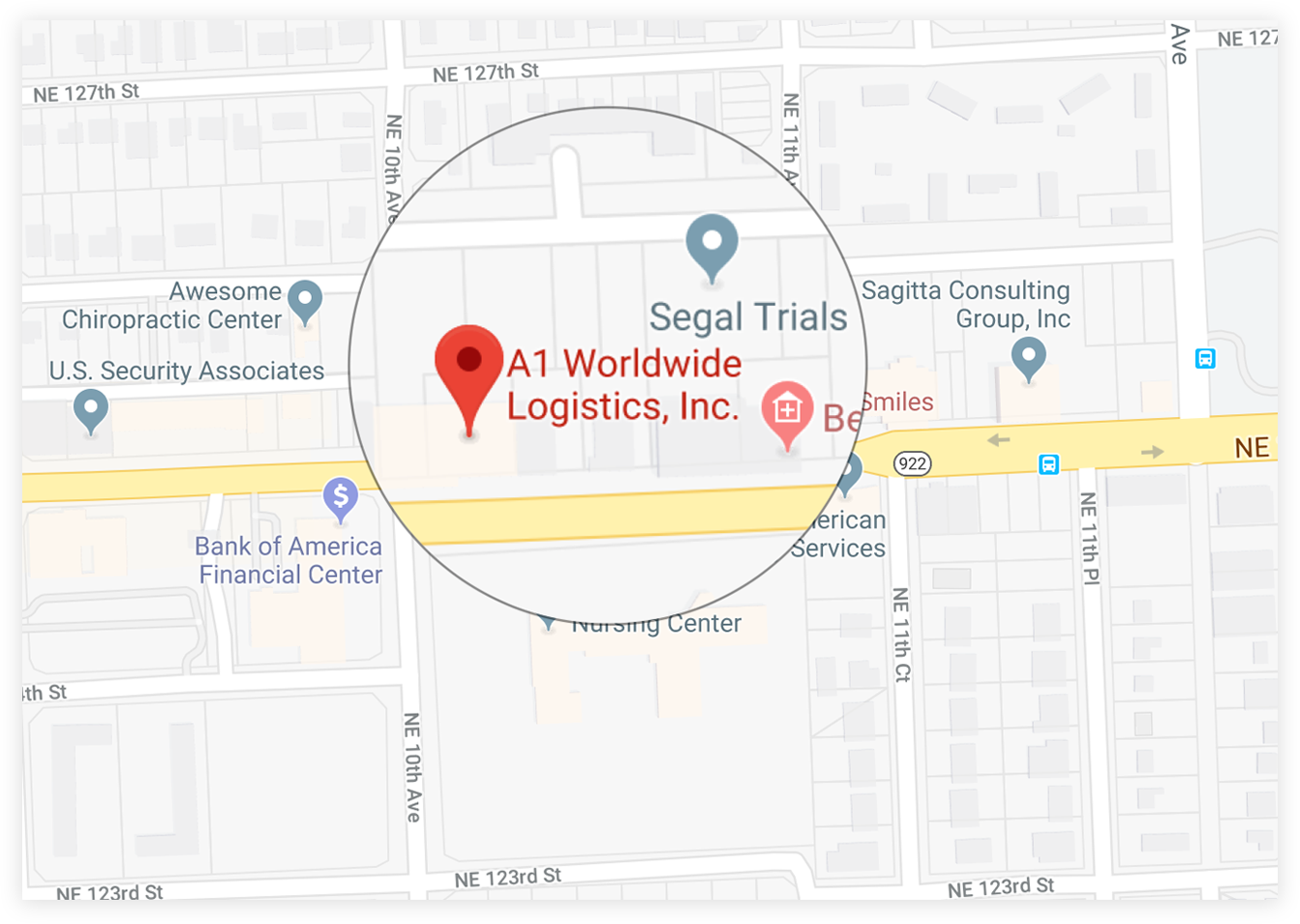
 1035 NE 125th St Suite #320, North Miami, FL 33161.
 a1worldwidelogistics.com
 (305) 821-8995
 Hours: 8AM - 5PM