by A1 WorldWide Logistics | Jul 3, 2024 | Agricultural imports, Importing, Supply Chain
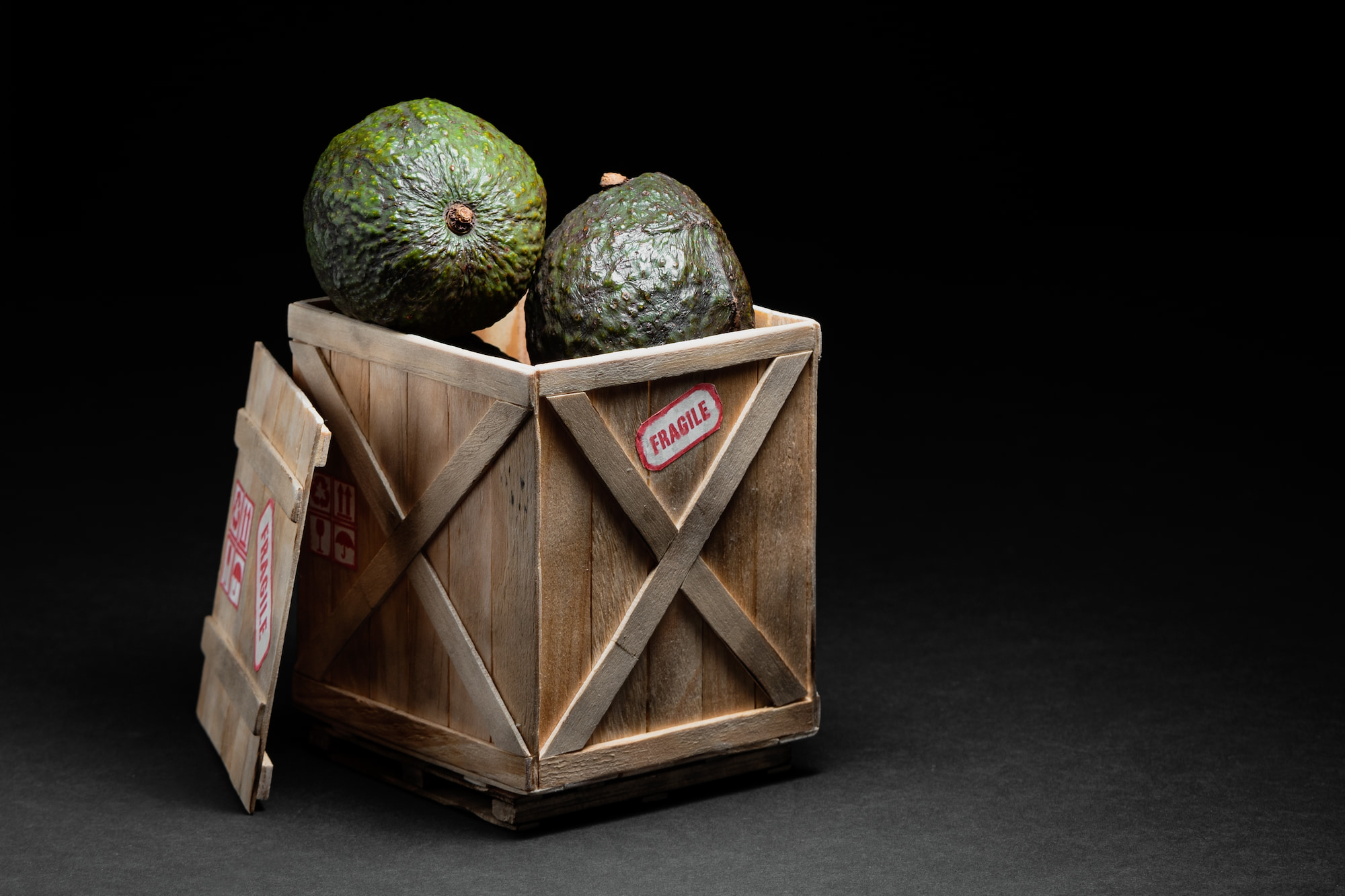
Businesses and individual shippers can benefit from understanding the process for importing avocados into the U.S. Avocados are the most imported fruit in the U.S., making up over 14% of all fruit imports in 2023. Nearly 90% of the avocado imports come from Mexico. However, Peru, Chile, and Colombia are popular alternatives. Approximately 80% of the Mexican avocado imports from the U.S. are from Michoacan. This is because Michoacan is the only region that can export the fruit to the U.S. Despite its popularity, avocados can be challenging to import since they’re perishable. This article will introduce the importation process and what to expect when starting.
What To Know Before Importing Avocados into the U.S.?
Before bringing avocados into the U.S., a shipper must understand that they must follow various rules and regulations. The U.S. Department of Agriculture (USDA) Fruit and Vegetable Division regulates avocado imports and has its smaller departments. For example, the Animal and Plant Health Inspection (APHIS) regulates plant imports to prevent the introduction of diseases and pests. For avocados, they enforce the phytosanitary requirements. All avocado shipments more significant than 55 lbs. must be inspected by the USDA for grade and maturity. The USDA requires that all avocados be grade two before coming in, which has its varietal characteristic. There are also maturity requirements like color, weight, and size to be aware of.
It is essential to understand the risks associated with shipping avocados and how to avoid them. Since avocados are a perishable fruit, they are susceptible to spoiling. Before leaving the place of origin, the exporter should package correctly to prevent exposure to heat or moisture. Packing crates and clean boxes are typically used by shippers to avoid damage and expose them to air. The shipper must set the entire avocado supply chain at a specific temperature before leaving the storage facility and afterward. It is also crucial to understand that there are duties for importing to the U.S. For avocados, the amount is 11.2 cents per kilogram.
What Is The Process?
When the shipper is ready to transport the avocados, they should use a refrigerated carrier to keep them from spoiling. Various methods of conveyance, like air, land, and sea, can bring avocados into the U.S.; however, the temperature must be correct. This is done by using a reefer container for shipping internationally. Paperwork should also be prepared beforehand by the importer. Examples of documentation are:
- Commercial Invoice
- Phytosanitary Certificate
- Bill of Lading or Airway Bill
- Certification of Origin
Once the avocados arrive at the port of entry, CBP and APHIS officials will inspect the shipment to ensure compliance. A customs broker can help in the clearance process by guaranteeing the shipper meets federal requirements. Brokers also provide other services like preparing documentation, paying duties, and classifying products. When customs clears the shipment, the shipper may use a carrier to move the avocados to their final destination.
With all the rules and regulations the U.S. requires for importing avocados, the process can be challenging for inexperienced shippers. Shippers typically use a freight forwarder to handle the shipment. Forwarders are the intermediaries between the shipper and the shipping company coordinating the cargo movement. They make sure that the carrier efficiently transports the avocados. Speak to a freight forwarder and customs broker at 305-425-9456 or info@a1wwl.com to begin importing into the U.S.
by A1 WorldWide Logistics | Jun 20, 2024 | 3PL, Economic trends, Shipping Logistics
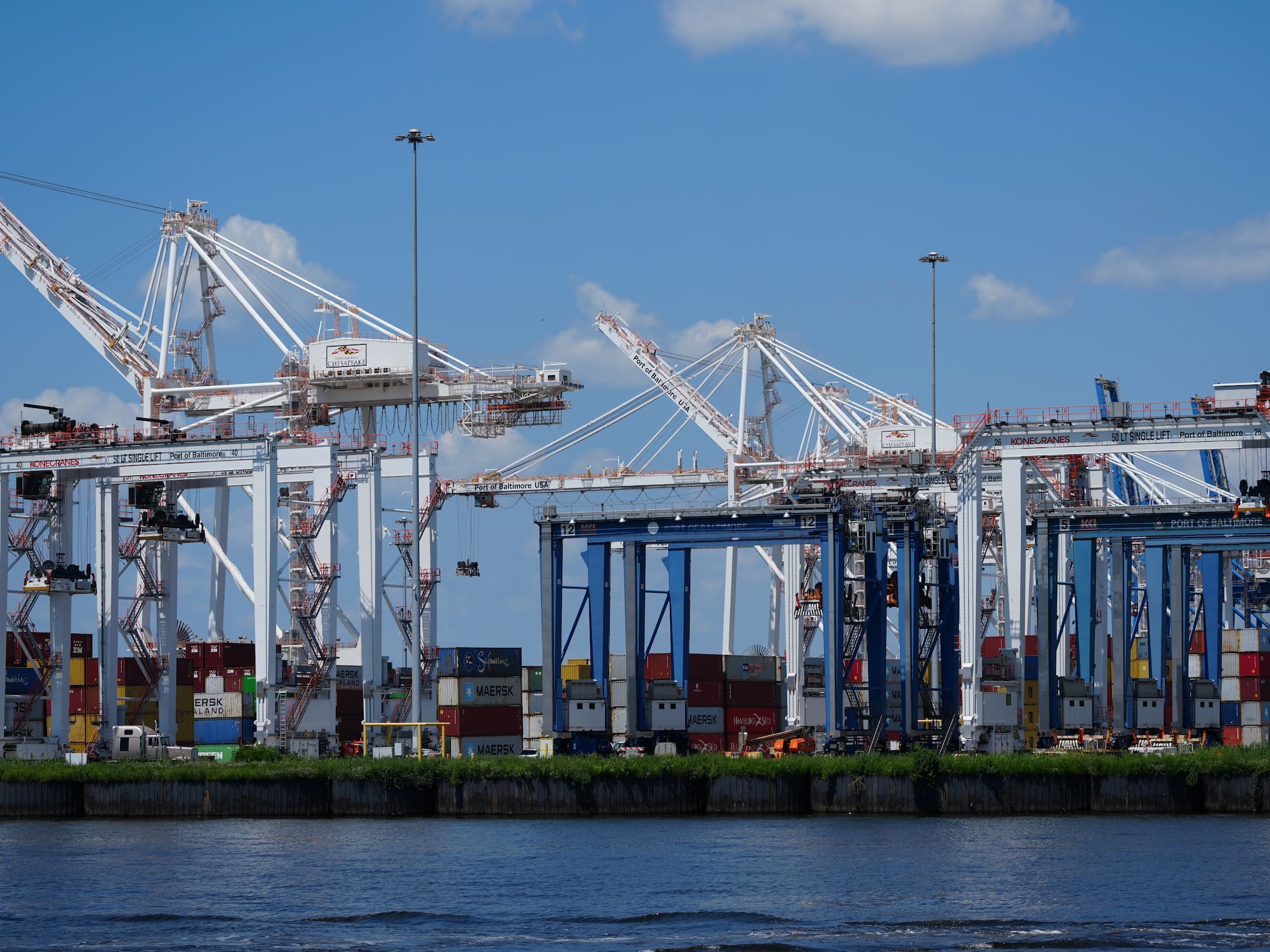
On Wednesday, June 12th, the Port of Baltimore reopened after nearly three months of working at limited capacity. A containership struck the Francis Scott Key Bridge on March 26th, collapsing into the Patapsco River. The bridge collapse resulted in the deaths of six workers and cut off vessel access to the port. Port officials responded by opening temporary alternative channels only for essential vessels and direct responders. Traffic in and out of the main channel was put on halt. The closure of the port led to logistics disruptions for many supply chains. Eleven weeks after the accident, the Fort McHenry channel is now back in regular operations.
How Did The Closing of The Port Affect Shipping?
The Port of Baltimore is known in international shipping as the busiest port in the U.S. in terms of vehicle imports. Along with automobiles, the port is famous for handling sugar, gypsum, construction machinery, and other commodities. Importers and exporters immediately began rerouting their cargo to nearby ports, causing bottlenecks in supply chains. Redirecting shipments also increased delivery time, which was unfavorable for shippers who had to move goods promptly. Congestion in the nearby ports like Savannah, Charleston, and Norfolk also increased due to the traffic moving their way. Some importers have also switched their shipments to West Coast ports, which has posed logistics challenges.
Domestic shipping was also affected by the collapse, with the port being a significant location for RoRo (Roll-On/Roll-Off) operations. Before the accident, approximately 3600 trucks crossed the Francis Scott Key Bridge daily, nearly 1.3 million yearly. Land congestion grew, with the area around the bridge being a significant trade region. This created delays for domestic shipping as well. Along with the cargo movement, the halting of operations also affected the regional economy. Thousands of longshoremen and small businesses have felt the impact of the port closure and bridge collapse. With the port opening up, longshore workers will return to their jobs as operations pick up.
Are Shippers Returning With The Port Of Baltimore Reopened?
When the Baltimore port closed, many regular shippers sought alternative seaports to import their cargo. The monthly general cargo went from almost one million tons in January 2024 to 1,822 tons in April. No importers have reported plans to modify their supply long-term from the closure. The rerouting was more of a short-term plan until operations returned to normal. Shippers that used the Port of Baltimore did so due to its many advantages. Along with its capability to handle numerous cargo types, it’s one of the closest East Coast seaports to Midwestern markets. Traffic has already started to pick up with vessels returning to the port.
Shippers should be aware of many considerations when beginning to move goods internationally. Situations like port closures and other scenarios can deter the shipping process and be unfavorable for the shipper. An ideal way to prepare against any scenario is by getting the assistance of a 3PL (Third Party Logistics) provider. 3PLs offer numerous services for transporting cargo while determining the best course of action for the shipper. Contact A1 Worldwide Logistics at 305-425-9456 or info@a1wwl.com to get started on your shipping journey. Whether it’s the Port of Baltimore or any other port, we help import and export your shipment anywhere globally.

by A1 WorldWide Logistics | May 16, 2024 | Importing, Shipping Logistics, Transportation
A type of import that can be challenging when starting is importing olive oil to the U.S. The reason is due to the various regulations and procedures that the shipper must follow. Organizations like the FDA (Food and Drug Administration) and CBP (Customs and Borders Protection) dictate these policies. Despite this, the U.S. is the 2nd largest importer of olive oil globally. In 2020, the U.S. had a share of 17.9% of all world imports and brought in over 403 thousand tons. Many benefits of olive oil have caused an uptake in the amount brought in recently, especially for restaurants and retail. With the growing push for healthier nutrition, shippers can benefit from importing olive oil.
What Should You Know About Importing Oil To The U.S.
There are numerous things shippers should know before bringing olive oil into the U.S. It is essential to understand the various regulations for importation. The country of origin also has numerous guidelines a shipper must follow before exporting. The FDA is the U.S.’s primary regulatory body and can be very strict on requirements. Examples of FDA prerequisites include a food facility registration, Foreign Supplier Verification Program (FSVP), prior notice of import, etc. The FDA also mandates that olive oil ships from an approved region follow safety standards and be labeled correctly. Failure to follow requirements can result in a delay or rejection of your import.
Along with the FDA, a shipper must adhere to regulations the CBP sets. The CBP is in charge of enforcing trade laws for the U.S., ensuring importers comply. This is to prevent any dangerous or prohibited cargo from entering the country. Additionally, the CBP ensures that import duties are issued and collected upon entry. Duties on olive oil shipments are based on the value of shipments. The blend of olive oil, such as virgin, extra virgin, and certified organic, also determines duties. The CBP may also require that the shipper obtain a customs bond in oil shipments valued at or over $2500.
What Is The Process For Importation
Before leaving the country of origin, the shipper must ensure that the cargo has the proper product labeling. Labeling includes crucial information like expiration dates, specifications, quality certificates, etc. The importer must also prepare the documentation beforehand to prevent holdups and delays. Some of the documents for importation include:
- Bill of Lading or Airway Bill
- Commercial Invoice
- Arrival Notice
- Certificate of Origin
Olive oil also requires other certificates like the Phytosanitary Certificate and the Certificate of Analysis. Two primary ways that olive oil ships internationally are by air and sea. Using the assistance of a freight forwarder can help find a suitable carrier regardless of the conveyance method. Once the shipment reaches the U.S., the CBP (U.S. Customs and Border Protection) will stop and inspect the shipment. When customs releases the shipment, you can move it to the final destination by trucking service.
The process of importing olive oil into the U.S. can be complex and could take more steps than the ones described in the article. Having assistance from a freight forwarder and customs broker can help streamline the process. A1 Worldwide Logistics has both services and more to ensure the success of your shipment. Reach us at 305-821-8995 to begin importing into the U.S. from anywhere internationally. Whether you bring in olive oil or any other commodity, we guide you through the process.

by A1 WorldWide Logistics | May 2, 2024 | 3PL, Delivery, Shipping Logistics
An important consideration when shipping cargo internationally is understanding what are outsourcing logistics. Outsourcing is when a company or shipper uses an external provider to provide services typically done in-house. Although outsourcing can happen in the same country, it commonly occurs in outside countries. These services can include manufacturing, operations, shipping, and other tasks. While certain businesses delegate specific functions to external sources, others transfer the majority of processes. With e-commerce and globalization growing rapidly, the need for outsourcing has also risen. This article will explain the benefits and challenges of this logistics model and focus on international shipping.
What Are Outsourcing Logistics And Why Do Shippers Outsource?
While there are numerous reasons that a shipper outsources, a common purpose is to cut costs. For example, a company that makes and ships a large quantity of goods typically has many expenses. Workers in other countries can cut production costs, allowing the company to make more goods. When shipping the finished products internationally, outsourcing the process also has monetary advantages. Expenses from owning and maintaining a carrier pile up over time as shipments grow. Likewise, in domestic transport, using an outside trucking company is cheaper than maintaining a fleet of trucks. Another benefit of outsourcing is the potential for expandability and scalability.
One of a company’s main goals is expansion, and outsourcing is one of the best ways to achieve this. As the volume of shipments increases, the ability to meet the demand becomes more challenging. Using a separate logistics company that can meet customer requirements allows quick scalability. Utilizing a third-party fulfillment center with storage and last-mile delivery enables a company to scale. Along with scalability, flexibility becomes possible when a business can quickly downsize or upsize operations based on market conditions. There are also many regulations that shippers have to follow when bringing in goods from other countries. Outsourcing importation to customs brokers is ideal for simplifying the customs clearance process.
What Can Be Some Disadvantages Of Outsourcing?
While outsourcing has various advantages, this logistics model can also have challenges. A typical issue is the decrease in communication that can arise from many parties involved in a shipment. For example, using a carrier company to move your cargo means that the shipper has to contact the carrier when issues arise. Poor quality carriers can be challenging to reach, which can be a problem in an emergency. Outsourcing can also cause other issues, such as a loss of control. Part of a supply chain goes to another party; if a mistake happens, it goes directly to the shipper. In extreme cases, the third party can commit cargo theft or any other offense.
Despite the challenges, numerous businesses outsource due to the value it has. A shipper must ensure that they find qualified carriers to move their cargo. Shippers can do this with the help of a 3PL (third-party logistics) provider. 3PLs match the sender of a shipment to an ideal carrier that can complete the transport. They also provide other services like warehousing, order fulfillment, reverse logistics, etc. To begin outsourcing, contact A1 Worldwide Logistics at 305-821-8995 to speak to our 3PL exports regarding starting. Along with a focus on transparency and reliability, we have numerous solutions for your supply chain.
by A1 WorldWide Logistics | Apr 25, 2024 | Customs Broker, Freight Forwarding, Importing
Whether you are a new or experienced shipper, ensuring a successful importation is essential when bringing cargo into the U.S. The U.S. is the most significant importer globally and brought in over $3 trillion of freight in 2023. It may be attractive when starting because of its numerous benefits for businesses and shippers. However, you should take special precautions to avoid potential disruptions during the process. Many things may go wrong during importing which can result in monetary loss or loss of the cargo. This article will explain what can go wrong when importing and give tips to ensure a successful shipment when starting.
What Can Go Wrong During The Importation Process?
Due to the complexity of importing into the U.S. or elsewhere, many components can go wrong. A common issue that arises when moving cargo is delays in customs clearance. Numerous problems can lead to delays like incorrect documentation, unpaid fees, not following packing or label regulations, etc. Holds can be especially bad for businesses that are shipping goods to customers. Another scenario that can go wrong is bringing goods into the U.S. with the incorrect tariff code. Having the wrong code can lead to shipment seizure and other non-compliance penalties. Once customs clears the cargo, late container pickup and drop-off can lead to demurrage or detention charges.
What Are Some Tips For Ensuring A Successful Importation?
Although scenarios like cargo damage can be unavoidable, there are parts of the process that an importer can control. Some of the ways that a shipper can ensure a successful shipment include:
- Have the correct paperwork – There are numerous documents that a shipper may require when importing into the U.S. Some examples include the bill of lading, packing list certificate of origin, arrival notice, commercial invoice, etc. Importers also should verify the correct filing of the paperwork. Incorrect documentation can result in goods staying at customs and extra costs.
- Understand the rules and regulations for importation – Countries that bring in cargo internationally have regulations that shippers must follow, and the U.S. is no different. Before shipping, importers must understand these guidelines and ensure their shipment follows them. An example is not importing illegal freight like absinthe, dog, or cat fur.
- Determine the correct tariff code – Similar to documentation, a shipper must ensure they have the correct HS tariff code. The HS (Harmonized Tariff) is a method for classifying traded goods. These codes help customs assess taxes along with other tasks. Use a tariff database or help from a customs broker when looking up your code.
- Prepare for risk – Importing internationally into the U.S. can have numerous risks, especially when starting. In addition to the tips in the article, the shipper should take extra steps, such as using reputable carriers to protect their goods. Having cargo insurance can be useful for unavoidable scenarios like the shipment falling into the ocean.
How To Get Started?
With all the tips in the article, starting may still be challenging for beginner importers. An ideal way to begin is by using a freight forwarder and customs broker to streamline the shipping process. Freight forwarders act as the middlemen coordinating your cargo’s movement into and out of the U.S. Brokers assist in the customs clearance when the shipment enters the U.S. Both professions handle part of the importation, allowing the shippers to focus on other parts of their supply chain. Contact A1 Worldwide Logistics at 305-821-8995 or info@a1wwl.com to start importing from anywhere internationally. We have forwarders, brokers, and different solutions to ensure the success of your import.

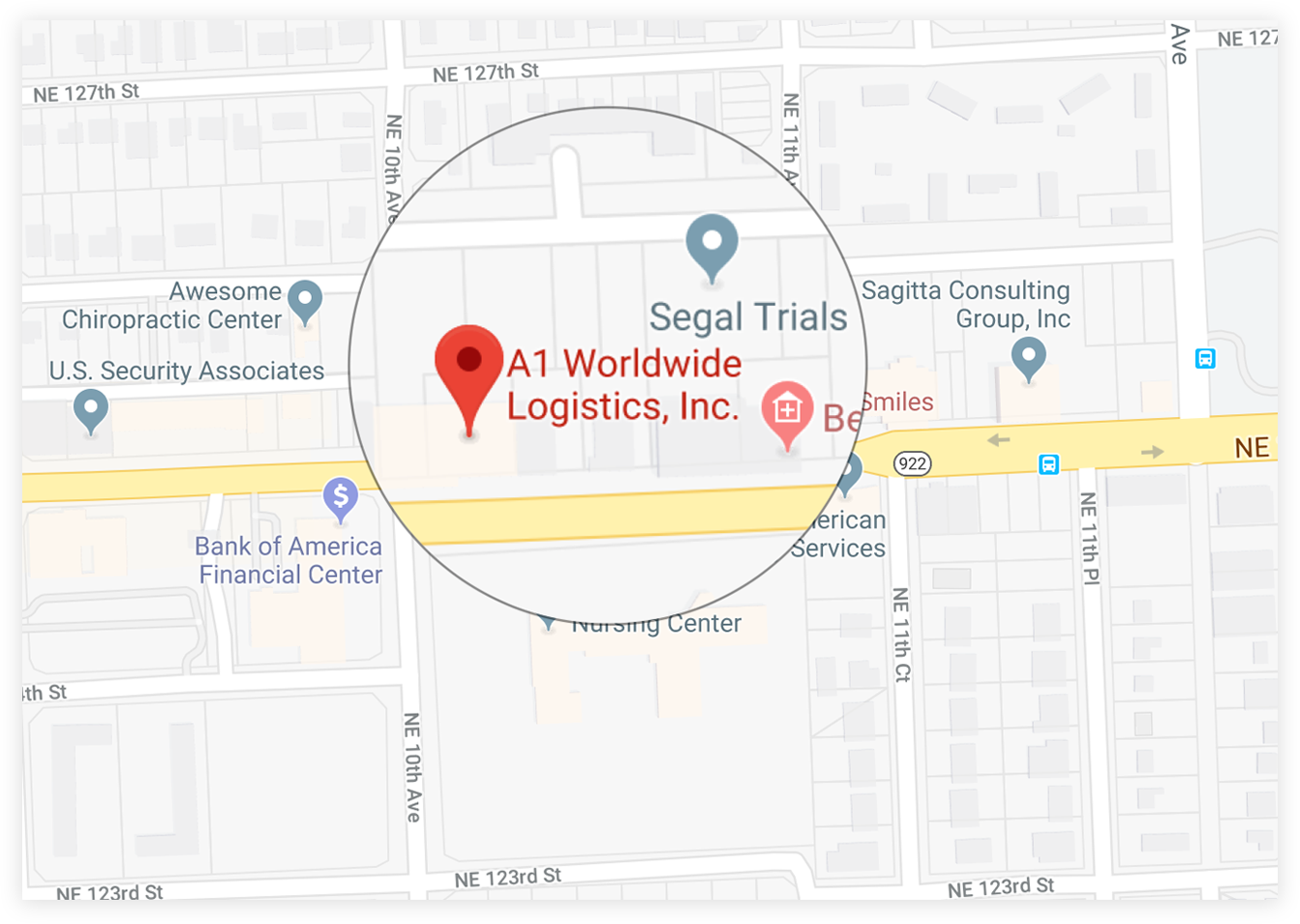
 1035 NE 125th St Suite #320, North Miami, FL 33161.
 a1worldwidelogistics.com
 (305) 821-8995
 Hours: 8AM - 5PM