
by A1 WorldWide Logistics | Feb 22, 2024 | Importing, Shipping Logistics, Supply Chain
A common question that new shippers tend to ask themselves when starting is what are free trade zones (FTZs). FTZs are specialized locations where shippers can import, re-export, manufacture, and store shipments with limited involvement of customs agencies. FTZs may also have extensive manufacturing facilities where companies import raw materials rather than ship finished products. These zones are usually around major seaports, airports, or areas with geographical advantages to trade. For example, the Colon Free Zone is near the Panama Canal and is the largest FTZ in the Western Hemisphere. Although there are similar areas globally, this article will focus on U.S. FTZs, known as foreign-trade zones.
In the U.S., FTZs began with the Foreign-Trade Zones Act of 1934, which helped encourage foreign commerce. The U.S. Customs and Border Protection (CBP) enforces import laws and monitors zone activities. Today, there are 298 FTZs located near throughout the 50 states. The U.S. further breaks the areas down into two types: general-purpose zones and subzones. A general-purpose zone is a location like a port or industrial park available to the general public. Subzones are private sites that a single company uses for a specific purpose. Compared to General-Purpose Zones, all financial responsibilities go to the single company with the permit.
How Can A Shipper Benefit Knowing What Are Free Trade Zones?
FTZs have numerous advantages when importing goods into the U.S. One of the most significant benefits is the cost savings the shipper can have. When merchandise is in the zone, it is exempt from customs duties and exercise tax. Duties only have to be paid by the importer when the cargo leaves and enters the local market. No duty payments are also needed if the shipper exports the product in FTZ. FTZs also allow for cost reduction by reducing merchandise processing fees (MPF) and inverted tariffs. An inverted tariff is when raw materials have a higher duty rate than the finished product. In FTZs, you can pay the lower rate.
An FTZ has many logistics benefits for a supply chain. Since CBP does not subject FTZs to duties, importers can use them to repair, inspect, and remove defective products. Companies that import and export large amounts of products benefit considerably from cost savings. FTZs also can help streamline supply chains by allowing for direct delivery. Direct delivery is when an import can go directly to the location in the FTZ without customs approval. Businesses with a substantial number of shipments often use this for quickness. Zone-to-zone transport of shipments is also possible free of customs duty payments since the cargo moves “in-bond.”
Customs Bonded Warehouse
When shipping goods internationally, it is essential to take proper precautions to ensure the success of a shipment. Along with FTZs, shippers have significantly benefited from using a customs-bonded warehouse. A bonded warehouse allows freight storage without paying taxes for up to five years from the import date. This allows the importer to look for customers and save money before they have to pay taxes for the shipment. You can also re-export the shipment free of tax payments during that time. Contact A1 Worldwide Logistics at 305-821-8995 or info@a1wwl.com to learn about our bonded facility.

by A1 WorldWide Logistics | Feb 15, 2024 | Economic trends, Shipping Logistics, Transportation
After months of turmoil, the ongoing Red Sea attacks are continuing on containerships passing through. On December 26th, 2023, Houthi militants attacked a containership of one of the biggest shipping companies in the world. Over the next month, and into February, the militants struck multiple ships moving through the waterway. The reason that the disruptions are happening is the Israel-Hamas conflict that has been ongoing over the last year. Initially the war was primarily in Gaza but has escalated to other parts of the region, like the Red Sea. The attacks are at a point where shippers exporting their goods globally are starting to feel the effect.
What Do The Ongoing Red Sea Attacks Mean For International Shipping
The Red Sea is one of the most significant waterways in international trade. It connects to the Suez Canal, one of the most crucial artificial passages for shipping. Nearly 30% of container volume and 12-15% of global shipping traffic passes through the Suez Canal. Due to the number of carriers that pass through, the attacks significantly affect cargo moving globally. The reason behind the strikes is to cause trade disruptions, which will potentially push Western governments to force Israel to a ceasefire in Gaza. International trade has begun to feel the impact of higher transit times, shipment delays, and more emissions.
International shipping has already felt the strain from the Ukraine-Russia war and the Panama Canal drought. One of the main effects is that delays and congestion in certain ports could continue to surge. Another effect is increased shipping rates, particularly in shipments from China to the U.S. West Coast. The China-West Coast FBX rate of $2,713 on January 3rd, 2024, was over 95% higher than in January 2020. Many believe the congestion will increase in the next few weeks, specifically in West Coast ports. This is due to U.S. West Coast ports like the Port of Los Angeles becoming a more attractive transportation route.
How Are Shippers Responding To The Attacks
With the conflict continuing, shippers are finding numerous ways to navigate the disruption. As mentioned, some of the biggest shipping companies have rerouted their carriers to various locations away from the Suez Canal. By January 2024, freight passing through the Suez Canal reportedly dropped nearly 45% in two months. A frequent route has been the Cape of Good Hope in South Africa, which has pros and cons. Although exporters avoid the disruptions, this journey adds up to 14 days to the shipment. Another solution that shippers are looking at is using other methods of conveyance, like air and land. Transporting cargo by air reduces the transport time to nearly one or two days, which is crucial for time-sensitive cargo.
When situations like the current conflict arise, you must take measures to ensure your shipment’s success. Although disruptions in a canal may not be avoidable, there are ways to avoid feeling the damage to your shipment. Coordinating with a freight forwarder is a primary factor in preventing delays and impediments to the supply chain process. Freight forwarders are logistics professionals with years of experience in shipping. Contact A1 Worldwide Logistics at 305-821-8995 to speak to our export forwarders and begin moving your cargo globally.
by A1 WorldWide Logistics | Jan 25, 2024 | Importing, Shipping Logistics, Supply Chain
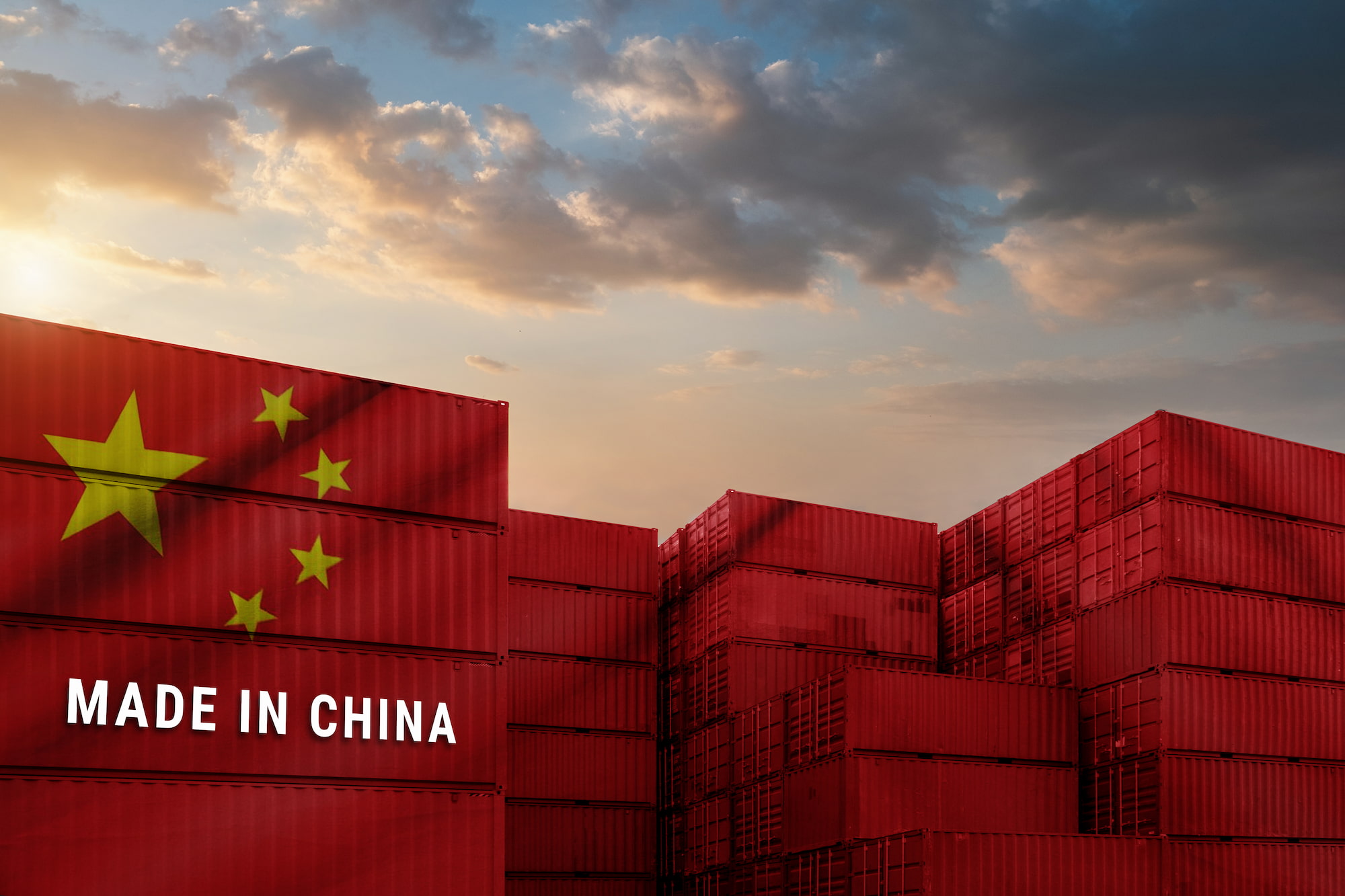
Due to China’s significance for international trade, shippers may face challenges when importing during Chinese New Year. Making up roughly 14% of the world’s total exports, China is the largest exporter of goods globally. The Chinese New Year is a festival that celebrates the start of a new year in a lunisolar Chinese calendar. This year, the Chinese New Year will start on February 10th, 2024, and finish on February 24th, 2024. During the holiday, ports, shipping companies, and factories limit operations or shut down, which can cause supply chain disruptions. This article will explain how the Chinese New Year affects shipping and how to prevent delays when moving cargo.
What Should You Know When Importing During Chinese New Year?
Chinese New Year is a 15-day period where business and production in the country decrease. With China being a powerhouse in world trade, a slowdown has a significant impact internationally. A major impact is that supply chain disruptions can grow during this period. Along with factories closing for more than weeks, a considerable part of China’s population is on vacation. Companies that import goods from China may experience delays and unavailability. Meanwhile, there is an increase in demand in the weeks leading up to the holiday, which can mean port congestion. This is at a time when the ports are already operating at limited capacity.
Congestion is not only felt at the ports; trucking services for moving the cargo to its final location also feel the bottleneck. The increase in demand can mean higher shipping costs since there is limited capacity to match it. Along with increased freight rates, carriers may add charges like peak season surcharge. There is also a shortage of containers due to the demand during the holiday. Even after Chinese New Year finishes, businesses and manufacturers do not return to normal immediately. It can take over four weeks for companies to return to normal production levels. Shippers can feel the majority of the impact between mid to late February.
How Can You Protect Your Supply Chain
Because of the impact of the holiday, shippers that have to move their cargo internationally must be ready to prepare. Preparing for the Chinese New Year should be done weeks in advance. Planning ahead can mean booking container space beforehand or communicating your needs with your logistics provider. Using more than one supplier or supplier in different countries can also help. In a scenario where prices increase, using LCL (less than Container Load) is beneficial for your shipment. LCLs keep prices down and can help prevent delays since full container loads are necessary before the cargo can move. Using different methods of conveyance, like air or land, can also assist in avoiding delays.
As the Chinese New Year quickly approaches, it is essential that international shipping is not disrupted by delays or other issues. Another way to protect your supply chain is by talking to a logistics company. Using the help of a dedicated and experienced logistics provider can help you navigate the Chinese New Year. Reach A1 Worldwide Logistics at 305-440-5156 for a quote to move your cargo Internationally. We also provide customs brokerage services to clear your cargo when it reaches the U.S.

by A1 WorldWide Logistics | Jan 4, 2024 | Air Freight, Economic trends, Shipping Logistics, Supply Chain
A continuous Israel-Hamas conflict is growing airfreight shipping due to delays in the Suez Canal. Over the last few months, tensions between the parties have escalated with an attack on Gaza in October of 2023. Cargo that has to pass through the Red Sea, in particular, has felt the effects of the war. The Red Sea is a significant passageway, with nearly 10% of the world’s freight passing yearly. Shippers have recently begun looking at alternate solutions, like redirecting shipments to navigate the conflict. Along with rerouting shipments to safer locations like the Horn of Africa, shippers are looking at air as an alternative.
How the Israel-Hamas Conflict is Growing Airfreight Shipping
Businesses and shippers are seeing no end to the Gaza war and are seeing an impact on cargo movement. Delays and potential danger may result in a surge in air shipping because of the benefits of this conveyance method. Rerouting ocean shipments to locations like the Cape of Good Hope adds up to 14 days to the journey. Congestion from the number of carriers redirecting further may increase shipping times. Using an air carrier can reduce the transport time to nearly one or two days. This is especially crucial for importers and exporters who must move time-sensitive goods for sales or production requirements.
Along with the crisis in the Red Sea, other situations are leading to a growth in air shipping. A growing shortage in container ships is happening at a time when China’s New Year is closely looming. The Chinese New Year is a peak season when significant goods pass through the Red Sea. Meanwhile, a record drought in the Panama Canal is further increasing traffic in the Suez Canal. The sizable traffic further pushes shippers to look for alternatives like air carriers to move their cargo. With nearly 3% of global trade done by air, a high demand can soon raise the percentage.
What Can This Mean For International Shipping?
Despite the majority of the war happening around near Israel, international shipping could start feeling the backlash. Nearly 12% of the world’s trade, including 30% of containers, passes through the Suez Canal. Carrier companies have already increased shipment rates moving through the Suez Canal. A major international carrier company has recently indefinably suspended operations in the canal, causing container spot rates to surge. Prices for shipping crude oil have also been rising. The impact on U.S. shipping may be minor relative to China and Asia. As the war persists, risks to global cargo movement could continue to grow.
Another concern is that the conflict may expand to other countries like Lebanon. Last month, Houthi militants in Yemen attacked several containerships passing through the Red Sea in the span of several days. While disruptions can be adverse when importing/exporting, they should not stop you or your company from moving freight. The shipper should, however, take better precautions to prevent delays and other scenarios from happening. Having a 3PL provider like A1 Worldwide Logistics coordinate your shipment is an ideal way to navigate potential disruptions. Contact us at 305-821-8995 for assistance in transporting cargo internationally. We have various methods of conveyances like air, sea, and land to guarantee that you meet your shipping goals.

by A1 WorldWide Logistics | Dec 28, 2023 | Customs Broker, Customs Clearance, Importing, Shipping Logistics
In international shipping, not using a licensed CHB can adversely impact the shipper and customs brokerage. A licensed Customs Broker (CHB) is an individual or company that has acquired licensing from the U.S. Customs and Borders Protection (CBP). The licensing allows the individual or company to act as an intermediary between the importer and customs authorities. CHBs coordinate with customs to release the goods that a shipper imports into the U.S. Some of the tasks of a licensed CHB can include:
- Ensuring the clearing of goods from customs by ensuring that the imports comply with the laws and regulations of customs
- Preparing and Submitting the required paperwork for customs clearance to customs on behalf of the importer
- Acting as the middleman between the importer and customs authorities and assisting with any issues arising during the clearance process
- Determining the proper classification and valuation of the cargo for tax and customs purposes.
When importers decide to use a Customs Broker, the CHB they choose must run operations legally. For example, all customs businesses that a brokerage does must have the supervision of a licensed CHB. Customs business is any transaction with customs authorities regarding the entry of a shipment into a country. An example is data entry filings, in which the CBP prohibits filing from foreign service centers.
The Ramifications of Not Using a Licensed CHB
Customs Brokers who do not do all customs business under the supervision of a licensed CHB can risk potential repercussions. The consequences can range from monetary fines to termination of the brokerage. It can be helpful for the shipper to ask the broker where they do their work and entry filings. Along with the legal consequences of not doing customs business in the U.S., this can also impact the importer. If the CHB gets in trouble for using an outside source, customs can hold and seize the shipment. This can lead to monetary loss for the shipper and look unfavorable if the importer is a business with customers.
Looking For A Licensed Broker?
Due to the extensive regulations that the importers must follow, customs clearance can be a complex process for shippers. Not only must the documentation be correct, but shippers must also follow the laws and regulations for importation. It is essential to note that each country can have its individual regulations for customs. Failure to adhere to the guidelines can result in delays and extra charges. An ideal way to begin importing into the U.S. is by using a customs broker to coordinate the clearance process.
Although importing into the U.S. without a customs broker is possible, most successful importers utilize their assistance. Both new and experienced shippers use brokers due to the value that they offer. They ensure the successful clearing of cargo from customs and guide and educate you through the process. They also allow the company to focus on other aspects of their business while the broker handles the shipping. Contact A1 Worldwide Logistics at 305-821-8995 to speak to a licensed customs broker regarding bringing your shipment into the U.S. We also provide freight forwarding and trucking services for exporting your goods anywhere internationally.

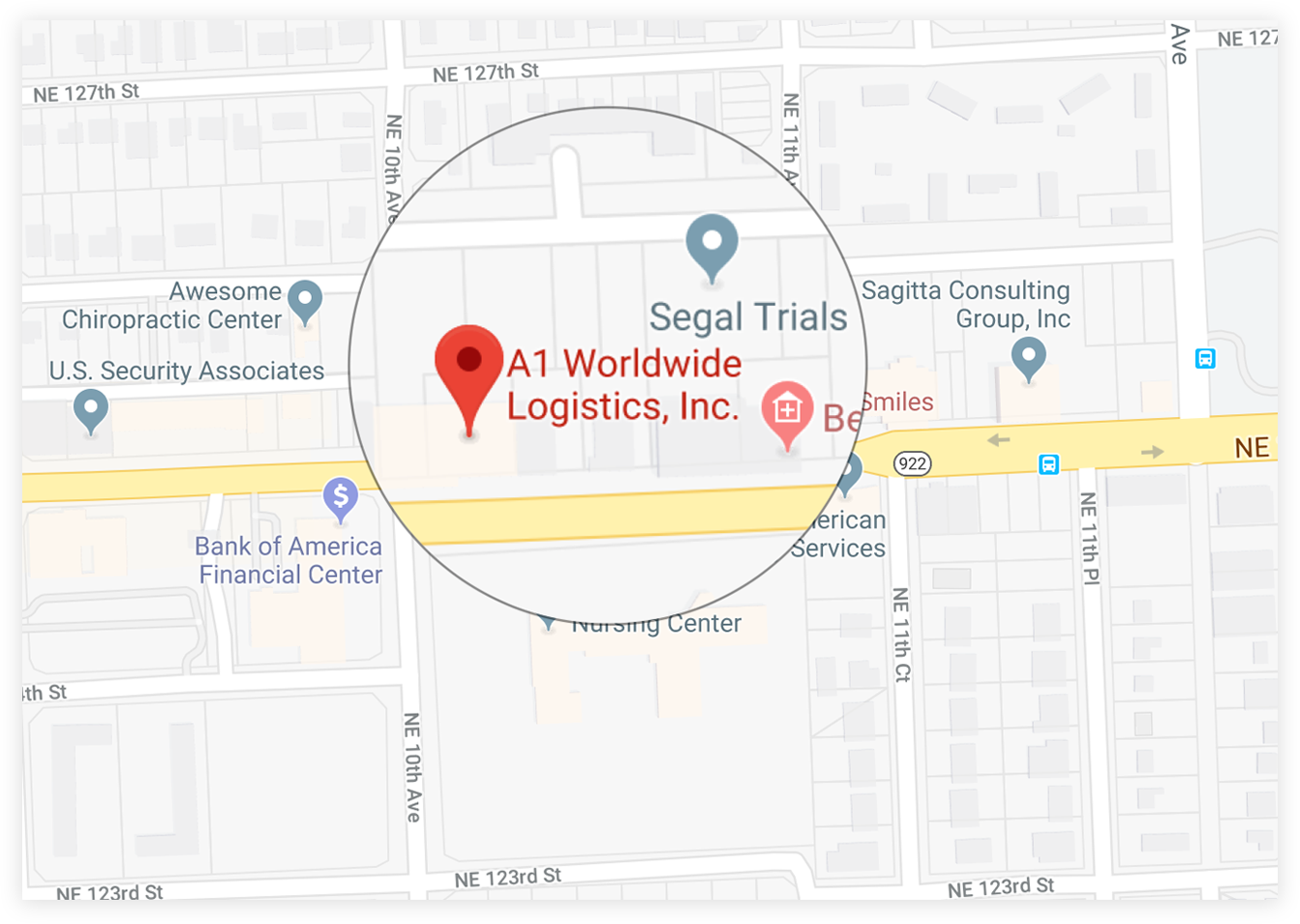
 1035 NE 125th St Suite #320, North Miami, FL 33161.
 a1worldwidelogistics.com
 (305) 821-8995
 Hours: 8AM - 5PM