by A1 WorldWide Logistics | Sep 21, 2023 | Freight Forwarding, Shipping Logistics, Supply Chain
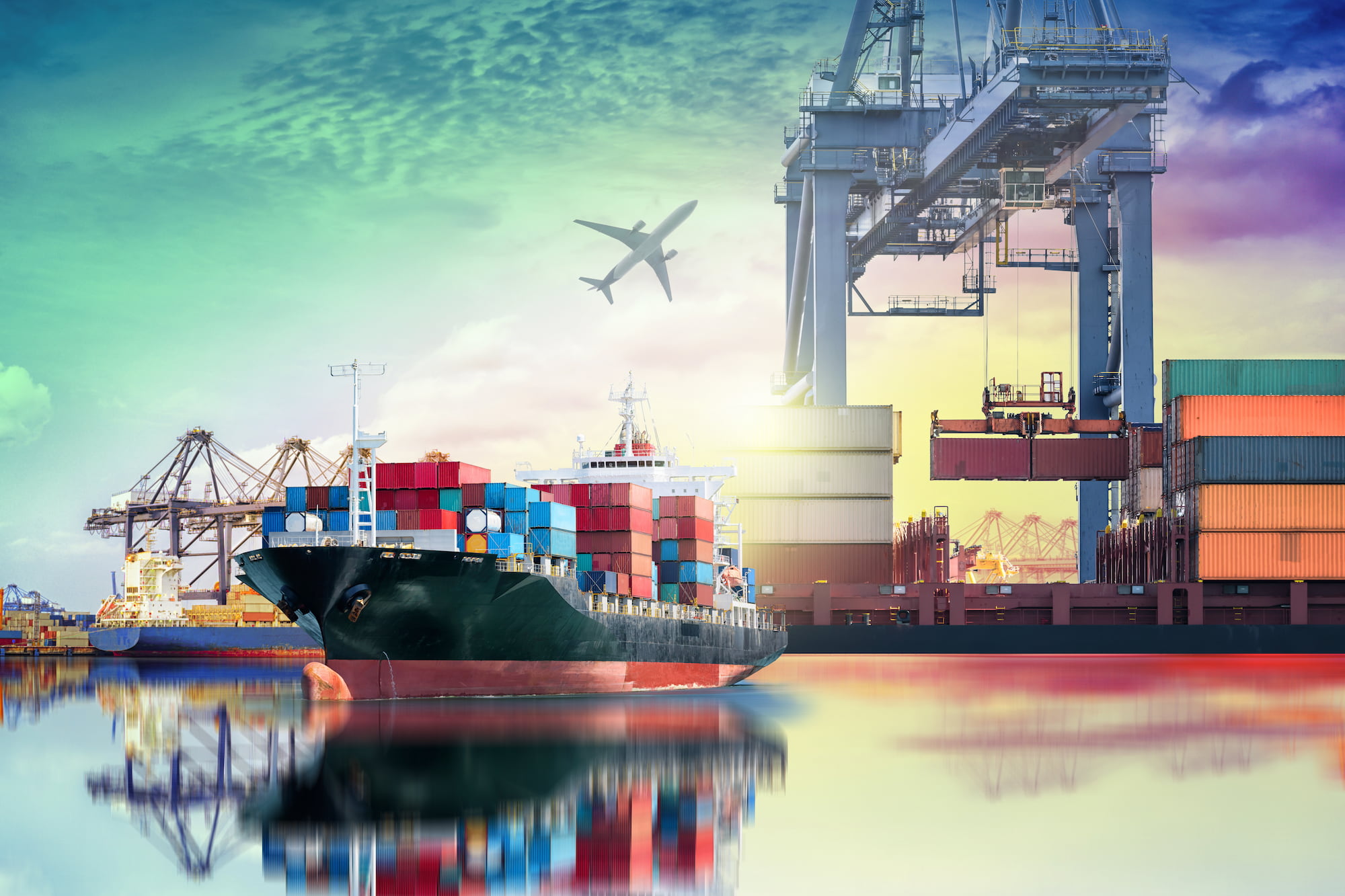
A question that shippers ask themselves when moving goods internationally is whether they should start shipping by air or ocean. Beginning shippers with limited experience tend to be unfamiliar with the two methods of transport. It is essential that importers and exporters fully understand these methods of conveyance and know how they compare and contrast. Failure to understand their differences can result in monetary loss and supply chain disruptions. There are many factors like contents, weight, size, content, and supply chain goals to consider when choosing. This article will introduce shipping freight by air and ocean and explain the differences when choosing between the two.
Moving Cargo By Air
Air shipping is when an air carrier transports freight internationally. The aircraft may be commercial or chartered, with the sole purpose of shipping. This method of conveyance was the last to grow compared to sea shipping but is equally essential for shippers. The most significant benefit is the fast transit times, ideal for time-sensitive cargo. Examples of goods that tend to move by are perishables, high-value commodities, and pharmaceuticals that carriers must deliver quickly. Retail companies with global customers also benefit from air shipping due to the demand for speed. Another benefit is the high level of reliability that air freight offers.
A significant number of supply chain disruptions are due to congestion and traffic. Since freight volumes tend to be smaller at airports, congestion is less common. There also tend to be multiple flights to a city daily, meaning A shipment can be moved to another plane when an issue arises. Airports also tend to have strict regulations for cargo, leading to higher security than other transportation methods. An effect of the benefits is that shipping costs for air transport are usually more expensive than other conveyances.
Moving Cargo by Ocean
Ocean or maritime shipping is the process of moving cargo internationally by sea. A vessel like a containership transports the freight to a seaport. One of the greatest advantages is the significant amount of cargo that carriers can move by ocean. With nearly 80% of the world’s shipments transported by sea, it is an integral part of international trade. Individuals and companies transporting large amounts of goods benefit from this conveyance method. Ships also allow the movement of many types of cargo since a container can fit many items. A shipment larger than containers, like construction equipment, can still go on a vessel.
Compared to other transportation methods, containerships also allow for transporting heavier goods. For example, ships can offer roll-on/roll-off services to bring cars onboard. Another advantage of sea shipping is that it is usually more cost-effective than other conveyances. The freight that benefits the most are bulk goods like raw materials and non-perishable products. Businesses that ship large volumes of cargo also benefit. Since the load is moving by ocean, the transit times may be longer than other ways of transport.
Should I Begin Shipping by Air or Ocean?
While both methods can be equally valuable to a supply chain, specific shipments benefit from one. When choosing to ship by air or ocean, you should have the end goal in mind. For example, ocean shipping is ideal if you plan on moving large amounts of cargo. If your goal is to move goods quickly, shipping by air can be the best solution. To begin your international shipping journey, contact A1 Worldwide Logistics at 305-821-8995. We have freight forwarders to help you find the ideal transport method for your shipment.
by A1 WorldWide Logistics | Sep 14, 2023 | Customs Broker, Customs Clearance, Shipping Logistics
A message that your shipment is stuck at customs is the last response that a shipper wants to receive. This is especially true for cargo that is time-sensitive freight, like perishable or products for selling. The U.S. Customs and Border Protection (CBP) is responsible for safeguarding the country against importing dangerous goods. Its primary purpose is to facilitate lawful international trade and prevent terrorists and their weapons from entering the U.S. CBP has to carefully check cargo when entering the country and may sometimes put the shipment on hold. While there are many reasons why customs detains your goods, there are ways to prevent this from happening.
Reasons Your Shipment Is Stuck At Customs
As previously mentioned, CHB has to prevent the importation of goods that the U.S. prohibits from entry. Because of this, a common reason why goods may be stuck at customs is because they are illegal. Examples include absinthe (Alcohol), bush meat, dangerous toys, dog/cat fur, etc. Customs can hold other items like firearms due to restrictions the U.S. places on them. Importers of guns and ammunition require a Federal firearm license (FFL) before shipping into the U.S. Another reason customs may hold your freight is incorrect valuation. The customs value is the total monetary amount of the shipment brought to a country.
Customs is in charge of valuing the goods the importer brings to the U.S. from other countries. If the cargo the shipper imports does not have the correct value, customs will hold it for clarification. This can include revaluing of the taxes based on their pricing. Another common cause of customs holding your freight is an incorrect HTS Code. The Harmonized Tariff Schedule (HTS) is a system used to determine the duty rates for U.S. imports. Every item has a specific code to classify it, and an incorrect number can mess up the paperwork.
What Are Examples of Commercial Documents
Another reason customs might hold up your goods is missing or incorrect paperwork. Some of the documents a shipper requires when importing to the U.S. include:
- Bill of Lading
- Arrival Notice
- Commercial Invoice
- Certificate of Origin
- Packing List
The documents listed are some of the few a shipper requires for importation; however, the cargo determines the additional forms. For example, a vehicle may have different documentation than construction materials. It is essential that there are no errors in the paperwork, and the shipper fills everything out correctly.
Speak To a Customs Broker
While this article explains why customs may hold your cargo, other reasons exist. The amount of regulations for entry can confuse beginners and even regular shippers. The best way to prevent your goods from getting stuck at customs is by having a customs broker handle the clearance process. Customs brokers guide shippers through the importation process and ensure that the importer meets all requirements. They also submit all of the paperwork on behalf of the shipper. Contact A1 Worldwide Logistics at 305-821-8995 to speak to our experienced broker. We also provide other logistics solutions, like drayage services, to move your goods to the final destination when they arrive.

by A1 WorldWide Logistics | Sep 7, 2023 | Customs Clearance, Importing, Shipping Logistics
Compared to bringing material goods, importing pets into the U.S. has its characteristics and challenges. While getting pets into the U.S. may be easier than other countries, there are essential regulations shippers should follow. Failure to comply and prepare correctly can lead to customs holding your pets and monetary loss. Customs may even send your pet back to the country of exportation. The reason that the importation of animals is stringent is to protect both the pets and people. For example, a dog with rabies can be potentially fatal to humans. This article will briefly introduce the requirements for importing pets into the U.S. and what to expect.
What is Required Before Importing Pets Into The U.S.
When deciding to import pets into the U.S., the first step is to research the exporting country’s requirements. For example, countries like Vietnam, Brazil, and Nigeria require screwworm inspection before importing dogs. Agencies like the CDC, USDA, and APHIS are in charge of setting the policies for pet importation. It is also essential to understand the specific pet has prerequisites, which can vary based on the animal. For example, birds weighing over 100 grams must have a microchip, leg band, or tattoo to qualify for home quarantine. Specific birds like chickens and ducks also are not considered pets and are poultry, meaning they must meet different requirements.
Types of Documentation Required
Although the paperwork for a pet import depends on the animal, there are common documents that a shipper may require. Examples of some of the paperwork include:
- Rabies Vaccination – When bringing a dog into the U.S., high-risk countries like Brazil, Thailand, and Russia require certificate proof of rabies vaccination. Countries not high risk do not need vaccine proof, but the pet should be healthy and disease-free. Cats do not require rabies vaccine proof for import; however, certain U.S. states require it before entry.
- Import Permit – Certain states require an import permit for nonnative, non-domestic, or endangered wildlife species entering the U.S. Dogs from high-risk countries must also have import permits.
- Health Certificate – A Health Certificate is a document that certifies that your pet is healthy and disease-free. Airlines require a health certificate around 7 to 10 days before travel. Most airlines deny entry into the U.S. if the pet does not have one.
Contact a customs broker for a detailed explanation of the importation documents. After the shipper obtains and completes the necessary paperwork, they may contact a carrier to begin importing. While an importer can use many airlines for bringing pets into the U.S., they must be aware of container requirements.
How to Begin
While researching the requirements should be done before importing a pet, it may not guarantee a successful importation. Situations like incorrect paperwork disrupting the shipping process can still occur. This can be especially true when importing less common pets like reptiles and amphibians. The best way to prepare is by contacting a customs broker to handle the process. A broker ensures that all the documentation is correct, and that the shipper follows regulations. Contact A1 Worldwide Logistics at 305-821-8995 to speak to a customs broker about starting your importation journey. We also provide domestic transport to move your pets to the final destination once they arrive in the U.S.

by A1 WorldWide Logistics | Aug 10, 2023 | Economic trends, Importing, Shipping Logistics, Supply Chain
Technological advancements over the past few decades have opened up the possibilities for seaports of the future. Seaports have been necessary for moving freight locally and internationally for thousands of years. The first recorded harbor was the Wadi al-Jarf, built on the Red Sea coast of Egypt. This was estimated to be built around 4500 years ago. Today, many of the biggest companies in the world depend on harbors to keep their supply chains running. Innovations in technology have led to the growth of ports and the shipping industry, which continues to grow. This article will explain the latest trends and predictions for the seaports of the future.
How will the Seaports of the Future be Different?
A common term used when describing seaports of the future is a smart port. Smart ports are harbors that use advanced tech like AI (Artificial Intelligence), automation, data, and blockchain to enhance their capabilities. Digitalization is one of the most significant trends that will continue to grow. Multiple components from inside to outside operations may become more digitally connected for greater productivity. Before entering the port, real-time GPS tools will monitor the boats and containers entering and leaving the facility. This can slow down traffic and speed up supply chains. Ports can use the same technology to track containers that leave the seaport, decreasing port traffic.
Digitalization will also lead to better data exchange through the IoT. The Internet of Things (IoT) is any object with sensors and software that can communicate over the Internet. Along with everyday life, IoT has become used in various industries like international shipping. Future smart ports could install data-transmitting software on infrastructure like roads, terminals, and warehouses. The purpose will be to collect information about operating systems and improve overall performance. Along with growing port efficiency, digitalization allows for better employee safety. Examples are vehicles and cargo handling equipment with sensors that monitor surroundings for nearby workers.
Digital solutions can also help collect info to increase the amount of environmental sustainability in the ports. This is especially important with the current goal of reducing CO2 emissions to zero by 2050. The Port of Esbjerg in Denmark uses a digital system to monitor CO2 emission outputs. One of the goals of smart ports is to use technology to create more eco-friendly operations.
Automation Will be a Growing Focus
Artificial intelligence has led to a greater use of automation in work environments like ports. Automation is the usage of technology to perform tasks with limited human interaction. With current ports worldwide already having specific automated operations, future ports may be fully autonomous. This doesn’t come with challenges, such as costs and complexity of operations. In time, technological advancements and an increase in data analytics will assist in the push. The Port of Shanghai has already opened the world’s largest fully automated terminal.
While future seaports open up new opportunities for international shipping, it may be a while before the change happens. However, ports are still vital to supply chains when moving cargo globally. The shipping process may not always be as easy; situations like having goods stuck at the seaport can happen. Having a logistics company move the freight for you is the best way to ensure the delivery of your shipment. Contact A1 Worldwide Logistics at 305-821-8995 for assistance with importing into the U.S. or exporting Internationally.
by A1 WorldWide Logistics | Apr 19, 2023 | Shipping Logistics
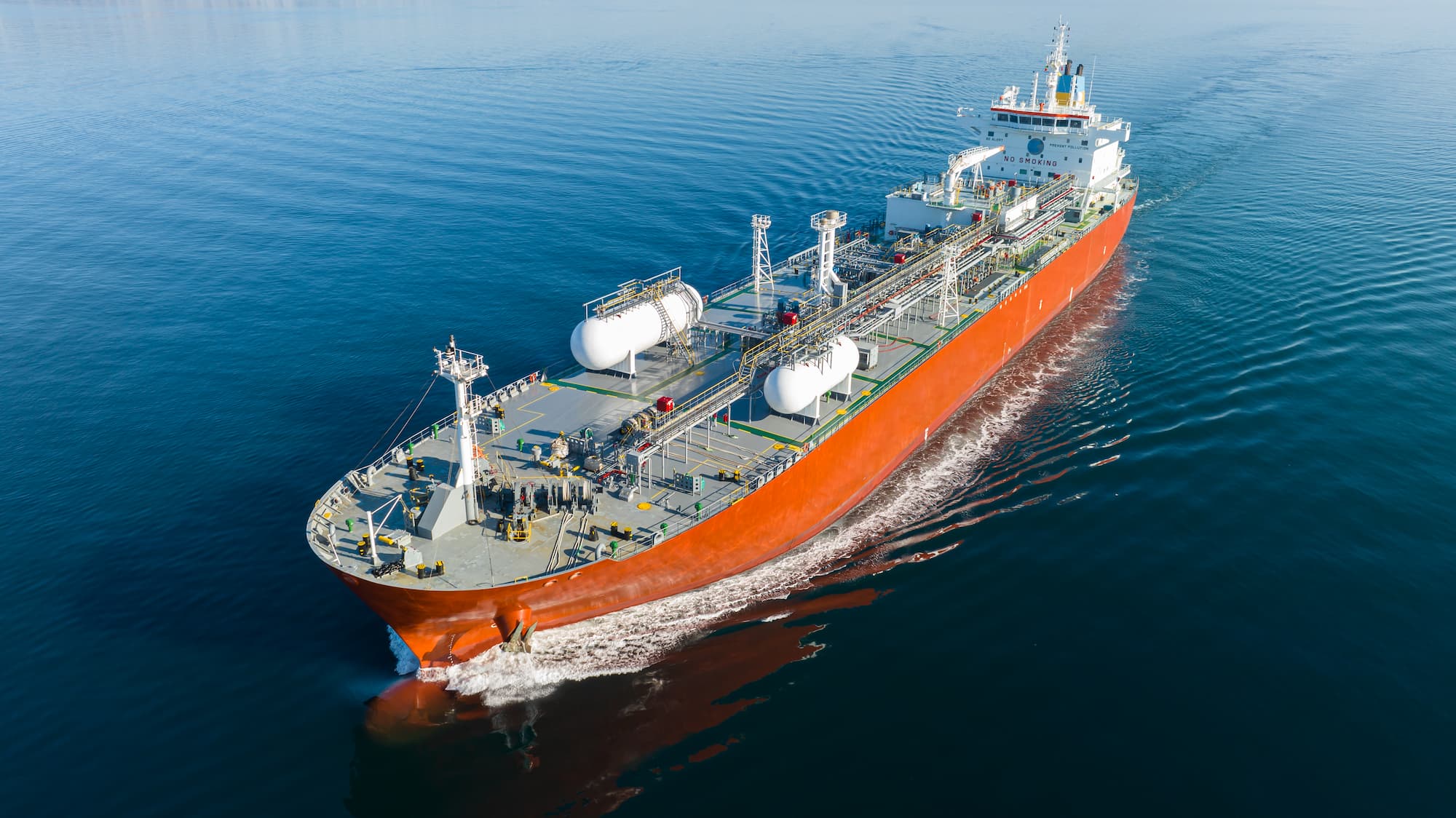
In February 2022, Russia invaded Ukraine, accelerating a war between the two countries that began in 2014. One of the consequences was that shipping fuel costs rose to unprecedented levels. Global market crude oil prices rose from $75 in January 2022 to over $110 per barrel by March 2022. Fast forward to April 2023, and the shipping fuel costs have fallen 46% from their peak in 2022. A standard oil used by commercial vessels to ship freight, VSLFO, has similarly seen a decrease in cost. Very low sulfur oil (VSLFO) was $608 per ton in late March 2023 compared to its all-time high of $1,125.50 in June 2022.
High sulfur fuel oil (HSFO) has also seen a 38% decline from its peak in May 2022. The decrease in HSFO has been incredibly beneficial for containerships with built-in scrubbers compared to vessels that use VSLFO. Scrubbers are gas cleaning systems used in ships for removing harmful and polluting particles from exhaust steams. Since HSFO costs are lower than VLSFO, ships with HSFO can have higher net spot earnings and time-charter rates. A VLSFO-HSFO spread reported a difference of $420.5 per ton in July 2022 compared to $132 registered in February 2023. The narrowing of the spread indicates that VLSFO prices are decreasing faster than HSFO.
Green Methanol and LNG Costs Still High
While fuel prices have decreased over the last year, Liquid Natural Gas (LNG) and green methanol remained expensive. This is unfavorable to carriers and shippers pushing to make shipping oil more eco-friendly. Last Thursday, LNG was reportedly 62% more costly than HSFO. Despite the LNG price following the trend of lowering, it still could be too high for shippers to consider. Vessel owners and operators are not the ones paying for costly oil; shippers are. While LNG costs more than regular oil, it is currently cheaper than green methanol, which can be 350% more expensive.
The reason why green methanol is costly compared to other oils is due to limited technologies and feedstock. Feedstock is the raw material used to produce a finished product, like green methanol from renewable sources. Despite this, container shipping companies are pushing for cleaner oil and ordering methanol-fueled vessels. The issue is that many customers may be unwilling to pay the high premium. There is a belief that if these fuels are to become popular, there should be the right government incentives. Government support for the development of green fuels like methanol is also necessary.
Prices for several different fuels are close to half last year’s peak and may decrease further in the second quarter. This means that shippers can benefit from saving if they decide on shipping now or in the near future. Greater savings can be made if they find a logistics company to do the process for them. If you plan on moving cargo internationally, contact A1 worldwide logistics at 305-821-8995 or info@a1wwl.com to get started. We are in touch with many carriers with the best rates for transporting your goods. A1WWL also provides warehousing and customs clearance for freight entering the U.S.

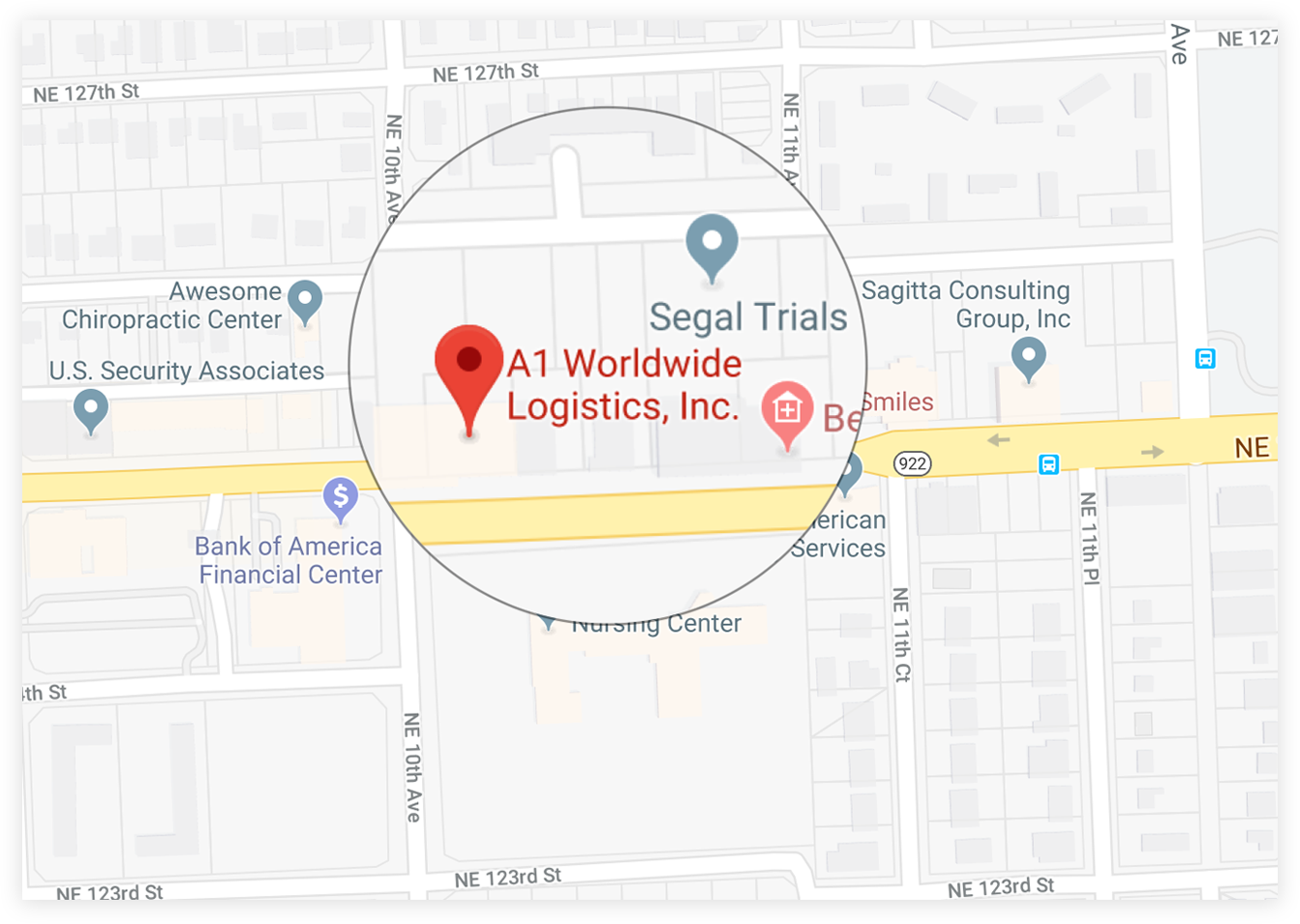
 1035 NE 125th St Suite #320, North Miami, FL 33161.
 a1worldwidelogistics.com
 (305) 821-8995
 Hours: 8AM - 5PM