
by A1 WorldWide Logistics | Feb 19, 2026 | Customs Broker, Economic trends, Shipping Logistics
Navigating the Chinese New Year is essential to consider when shipping during this time of year. Chinese New Year is a 15-day celebration marking the beginning of the year on the lunisolar Chinese calendar. In 2026, the holiday begins on February 17 and finishes with the Lantern Festival on March 3. While it is a time for celebration, the Chinese New Year can significantly disrupt international shipping. Understanding its impact on supply chains is crucial in preventing delays and backlogs. This article explains how the holiday affects shipping and how shippers can prevent disruptions during this period.
How is International Shipping Impacted By the Chinese New Year?
Exporting over $3.5 trillion in 2025, China is the world’s largest shipping company by volume. During the Chinese New Year, carriers, ports, and logistic hubs close or operate at limited capacity. This occurs weeks before and after the holiday, disrupting international shipping and supply chains. In particular, the shutdowns can lead to labor shortages, reduced capacity, and congestion. Port congestion may increase at US ports as shippers import higher-than-usual volumes ahead of the holiday. Customers expecting products may experience delays, especially in mid-to-late February. Another effect is that shippers may experience higher shipping costs due to delays and limited capacity. Truckers who pick up cargo from ports may also see higher costs.
How Can You Navigate the Chinese New Year?
Due to the Chinese New Year holiday, shippers must prepare in advance to prevent disruptions. It is ideal to import months in advance to ensure the cargo reaches the shipper before the holiday rush. Communicating with suppliers and freight forwarders is also beneficial in booking transportation space in advance or finding alternative routes. Importing from countries other than China can help mitigate price increases caused by delays and limited capacity. Switching to air transport is beneficial for smaller shipments that must be delivered within a timeframe. Another consideration is ensuring the paperwork is correct to avoid delays, such as having your goods held at customs.
Although importing goods into the US during this period may seem daunting, it should not disrupt cargo movement. Shippers should, however, take the proper steps to prevent disruptions and delays. When bringing in cargo from China or any other country, it is advisable to consult a customs broker. Customs brokers are licensed corporations, partnerships, and private individuals who arrange customs clearance on behalf of importers. In the US, they ensure shipments comply with CBP (Customs and Border Protection) regulations. Brokers do this by providing documentation, calculating duties, filing entries, and more. Reach our brokers at info@a1wwl.com or 305-912-0631 to learn about our services for getting your goods through customs.

by A1 WorldWide Logistics | Jan 28, 2026 | Economic trends, Importing, Tariffs
A recent announcement could result in President Trump raising South Korea tariffs to 25%. In a January 26 social media post, Trump threatened to increase South Korea’s import levies from 15% to 25%. The president further stated that the increase will apply to imports, including automobiles, lumber, and pharmaceutical products. Goods subject to Trump’s original baseline reciprocal tariffs will also be affected by the duties. The US initially lowered tariffs on South Korean goods from 25% to 15% as part of a trade deal in July 2025. South Korean officials were caught off guard by the announcement and are planning to speak with the US about the issue.
Why Is Trump Raising Tariffs on South Korean Imports?
President Trump’s primary reason for raising tariffs on South Korea is its failure to ratify a trade deal. In 2025, both countries agreed on a trade and investment framework valued at approximately $350 billion. The deal included the US lowering tariffs on specific Korean imports and South Korea investing in certain US industries. President Trump is increasing levies due to South Korea’s delay in implementing their part of the deal. On a social media post, Trump noted, “South Korea’s Legislature is not living up to its deal with the United States.” The goal is to use tariffs as leverage between Korea and other trade partners.
How Can Shippers Be Affected By Trump Raising South Korea Tariffs?
Since South Korea is a major US trading partner, a tariff increase will significantly impact US trade. Imports into the US from Korea could see a price increase, which will fall on other supply chain parts. In particular, the automobile and pharmaceutical industries will face higher costs. Despite Korea’s plans to “respond calmly,” if it does impose retaliatory tariffs, the cost could rise further. Shippers may begin sourcing from other countries or bring sourcing back to the US. Domestic shipping will also be affected, with drayage services potentially increasing import pickup costs.
With the tariff war ongoing, it is essential to ensure a successful shipment. Failure to prepare can lead to delays and financial losses, which is especially harmful if the importer has customers. An ideal way to prepare is by contacting a freight forwarder. Forwarders act as intermediaries between the shipper and the carrier, coordinating cargo movement on the shipper’s behalf. They do this by offering a range of solutions, including paperwork, customs clearance, warehousing, and more. Forwarders also provide consultation services to help navigate issues such as tariffs. Reach A1 Worldwide Logistics at Info@a1wwl.com or 305-425-9456 to speak to our brokers regarding your shipment’s success.
by A1 WorldWide Logistics | Jan 23, 2026 | Freight, Freight Forwarding, Shipping Logistics
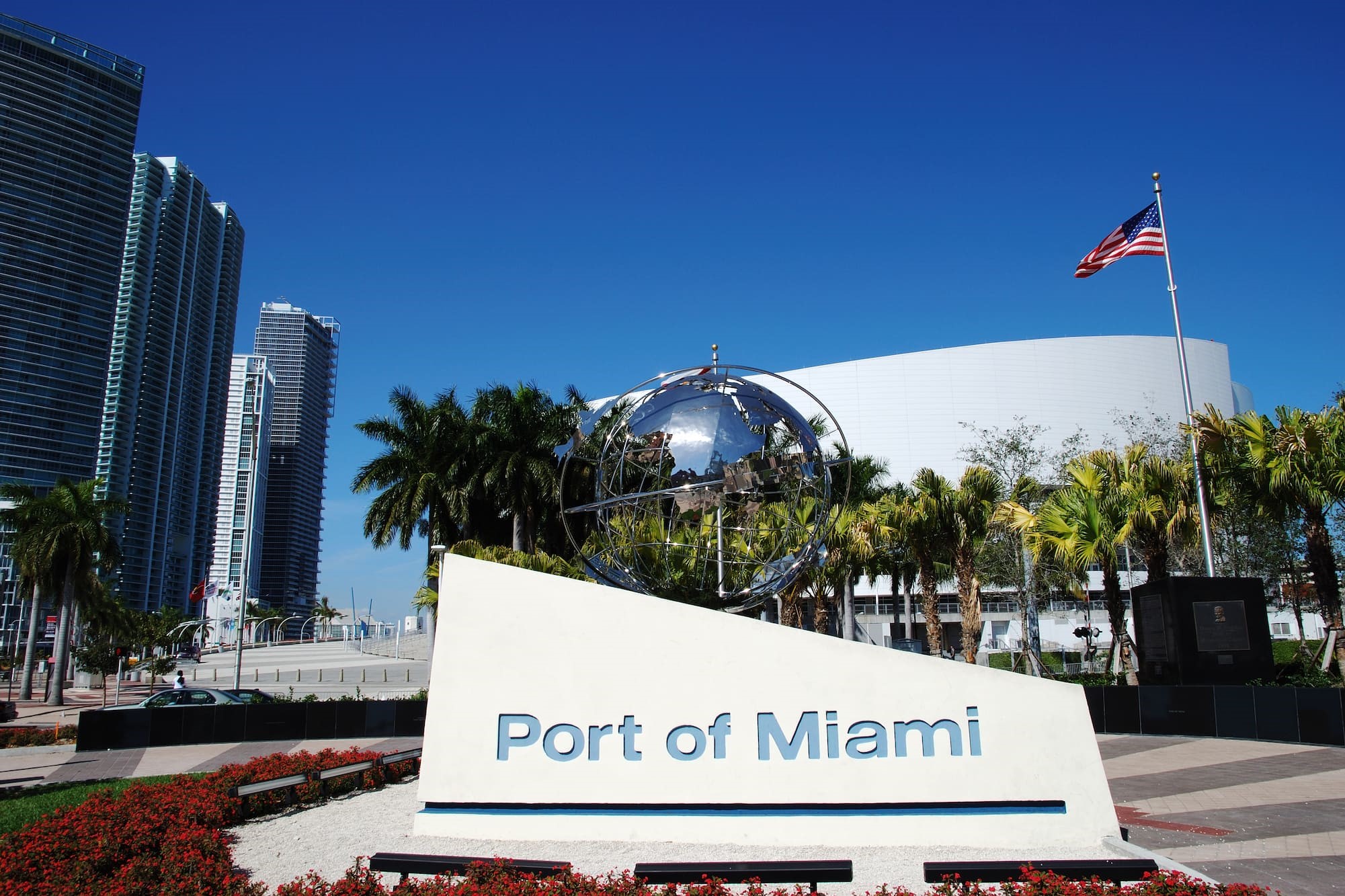
Whether importing into or out of the US, freight forwarding in Miami can be an ideal solution for your shipment. A freight forwarder is a service provider that acts as an intermediary between shippers and carriers. Although they don’t operate the vessel, they handle the shipper’s logistics for transporting the cargo. This can include:
- Assisting with documentation
- Finding carriers to ship domestically and internationally
- Coordinating the customs clearance process
- Providing warehousing services
Forwarders also offer consulting services, guiding shippers through regulations and providing solutions for international shipping.
Why Can Using Freight Forwarding In Miami Be An Excellent Opportunity
As a gateway to the Caribbean and Latin America, Miami is a significant hub for freight forwarding. The Port of Miami is one of the top 10 busiest ports in the US, handling more than 1.1 million TEUs (Twenty-Foot Equivalent Units) annually. Miami is an ideal hub for global shipping due to its proximity to key trade lanes. Its strong logistics infrastructure and multilingual workforce also make it a perfect location for shipping. Both companies and individual shippers benefit from Miami’s location.
A1 Worldwide Logistics
A1 Worldwide Logistics knows the importance of freight forwarding in Miami and is prepared to handle your shipment. We have experts who are committed to going the extra mile to deliver your goods to their final destination. A1 offers services such as customs clearance, domestic shipping, warehousing, and more to ensure a successful shipment. Please speak to our forwarders at info@a1wwl.com or 305-425-9752 to begin moving goods into and out of the US.
by A1 WorldWide Logistics | Jan 14, 2026 | Freight Forwarding, Import and Export Experts, Supply Chain
When shipping internationally, having a good freight forwarder can be a deciding factor in your shipment’s success. Freight forwarders are supply chain specialists focusing on moving a shipper’s cargo. They act as intermediaries between the cargo’s shipper and the goods’ final destination. Due to the complexity of international shipping, shippers typically use forwarders to assist with the process. Not using forwarders can lead to issues for beginner and even experienced shippers. Using an unsatisfactory one is as bad and can lead to greater disruptions in the shipping process.
What Can Happen If You Don’t Use A Good Freight Forwarder?
Failure to use a good freight forwarder can result in costly and disruptive impacts to the supply chain. A significant effect is that the likelihood of delays can increase. This can result from the forwarder submitting incorrect or incomplete paperwork, causing ports to hold the cargo. Failure to comply with export regulations can also cause delays. Potential fines for incorrect paperwork can also arise when using an unsuitable freight forwarder. Unexpected costs may also arise from poor rate negotiations and hidden fees the forwarder fails to disclose to the shipper.
What Are Some Qualities Of A Good Freight Forwarder?
Understanding what to look for in a good freight forwarder is equally important as knowing the consequences of a bad one. Some of the major qualities of a good forwarder include:
- Expertise – Forwarders must have an excellent understanding of shipping numerous types of cargo, along with a proven track record.
- Communication – Having constant and excellent communication with customers is vital when helping them navigate international shipping. This can include continual updates and education for the shipper.
- Range of Service – Due to a supply chain’s various components, having numerous services like customs clearance, warehousing, domestic and international transport, etc.
- Compliance – Good forwarders should have a complete understanding of trade regulations to prevent delays and hidden costs.
Looking for a reliable freight forwarder? Contact A1 Worldwide Logistics at info@a1wwl.com or 305-425-9456. We provide full-service solutions for shipments arriving in the U.S. from anywhere in the world. Some of these solutions include customs clearance, freight transport, providing paperwork, warehousing, and more.

by A1 WorldWide Logistics | Apr 10, 2025 | Economic trends, Importing, Shipping Logistics
A global market meltdown has resulted in President Trump pausing reciprocal tariffs for 90 days. Country-specific levies against U.S. trade partners that began on April 9th will temporarily halt as countries reach out to negotiate. More than 75 countries, including Japan, Vietnam, South Korea, and India, have contacted the U.S. to strike new trade deals. This differs from the 10% baseline tariff that Trump imposed on April 5th, which will still be in place. Spector-specific tariffs like a 25% tax on steel, aluminum, and auto parts are still in effect. As the trade war continues, pauses and increases in tariffs will significantly impact international shipping.
China Still Being Hit Harder
Despite Trump pausing tariffs for most U.S. trade partners, he continues raising levies on Chinese Imports. On April 9th, Trump announced that he would increase a 104% tariff on China to 125%. In a social media post, Trump wrote, “Based on the lack of respect that China has shown to the World’s Markets, I am raising the Tariff charged to China by the U.S. to 125%, effective immediately.” The hike is part of a back-and-forth between the two countries, starting with a 10% tariff on Chinese imports. China responded with a 10% to 15% tax on specific U.S. goods, causing the U.S. to retaliate with higher tariffs.
As tensions escalated, so did the tariff hikes, leading to the current 125% tariff. The goal behind the levies on Chinese imports is to address unfair imbalances and trading practices between the countries. Trump plans to “level the field” by reducing the trade deficit with the U.S.’s largest trading partners. Another goal behind the tariffs is to bring manufacturing and Jobs back to the U.S. to strengthen the economy. Economists believe the back-and-forth will have the opposite effect and hurt the economy by creating inflation. On a larger scale, this will significantly impact international trade, with China and the U.S. being the biggest exporters globally.
What Can Shippers Expect With Trump Pausing Reciprocal Tariffs?
The main reaction to Trump pausing the levies was a temporary relief for shippers and companies shipping cargo internationally. A possible stop in cargo movement from the tariffs would have halted the U.S. economy, possibly leading to a recession. Despite the pause easing shipping fears, it does not eliminate them, especially with other tariffs still in place. The most significant impact will be higher shipping costs, affecting the entire supply chain, including the customer. While Trump believes domestic shipping will benefit from the tariffs, some think it will hurt it. Less imports could mean less business for truckers that receive shipments from ports and move them to the final destination.
While country-specific tariffs will pause, the international shipping industry is still in a trade war that could potentially escalate. Shippers must be ready to navigate any disruptions that could affect their shipments. An ideal way to prepare for importation to the U.S. is by speaking to a customs broker. Brokers are individuals or companies that coordinate customs clearance on behalf of the shipper. They offer various services like documentation, filing entries, paying duties, etc. Brokers also educate the shipper on the best action to protect their shipment. Reach A1 Worldwide Logistics at info@a1wwl.com or 305-440-5156 to talk to a broker regarding shipping your cargo internationally.

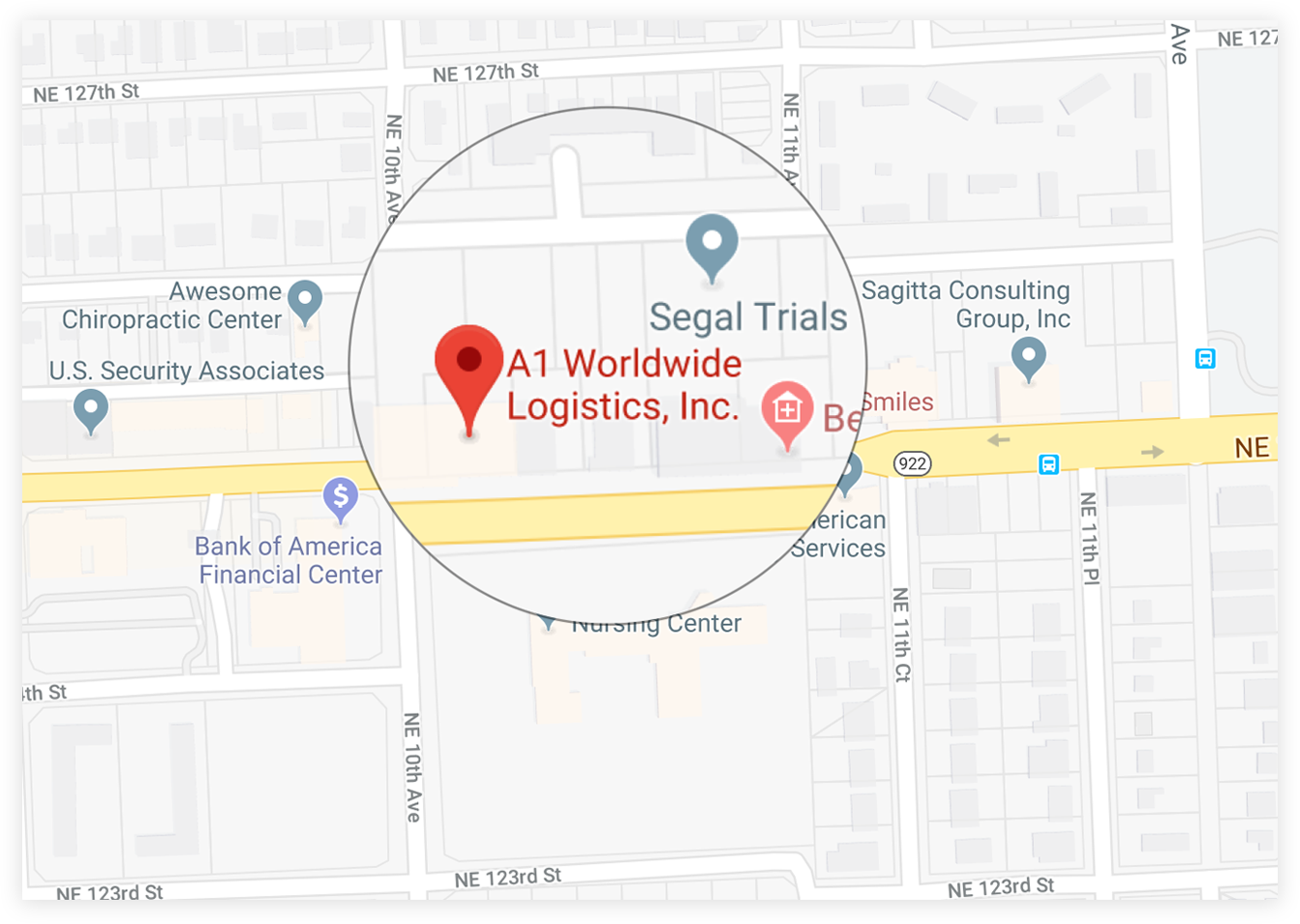
 1035 NE 125th St Suite #320, North Miami, FL 33161.
 a1worldwidelogistics.com
 (305) 821-8995
 Hours: 8AM - 5PM