by A1 WorldWide Logistics | Sep 14, 2022 | Shipping Logistics, Supply Chain, Warehousing
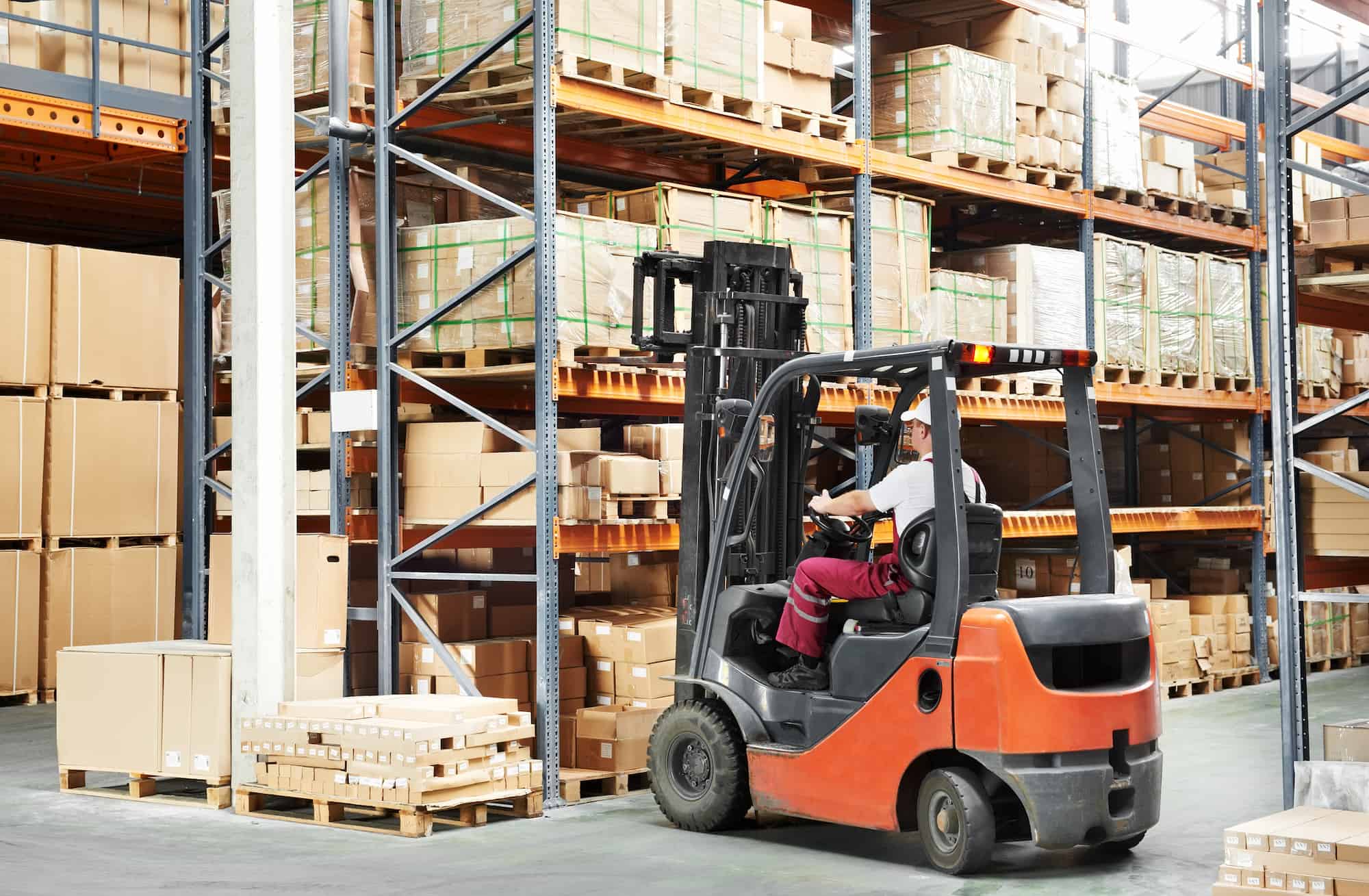
When shippers bring up warehousing in conversations, a frequent topic is the merchandise they put away. While there is an extensive amount of items kept in warehouses, we can break them down into categories. This article will discuss the common types of goods stored and how warehouses handle them.
Dry Goods
One of the most conventional types of goods stored in warehouses is dry goods. These can range from shoes, furniture, and electronics to packaged food goods. Dry goods are foods stored at room temperature. Specific agricultural and chemical products are not considered dry goods because they must be stored at specific temperatures. Warehouses also ensure they are in excellent condition before moving to the next destination.
Raw Materials
Other common goods stored in warehouses are raw materials such as grains, metal, crude oil, etc. Manufacturing facilities eventually use these materials that they reserve for production to create a final product. Since manufacturers are constantly receiving orders, storing these materials can help them maintain backup stock. Manufacturers may also forecast more accurate delivery dates for incoming orders based on their inventory levels.
Temperature Controlled Goods
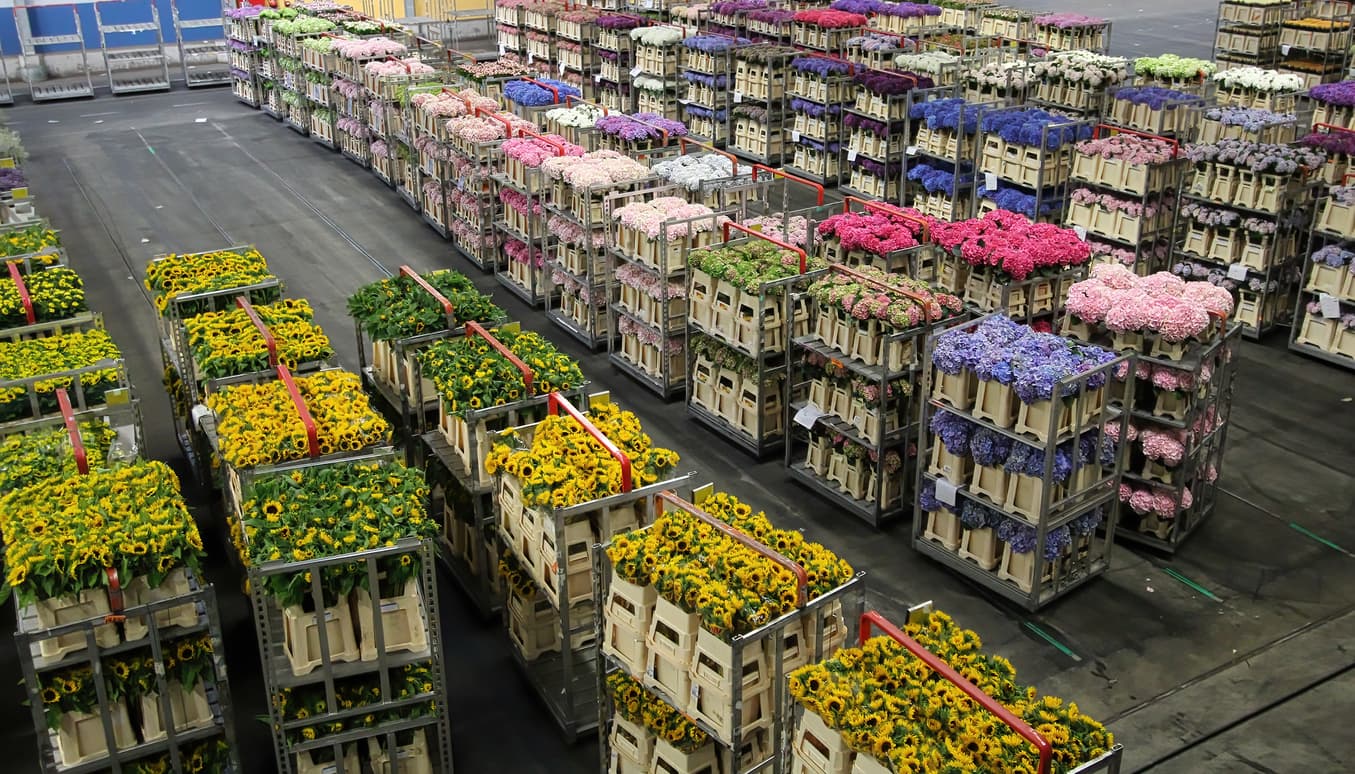
 These goods must be stored at a specific temperature to prevent damage or spoilage. An example is perishable foods, such as dairy products, that require refrigeration below 40 degrees Fahrenheit. Pharmaceuticals are also temperature-controlled goods that facilities store at specific temperatures. The warehouses tend to have specialized equipment like evaporators, condensers, and airlock systems.
Bulk Items

Oversized or bulk items are goods stored in large quantities in a warehouse. Different types of cargo can be considered bulk, ranging from industrial supplies to liquid products like petroleum. Typically, bulk storage items are palletized and stored in large areas of warehouses; however, there are several types of bulk storage. For example, warehouses store liquids in storage tanks or vats, as well as in intermediate bulk containers (IBCs). Facilities may store bulk goods in other ways, such as floor stacking and pallet racking.
Hazardous Goods
Hazardous materials, or hazmat, are items that may pose a potential threat to people, animals, or the environment. Examples of hazmats include flammable, explosive, toxic, radioactive, or otherwise dangerous items, such as gases, batteries, and pesticides. Because the goods are hazardous, facilities take additional precautions during warehouse storage. Designated ventilated areas that can be dry and cool are used solely for these materials. Safety barriers, warning signs, and proper labels are also required for storing these goods.
The goods listed above are common items stored in warehouses; however, this list extends beyond them. If you what to find out more about warehouse storage services, contact A1 Worldwide Logistics at 832-501-9885. We have facilities that provide numerous solutions for your warehousing needs.
WE CAN ASSIST YOU ALSO IN SPANISH
305-821-8995
by A1 WorldWide Logistics | Sep 8, 2022 | Shipping Logistics, Supply Chain, Warehousing
A public warehouse is a facility that provides long-term and short-term storage solutions. When shippers move goods across the globe, warehousing is a standard part of the supply chain for many businesses. Compared to regular storage facilities, public warehouses tend to offer more services to their customers. Some examples of the services provided include:
- The storage and warehousing of your shipments.
- Transportation of cargo to and from the facility to the final destination.
- Transloading goods to different containers and cross-docking.
- Cargo manipulation and segregation of shipments.
- Picking, picking, and crating of cargo.
There are an extensive amount of benefits that renting public warehousing space can provide. One of the main advantages is the revenue that the company or individual may save. For example, storing inventory requires space, which costs money. Renting warehouse space tends to be cheaper during long-term storage. Getting a warehouse can cut transportation costs, and it also moves your goods to your customers for you. Another benefit is the security of your cargo due to technological advancements in warehousing.
How Does A1WWL Cater to Your Warehousing Needs
One of the most significant ways that A1WWL differentiates itself from other companies is by the transparency we offer. We ensure honest and open communication with our clients and address their concerns. Our specialized one-on-one services are tailored to your goals, and your cargo is our highest priority. In addition to the previously mentioned services offered by public warehousing, A1WWL offers flexibility. We understand that the shipping industry is constantly evolving and have solutions to help you adapt.
Are you an individual moving freight internationally, or a company that needs to store its goods for a specific period? Contact A1 Worldwide Logistics at 305-821-8995 or info@a1wwl.com to learn more about our value-adding warehousing services. We can also assist you in Spanish.
by A1 WorldWide Logistics | Jul 20, 2022 | Customs Broker, Freight Forwarding, Import and Export Experts
Clear and Move your Merchandise with A1 Worldwide Logistics. We have a team of experts ready to guide you through the import process.
We can help with:
Custom Clearance – Prepare all the necessary documentation and have your merchandise released.
Freight Forwarding – Move your cargo. We offer air freight, ocean freight, and inland freight.
Warehousing – Warehouse your good if needed.
Call now and get the best rates and the most efficient service. Attention in English and Spanish.
Tel: 305-821-8995 email: info@a1wwl.com // paula@a1wwl.com
by A1 WorldWide Logistics | Jun 6, 2022 | Customs Broker, Customs Broker Miami, Customs Clearance, Import and Export Experts
The importation of goods is complex and has shown the modern-day importance of customs brokers. International imports have gone up significantly, with various factors contributing to this, like the growth of e-commerce and globalization. A significant number of importations means that more protection against the movement of illegal and dangerous goods is essential. Customs brokers ensure that importers follow the government guidelines.
Imagine a person or company that wants to begin selling a product internationally. This person may well benefit from a customs broker. For example, what if the seller is in China and gets their first customer in the United States? Since international trade has many regulations and costs, bringing the product to the U.S. may seem intimidating to the seller. The customs broker will help simplify the process.
Customs brokers may also help avoid penalties for importing goods. Let’s say that you are importing an item into the U.S. for the first time. You receive a message from customs saying that your import was classified incorrectly and that you will be fined. Being a first-time shipper, you may not be familiar with how to classify a good and make a mistake. You may also not receive the item you imported. Contacting a customs broker would have saved you money and time since brokers understand how to classify imports.
Another common daily case is the importation of pets. A first-time importer recently fell in love with a dog and wanted her to be imported into Miami. At first, the importation process was tedious, with a tremendous amount of paperwork. Bringing the dog through U.S. customs was stressful until they hired a customs broker. Now, the dog is in a loving home in Miami.
What are Customs Brokers
When freight enters a country, it goes through customs clearance before reaching its final destination. This process is handled by a customs broker. A customs broker is a company or individual that clears goods entering a country for a shipper. They act as the middleman between the importer and the country that they are importing to. A customs broker’s duties are to make sure that the importers comply with the country’s regulations that they are importing into. Customs brokers also ensure that your imported goods are under the correct harmonized code, which are part of a system that customs authorities use to assign taxes to imported goods. In few words, customs brokers act as guides for the entire customs clearance process.
Why do We Need a Customs Broker?
 Most first-time importers are not familiar with the customs clearance process. If specific regulations regarding imports are not followed, it causes the importer trouble, and delays the entire supply chain. For example, in the United States, certain toys that are considered dangerous may be banned from importation. If you try to import an illegal toy, customs may fine you over $1000. Certain imports may also require a permit before entry.
Another example is soil, which is prohibited from entering the U.S unless the importer has a certified permit. There can be many CBP (Customs and Border Protection) regulations that an importer has to follow and memorize. To save time and speed up the import process, they can hire a customs broker. A customs broker also lets the shipper understand the taxes of importing. They may pay the importer’s duties to customs and then send the bill to the importer. This helps the shipper avert unnecessary expenses since customs brokers know the duties and taxes involved in your import.
Are You Looking for a Customs Broker?
Bringing goods into the United States can seem intimidating and stressful to importers. This can be whether you are bringing imports into the U.S. for the first time or a company that plans on continuously importing. One of the most prominent locations where shippers get goods into the U.S is Miami, Florida. Ranking in the top 10 ports in terms of volume of imports, Port Miami brought in 1,066,738 TEU (Twenty foot Equivalent Unit) in 2020. A1 Worldwide Logistics is a Miami based logistics company whose team is prepared to guide you through the customs clearance process. Our customs brokers help you clear dry cargo, perishable items, food products, automobiles, and much more through customs. Contact us at 305-821-8995 to clear your merchandise and start the importation process.

by A1 WorldWide Logistics | May 24, 2022 | Customs Broker, Customs Broker Miami, Freight Forwarding, Import and Export Experts
When importing automobiles into the U.S., there are various steps and regulations that one can expect. Knowing what to anticipate can save you time, money, and energy. This article will give you a basic understanding of what to expect and the necessary documentation for importing. The regulations for importing may vary by country; however, this is a general guideline. If you want further information or are importing a vehicle into the U.S., contact A1 Worldwide Logistics at 305-821-8995. We will give you a further breakdown of the process and offer a free quote for importing an automobile.
The Importation Process
Before deciding on importing an automobile into the U.S, it is imperative to research the legality of the car. Specific vehicles are not eligible to be imported into the U.S. due to the model or country of origin. There are also various U.S. safety and environmental regulations that a car being imported has to meet. The U.S. Department of Agriculture also requires that a car and its undercarriage are clean before being transported. This is to prevent foreign materials such as insects and soil from entering U.S grounds.
It is also essential to know the age of the car. A vehicle older than 25 years is considered an “antique” and has fewer conditions for importation. Vehicles past 25 years do not require DOT (Department of Transportation) compliance. Similarly, cars past 21 years do not require EPA (Environmental Protection Agency) compliance. When you’re ready to move the vehicle, contact a shipper or a freight forwarder.
Although freight forwarders and shippers are both responsible for the shipment, their methods differ. A freight forwarder moves the car from the start to the final destination instead of just port-to-port. The forwarder does this by acting as a third party that coordinates the shipment with multiple shippers. When the vehicle reaches the destination port, U.S. customs will check if the car complies with federal regulations. Once examined and the duties are paid for, the vehicle will be released and allowed to go to its final destination. Since many documents are involved, it is ideal to hire a licensed customs broker. A customs broker takes the burden of preparing the documentation to release the shipment from customs off the shipper.
Required Documents
This is a general list of the documents required. However, more documentation may be needed relative to the vehicle type. Contact a customs broker for more information.
- Bill of Sale: This is a record of sale which shows the transfer of vehicle ownership from one party to another.
- Bill of Lading: A legal document given to the carrier by the shipper that provides details and records about the cargo transferred.
- EPA Form 3520-1: The Environmental Protection Agency requires the submission of this form to customs to import passenger vehicles, highway motorcycles, and the corresponding engines into the U.S.
- Foreign Registration: The vehicle registration documents from the country of origin.
- DOT Form HS-7: A declaration form that ensures that the automobile confirms safety and bumper standards.
- Proof of Ownership: This may be a bill of sale, certificate of title, or a manufacturer statement of origin.
———————–
***If what you need is to import a bigger or heavier vehicle, such as a tractor or a truck, we can also definitely help you with that. Just call us and get your vehicles imported.***


 These goods must be stored at a specific temperature to prevent damage or spoilage. An example is perishable foods, such as dairy products, that require refrigeration below 40 degrees Fahrenheit. Pharmaceuticals are also temperature-controlled goods that facilities store at specific temperatures. The warehouses tend to have specialized equipment like evaporators, condensers, and airlock systems.

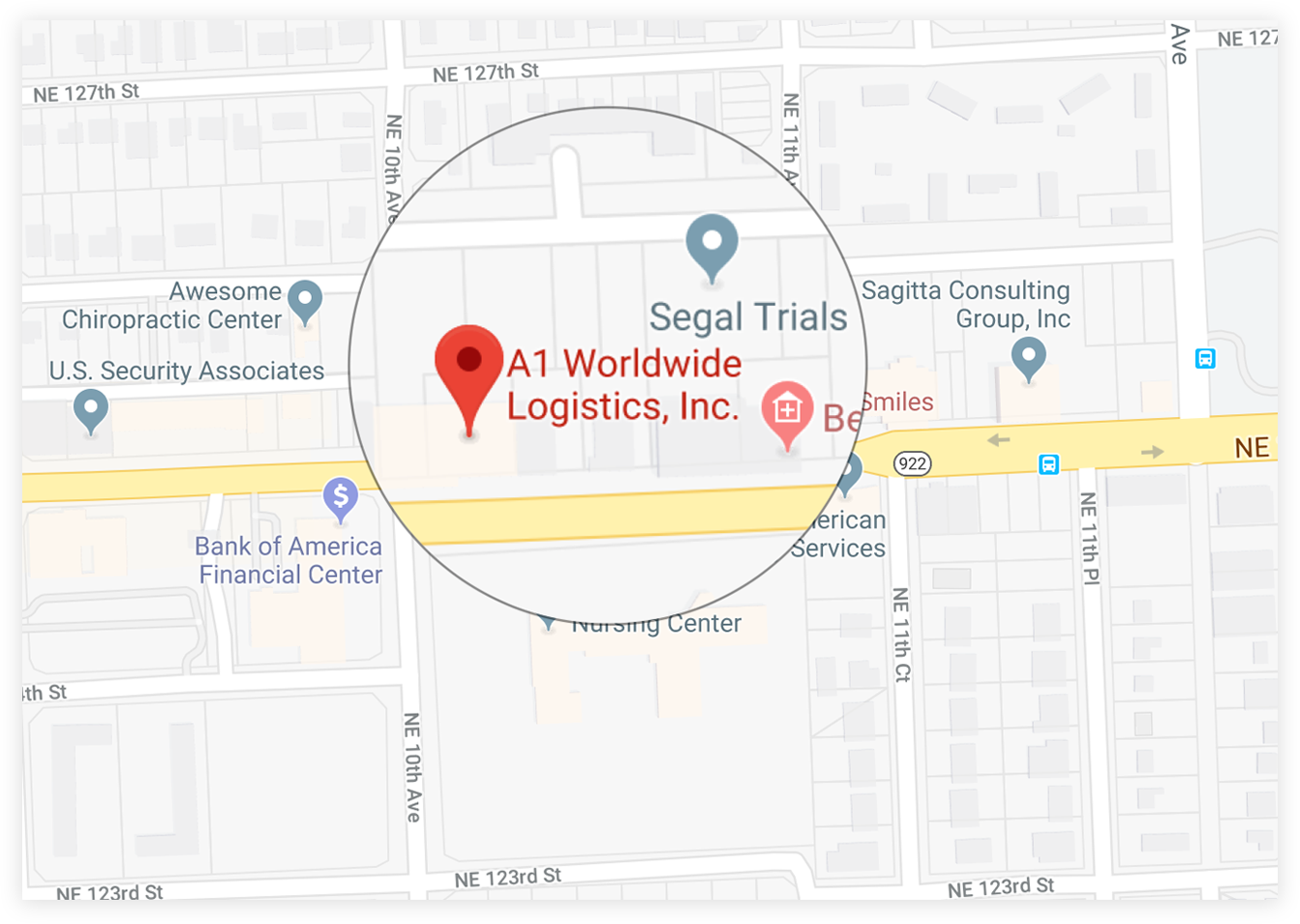
 1035 NE 125th St Suite #320, North Miami, FL 33161.
 a1worldwidelogistics.com
 (305) 821-8995
 Hours: 8AM - 5PM