by A1 WorldWide Logistics | Sep 11, 2024 | East Coast Protests, Economic trends, Shipping Logistics
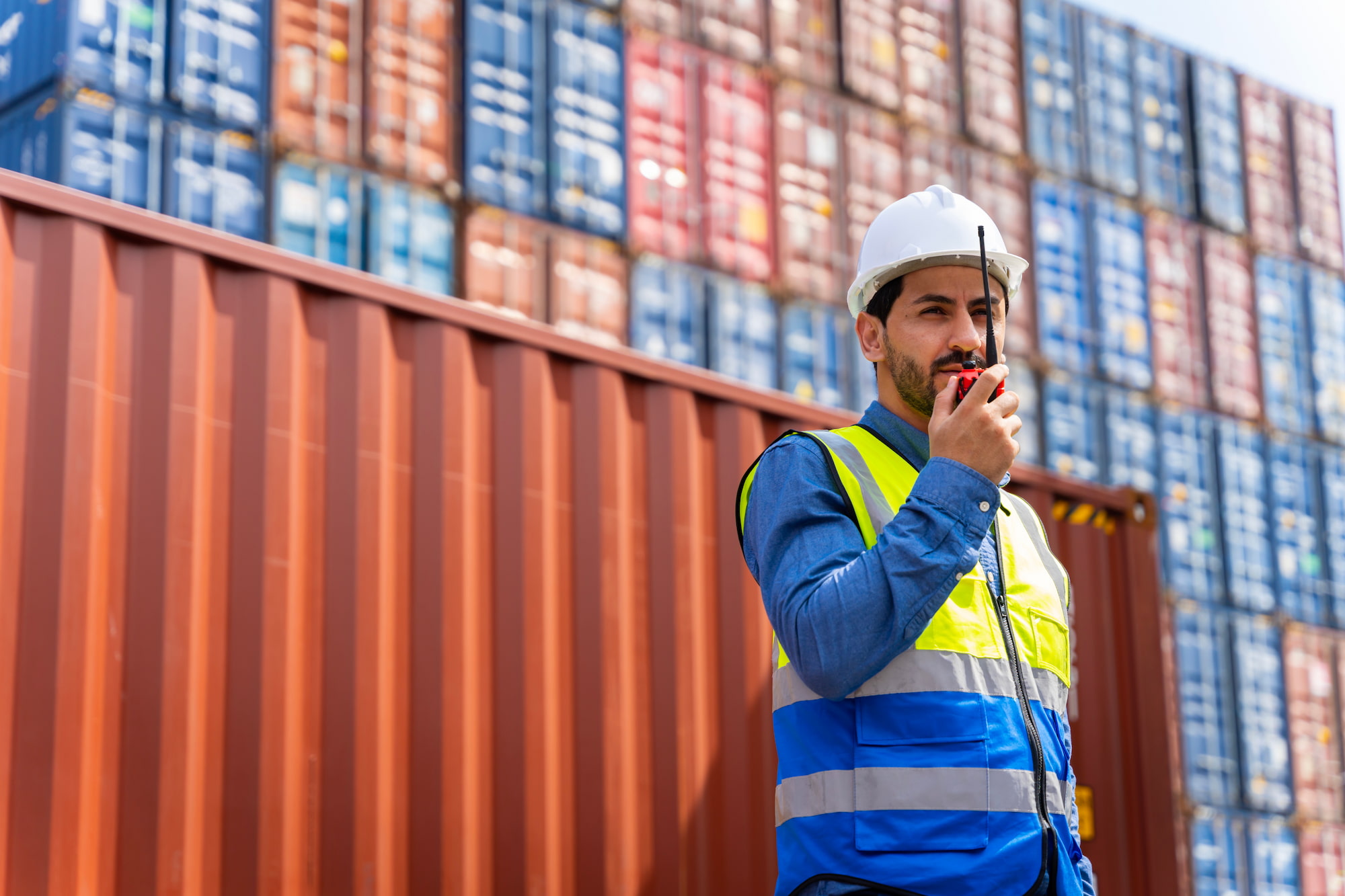
An unsolved resolution is resulting in ILA doubling down on threats to strike on October 1st. Conflict between the ILA and USMX for a new contract agreement has escalated over the last few weeks. In particular, the ILA is fighting for a new contract with a 32% wage hike and higher pensions. Automation in ports is also an issue that resulted in a pause in negotiations in early June. Terminals at the Port of Mobile began using an Auto Gate system that autonomously processes trucks. After ILA released a video with its president, Harold Daggett, discussing the current situation last week, the USMX posted an update.
The main point of the update was to announce an unchanging current contract offer. Some of the offerings of the existing contract noted in the update include:
- The continuation of the current health care coverage.
- An increase to employment retirement fund contributions.
- Higher starting wages and industry-leading wage increases.
Another offer is to retain the existing technology language in the current contract agreement. The agreement formalizes that there will be no fully automated port terminals or use of semi-automated equipment. This is unless agreed upon by both USMX and ILA. Despite the disagreement, the update notes USMX’s willingness to reach a new deal by September 30th.
ILA Doubling Down on Threats Despite The USMX’s Update.
In response to USMX’s update, the ILA wrote a letter of opposition, calling the statement misleading. The ILA believes that the claim of leading wages is false due to inflation. Compared to six years ago, living prices significantly increased when they entered the contract. Another response in the letter was due to USMX’s use of automation. Despite the contract requiring that the USMX does not use automation unless both parties agree, the ILA never agreed. ILA replies, “They continue to sneak in automated programs and eliminate our clerical functions behind our backs.” The letter then goes on to oppose USMX’s current healthcare coverage.
The new contract states that the ILA’s healthcare coverage will remain unchanged despite their desire for better coverage. Along with enhanced benefits, they want a hardship provision for severe cases for members who risk losing their benefits. ILA’s current pension plan has also been an area of concern that the letter addresses. They have constantly talked with USMX about increasing the current benefit amount. The belief is that their man-hour assessment is insufficient to cover the current funds. MILA (Managed Health Care Trust) also collects the first five dollars of the assessment, decreasing the amount. Cameras in the ports that monitor workers are another concern since they reportedly create a hostile work environment.
The Shipping Industry’s Response To The Situation.
As the strike date closely approaches, the shipping industry has responded in various ways. Shippers have already started rerouting their shipments to ports on the West Coast to avoid delays. They also are moving their cargo at earlier times and switching methods of conveyance if possible. With the situation potentially affecting supply chains internationally, it is essential to be informed of the latest updates. Contact A1 Worldwide Logistics at 305-440-5156 or info@a1wwl.com to protect your shipment during this period. We find the best action to take while keeping you informed through the process.
by A1 WorldWide Logistics | Sep 6, 2024 | Economic trends, Importing, Supply Chain
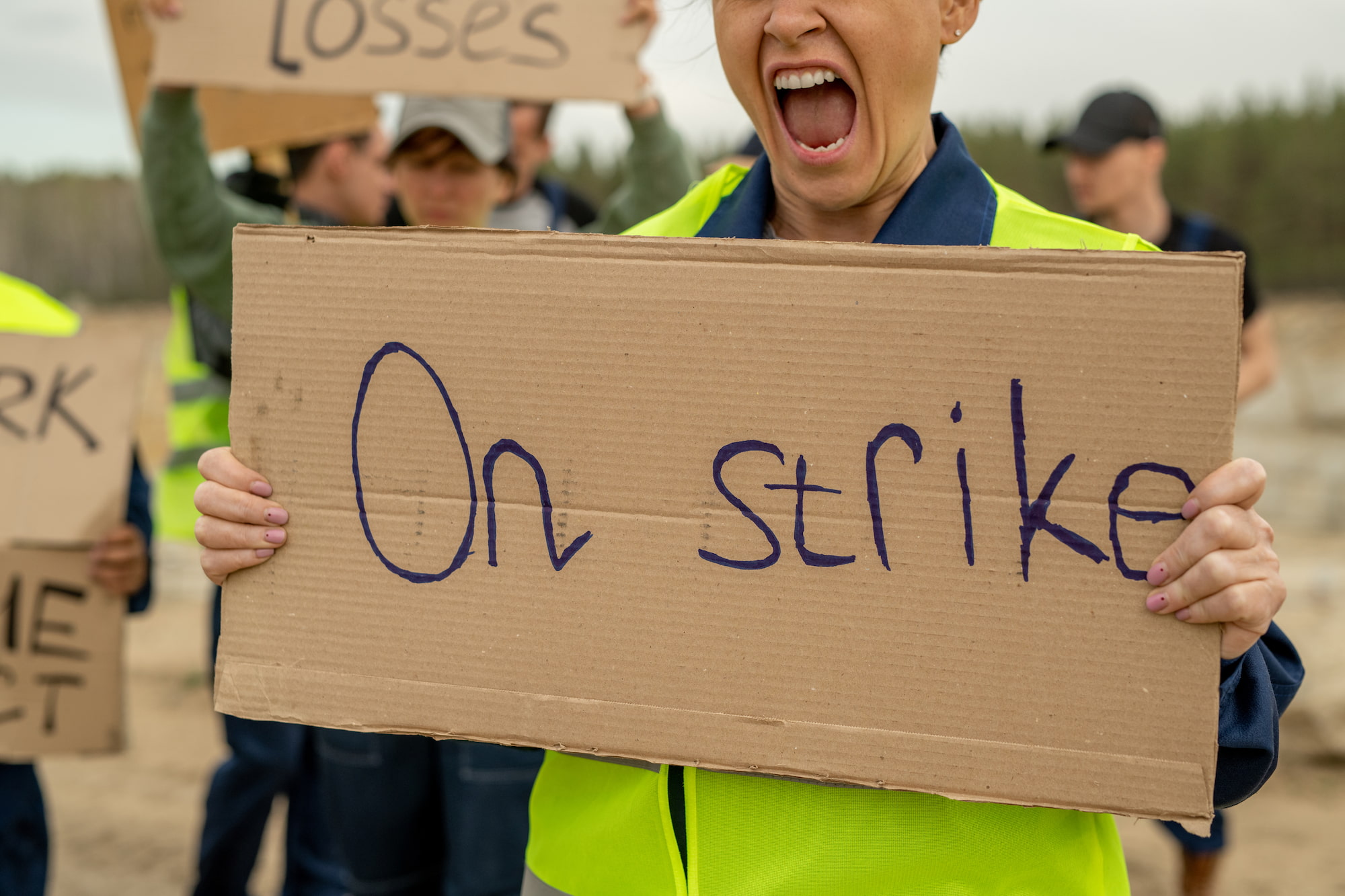
Unresolved negotiations are resulting in ILA strike threats continuing as the October 1st deadline is quickly approaching. The International Longshoreman’s Association (ILA) have been discussing a new contract with the United States Maritime Alliance (USMX). These talks have been unsuccessful as the current six-year contract ends on September 30th. A potential strike will shut down East and Gulf Coast ports and significantly impact international trade. It may also have a disastrous ripple effect through the U.S. economy, as numerous supply chains rely on these ports. With the U.S. import industry worth trillions of dollars, the pressure to find a deal before October 1st is rising.
Why Are The ILA Strike Threats Continuing?
The continuing threats are due to the unresolved resolutions between the ILA and USMX. A primary reason behind the negotiations is for a contract with a higher wage increase similar to the ILWU. In 2023, the ILWU (International Longshore and Warehouse Union) received a 32% hike after weeks of protests. Like their West Coast counterparts, the ILA is fighting for a similar wage increase. The ILA president, Harold Daggett, recently took to social media in a video expressing their displeasure. He notes, “If the employers don’t understand what his members are seeking, I have to go into the street, and we have to fight for what we deserve.”
Harold also believes that the USMX should adequately compensate the ILA for working continuously during the pandemic. Along with better pay, a significant issue has been pensions. While the ILWU has a single coast-wide retirement, part of the ILA does not have one. The workers that do have lower pensions compared to the ILWU. Terminals at the Port of Mobile in Alabama have also used an Auto Gate system that automatically processes trucks. The ILA notes that this system violates the current contract by removing the dockworker’s jobs. Vice President Dennis Daggett says, “We’re not going to allow that cancer to come here on the East Coast”.
Cargo Shifting To The West Coast?
East and Gulf Coast ports are responsible for nearly 43% of all U.S. imports and are critical for trade. With strike threats affecting many supply chains, shipments have already begun moving to West Coast ports. This is similar to the 2022 ILWU protests, where West Coast port imports switched to East Coast ports. The fear is that a potential strike can lead to port congestion due to a volume increase. Imports that come into the U.S. already tend to rise during this period because of the holiday season. Analysis reports that a two-week walkout could result in a slowdown that will take until 2025 to clear.
Port congestion can have numerous other challenges in shipping. Volume increases that come from strikes lead to delays that disrupt supply chains. Delays also look unfavorable for companies with customers that rely on imports. Along with supply chain disruptions, congestion can increase overall costs to ship cargo, such as demurrage. Demurrage is a fee the shipper must pay for containers that remain at the port past the allotted time. Container rates may continue to rise further from the protests since they rose over the last year. Various importers and exporters relying on East Coast ports are urging both sides to continue negotiations. Reach A1 Worldwide Logistics at 305-440-5156 or visit our website to keep up to with the current situation.

by A1 WorldWide Logistics | Sep 5, 2024 | Economic trends, Supply Chain, Warehousing
The logistics industry has seen growing sustainability in warehousing operations in recent years. As the e-commerce business grows, so does the number of warehouses across the U.S. As a result, warehousing activities now contribute to nearly 11% of greenhouse gas emissions in the logistics sector. On a larger scale, it also contributes to massive energy consumption, waste, and transportation emissions in the global supply chain. Warehouse sustainability is the process of decreasing the environmental impact that warehouses have while optimizing operating efficiency. Various trends in warehousing have allowed an increase in greener and more efficient practices. Technology and different strategies have further expanded the push towards sustainability.
The Importance of Sustainability In Warehousing
Sustainability has grown significantly in warehousing for various reasons. One of the primary reasons is to reduce the carbon footprint in the logistics industry. With the U.S. setting a goal to have net-zero emissions by 2050, this is a vital step in the process. Another reason is to create an efficient and more resilient supply chain. Sustainability can have other benefits than a greener future, like reducing energy costs. Better reuse and recycling strategies can reduce expenditures by up to 20%. It can also improve brand awareness by giving a clean image to its customers.
How Is Sustainability Being Adapted in Warehousing?
Some of the most common ways that sustainability is growing in warehousing include:
Recycling and Waste Reduction – Waste management has been a focal point in warehouse sustainability due to the amount of excess they produce. Warehouses manage waste by recycling, reusing resources, and reducing packing waste. Businesses have also optimized their packaging for eco-friendliness by using eco-friendly package materials and reducing the volume of packing material.
Energy Efficiency – Since warehouses are common consumers of energy in the logistics industry Energy-efficient strategies have gotten increasingly popular. Renewable energy sources like solar panels are growing in warehousing to generate clean energy on-site. Smart thermostats and energy-efficient HVAC systems are other strategies for energy efficiency. LED lighting and solar panels can also help save costs.
Technology – A trend that has been growing recently is the usage of advanced technologies like automation in warehousing. Artificial intelligence is being used by warehouses to improve workflows and operations. Sustainability comes from technology that monitors and optimizes energy use or that can reduce waste.
Transportation – Sustainable practices can also come from freight transportation to and from the warehouse. Efficient route planning can lessen the time on the road, decreasing the amount of CO2 the carrier releases into the atmosphere. Using alternative fuels like compressed natural gas and renewable energy is another green practice in warehousing. Another way has been an increase in the use of EVs (Electric Vehicles).
A1 Worldwide Logistics
When importing into the U.S., a shipper must pay specific taxes before releasing their cargo from customs. If the importer does not need their goods immediately, they can keep them in a customs-bonded warehouse. Customs-bonded warehouses allow the storage of imports for up to five years without paying duties and taxes. The goods can undergo manipulation and manufacturing operations during the storage period. This is beneficial if an importer has a product that they do not plan on selling immediately. Contact A1 Worldwide Logistics at 305-440-5156 or info@a1wwl.com to learn about our bonded warehousing solutions for your shipment.
by A1 WorldWide Logistics | Aug 29, 2024 | Freight, Shipping Logistics, Technology
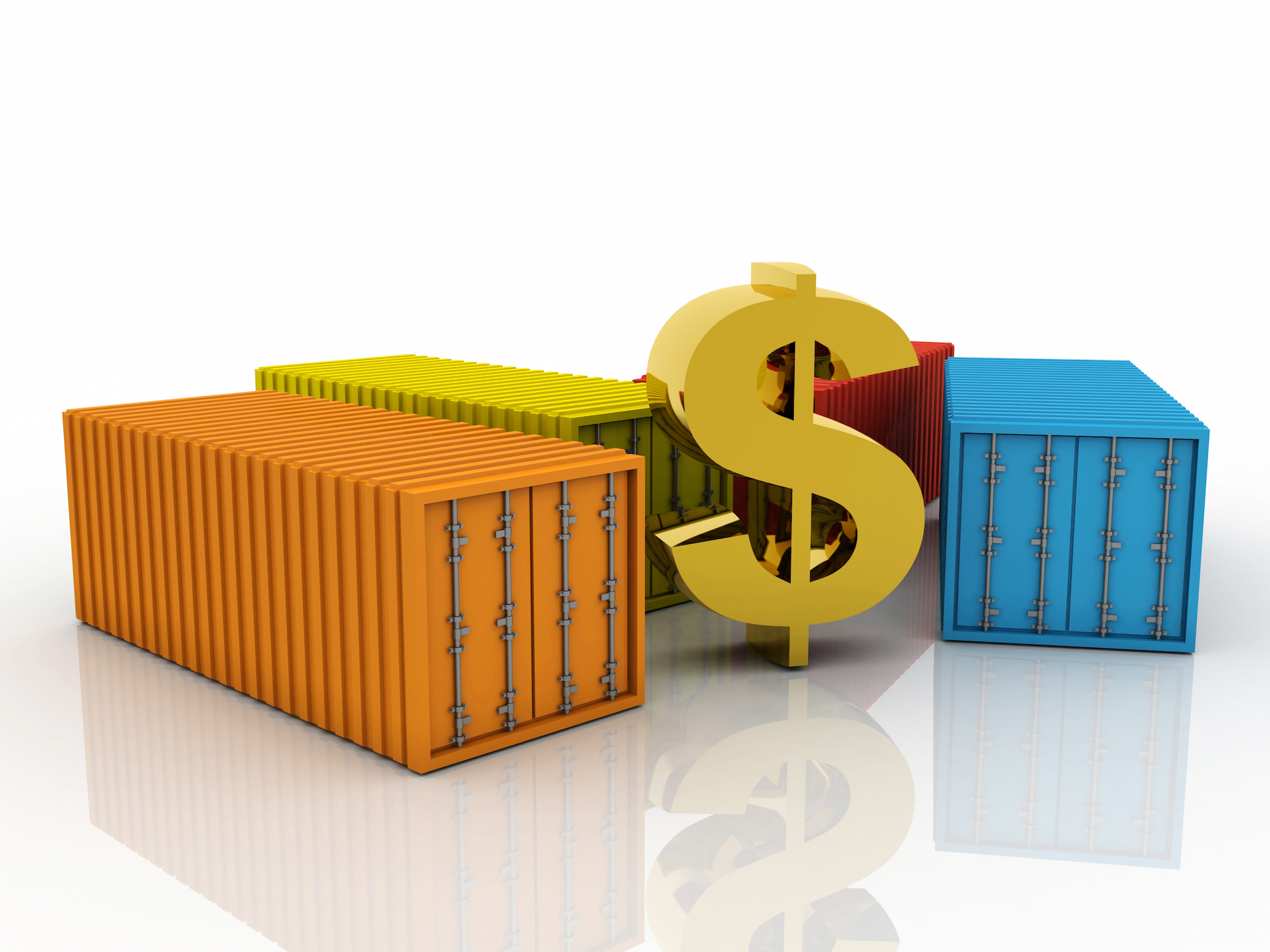
Understanding the actual cost of freight is a vital consideration when shipping internationally. The actual cost is the total amount the shipper pays to ship goods from one location to another. CBP describes it as the amount that goes to the international carrier, freight forwarder, insurance company, and other service providers. Failure to find the correct total can impact the supply chain in numerous ways. For example, underpaying an import that must go through customs can result in a cargo hold at customs. This article will describe what goes into determining the cost and the documents shippers can use as evidence.
What Determines The Actual Cost of Freight?
Due to the numerous factors involved with shipping cargo internationally, many components can determine freight costs. These include outside considerations along with the shipment itself. The type of goods that a carrier is moving is a primary basis for the shipment. For example, freight can be fragile, hazardous, or perishable and require special handling, which may lead to higher pricing. Valuable goods like jewelry are expensive to ship due to their high monetary value. Weight and volume are other determinants of freight costs. Heavier shipments typically cost more than lighter ones. Oversized cargo, like large machinery, may also have higher costs due to the handling.
Along with the freight that the shipper is moving, outside factors like the method of conveyance can determine the costs. Despite the benefits of transportation by air or sea, airfreight tends to be more expensive. The distance of cargo transport also influences costs, with longer distances costing more. Other determinates include fuel costs and additional services like handling, domestic shipping, and tracking. Shipments can also have insurance, which goes to the total freight cost. When goods enter the designated port, they must pay other charges like duties or taxes before customs releases them.
Where To Find The Actual Freight Cost?
Some of the documents that the shipper can use to find evidence of actual freight costs include:
Commercial Invoice – A commercial invoice is a document that acts as a transaction record between the exporter (seller) and importer (buyer). Customs officials use it to assess import duties and taxes; it is also evidence of sale for the shipper.
Bill of Lading – The bill of lading is a legal document between the shipper and carrier that describes what the shipper is shipping. It acts as a receipt for the cargo and provides vital information such as freight charges.
Proof of Payment – This document confirms a transaction between two parties. Examples include checks, bank statements, and letters of credit.
Freight Contracts and Agreements – These agreements between shippers and carriers outline the agreed-upon terms and conditions. They establish the parties’ responsibilities and can provide evidence of the actual cost.
It is essential to note that customs officials have the discretion to accept a document as evidence.
Although the documents described in the article can help find the actual freight cost, they may still confuse shippers. Due to the different fees involved in shipping internationally, inexperienced shippers can have difficulty determining the price. A way to find the total cost is by using the help of a freight forwarder. Forwarders are third-party companies that act as the middlemen between the shipper and the carrier transporting the goods. They determine the total transport cost, provide the paperwork, coordinate the cargo movement, and provide other solutions. Contact A1 Worldwide Logistics at 305-425-9752 or info@a1wwl.com to speak to a forwarder regarding the success of your shipment.
by A1 WorldWide Logistics | Aug 22, 2024 | Freight, Shipping Logistics, Supply Chain
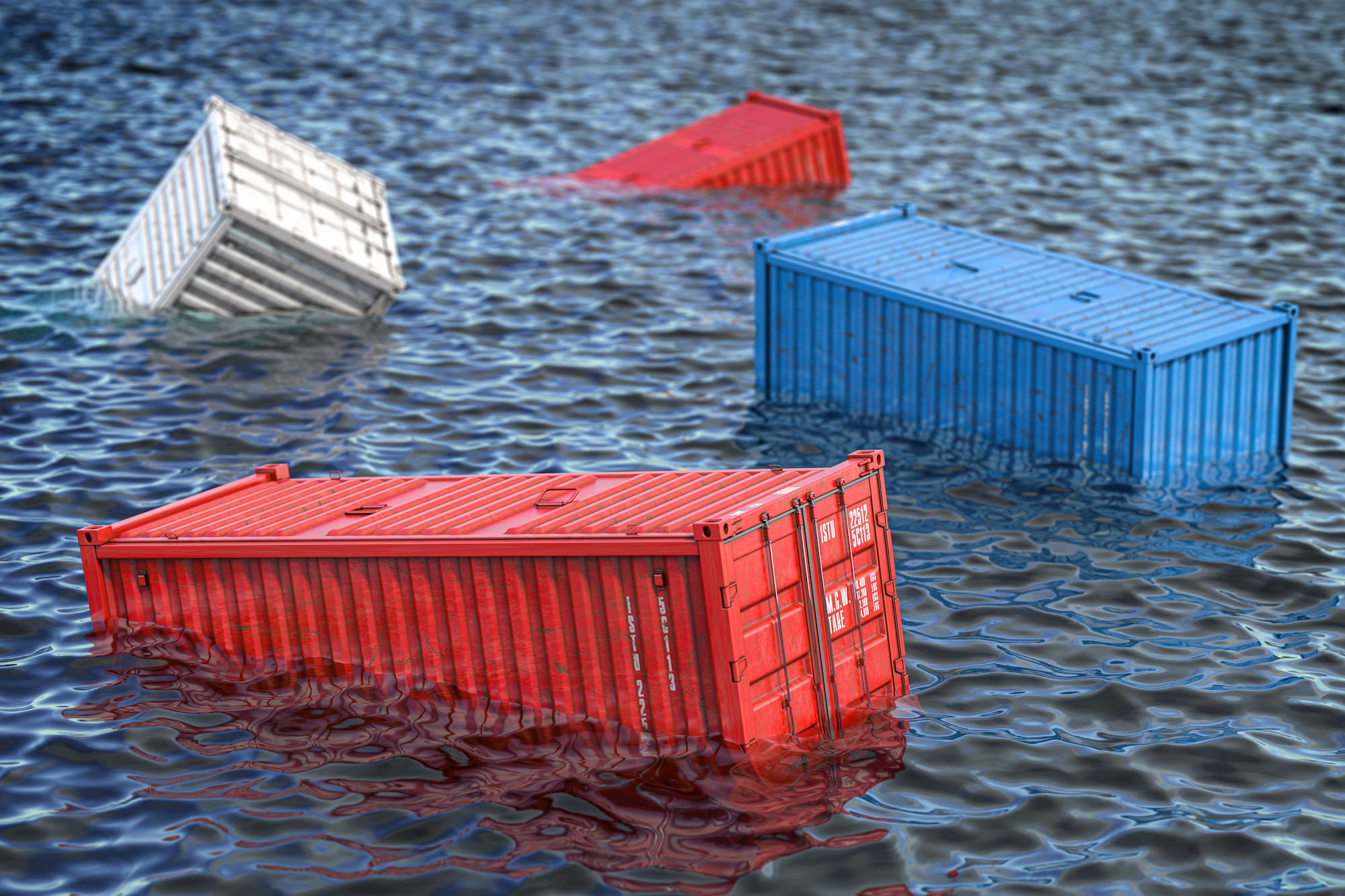
An alarming message for shippers shipping cargo is finding out that their containers are lost at sea. A 15-year survey from 2008-2022 notes that carriers loose approximately 1,566 containers at sea yearly due to numerous causes. That number can vary based on significant incidences and the ship’s cargo size. As the number of containerships in the ocean grows yearly, so does the potential for missing containers. While this can directly impact a supply chain, it indirectly affects external components, too. This article will explain how a container falls off, its effect, and what a shipper can do in this scenario.
How Do Shippers Loose Their Containers At Sea, And What Is The Impact?
Various factors can cause a container to go overboard. One of the most common reasons for this is severe weather conditions like rough storms. Along with the pressure from winds causing the containers to dislodge, large waves can also force them over. Another reason why this happens is due to improper securing of the containers. When loaders stack a container onto a vessel, they must secure it correctly to prevent looseness. Since loaders stack the containers several layers high, detachment can result in it falling into the ocean. Other situations like poor weight distribution, damaged or older containers, collisions, incorrect docking, and overloading can affect stability and cause falling into the sea.
When containers are lost at sea, it affects various parts of the supply chain, including the shipper and carrier. For the shipper, losing cargo can result in losing essential goods and money. This is especially true for businesses that have to ship many containers yearly. Customers who rely on shipment importation may be disappointed by the situation. The shipping company responsible for exportation usually has to repay the shipper an amount based on the container. An indirect effect of a container falling into the ocean is that it can pose a hazardous environmental risk. Some may also stay afloat and pose a risk for other carriers.
What Can Shippers Do When Their Containers Are Lost At Sea?
While a container getting lost at sea can happen randomly, there are steps a shipper can take to lessen disruptions. The most significant means of security is to have cargo insurance. Insurance allows the shipper to recover a percentage or the entire monetary loss from the incident. The carrier company may sometimes allow recovery options, which is usually for valuable or hazardous freight. The cost of recovering the container may also be high due to the ocean’s depth. Companies typically use container tracking technologies like GPS to identify and confirm the container’s location. When a company allows for a refund, the shipper must give the necessary details regarding the shipment.
Another step shippers can take to prevent container loss is finding reputable carriers. An easy way to do this is by speaking to a freight forwarder. Freight Forwarders go through a list of carriers to find the most qualified one to move your goods. Forwarders also help shippers navigate unexpected disruptions and are with them until the shipment reaches the final destination. Call A1 Worldwide Logistics at 305-440-5156 to speak to a freight forwarder regarding the transport of your cargo. We also provide domestic shipping services to move your shipment by land once it reaches the U.S.

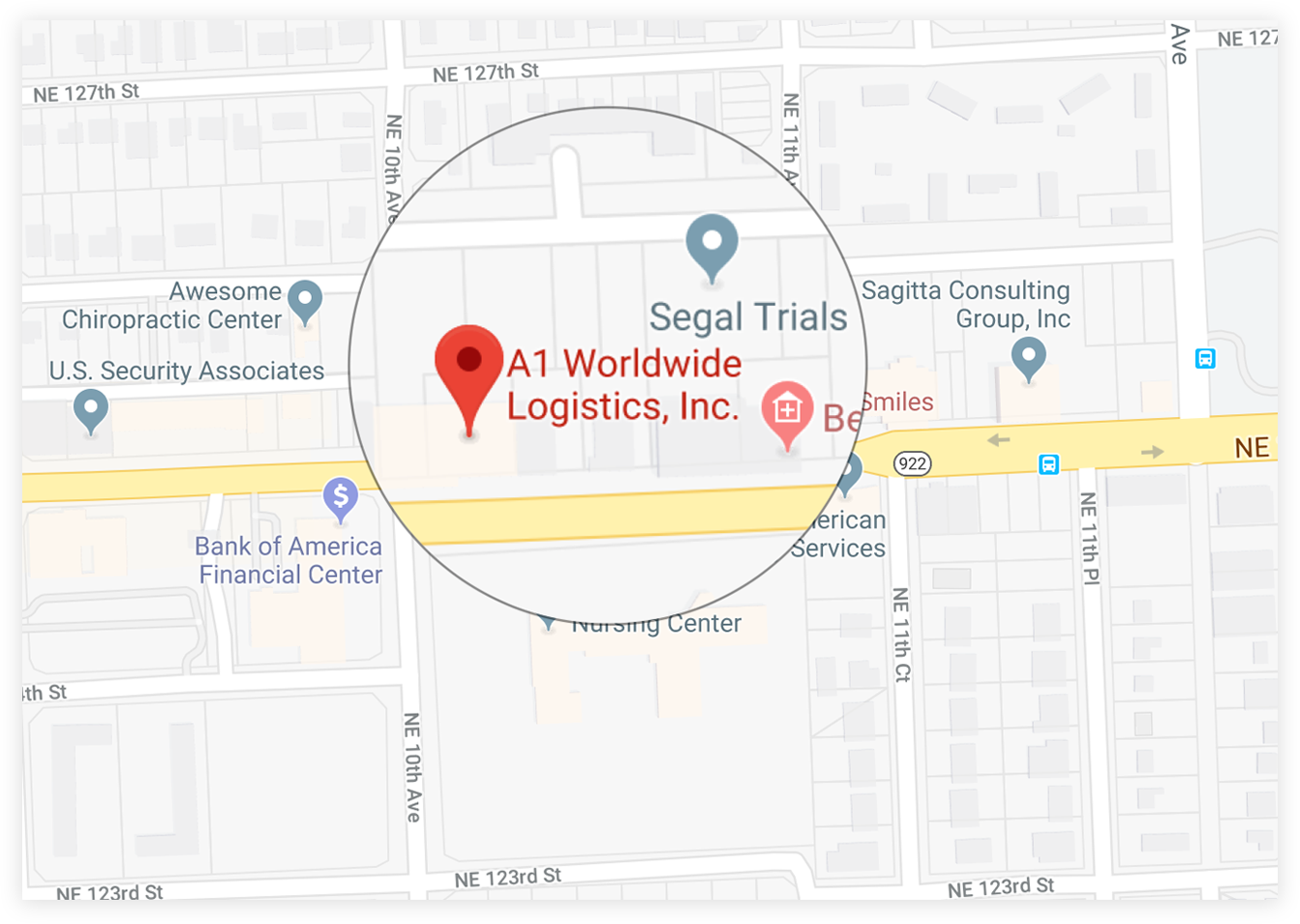
 1035 NE 125th St Suite #320, North Miami, FL 33161.
 a1worldwidelogistics.com
 (305) 821-8995
 Hours: 8AM - 5PM