by A1 WorldWide Logistics | Jun 13, 2024 | Air Freight, Customs Broker, Importing
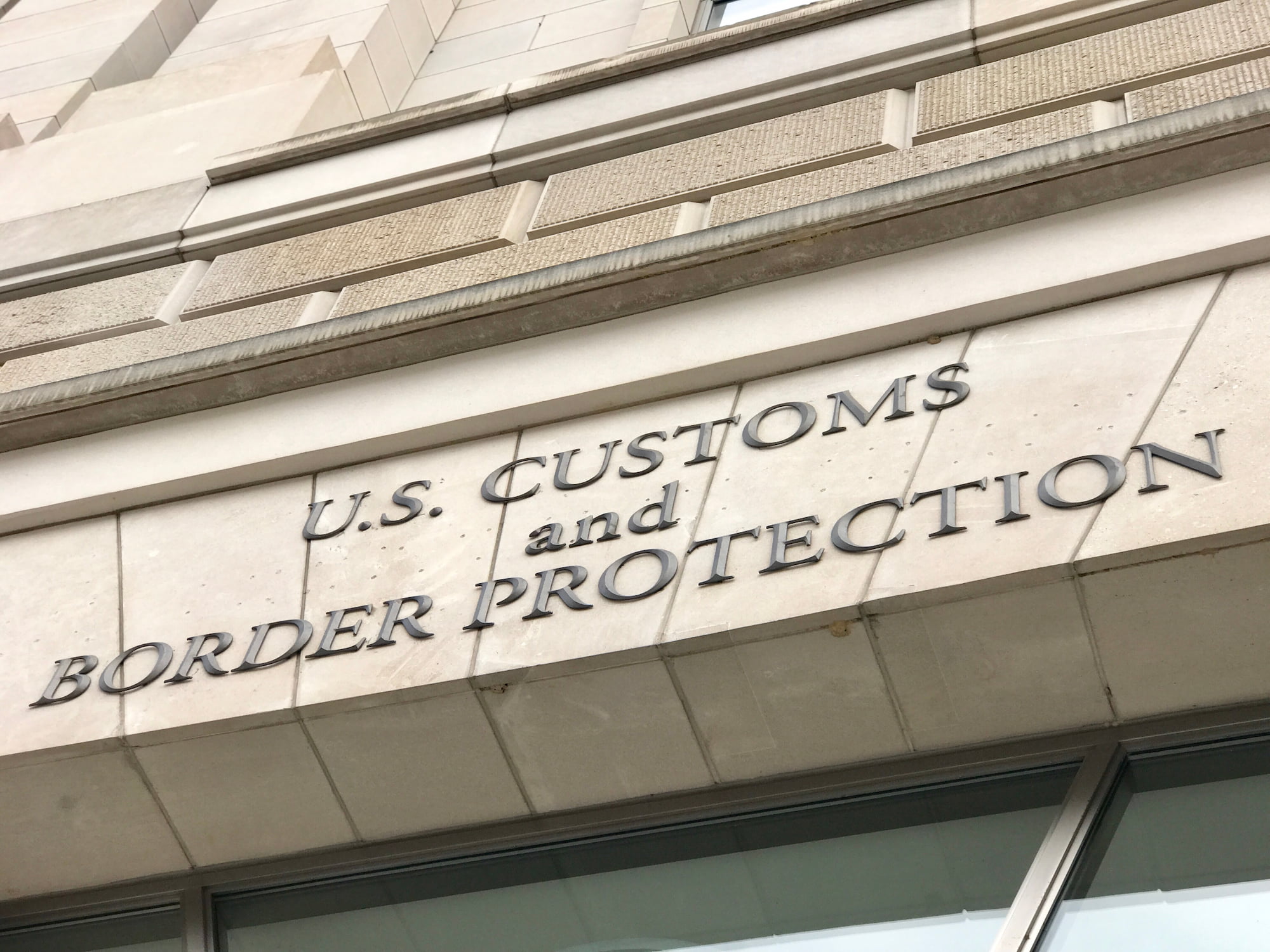
The CBP are tightening e-commerce enforcement on low-value imports coming into the U.S. Recently, multiple customs brokers have had actions taken against them by the CBP for not filing proper and correct entries. In particular, entries for small, low-dollar imports that are duty-free. Penalties for not complying with filing requirements include suspension from CBP’s Entry Type 86 Program. The crackdown has started with e-commerce shipments coming into the U.S. by air into the Los Angeles International Airport (LAX). Low-value cargo coming into the LAX airport from countries like China and India are moving to CBP warehouses for review. Customs have also recently seized parcels of a weight-loss drug coming through e-commerce to Chicago O’Hare International Airport.
Why CBP Are Tightening E-Commerce Enforcement
The CBP is cracking down on low-value e-commerce imports to prevent shippers from exploiting the de minimis rule. De minimis is the minimal value of imported goods exempt from duties and a formal customs declaration. In 2016, the Trade Facilitation and Trade Enforcement Act of 2015 (TFTEA) rose in value from $200 to $800. The CBP changed the amount to accommodate the growing trend of e-commerce shipments into the U.S. Online purchases were typically low-value, meaning that it wasn’t worth the costs of CBP to collect the duties. An effect was that importers and retailers transported millions of smaller packages to the U.S. at a lower cost.
Imports below the de minimis threshold surged from approximately 134 million in 2015 to over 1 billion in 2023. While this was good for e-commerce, it allowed malicious players to bring drugs and illegal items to the U.S. CBP has started acting to police the importations by suspending shippers from the Entry Type 86 program. Entry Type 86 is the CBP initiative that streamlines the import of de minimis cargo. This program allows self-entry filers and brokers to transfer shipment data electronically, resulting in faster customs clearance. In response to the potential for bad actors to bring illegal goods to the U.S., the CBP has become strict in ensuring compliance with Entry Type 86 requirements.
What Does This Mean For International Shipping?
Shippers and customs brokers are affected by tightening regulations for low-value e-commerce Importations. With CBP increasing their inspections of Entry Type 86 imports, the time for certain airfreight imports may soon increase. This could be bad for importers and customers who must wait longer for their goods. The supply chain for shippers is also affected if their freight is on hold at customs. Customs brokers must be careful to comply with CBP filing and classification requirements. Adhering includes providing accurate data and not rushing when filing entries. Customs has recently suspended a significant logistics provider from being able to file Type 86 entries due to undisclosed reasons.
To prevent delays and holdups in your supply chain, shippers must find trustworthy customs brokers. A broker acts as an intermediary between the shipper and U.S. customs and ensures the clearance of an import. They do this by declaring the goods correctly, providing documents, and make sure the importer pays the duties. With customs providing greater enforcement, this is increasingly important. A1 Worldwide Logistics has customs brokering, freight forwarding, and other services for your supply chain. Speak to an expert at 305-425-9513 to ensure the success of your shipment.
by A1 WorldWide Logistics | Jun 6, 2024 | Economic trends, Shipping Logistics, Supply Chain
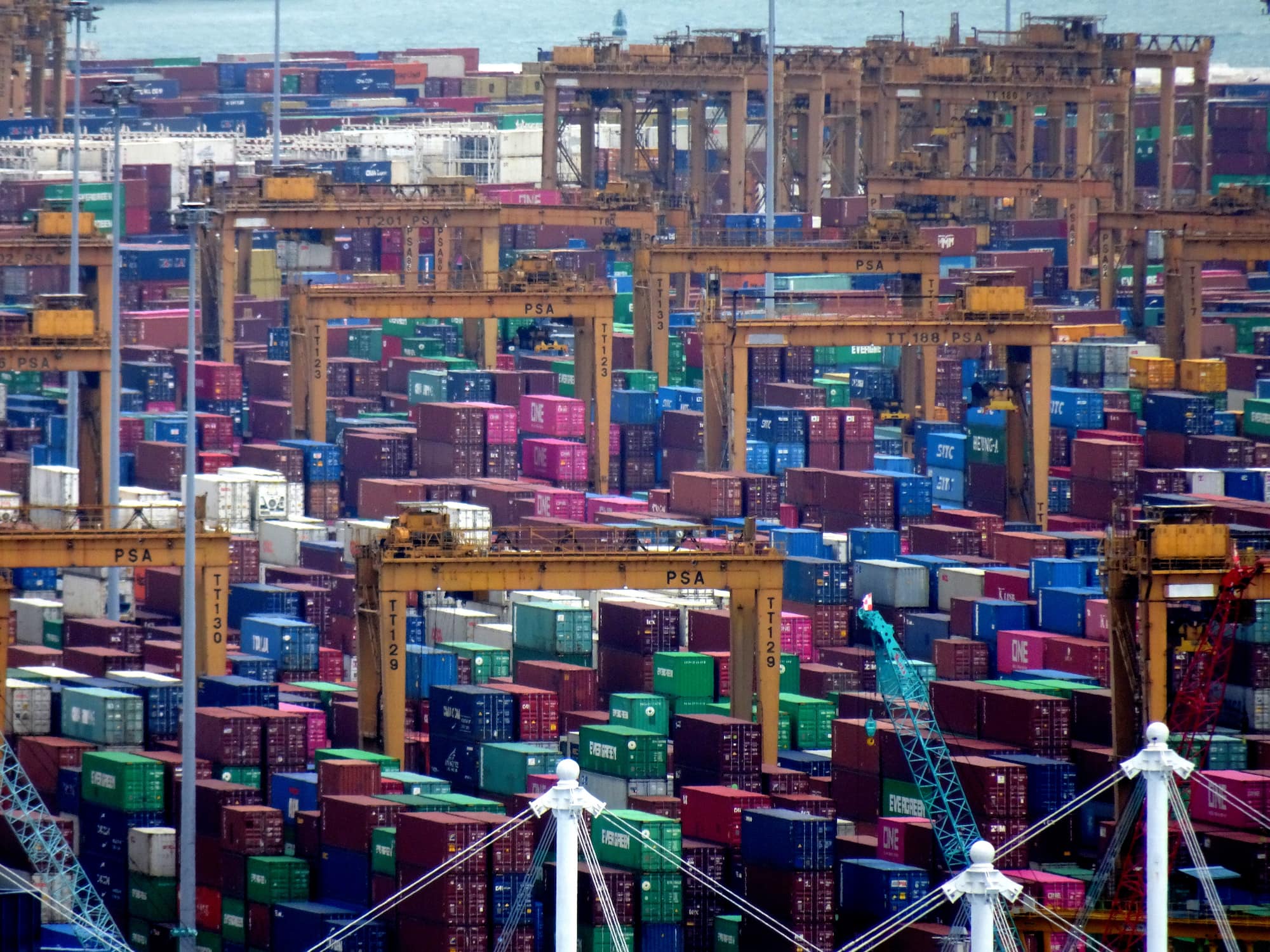
Over the last few weeks, an increase in container volumes has resulted in growing Singapore port congestion. The Port of Singapore is the 2nd largest seaport internationally, handling over 591.7 million tons of freight in 2023. Various international shipping circumstances have recently caused global backlogs across ports, with the Singapore port being an epicenter. A market intelligence firm report noted that nearly 450,000 TEU (Twenty-foot equivalents) are in the queue. For reference, this is a greater volume than the coronavirus pandemic. Shipping delays in the port have also doubled nearly in May, with vessels waiting almost seven days for a berth. What can the congestion mean for shipping as the peak season quickly approaches?
What Is Causing The Growing Singapore Port Congestion?
While different contributors are resulting in current port congestion, the Red Sea Crisis is one of the primary issues. In 2023, the Iseral-Hamas conflict in Gaza made its way to the Red Sea as militants struck multiple vessels. The sea connects to the Suez Canal, one of the significant artificial pathways for international shipping responsible for nearly 30% of the world’s container volume. As a result, containerships began rerouting to locations, such as the Cape of Good Hope in South Africa. A side effect of the conflict was an increase in off-schedule arrivals to ports like the Port of Singapore. When carriers arrive off-schedule, at the same time, it creates a vessel-bunching effect.
As more containerships remain outside the Port of Singapore, berth wait times increase. Vessels typically wait around half a day to dock at the port but currently take up to seven days. As a result, several ships have canceled their shipment to the port. However, that may create congestion for nearby ports. The Singapore port has responded to the jam with plans to open three additional berths later this year. Congestion has become a growing concern globally, with Asian and Mediterranean ports feeling a significant strain. The market intelligence firm also notes that nearly seven percent of global port capacity is currently congested. Usually, the number is between two to four percent.
What Will This Mean For International Shipping?
Geopolitical events like the Red Sea crisis have significantly affected shippers’ supply chains that move goods internationally. Along with rising transit times, another effect is that freight rates have increased over the last few months. The global container freight index has risen over 30% in May 2024 alone. Asia-North America West Coast spot rates have increased by over 70% since the end of April. If the existing trend continues, container rates could reach over $15,000 by the end of the year. Other situations affecting the rising prices include sudden demand increases, capacity constraints, equipment shortages, and rising fuel prices.
Although the current situation can seem intimidating, it should not stop the movement of cargo internationally. It is, however, essential that you are informed and protect your supply chain. Using the assistance of a 3PL (Third Party Logistics) provider is an ideal way to begin. 3PLs handle various parts of a shipper’s supply chain, including international and domestic shipping, storing, customs brokering, etc. 3PLs also offer consulting services to ensure you take the best actions for your supply chain. Reach A1 Worldwide Logistics at 305-425-9513 to find out about our numerous solutions for moving your shipment. We help you navigate the shipping world and move your goods to the final destination.

by A1 WorldWide Logistics | May 23, 2024 | Economic trends, Importing, Transportation
Recent developments are causing an increase in shipping costs, with container rates still rising since the start of 2024. Carrier companies could soon raise prices to $20,000 for 40ft equivalent units (FEU) by the end of the year. In particular, a surge in Freight All Kind (FAK) rates is not bound to a specific commodity. The Drewry World Container notes an increase of 11% for a 40ft container, bringing the average cost to $3,511. This is a 104% increase compared to the same period last year. The spot rates of specific trade routes’ have also risen by nearly 30% in the past two weeks. With peak season starting in mid-August, the current situation may lead to higher costs and delays in the coming months.
Why Are Container Rates Still Rising?
Different global factors have contributed to the rise in container rates, including the scarcity of available space. Along with the Panama Canal drought and the US-China trade war, the Red Sea crisis significantly adds to the surge. The war near the waterway has caused ships to reroute around the Cape of Good Hope in South Africa. This added nearly 14 days to some shipments, extending transit times and limiting container capacity, raising container costs. Meanwhile, demand for international shipping has reached record levels in Q1 of 2024, nearly up 9.2% compared to Q1 last year. The present market is due to lowering capacity and transit times during the coronavirus pandemic.
Although the international shipping industry has recovered from COVID-19, the impact is still in the minds of shippers. The current scarcity of container space is following the pandemic trend, and many are preparing in advance. Companies are importing more goods now to have inventory and prevent potential delays as the peak season nears. The rise in container rates directly results from the demand and is a GRI (General Rate Increase). GRIs are standardized adjustments by carriers to base rates across shipping routes. With prices rising as the peak season approaches, some may be willing to pay more to secure space.
What Does It Mean For The Shipper?
The hike in rates has a direct impact on shippers that extends beyond having to pay extra costs. Other effects include increasing cancellation of reserved space, new weight limits, and more significant surcharges. While it may be impossible to avoid rising rates, exporters must prepare beforehand to prevent any adverse issues from arising. Shippers have already started looking for alternative methods of conveyance, like air, to prevent delays. They must be current with any news in the international shipping industry. This can include constantly checking news websites or other media sources for information. Understanding your supply chain is also crucial in making informed decisions.
Despite the current rising costs, shippers still must move cargo internationally. However, they must take the proper steps to ensure the transport of their goods. Another way to prepare is by using the assistance of a freight forwarder to move your cargo. Forwarders act as the middleman between the shipper and the carrier transporting the goods. They have various responsibilities, including finding the best rates for exporters. Along with guiding shippers throughout the process, they assist with the duty payments and documentation on their behalf. Call A1 Worldwide Logistics at 305-425-9456 to communicate with our freight forwarders regarding your shipment.

by A1 WorldWide Logistics | May 2, 2024 | 3PL, Delivery, Shipping Logistics
An important consideration when shipping cargo internationally is understanding what are outsourcing logistics. Outsourcing is when a company or shipper uses an external provider to provide services typically done in-house. Although outsourcing can happen in the same country, it commonly occurs in outside countries. These services can include manufacturing, operations, shipping, and other tasks. While certain businesses delegate specific functions to external sources, others transfer the majority of processes. With e-commerce and globalization growing rapidly, the need for outsourcing has also risen. This article will explain the benefits and challenges of this logistics model and focus on international shipping.
What Are Outsourcing Logistics And Why Do Shippers Outsource?
While there are numerous reasons that a shipper outsources, a common purpose is to cut costs. For example, a company that makes and ships a large quantity of goods typically has many expenses. Workers in other countries can cut production costs, allowing the company to make more goods. When shipping the finished products internationally, outsourcing the process also has monetary advantages. Expenses from owning and maintaining a carrier pile up over time as shipments grow. Likewise, in domestic transport, using an outside trucking company is cheaper than maintaining a fleet of trucks. Another benefit of outsourcing is the potential for expandability and scalability.
One of a company’s main goals is expansion, and outsourcing is one of the best ways to achieve this. As the volume of shipments increases, the ability to meet the demand becomes more challenging. Using a separate logistics company that can meet customer requirements allows quick scalability. Utilizing a third-party fulfillment center with storage and last-mile delivery enables a company to scale. Along with scalability, flexibility becomes possible when a business can quickly downsize or upsize operations based on market conditions. There are also many regulations that shippers have to follow when bringing in goods from other countries. Outsourcing importation to customs brokers is ideal for simplifying the customs clearance process.
What Can Be Some Disadvantages Of Outsourcing?
While outsourcing has various advantages, this logistics model can also have challenges. A typical issue is the decrease in communication that can arise from many parties involved in a shipment. For example, using a carrier company to move your cargo means that the shipper has to contact the carrier when issues arise. Poor quality carriers can be challenging to reach, which can be a problem in an emergency. Outsourcing can also cause other issues, such as a loss of control. Part of a supply chain goes to another party; if a mistake happens, it goes directly to the shipper. In extreme cases, the third party can commit cargo theft or any other offense.
Despite the challenges, numerous businesses outsource due to the value it has. A shipper must ensure that they find qualified carriers to move their cargo. Shippers can do this with the help of a 3PL (third-party logistics) provider. 3PLs match the sender of a shipment to an ideal carrier that can complete the transport. They also provide other services like warehousing, order fulfillment, reverse logistics, etc. To begin outsourcing, contact A1 Worldwide Logistics at 305-821-8995 to speak to our 3PL exports regarding starting. Along with a focus on transparency and reliability, we have numerous solutions for your supply chain.
by A1 WorldWide Logistics | Apr 25, 2024 | Customs Broker, Freight Forwarding, Importing
Whether you are a new or experienced shipper, ensuring a successful importation is essential when bringing cargo into the U.S. The U.S. is the most significant importer globally and brought in over $3 trillion of freight in 2023. It may be attractive when starting because of its numerous benefits for businesses and shippers. However, you should take special precautions to avoid potential disruptions during the process. Many things may go wrong during importing which can result in monetary loss or loss of the cargo. This article will explain what can go wrong when importing and give tips to ensure a successful shipment when starting.
What Can Go Wrong During The Importation Process?
Due to the complexity of importing into the U.S. or elsewhere, many components can go wrong. A common issue that arises when moving cargo is delays in customs clearance. Numerous problems can lead to delays like incorrect documentation, unpaid fees, not following packing or label regulations, etc. Holds can be especially bad for businesses that are shipping goods to customers. Another scenario that can go wrong is bringing goods into the U.S. with the incorrect tariff code. Having the wrong code can lead to shipment seizure and other non-compliance penalties. Once customs clears the cargo, late container pickup and drop-off can lead to demurrage or detention charges.
What Are Some Tips For Ensuring A Successful Importation?
Although scenarios like cargo damage can be unavoidable, there are parts of the process that an importer can control. Some of the ways that a shipper can ensure a successful shipment include:
- Have the correct paperwork – There are numerous documents that a shipper may require when importing into the U.S. Some examples include the bill of lading, packing list certificate of origin, arrival notice, commercial invoice, etc. Importers also should verify the correct filing of the paperwork. Incorrect documentation can result in goods staying at customs and extra costs.
- Understand the rules and regulations for importation – Countries that bring in cargo internationally have regulations that shippers must follow, and the U.S. is no different. Before shipping, importers must understand these guidelines and ensure their shipment follows them. An example is not importing illegal freight like absinthe, dog, or cat fur.
- Determine the correct tariff code – Similar to documentation, a shipper must ensure they have the correct HS tariff code. The HS (Harmonized Tariff) is a method for classifying traded goods. These codes help customs assess taxes along with other tasks. Use a tariff database or help from a customs broker when looking up your code.
- Prepare for risk – Importing internationally into the U.S. can have numerous risks, especially when starting. In addition to the tips in the article, the shipper should take extra steps, such as using reputable carriers to protect their goods. Having cargo insurance can be useful for unavoidable scenarios like the shipment falling into the ocean.
How To Get Started?
With all the tips in the article, starting may still be challenging for beginner importers. An ideal way to begin is by using a freight forwarder and customs broker to streamline the shipping process. Freight forwarders act as the middlemen coordinating your cargo’s movement into and out of the U.S. Brokers assist in the customs clearance when the shipment enters the U.S. Both professions handle part of the importation, allowing the shippers to focus on other parts of their supply chain. Contact A1 Worldwide Logistics at 305-821-8995 or info@a1wwl.com to start importing from anywhere internationally. We have forwarders, brokers, and different solutions to ensure the success of your import.

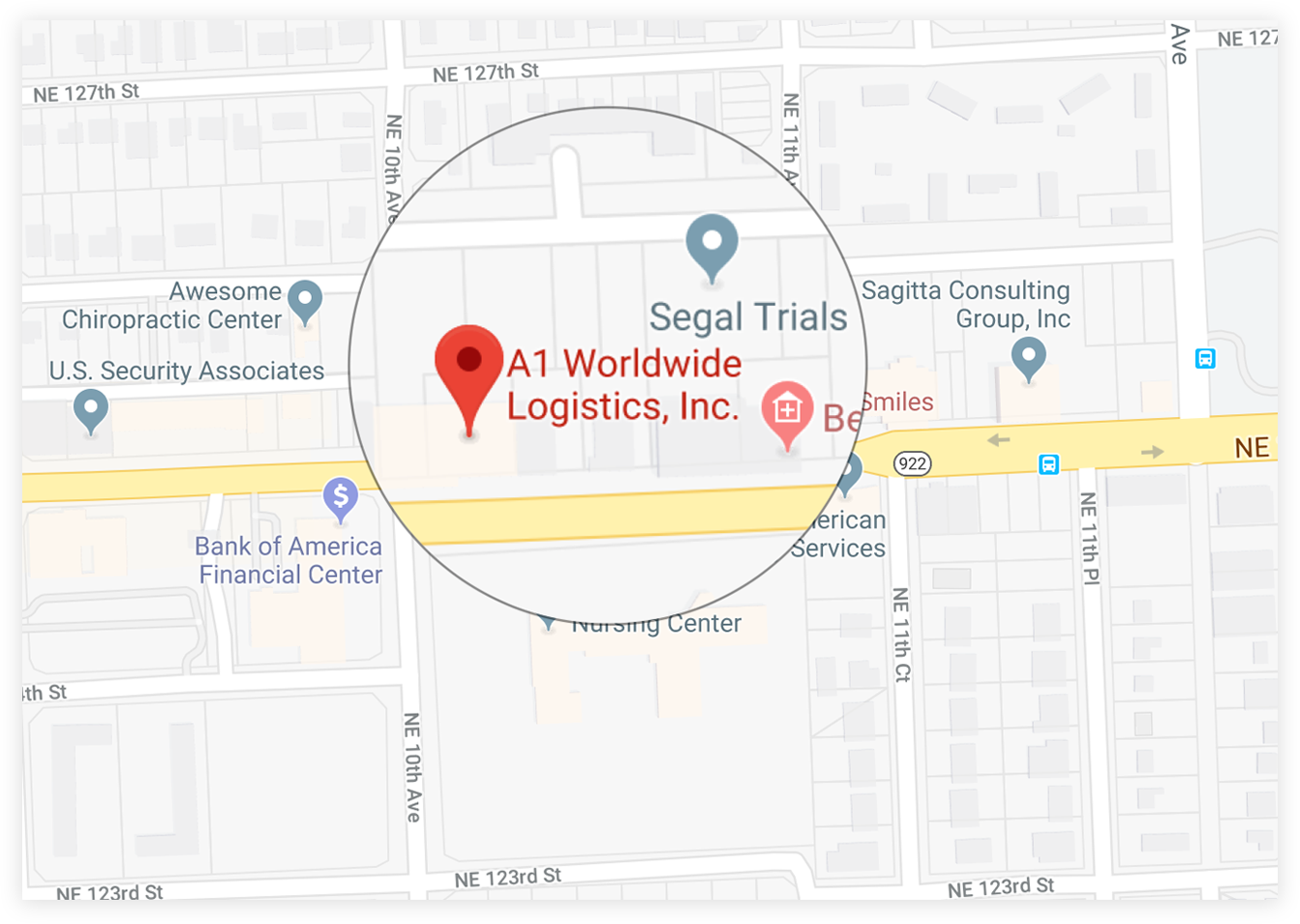
 1035 NE 125th St Suite #320, North Miami, FL 33161.
 a1worldwidelogistics.com
 (305) 821-8995
 Hours: 8AM - 5PM