by A1 WorldWide Logistics | Sep 27, 2023 | Freight, Supply Chain, Warehousing
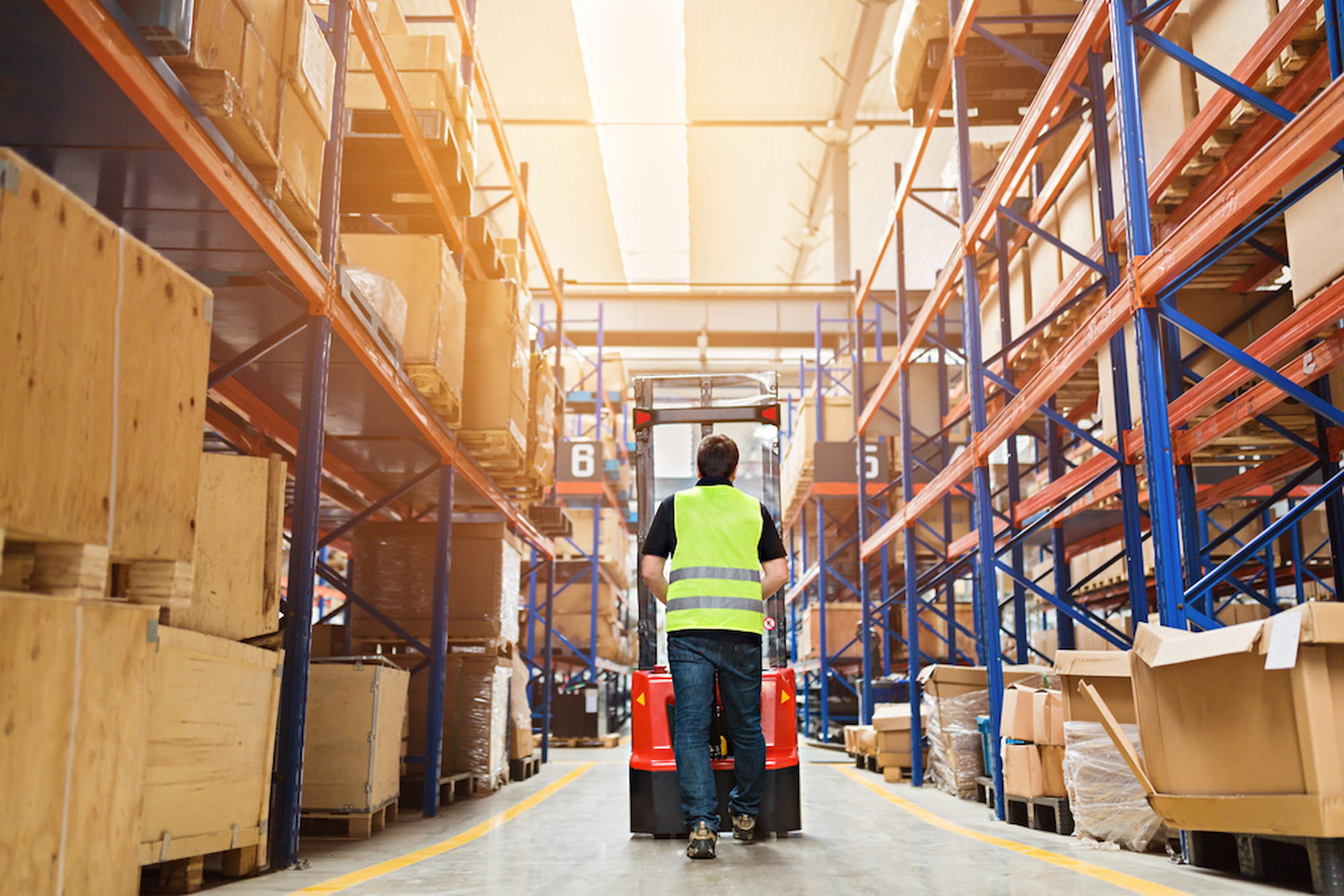
Over the last few years, the shipping industry has seen a trend of on-demand warehousing growing. The coronavirus pandemic led to a surge in this type of warehousing for retailers. On-demand is a type of warehousing in which services are readily available to the customer when needed. They provide flexibility and swiftness to supply chains and do not require long-term commitment. In 2022, an on-demand logistics company reported that its customers grew by roughly 128% in 2020 compared to 2019. The company even built facilities across North America to accommodate the freight.
What Led to On-Demand Warehousing Growing
In early 2020, when the pandemic began in the U.S., many speedy fulfillment companies like Amazon temporarily limited operations. The main products that came into the fulfillment centers were essential freight needing to move out urgently. This resulted in the inability of a substantial number of sellers to use the warehousing services to move their goods to their customers. Many sellers immediately searched for other substitutes to store and move their goods out quickly. This led to the growth of on-demand warehousing providers. The recent surge in e-commerce also created a need for on-demand warehouses.
On-Demand Warehousing VS Traditional 3PL
3PL or third-party logistics is the use of a separate third party to provide services. This can include the shipping of freight and warehousing for a business. Despite the boom in on-demand warehousing, some believe that traditional 3PL warehousing is the better solution. Traditional 3PLs offer a range of services for long-term relationships. Conventional warehousing companies have more excellent knowledge and experience because of their long-term relationships.
One of the main differences between on-demand warehousing and the traditional 3PL model is their method of offering warehouse space. With traditional 3PL, warehousing tends to be in one or a few centralized locations. They may have more direct, longer-lasting relationships with their clients. On-demand warehousing where the 3PL is the middleman between a business looking for a warehouse and the actual facility. While less direct than traditional 3PL, this is ideal for short-term fulfillment. Even with the differences, these warehousing solutions are equally crucial for extensive supply chains.
A1 Worldwide Logistics
Logistics is the organizing and executing of a complex task or operation. This can involve several different components that work together to produce a result. When moving freight internationally, warehousing is a typical part of the supply chain and logistics aspect. Once cargo enters the U.S., taxes and duties must be paid before the freight reaches the importer. If the importer does not plan on receiving their shipment or paying duties at a specific time, they can keep their imports in a customs-bonded warehouse.
A customs-bonded warehouse is a facility where a shipper can keep imports without paying taxes and duties for up to 5 years. A1 Worldwide Logistics provides a custom bonded facility to store your cargo before you are required to pay taxes or duties. This is ideal if you plan to save money and find customers for your goods. Contact us at 305-821-8995 to learn more about our various supply chain solutions. Along with warehousing, we provide freight forwarding, customs clearance, trucking, and more.
by A1 WorldWide Logistics | Sep 21, 2023 | Freight Forwarding, Shipping Logistics, Supply Chain
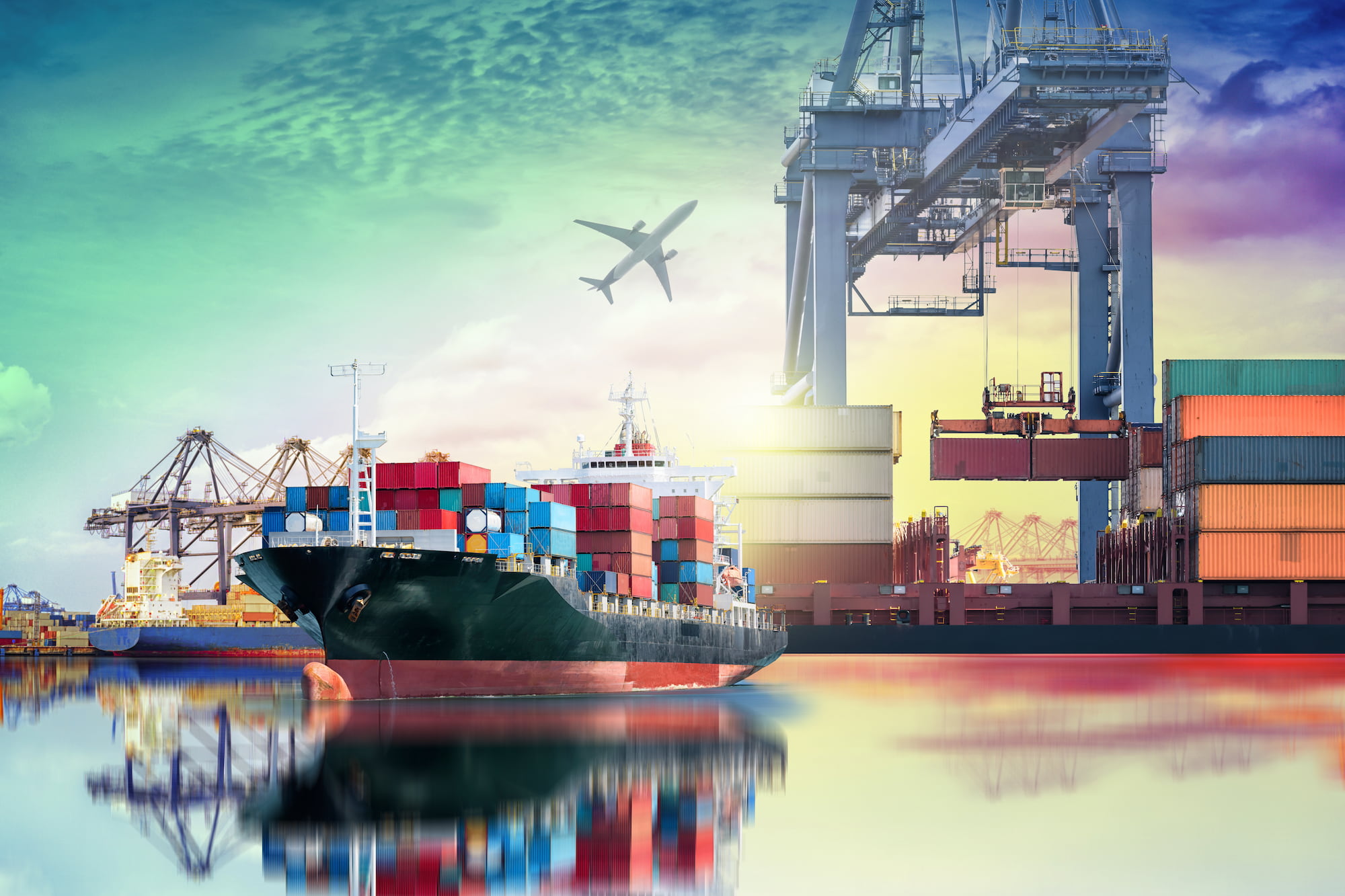
A question that shippers ask themselves when moving goods internationally is whether they should start shipping by air or ocean. Beginning shippers with limited experience tend to be unfamiliar with the two methods of transport. It is essential that importers and exporters fully understand these methods of conveyance and know how they compare and contrast. Failure to understand their differences can result in monetary loss and supply chain disruptions. There are many factors like contents, weight, size, content, and supply chain goals to consider when choosing. This article will introduce shipping freight by air and ocean and explain the differences when choosing between the two.
Moving Cargo By Air
Air shipping is when an air carrier transports freight internationally. The aircraft may be commercial or chartered, with the sole purpose of shipping. This method of conveyance was the last to grow compared to sea shipping but is equally essential for shippers. The most significant benefit is the fast transit times, ideal for time-sensitive cargo. Examples of goods that tend to move by are perishables, high-value commodities, and pharmaceuticals that carriers must deliver quickly. Retail companies with global customers also benefit from air shipping due to the demand for speed. Another benefit is the high level of reliability that air freight offers.
A significant number of supply chain disruptions are due to congestion and traffic. Since freight volumes tend to be smaller at airports, congestion is less common. There also tend to be multiple flights to a city daily, meaning A shipment can be moved to another plane when an issue arises. Airports also tend to have strict regulations for cargo, leading to higher security than other transportation methods. An effect of the benefits is that shipping costs for air transport are usually more expensive than other conveyances.
Moving Cargo by Ocean
Ocean or maritime shipping is the process of moving cargo internationally by sea. A vessel like a containership transports the freight to a seaport. One of the greatest advantages is the significant amount of cargo that carriers can move by ocean. With nearly 80% of the world’s shipments transported by sea, it is an integral part of international trade. Individuals and companies transporting large amounts of goods benefit from this conveyance method. Ships also allow the movement of many types of cargo since a container can fit many items. A shipment larger than containers, like construction equipment, can still go on a vessel.
Compared to other transportation methods, containerships also allow for transporting heavier goods. For example, ships can offer roll-on/roll-off services to bring cars onboard. Another advantage of sea shipping is that it is usually more cost-effective than other conveyances. The freight that benefits the most are bulk goods like raw materials and non-perishable products. Businesses that ship large volumes of cargo also benefit. Since the load is moving by ocean, the transit times may be longer than other ways of transport.
Should I Begin Shipping by Air or Ocean?
While both methods can be equally valuable to a supply chain, specific shipments benefit from one. When choosing to ship by air or ocean, you should have the end goal in mind. For example, ocean shipping is ideal if you plan on moving large amounts of cargo. If your goal is to move goods quickly, shipping by air can be the best solution. To begin your international shipping journey, contact A1 Worldwide Logistics at 305-821-8995. We have freight forwarders to help you find the ideal transport method for your shipment.
by A1 WorldWide Logistics | Aug 31, 2023 | Freight Forwarding, Shipping Logistics, Supply Chain
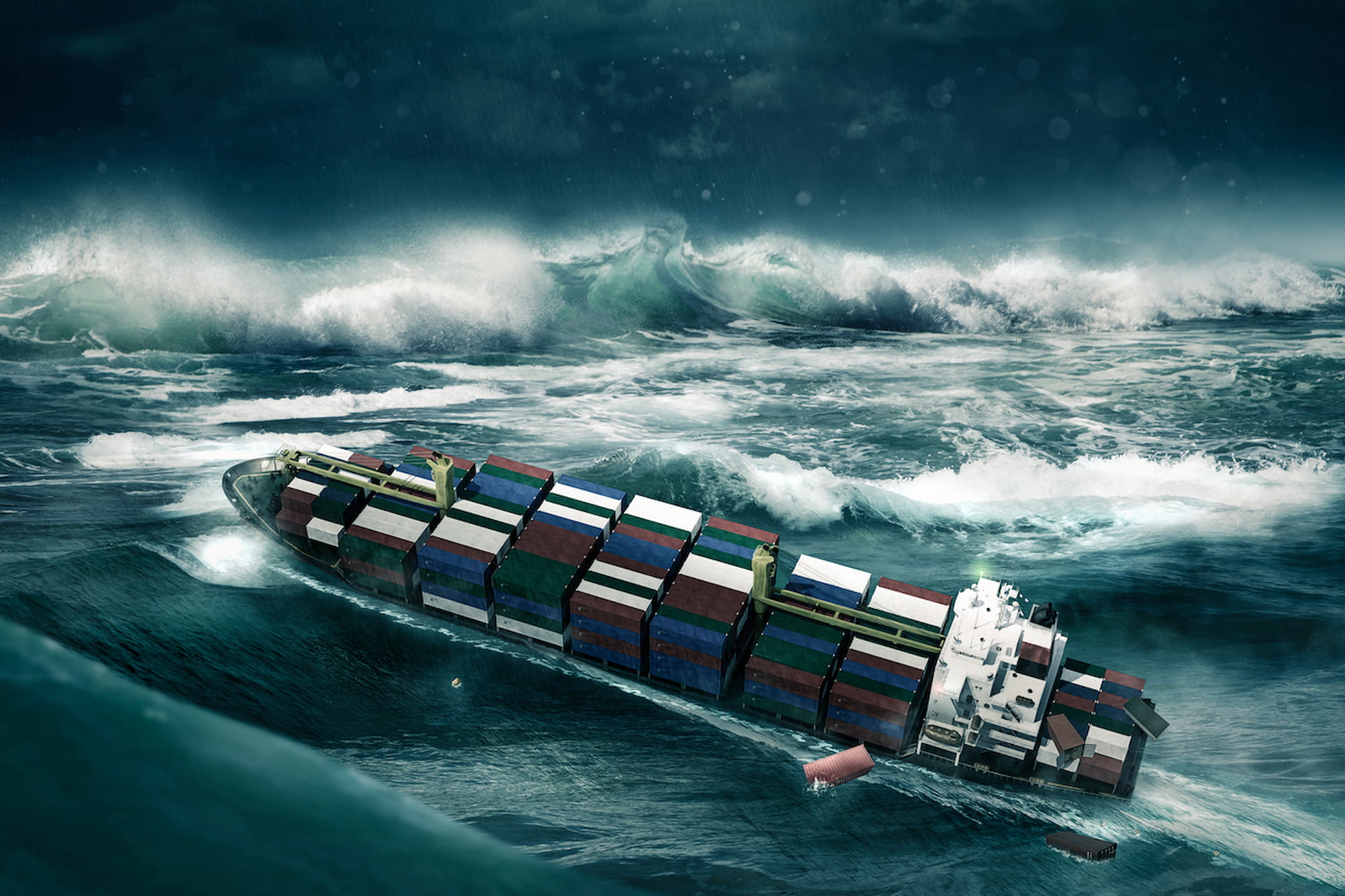
Shippers should always take precautions when moving goods internationally, which can mainly be true when shipping during the Hurricane season. The Atlantic hurricane season is a time from June to November when more hurricanes appear in the Atlantic Ocean. This period coincides with the peak shipping season when exporters move the most cargo domestically and internationally. The need for supply chains to run smoothly increases with the amount of freight that is moving. The hurricane season may affect the supply chain process and disrupt freight movement. This article will explain what could happen when shipping internationally during a hurricane and how a shipper can prepare.
What Can Happen When Shipping During The Hurricane Season
The most significant impact a hurricane can have, directly and indirectly, is freight movement. For example, shipping by sea during a storm can result in the disappearance of cargo. In 2012, Hurricane Sandy reportedly caused a loss of over 15,000 containers at sea. While containers can withstand severe weather conditions, strong winds can still damage them. For a supply chain, this can mean significant monetary loss. Containership companies use a standard method to protect cargo by making ships heavier. Carriers do this by adding more containers to the vessel to protect against storm waves.
Indirectly, carriers reroute to prevent being in a storm’s path. Rerouting may cause delays in the shipping process, resulting in a loss of money from extra charges. An example is an increase in fuel costs. Along with loss and physical damage to cargo, power outages can also disrupt a supply chain during a hurricane. Power outages in ports may halt operations and slow down the shipping process. Specific ports may even close for a few days, impacting transportation routes globally. Another impact is that the demand for various items increases during hurricane season. The shipping of commodities like groceries and home repair items increased during this period.
How To Prepare
While uncontrollable situations can happen when shipping during the hurricane season, there are ways a shipper can prepare. One of the ways to protect yourself from freight loss is by getting cargo insurance. This insurance protects the value of a shipment stolen, damaged, or lost in transit. The shipper pays a small premium covering the amount specified in the carrier’s insurance policy. Another way to prepare is to plan ahead before moving goods internationally. An example is using the weather forecast to determine the transportation route to avoid weather disturbances. Planning also includes looking for alternative ports when a hurricane causes a port closure or delay.
While shipping during a time with many hurricanes may be daunting, It should not stop you from moving your freight. Companies still require the success of their supply chains when moving goods to their final destinations. However, a shipper must make all of the necessary preparations before starting. Another way to prepare is by finding a freight forwarder to coordinate the movement of your shipment for you. Forwarders ensure the delivery of your cargo while guiding you through the process. They also explain the best steps to take when shipping during events like a hurricane. To speak to a freight forwarder, contact A1 Worldwide Logistics at 305-821-8995.

by A1 WorldWide Logistics | Aug 17, 2023 | Shipping Logistics, Supply Chain, Transportation
Compared to the shipment of regular-sized goods, shipping oversized cargo internationally has been known to be more difficult. Not only are the safety measures different, but the overall transportation logistics differ. Numerous industries, like construction, manufacturing, and mining, rely on oversized shipping to progress their supply chains. Individual shippers also ship large-sized freight like cars and boats globally. While there are various ways to transport oversized cargo, the most common is by truck and ocean vessels. Shipment by air is rare due to the size of an aircraft, so this article will focus on sea transportation. For transporting large loads domestically by truck, click here.
Regulations For Oversized Cargo
One of the essential precautions the shipper should take before shipping freight internationally is to research the regulations. The guidelines may depend on what shippers move for oversized cargo due to the number of goods considered sizeable. Breakbulk is a term used to describe freight that cannot fit in a standard 20 or 40-foot container. Some of the common measurements for breakbulk consideration are:
- A height greater than 13.6ft
- A With greater than 8.6ft
- A Length longer than 53ft
- A weight of over 80,000lbs
How Vessels Transport Oversized Cargo
Once the cargo is ready to ship, a truck with a specialized trailer will transfer it to a seaport. The typical method for loading at a port is by a mechanical crane that lifts the container off the truck and secures it on the vessel.
The loading method differs slightly since standard containers do not transport oversized cargo. How ports load large goods on a vessel depends on the shipper’s item and the container moving the shipment. Open-top containers carrying long scrap metal are placed on a containership similar to regular containers. However, if the scrap metal sticks out of the container, the container will not stack on the standard containers. The carrier will also keep the container in a different location and have a tarp draped to prevent damage. Another type of container used in breakbulk shipping is a flat rack.
Flat racks are containers without walls or roofs with foldable sides on the front and back. Unlike open-top containers, flat racks can accommodate extra wide loads and bulky goods that cannot enter a standard container. The type of cargo that this container transports are large machinery and vehicles that can’t fit in a standard container. In international shipping by sea, cars, RVs, and trucks that ship by flat racks use RoRo to board vessels. RoRo or Roll-on/Roll-off is a method of loading where wheeled freight uses built-in ramps to mount ships. The ship secures the goods throughout the journey until rolled off the ramp at the final destination.
How to Begin Shipping Oversized Cargo International
While moving oversized cargo internationally has many benefits, starting may not be as simple. There are not only more supply chain parts than the ones mentioned in the article, but numerous regulations exist. The paperwork the U.S. and other countries require for import/export may also be confusing. Hiring a freight broker to walk you through the process is the best way to start shipping. Contact A1 Worldwide Logistics at 305-821-8995 or info@a1wwl.com for a quote to move your oversized cargo internationally. We also provide customs clearance for goods for shipments entering the U.S.
by A1 WorldWide Logistics | Aug 10, 2023 | Economic trends, Importing, Shipping Logistics, Supply Chain
Technological advancements over the past few decades have opened up the possibilities for seaports of the future. Seaports have been necessary for moving freight locally and internationally for thousands of years. The first recorded harbor was the Wadi al-Jarf, built on the Red Sea coast of Egypt. This was estimated to be built around 4500 years ago. Today, many of the biggest companies in the world depend on harbors to keep their supply chains running. Innovations in technology have led to the growth of ports and the shipping industry, which continues to grow. This article will explain the latest trends and predictions for the seaports of the future.
How will the Seaports of the Future be Different?
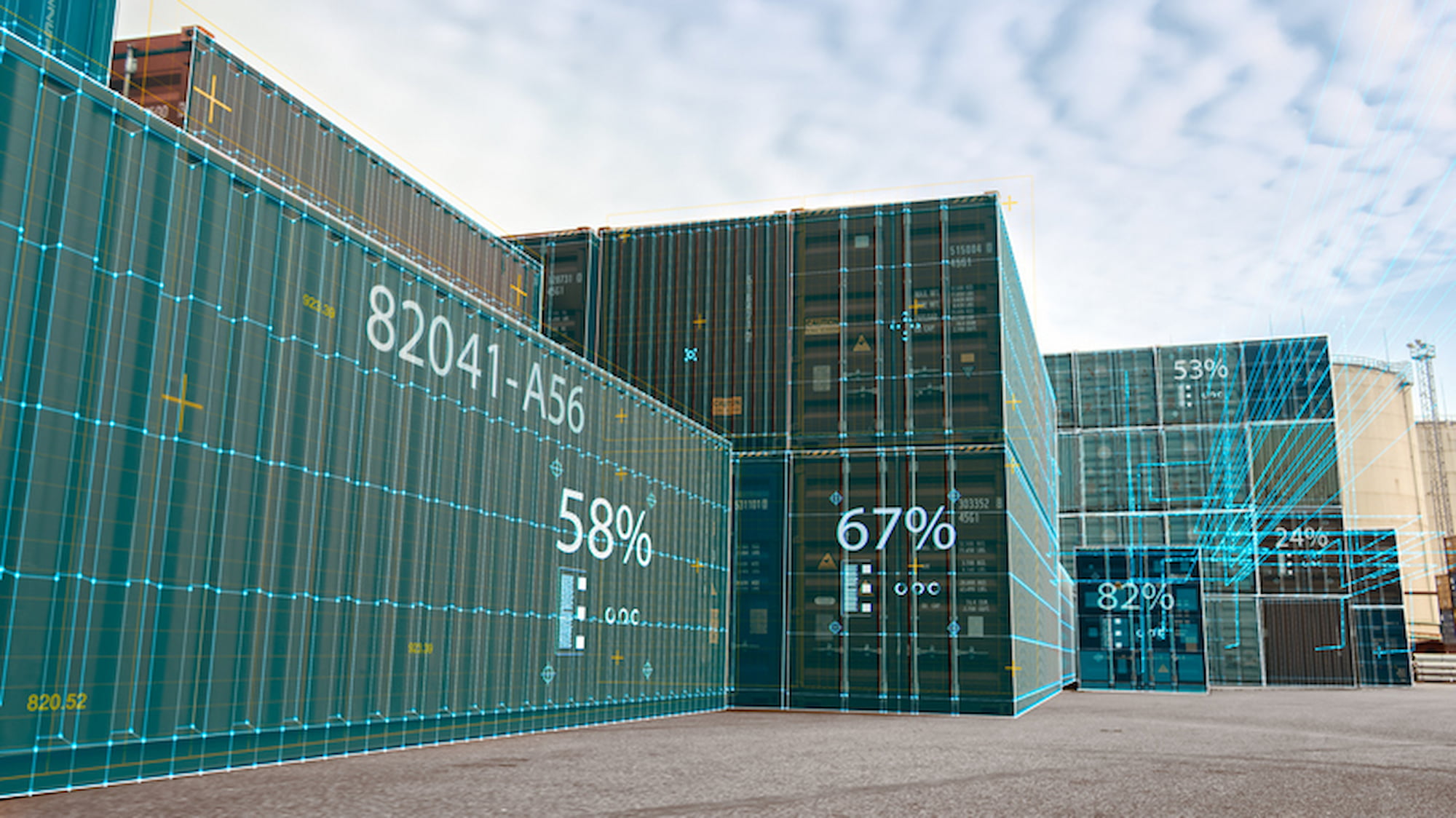
A common term used when describing seaports of the future is a smart port. Smart ports are harbors that use advanced tech like AI (Artificial Intelligence), automation, data, and blockchain to enhance their capabilities. Digitalization is one of the most significant trends that will continue to grow. Multiple components from inside to outside operations may become more digitally connected for greater productivity. Before entering the port, real-time GPS tools will monitor the boats and containers entering and leaving the facility. This can slow down traffic and speed up supply chains. Ports can use the same technology to track containers that leave the seaport, decreasing port traffic.
Digitalization will also lead to better data exchange through the IoT. The Internet of Things (IoT) is any object with sensors and software that can communicate over the Internet. Along with everyday life, IoT has become used in various industries like international shipping. Future smart ports could install data-transmitting software on infrastructure like roads, terminals, and warehouses. The purpose will be to collect information about operating systems and improve overall performance. Along with growing port efficiency, digitalization allows for better employee safety. Examples are vehicles and cargo handling equipment with sensors that monitor surroundings for nearby workers.
Digital solutions can also help collect info to increase the amount of environmental sustainability in the ports. This is especially important with the current goal of reducing CO2 emissions to zero by 2050. The Port of Esbjerg in Denmark uses a digital system to monitor CO2 emission outputs. One of the goals of smart ports is to use technology to create more eco-friendly operations.
Automation Will be a Growing Focus
Artificial intelligence has led to a greater use of automation in work environments like ports. Automation is the usage of technology to perform tasks with limited human interaction. With current ports worldwide already having specific automated operations, future ports may be fully autonomous. This doesn’t come with challenges, such as costs and complexity of operations. In time, technological advancements and an increase in data analytics will assist in the push. The Port of Shanghai has already opened the world’s largest fully automated terminal.
While future seaports open up new opportunities for international shipping, it may be a while before the change happens. However, ports are still vital to supply chains when moving cargo globally. The shipping process may not always be as easy; situations like having goods stuck at the seaport can happen. Having a logistics company move the freight for you is the best way to ensure the delivery of your shipment. Contact A1 Worldwide Logistics at 305-821-8995 for assistance with importing into the U.S. or exporting Internationally.

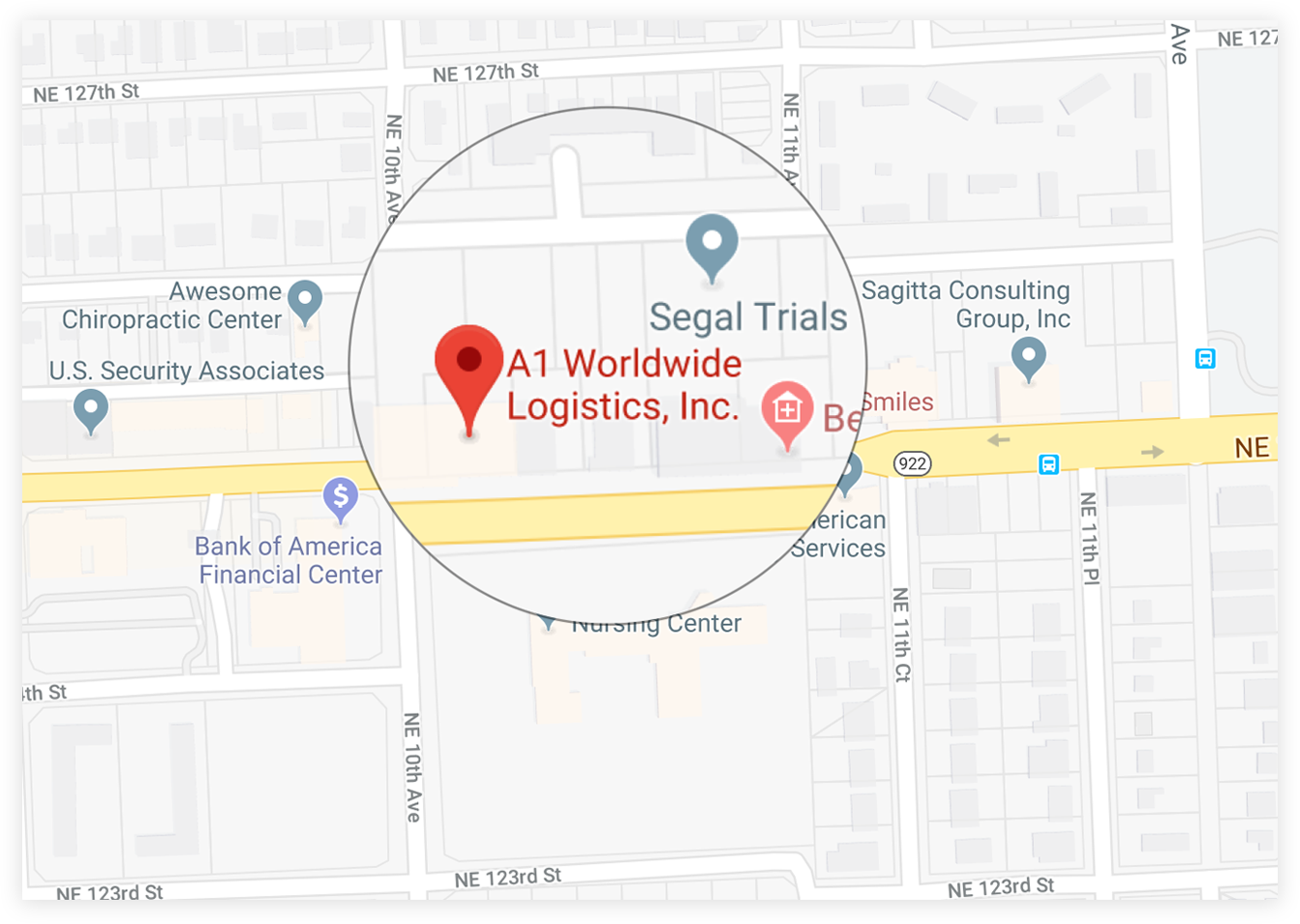
 1035 NE 125th St Suite #320, North Miami, FL 33161.
 a1worldwidelogistics.com
 (305) 821-8995
 Hours: 8AM - 5PM