
by A1 WorldWide Logistics | Jan 8, 2026 | Economic trends, Importing, Tariffs
A final Supreme Court ruling on tariffs imposed by the Trump Administration could come as early as Friday. Friday, January 9, will be an opinion day where the Supreme Court will discuss and potentially make a decision. In 2025, Trump imposed levies under the International Emergency Economic Powers Act (IEEPA), which is currently before the Supreme Court. Given the urgency of the situation, the Court agreed to expedite the review. A final decision will have a significant impact on international shipping and could reshape US trade policy.
What Will The Court Be Deciding On?
The primary decision would be on the legality of President Trump’s tariffs imposed under the IEEPA. In 2025, two federal courts ruled that the tariffs were illegal in a 7-4 decision. The argument was that Trump lacks the authority to impose the levies without explicit congressional approval. Following the verdict, the president requested an immediate review, citing national security as a justification for IEEPA tariffs. Trump also argued that the levies have collected billions for the US economy. In a social media post, Trump said the ruling against the tariffs would be a “terrible blow” to the US economy.
What Could The Supreme Court Tariff Ruling Mean For Shipping?
The final ruling could significantly impact international shipping. If the Court rules that the tariffs are illegal, the US government could be required to refund importers billions of dollars. Shippers must understand that only those who meet strict deadlines and comply with protocols are eligible. If the Court rules Trump’s tariffs legal, his presidential powers may expand, potentially leading to unilateral tariff enforcement. Along with rising costs for US importers, this could continue to strain relations with US trade partners. There is also a chance of potential retaliatory tariffs.
Regardless of the ruling, your shipment mustn’t be disrupted during this period of uncertainty. The shipper should, however, take appropriate steps to prevent delays, financial losses, and cargo loss. In addition to staying current with news and regulations, shippers can prevent disruptions by engaging a freight forwarder. Forwarders act as intermediaries between shippers and carriers, coordinating cargo movement. They do this by offering services like international and domestic shipping, customs clearance, warehousing, and more. Speak to our forwarders at info@a1wwl.com or 305-425-9752 for assistance with exporting and importing into the US.
by A1 WorldWide Logistics | Jan 5, 2026 | Economic trends, Importing, Tariffs
An announcement from President Trump has led to the White House delaying tariffs until 2027. In particular, Trump is postponing planned tariff hikes on imported furniture products for one year. Some of these products include upholstered furniture, kitchen cabinets, and vanities. In September 2025, Trump imposed a 25% tariff on these goods and planned to raise it to 50% in 2026. The White House recently signed an order postponing the increase, which took effect on January 1, 2026. This delay is part of a rollercoaster of
tariff enforcement and reversals that has impacted the US in 2025.
Why Is The White House delaying tariffs?
The decision to delay a tariff increase follows the Trump Administration’s announcement of ongoing positive negotiations with trade partners. A significant issue was national security concerns related to the importation of wood products. The president initially imposed the 25% tariffs after a Section 232 investigation found that an overreliance on foreign timber may harm the US’s defense capabilities. Trump is delaying the tariffs to allow further negotiations with trade partners. The delay may also be due to addressing customer concerns about price increases.
What Can This Mean for Your Shipment?
Given the volume of furniture imported into the US, this postponement could significantly affect shipping, including lowering import costs. Trump’s initial imposition of the 25% tariff led to an immediate increase in import costs. Various parts of the supply chain were affected, from the importer to the customer. Truckers who had to move the goods to the final destination also incurred costs. A recent rollback of tariffs on 200 food products has further lessened inflation concerns. Demand for imports of goods such as furniture could also increase in the coming weeks as Trump reduces tariffs.
Despite tariff delays, importers should still take precautions when importing into the US. In addition to staying current with tariffs and regulations, consulting a customs broker is an ideal way to prepare. Customs Brokers are intermediaries between shippers and the US CBP (Customs and Border Protection) and coordinate customs clearance. They do this by ensuring regulatory compliance, providing documentation, calculating duties, filing entries, and more. Contact A1 Worldwide Logistics at 305-440-5156 or info@a1wwl.com to speak with our brokers about your shipment.
by A1 WorldWide Logistics | Dec 31, 2025 | Exporting, Shipping Logistics, Supply Chain
While it is an excellent opportunity for shippers, there are numerous challenges associated with exporting out of the US. The US is one of the world’s largest exporters and an ideal location for reaching other markets. Due to its popularity, US manufacturing companies and individual shippers have benefited from shipping internationally. Despite the benefits, exporting can pose obstacles for both experienced and inexperienced shippers. Failure to understand what to expect and how to prepare can lead to delays, financial losses, and cargo losses. This article explains the challenges of exporting from the US and how to avoid these disruptions.
What Are The Challenges Associated When Exporting Out Of The US?
One of the most significant challenges a shipper can face when exporting from the US is regulatory compliance. There are numerous agencies governing exportations. Examples include the US Customs and Border Protection (CBP) and the Bureau of Industry and Security (BIS). Exporters must ensure compliance with export control laws, sanctions programs, and licensing requirements. Compliance is essential when shipping sensitive goods, including technology, machinery, and dual-use items. Even unintentional violations can result in severe penalties, shipment delays, or denial of export privileges. In turn, this can lead to greater costs and longer exportation times. Another challenge exporters should be aware of is the range of trade policies that can affect their shipments.
A recent example is the trade war the US has been engaged in with multiple countries since President Trump returned to office. In response to reciprocal tariffs, countries such as China imposed levies on US goods. In turn, export costs may rise, and exporters may have to adjust target markets and pricing to offset the impact. Exporters should also be aware of potential logistics issues, including port congestion that can cause delays. Congestion can also make it harder for shippers to secure containers and lead to vessel cutoffs. Packaging and labeling also must meet international standards to prevent rejections on vessels.
How Can Shippers Prepare?
Given the challenges of exporting from the US, shippers must prepare accordingly. Before starting, exporters must understand the requirements of governing agencies such as CBP. The requirements depend on the cargo that the shipper is transporting. An example is medical devices, which require Food and Drug Administration (FDA) approval before being exported from the US. Speaking with a freight forwarder can provide an idea of what to expect, including the required paperwork. Standard documents necessary for exportation include:
- Commercial Invoice
- Bill of Lading
- Packing List
- Certificate of Origin
Certain exports, such as hazardous materials and pharmaceuticals, may also require specialized permits. Minor documentation errors can lead to customs holdups, fines, and port rejections. Shippers must also choose their mode of transport, typically by sea, air, or land. It is beneficial to use drayage services when transporting goods to a port for international shipment.
Exporting from the US typically involves multiple components of the supply chain. Preparation includes additional parts not mentioned in the article. Reaching out to a 3PL (Third-Party Logistics) provider like A1 Worldwide Logistics is an ideal way to get started. A 3PL is a company that handles various supply chain functions for a client. These include freight forwarding, customs clearance, domestic shipping, warehousing, and more. 3PLs also offer consulting services to help you navigate challenges when exporting your shipment. Contact A1 Worldwide Logistics at info@a1wwl.com or 305-425-9456 to learn about our 3PL services for ensuring your export’s success.
by A1 WorldWide Logistics | Dec 18, 2025 | Customs Clearance, Importing, Shipping Logistics
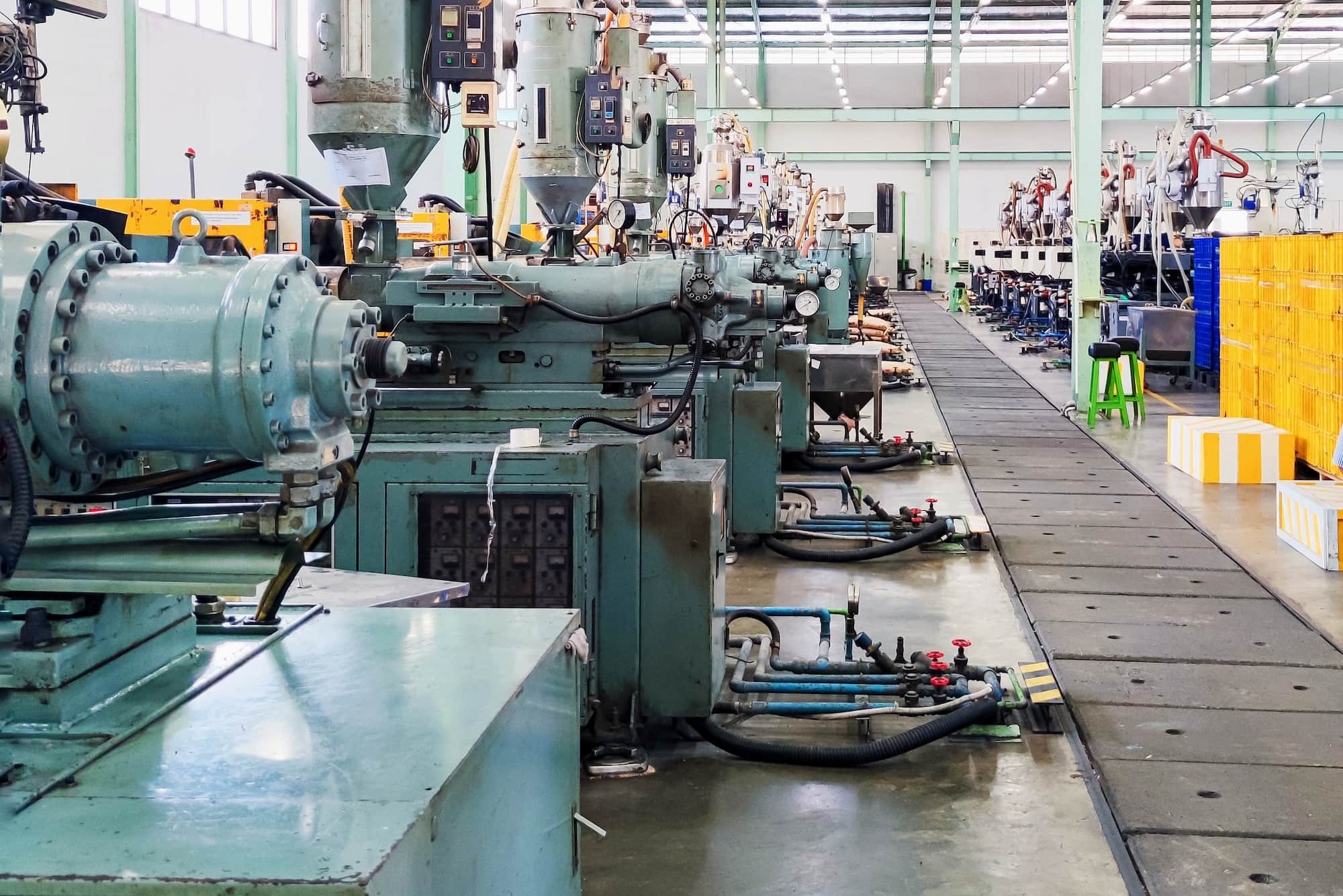
Despite its use across industries, there are several aspects shippers should understand when importing machinery into the US. CBP defines machinery as mechanical equipment that performs a specific function, including equipment used in commercial, industrial, and agricultural operations. Machines also have moving parts to produce, process, or transport goods. Examples include construction equipment, robotics, and electric generators. Cargo such as raw materials, hand tools, and individual spare parts is not classified as machinery by CBP. Due to the number of items that shippers can classify as machines, importing these goods may sometimes be challenging. This article explains the importation process for machines like heavy equipment and what to expect when starting.
What Should You Know Before Importing Machinery Into The US
When deciding whether to import, it is essential to understand the type of machinery you are bringing in. Laws and regulations for importing can vary by machine type. For example, food and medical devices may be subject to additional rules from the FDA (Food and Drug Administration). Used equipment may also be subject to additional requirements, such as EPA emissions compliance and USDA cleaning requirements. It is vital that the shipper properly cleans used machines and declares them as used. The importer should also ensure the correct HTS code is used, with most machines falling under HES chapters 84 (Mechanical Machinery) and 85 (Electrical Machinery).
The HTS (Harmonized Tariff Schedule) is the classification schedule the US uses to impose duties on imports. Contacting a customs broker can be an ideal way to ensure that you have the correct classification. You should also be aware of additional taxes that you may have to pay. Some include Section 301 tariffs, which are common for China-origin machinery, and Section 232 tariffs on steel and aluminum content. Another essential consideration before importing machines is ensuring you have the correct paperwork. Examples of required documentation include:
- Bill of Lading
- Commercial Invoice
- Packing List
- Arrival Notice
- DOT or EPA forms for specific machinery
The importer should also submit an ISF (Importer Security Filing) at least 24 hours before loading an ocean shipment for a vessel bound for the US.
What Is The Process?
When you are ready to import the cargo, it is essential to have the appropriate mode of transport. This can include the ocean, the air, or the land. The mode of transport may affect how long it takes for the shipment to reach the US. For example, air shipping typically takes 5-10 days, while sea shipping takes 20-45 days. You should also determine how you will ship the machine, for example, crated, containerized, ro-ro, etc. When the cargo arrives in the US, CBP will inspect it to verify compliance before releasing it. Providing incorrect documentation can lead to financial penalties and customs seizing the cargo. Once the cargo clears customs, you can contact a freight broker to arrange delivery to the final destination.
While this article explains the process for importing machinery into the US, disruptions can still occur. In turn, this may lead to delays, financial losses, and cargo losses. An ideal way to ensure a successful import is by coordinating with a customs brokerage like A1 Worldwide Logistics. Brokers are licensed individuals or corporations that arrange customs clearance for imports on behalf of the importer. In the US, they ensure compliance with CBP (Customs and Border Protection) regulations. Brokers achieve this by offering solutions like calculating duties, providing documentation, filing entries, and more. Speak to our brokers at info@a1wwl.com or 305-425-9456 to begin importing machinery and other cargo into the US.
by A1 WorldWide Logistics | Dec 11, 2025 | Economic trends, Importing, Shipping Logistics
China hit a $1 trillion trade surplus for the first time on December 8. Over the last 11 months of 2025, China’s surplus reached $1.08 trillion, beating 2024’s $992 billion amount. A trade surplus is the value of how much a country exports that exceeds its imports. In 2025, China’s exports rose to nearly $3.4 trillion while its imports declined to $2.3 trillion. Exports from China rose almost 5.9% year-over-year in November alone, while imports grew about 1.9%. The $1 trillion figure is also significant, given the ongoing trade war between China and the US. With China exporting less cargo to the US, the resulting surplus could significantly impact international shipping.
How Did China Hit A $1 Trillion Trade Surplus?
When President Trump returned to office, the trade war between the US and China escalated. Tariffs imposed by both countries soon rose above 100% until they reached a trade deal. The surplus stems from the actions China took following Trump’s 2024 election victory. Soon after the election, as Trump began imposing tariffs, China started diversifying its exports away from the US. Exports from China shifted to the European Union, Latin America, Africa, Southeast Asia, and other regions. To guard against US tariffs, Chinese companies also established new manufacturing hubs in countries outside China. Many of these hubs manufactured high-tech goods, such as electronics and semiconductors, which contributed to China’s export surge.
Other exports, such as electric vehicles, to countries like Germany and Japan also contributed to the surge. As exports to other countries increased, shipments to China’s largest trading partner, the US, declined. In November, exports to the US fell nearly 28.6%, marking the eighth consecutive month of double-digit declines. Many of the goods Chinese exporters imported into the US were shipped by manufacturers outside China. Another cause of the surplus is that the Chinese yuan is cheaper than that of many trading partners. In turn, this makes Chinese products more affordable to produce and more attractive for customers in other countries.
What Can This Mean For International Shipping?
As China continues to grow as the world’s largest exporter, the effects could soon be felt on international shipping. As the country becomes more attractive to global importers, it could exert greater influence on global pricing and product availability. There is also concern that China’s export surge could exacerbate trade tensions between the US and other countries. Countries that import from China may begin imposing their own tariffs and trade restrictions on Chinese goods. For shippers, this can mean rising import costs, which could be passed on to various parts of the supply chain, including domestic shipping and customers. Many economists also believe that China’s firm reliance on exports could be unsustainable in the long run.
As the international shipping industry continues to evolve, it can be both positive and negative for shippers. Importers unfamiliar with regulations or the shipping process may experience disruptions, including delays. To prevent disruptions, it is advisable to consult a customs broker when starting. Customs brokers are licensed professionals, like individuals or corporations, who facilitate the importation of cargo through a country’s borders. In the US, brokers ensure compliance with CBP (Customs and Border Protection) by offering a range of solutions for shippers. Some of these services include calculating duties, providing documentation, filing entries, offering consultations, and more. Contact our brokers at info@a1wwl.com or 305-425-9456 to ensure a successful importation process.

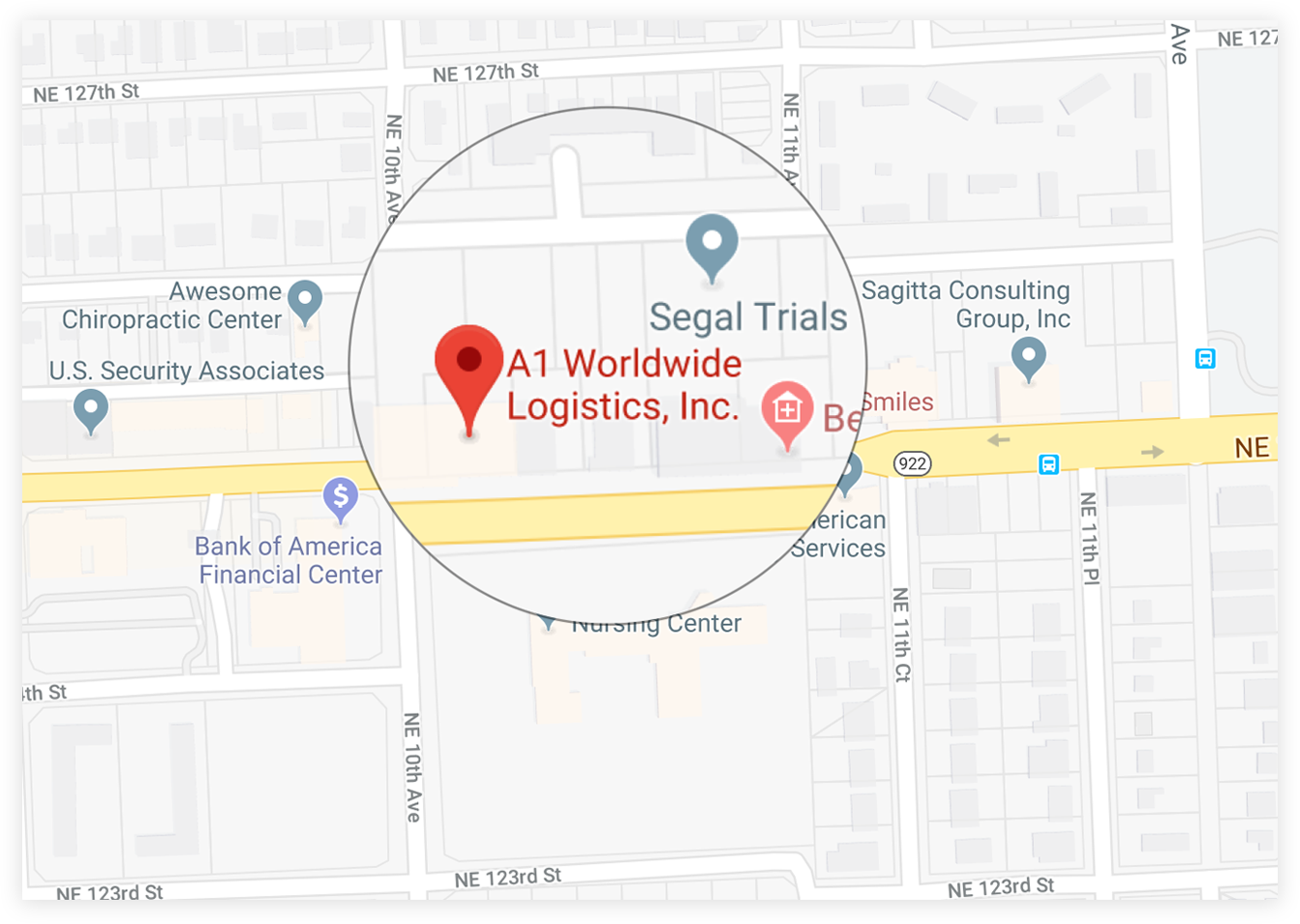
 1035 NE 125th St Suite #320, North Miami, FL 33161.
 a1worldwidelogistics.com
 (305) 821-8995
 Hours: 8AM - 5PM