Trump Imposes New Import Tariffs
Share Article in Social Media
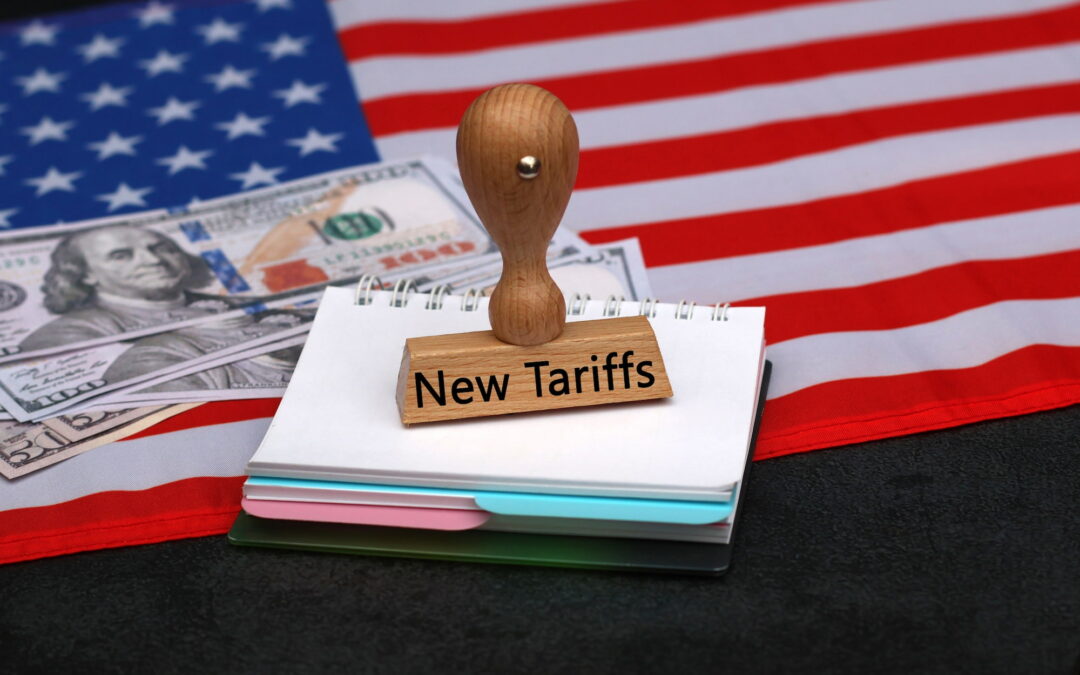
President Donald Trump imposes new import tariffs on top trading partners after months of expectation. On Saturday, February 1st, Trump signed an executive order to enforce a 25% tariff on imports from Mexico and Canada. Canadian energy imports will have a tax increase of 10% separately. The order also includes an added 10% tariff on goods imported from China. Trump implemented the new tariffs through the International Emergency Economic Powers Act (IEEPA). He notes, “This was done through the IEEPA because of the major threat of illegal aliens and deadly drugs killing our citizens.” With the amount of cargo that the U.S. imports from the countries yearly, the tariffs will significantly impact international trade.
What Should You Know As Trump Imposes New Import Tariffs?
In terms of importation, Mexico, China, and Canada are the most significant trade partners of the U.S. Due to the volume of shipments, many supply chains will feel the strain of higher taxes. The tariff hike could increase costs for businesses that import cargo internationally. For example, most of the cars manufactured and imported by the automotive industry are in Mexico. Along with reduced profit margins, the tariffs may result in higher costs that the company passes to customers. The uncertainty for business could result in a short-term economic slowdown. Domestic shipping for drayage services that pick up cargo from ports will also feel the strain from the tariff hike.
Despite the supply chain disruptions, Trump believes these tariffs will benefit the U.S. in the long run. A goal behind the hike is to address legal immigration and drug trafficking. Trump Recently stated, “Thousands of people are pouring through Mexico and Canada, bringing crime and drugs at levels never seen before.” China is also responsible for the majority of illegal importation of fentanyl into the U.S. Another purpose behind the tariffs is to grow the manufacturing of goods within the U.S. instead of relying on importations. A belief is that the increase in tariffs could hurt the U.S. economy and cause inflation.
How Are Mexico and Canada Responding to the Tariffs?
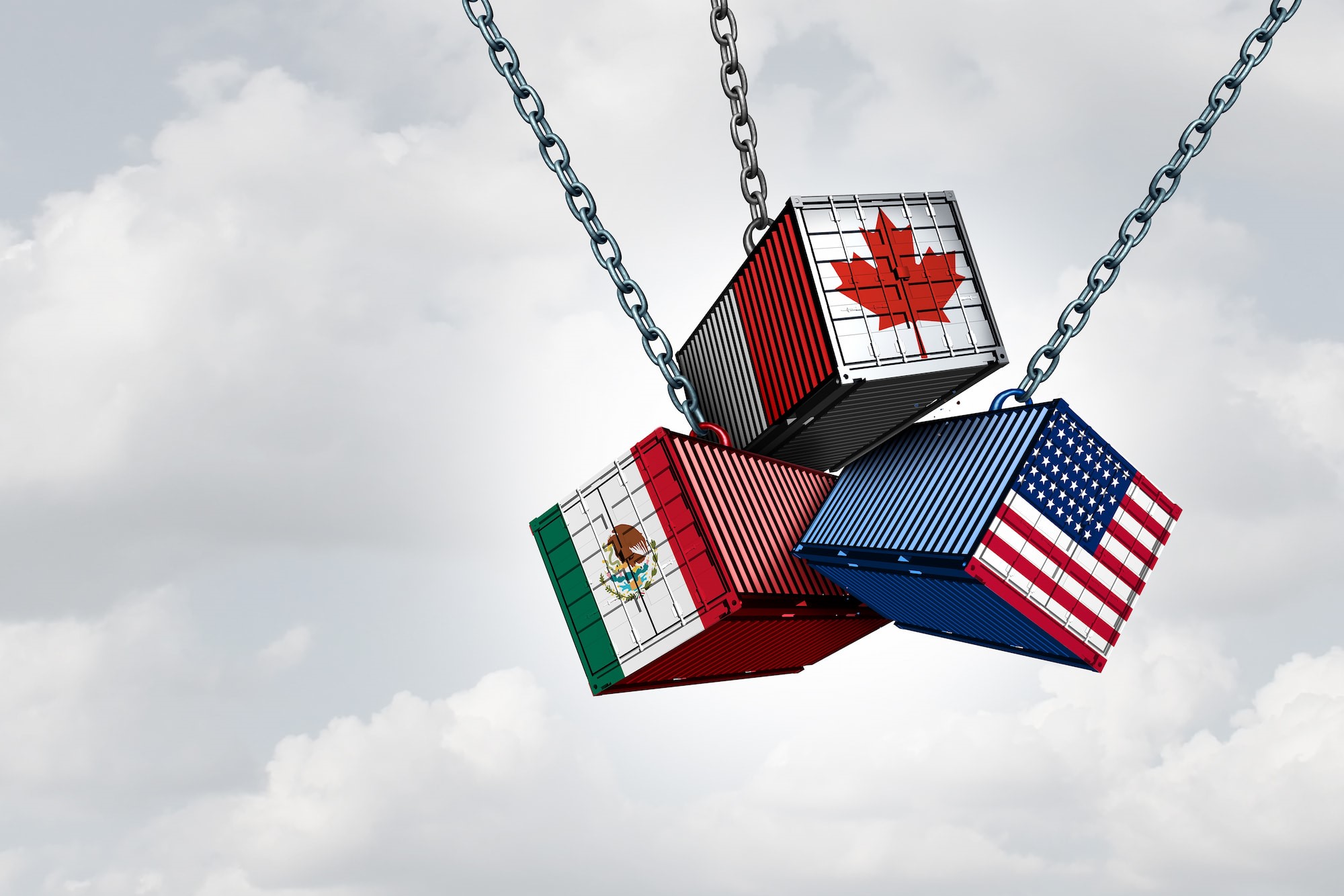
The countries impacted by the new tariffs immediately responded directly following the announcement. Trump spoke to Mexican leaders and Canada’s prime minister, Justin Trudeau, regarding the tariffs on January 3rd. During the meeting, the U.S. and Mexico negotiated a deal to delay the tariffs for one month. Similarly, Canada reached an agreement to postpone the tariffs for one month. The hikes for China will still take place on Tuesday. Once Trump announced the hikes, Canada immediately responded by placing matching 25% tariffs on nearly $155 billion in U.S. imports. Trudeau notes, “Like the American tariffs, our response will also be far-reaching and include everyday items.” China responded to the tariffs by announcing that it would file a lawsuit with the WTO (World Trade Organization).
Shippers should be ready for potential disruptions with the new tariffs significantly impacting international trade. Not preparing can result in monetary loss, delays, and disruptions in supply chains. It is vital to keep current with any news that may impact the status of your shipment. Using the help of a logistics provider is another way to prevent disruptions in your shipment’s transport. Reach A1 Worldwide Logistics at 305-425-9752 or info@a1wwl.com for assistance importing into or exporting out of the U.S. Regardless of the situation, we find the best action to take for protecting your shipment.


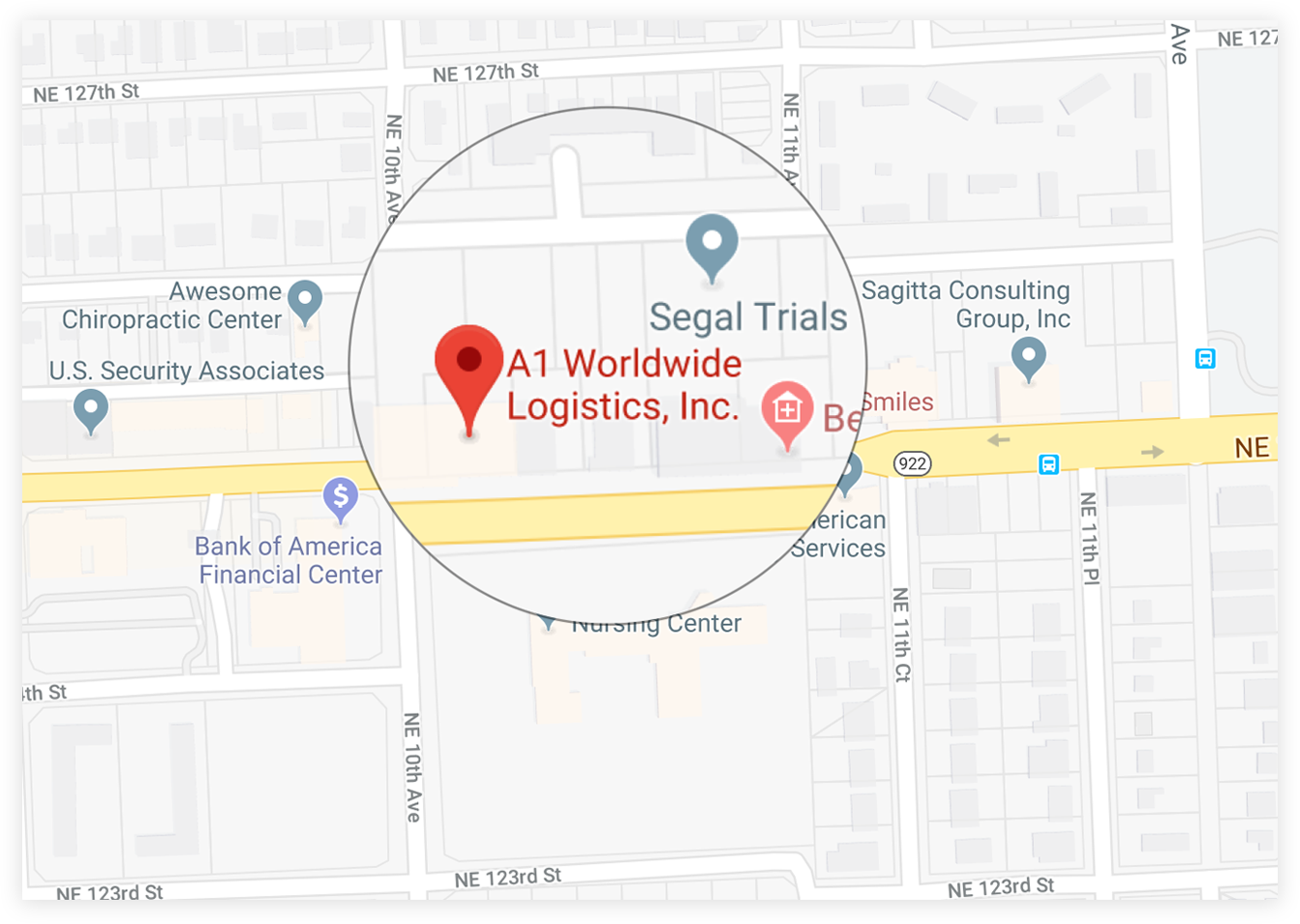
 1035 NE 125th St Suite #320, North Miami, FL 33161.
 a1worldwidelogistics.com
 (305) 821-8995
 Hours: 8AM - 5PM