Trump Is Pausing Automobile Tariffs
Share Article in Social Media
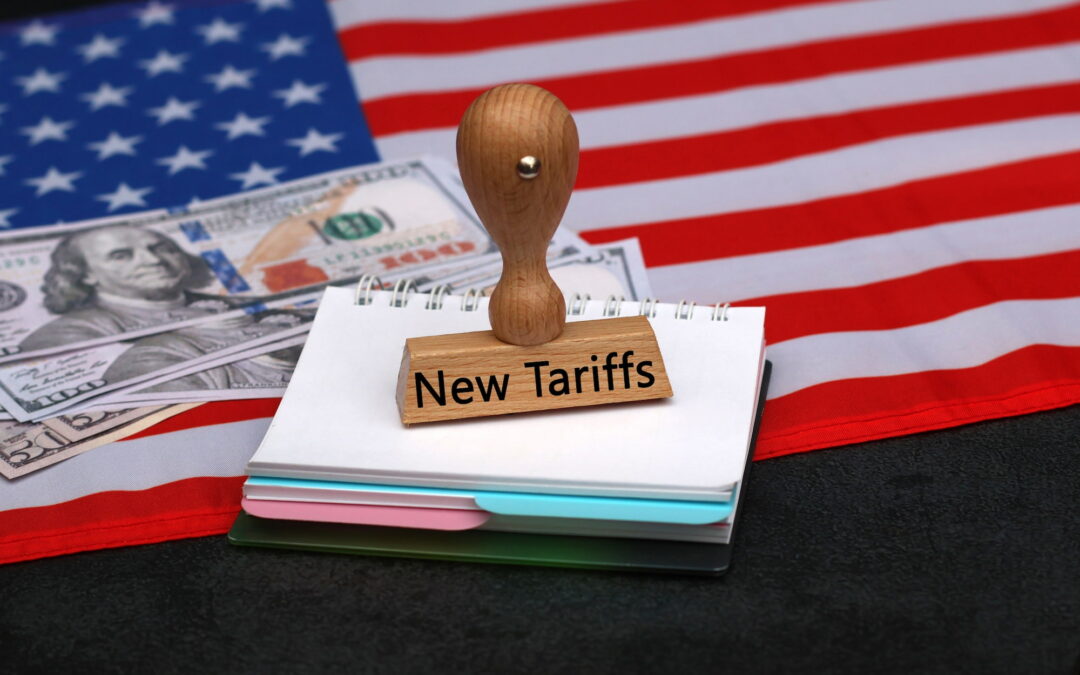
President Trump is pausing automobile tariffs for imports from Mexico and Canada for one month. The 30-day exception will protect autos and auto parts from a 25% tariff that Trump recently enforced for importations. White House press security Karoline Levitt said the pause comes after Trump spoke to the “big three” automakers. Karoline notes, “He told them they should get on it, start investing, start moving, shift production here to the United States of America where they will pay no tariff.” Karoline did not specify if the pausing included finished vehicles and car parts. With the amount of automobile imports from Mexico and Canada, tariffs will significantly impact international shipping.
The Reason Why Trump is Pausing Automobile Tariffs
Trump’s goal behind pausing tariffs is to give automakers time to prepare before the tariffs take effect on April 2nd. The pause will provide automakers complying with the USMCA (United-States-Mexico-Canada Agreement) time to return their supply chains to the U.S. Ford already announced that the auto sector in Canada will last 10 days before assembly lines start closing. The Trump administration plans to “level the field” by reducing the trade deficit between the U.S.’s largest trade partners. Issues may arise for automakers since returning automakers to the U.S. does not happen quickly or inexpensively. It could take over two years to build a new assembly plant, costing billions of dollars.
Along with bringing manufacturing back to the U.S., the goal behind the tariffs is to stop the inflow of drugs. The illegal importation of fentanyl into the U.S. is commonly brought in through Canada, Mexico, and China. Trump said, “He (Justin Trudeau) said that it’s gotten better, but I said, ‘That’s not good enough.” The 25% tariff is part of numerous tariffs Trump announced against U.S. Trade partners. 25% taxes on all Canadian and Mexico imports and a 20% hike on China importations began on March 4th. Trump is also planning reciprocal tariffs on all U.S. trading partners.
What Can The Automobile Tariffs Mean For The Industry?
While the tariffs aim to bring manufacturing back to the U.S., they have raised concerns in the automotive industry. Analysts predict that manufacturing costs will soon increase, resulting in higher vehicle prices and reduced profitability for automakers. If automakers decide to manufacture and import from Mexico or Canada, tariffs could also raise costs. Car prices may soon rise by $12,000 once the 30-day exemption ends. Along with automakers, regular shippers could feel the strain on their supply chains from paying more to import. If the shipper has customers in the U.S., the extra costs could go directly to the customer.
Shippers must understand what to expect with tariff increases from various countries and imports like automobiles. Failure to understand and prepare can lead to supply chain disruptions, resulting in monetary and cargo loss. It is essential to keep up-to-date with any news that may impact your cargo. Another way to ensure a successful shipment is by working with a 3PL (Third-Party Logistics) provider like A1 Worldwide Logistics. 3PLs are service providers that offer numerous solutions for a shipper’s supply chain. These can include transporting cargo, customs clearance, warehousing, domestic shipping, and more. They also educate the shipper on the best action to protect their shipment. Speak to an expert at 305-435-9456 or info@a1wwl.com to begin importing and exporting from the U.S.



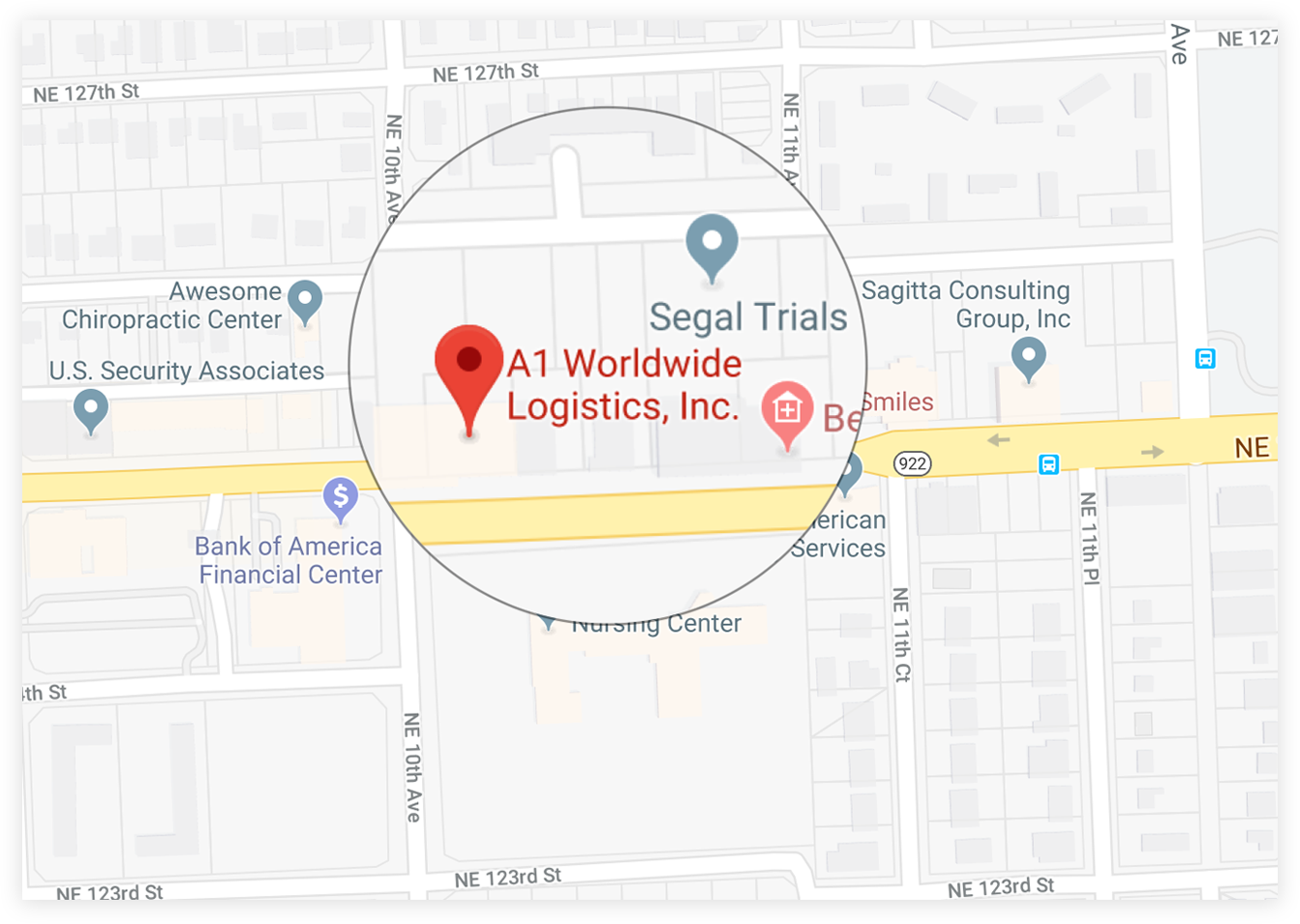
 1035 NE 125th St Suite #320, North Miami, FL 33161.
 a1worldwidelogistics.com
 (305) 821-8995
 Hours: 8AM - 5PM