Trump Pausing Reciprocal Tariffs
Share Article in Social Media
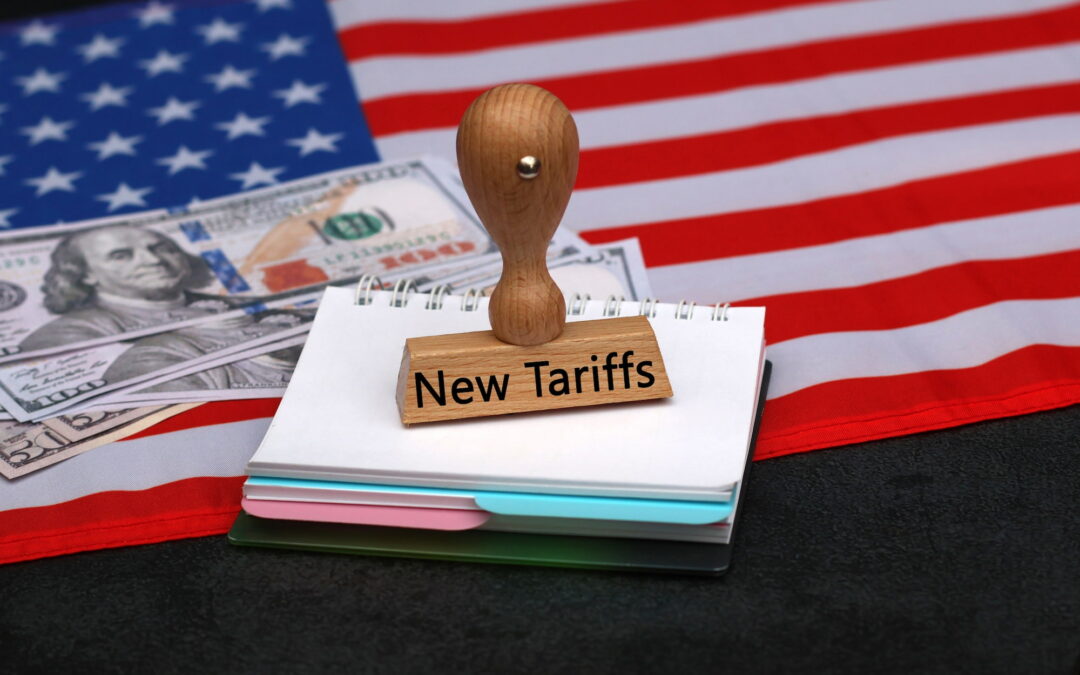
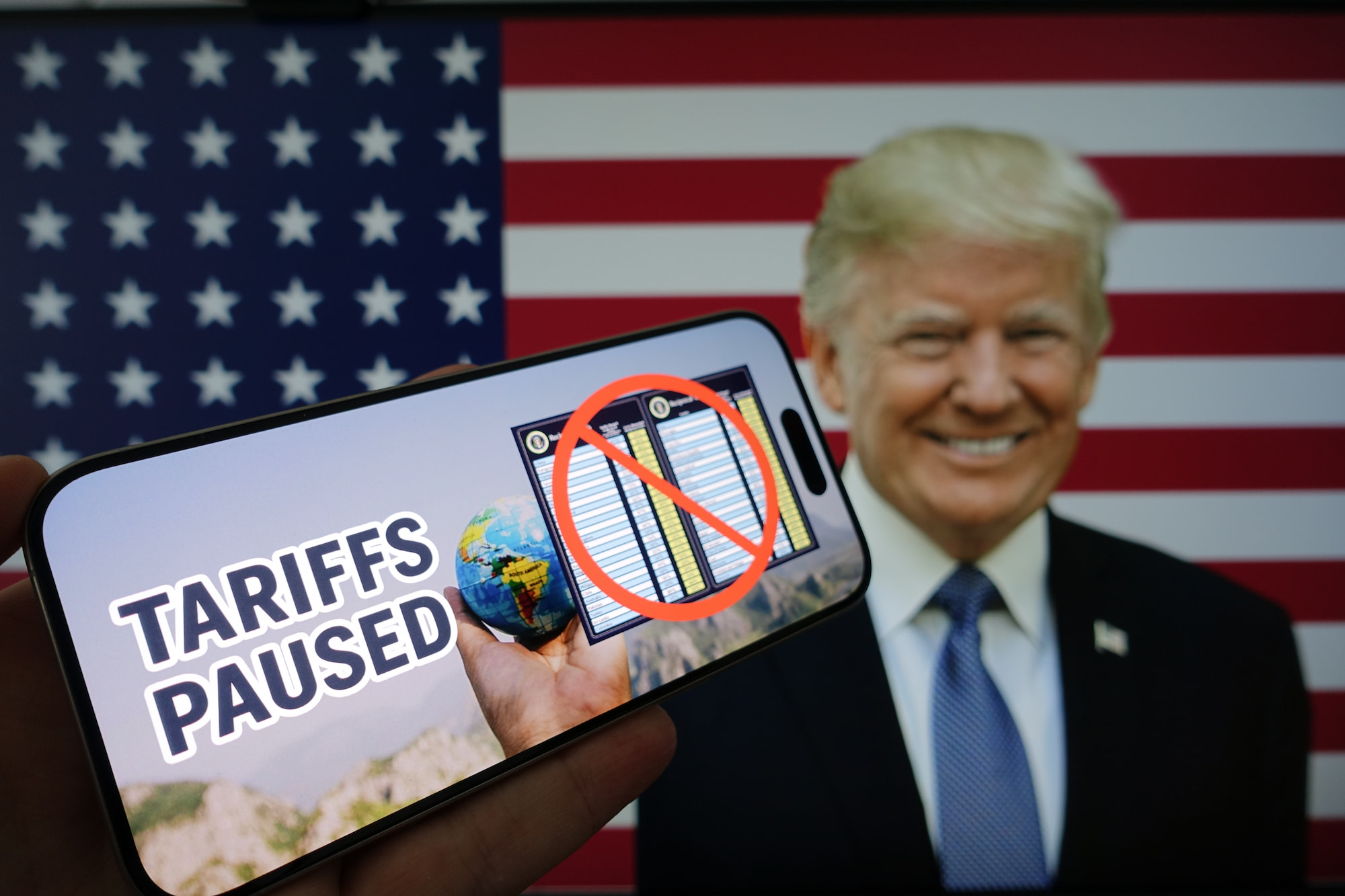
A global market meltdown has resulted in President Trump pausing reciprocal tariffs for 90 days. Country-specific levies against U.S. trade partners that began on April 9th will temporarily halt as countries reach out to negotiate. More than 75 countries, including Japan, Vietnam, South Korea, and India, have contacted the U.S. to strike new trade deals. This differs from the 10% baseline tariff that Trump imposed on April 5th, which will still be in place. Spector-specific tariffs like a 25% tax on steel, aluminum, and auto parts are still in effect. As the trade war continues, pauses and increases in tariffs will significantly impact international shipping.
China Still Being Hit Harder
Despite Trump pausing tariffs for most U.S. trade partners, he continues raising levies on Chinese Imports. On April 9th, Trump announced that he would increase a 104% tariff on China to 125%. In a social media post, Trump wrote, “Based on the lack of respect that China has shown to the World’s Markets, I am raising the Tariff charged to China by the U.S. to 125%, effective immediately.” The hike is part of a back-and-forth between the two countries, starting with a 10% tariff on Chinese imports. China responded with a 10% to 15% tax on specific U.S. goods, causing the U.S. to retaliate with higher tariffs.
As tensions escalated, so did the tariff hikes, leading to the current 125% tariff. The goal behind the levies on Chinese imports is to address unfair imbalances and trading practices between the countries. Trump plans to “level the field” by reducing the trade deficit with the U.S.’s largest trading partners. Another goal behind the tariffs is to bring manufacturing and Jobs back to the U.S. to strengthen the economy. Economists believe the back-and-forth will have the opposite effect and hurt the economy by creating inflation. On a larger scale, this will significantly impact international trade, with China and the U.S. being the biggest exporters globally.
What Can Shippers Expect With Trump Pausing Reciprocal Tariffs?
The main reaction to Trump pausing the levies was a temporary relief for shippers and companies shipping cargo internationally. A possible stop in cargo movement from the tariffs would have halted the U.S. economy, possibly leading to a recession. Despite the pause easing shipping fears, it does not eliminate them, especially with other tariffs still in place. The most significant impact will be higher shipping costs, affecting the entire supply chain, including the customer. While Trump believes domestic shipping will benefit from the tariffs, some think it will hurt it. Less imports could mean less business for truckers that receive shipments from ports and move them to the final destination.
While country-specific tariffs will pause, the international shipping industry is still in a trade war that could potentially escalate. Shippers must be ready to navigate any disruptions that could affect their shipments. An ideal way to prepare for importation to the U.S. is by speaking to a customs broker. Brokers are individuals or companies that coordinate customs clearance on behalf of the shipper. They offer various services like documentation, filing entries, paying duties, etc. Brokers also educate the shipper on the best action to protect their shipment. Reach A1 Worldwide Logistics at info@a1wwl.com or 305-440-5156 to talk to a broker regarding shipping your cargo internationally.

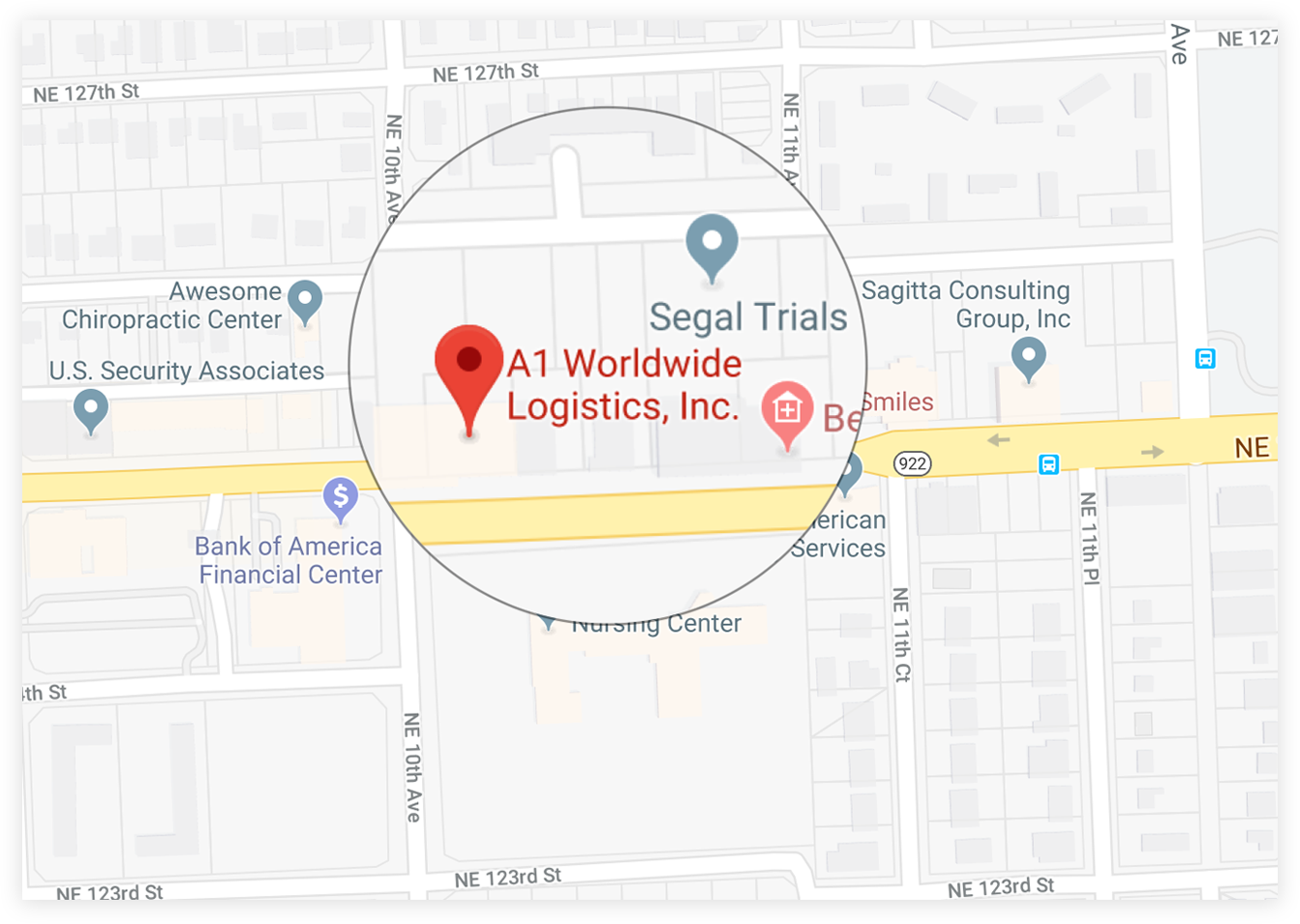
 1035 NE 125th St Suite #320, North Miami, FL 33161.
 a1worldwidelogistics.com
 (305) 821-8995
 Hours: 8AM - 5PM