Trump’s Reciprocal Tariffs Starting
Share Article in Social Media
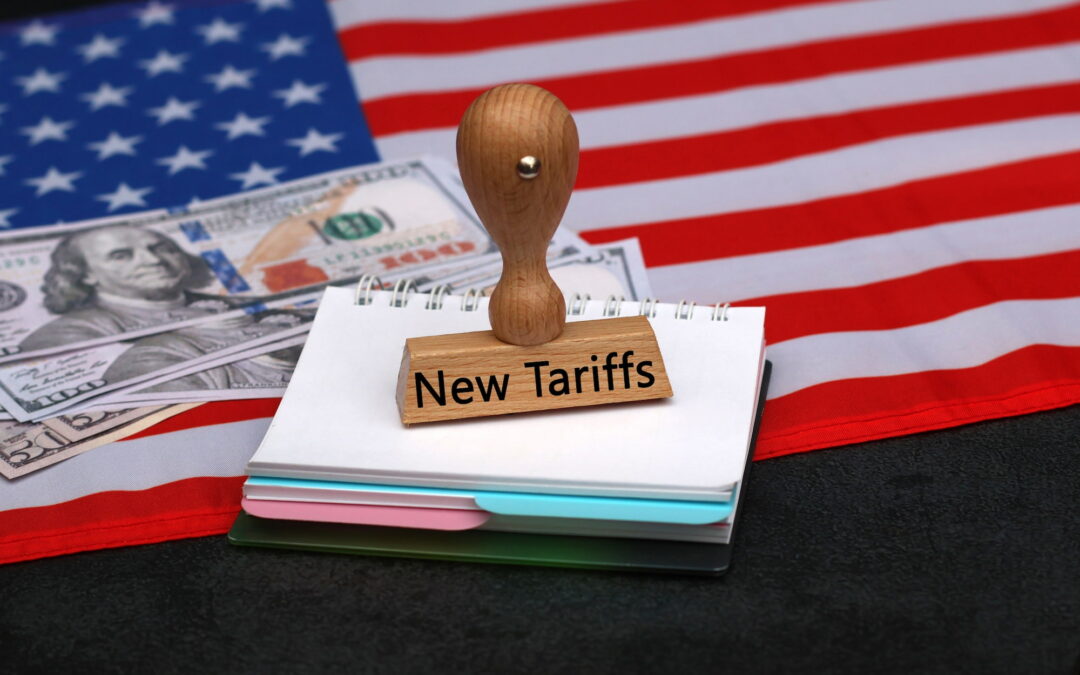
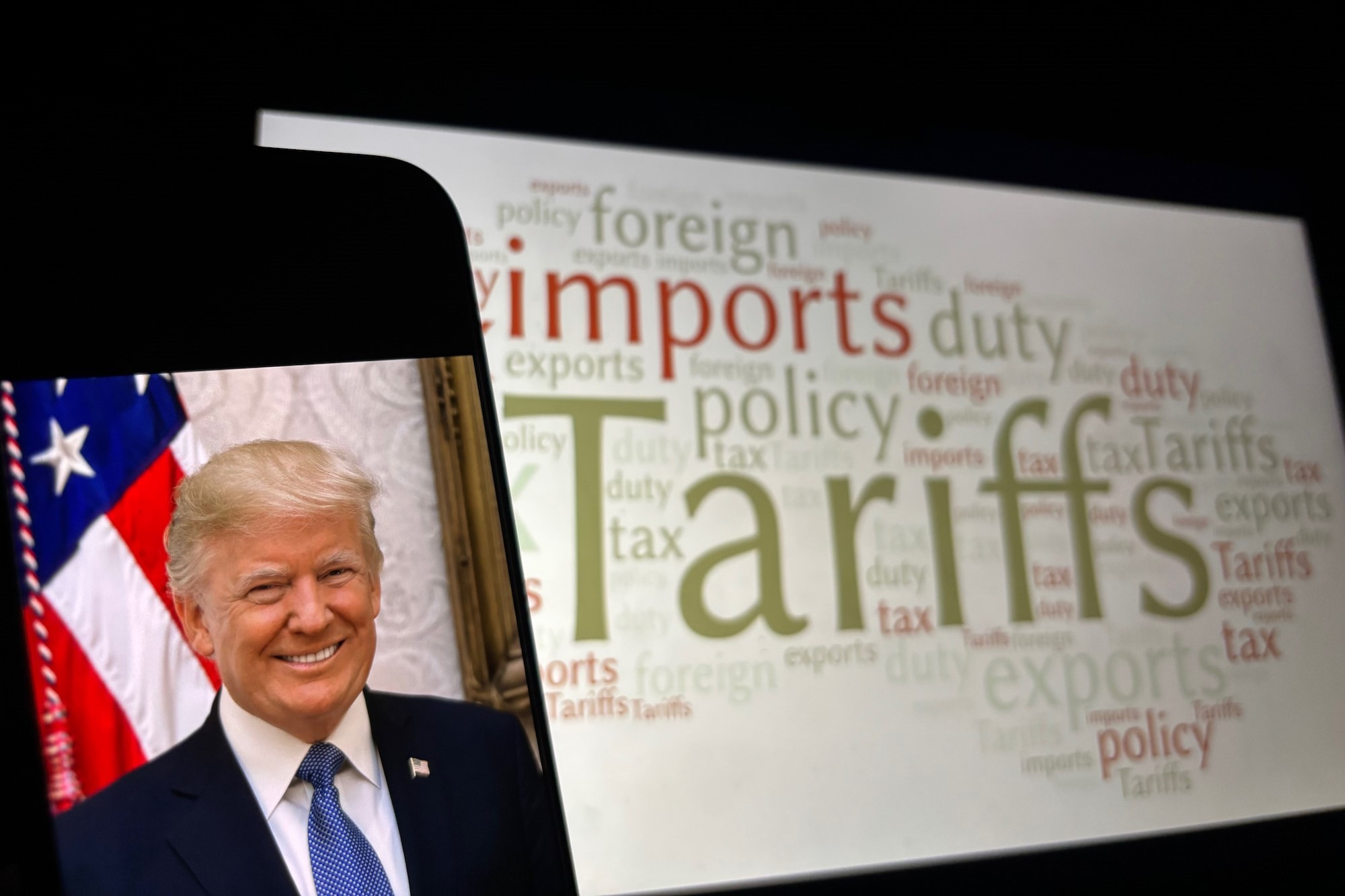
An executive order signed in February has President Trump’s reciprocal tariffs starting today. Termed “Liberation Day” by Trump, various countries that bring cargo into the U.S. will see new taxes on importation. These tariffs will differ from Trump’s recently announced levies against Canada, China, and Mexico. While The president has not announced the countries receiving the taxations, many believe it will target the “Dirty 15.” This refers to 15% of countries that account for most U.S. trading volumes. These include the EU, Vietnam, Mexico, Japan, China, South Korea, etc. Due to the volume of goods that come into the U.S. from other countries, tariffs will significantly impact international shipping.
Why is Trump Imposing Reciprocal Tariffs?
Over the last few months, Trump imposed tariffs on numerous imports, including automobiles, aluminum, and steel, and on various countries. The goal behind the tariffs was to stop the inflow of drugs and illegal immigration into the U.S. Similarly, the goal behind the reciprocal tariffs is to address unfair trading practices by U.S. trade partners. Trump recently stated, “They charge the U.S. tax or tariff, and we will charge them the exact tax and tariff.” The president plans on bringing manufacturing and businesses back to the U.S. to stimulate the economy and create jobs. Economists believe it will have the opposite effect and hurt the economy by creating inflation.
When Trump announced the reciprocal tariffs, other countries strongly opposed it. Countries like Canada, China, and Mexico responded by announcing potential agricultural, dairy, steel, and other U.S. export duties. The EU, in particular, warned of possible countermeasures, including imposing their taxes on American exports. After Trump released tariffs on aluminum and steel imports, the EU released retaliatory tariffs on $28 billion of U.S. goods. The WTO (World Trade Organization) responded by stating that the reciprocal tariffs could violate global trade rules, causing disputes. Instead of direct countermeasures, other countries are preferring negotiations.
What Could Trump’s Reciprocal Tariff Starting Mean For International Shipping?
One of the greatest impacts could be that costs to ship internationally could rise for different supply chain parts. Not only will importation fees increase, but they will also fall on the customers receiving the goods. Other countries potentially imposing their reciprocal tariffs may further raise costs. Analysts at Yale University estimate that a universal 20% tariff can cost the average American household over $3400 yearly. Shippers could look at solutions like outsourcing to other countries or bringing production back to the U.S. The trucking industry may benefit from manufacturing returning to the U.S. since it would lead to a higher cargo volume transported domestically.
As tariffs begin on U.S. imports, it is increasingly vital that you protect your shipment. Along with higher costs, taxes could result in other supply chain disruptions like delays. Talking to a freight forwarder before importing can be ideal for ensuring your shipment’s success. A freight forwarder is a person or company that acts as a middleman between the shipper and carrier. Along with coordinating freight movement on behalf of the shipper, they provide numerous services for their supply chains. Some solutions include customs clearance, international and domestic transportation, warehousing consulting, and more. Contact A1 Worldwide Logistics at info@a1wwl.com or 305-440-5156 to speak to a forwarder regarding shipping your cargo internationally.


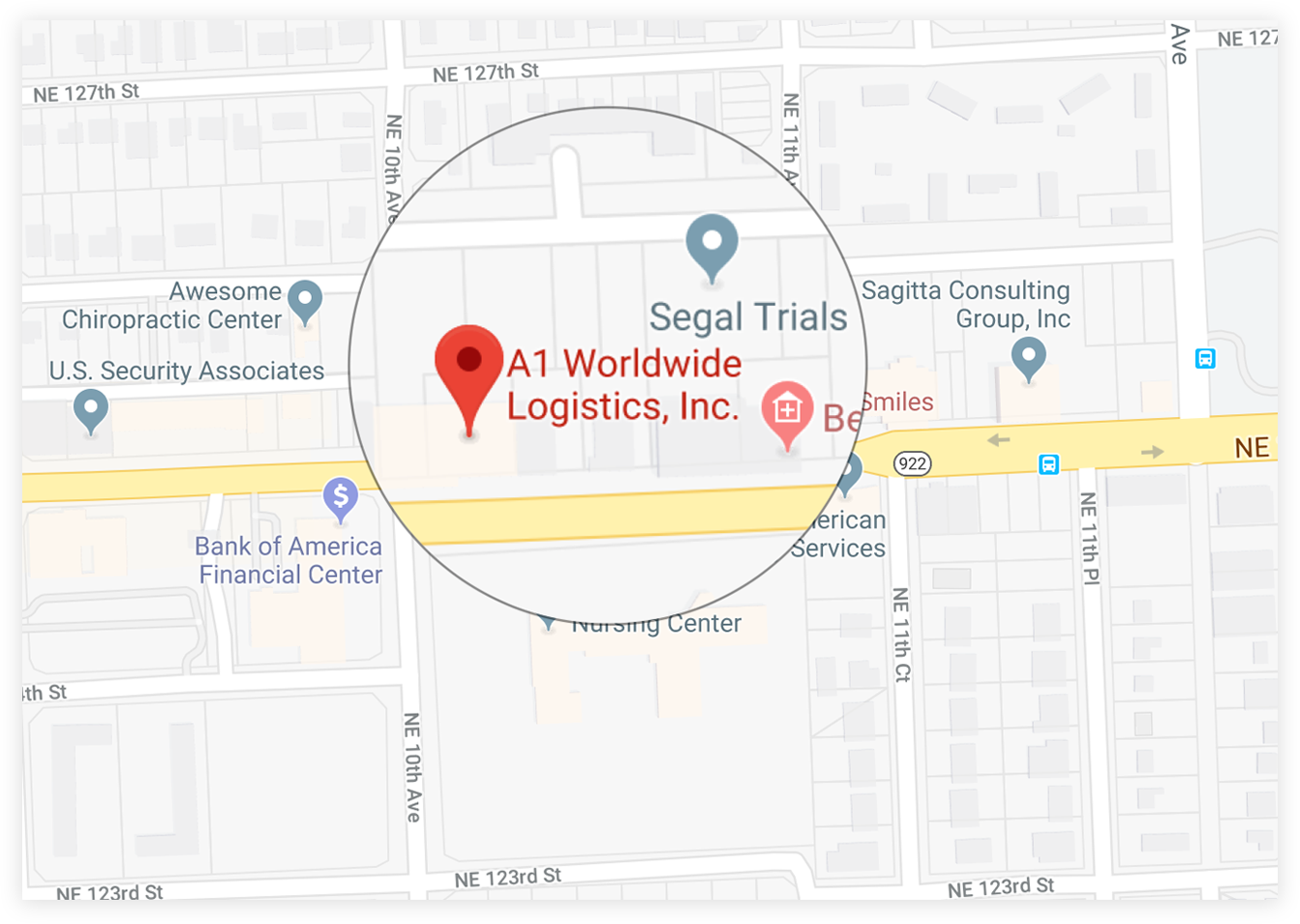
 1035 NE 125th St Suite #320, North Miami, FL 33161.
 a1worldwidelogistics.com
 (305) 821-8995
 Hours: 8AM - 5PM