The Court of International Trade (CIT) has recently announced a class action for IEEPA refunds. On October 8, the CIT said the class action will allow refunds to importers who imported cargo under the now-illegal International Emergency Economic Powers Act (IEEPA)...
Elegir el agente de aduanas adecuado es una decisión importante para cualquier empresa o persona que importe mercancías a Estados Unidos. Su agente de aduanas puede ayudarle a preparar su declaración de aduanas, clasificar sus productos, calcular los aranceles,...
Choosing a customs broker is an important decision for any business or individual importing goods into the United States. Your broker can help prepare your customs entry, classify your goods, calculate duties, manage documentation, and communicate with U.S. Customs...
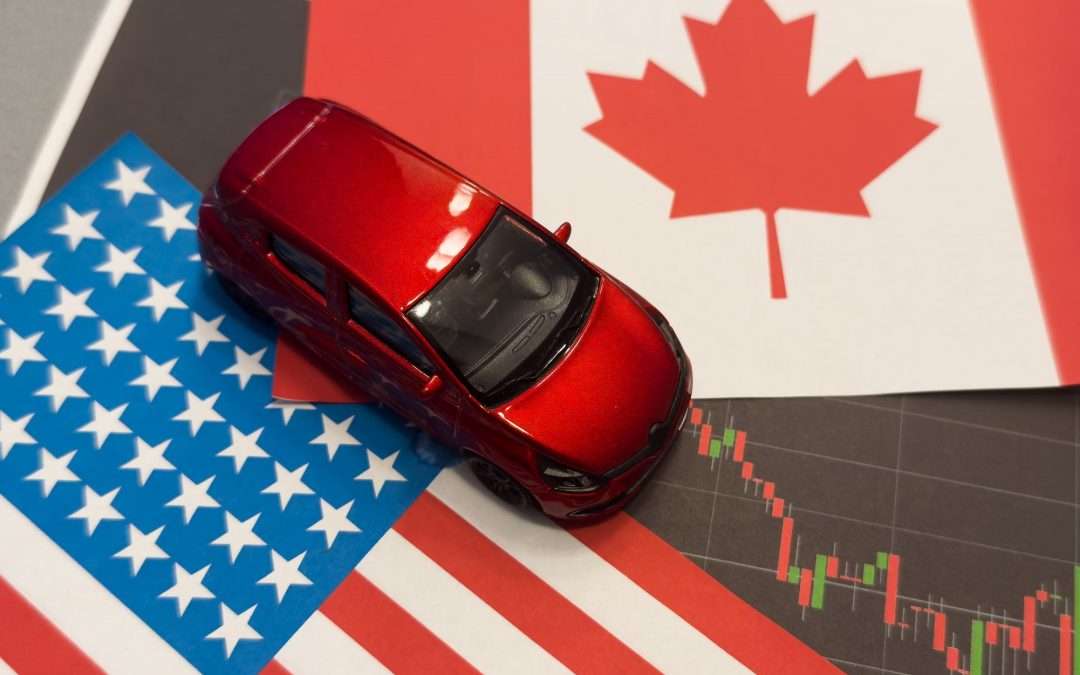
Although importing cars from Canada can benefit importers and businesses, it can be confusing for the average shipper. Canada’s proximity to the US makes cross-border vehicle transportation relatively accessible. In addition to offering easy access, Canada is an...
The Fuel of the Future: Hydrogen
Share This Article
Why IS Hydrogen the next Big Thing?
Everything changes through time, that is how it survives. This is true for living animals, plants and even organizations. One such industry that is looking to change with the times is international shipping; as being responsible for about 3% of global greenhouse gas emissions has brought to light the problem the world is facing with this group.
The International Maritime Organization (IMO), the global standard-setting authority for the safety, security and environmental performance of international shipping, is seeking alternative fuels. Though initially biofuels will be used, the future of water-based shipping is believed found in hydrogen.
Why Hydrogen?
Pro-Environment- Motors that run off of electricity generated from a hydrogen fuel cell produce no emissions.
Hydrogen fuel cells in shipping engines will help put a substantial dent in the number of pollutants being produced on the planet, helping clean up our atmosphere.
Easier Access- With the inclusion of batteries and a device known as an electrolyzer, the entire system can produce hydrogen from seawater. This is a naturally abundant resource and could help with maintaining an ever-present fuel supply.
What Does that mean for Shipping Costs?
Many companies may see this rise in a new fuel source as being all fine and good, but the but most businesses are looking for the bottom dollar here. Will this effect shipping costs, will I have to pay more for fuel, what about the price of converting over to these new engines?
The first hydrogen being the cleaner of the two fuels means it would limit the pollutant emissions, and thereby the company itself would not have to worry about overstepping boundaries set up and fined for their infractions.
Next to consider is fuel cost and the effectiveness of it. Seeing as the easy access to hydrogen energy via the application of an electrolyzer as stated earlier in writing. This allows for a more readily and cost-effective supply of energy. Now that being said hydrogen is not perfect, hydrogen power cells have a lower limit of energy storage than their counterparts.
And finally, with the production of fuel cells on the rise, as many more companies have already mapped out their plans to embrace the change from fossil to renewable fuel, so too will the cost of the fuel cells go down.
The Future is on its Way
We are not manning the same vessels we had one hundred years, fifty years or even in many cases ten years ago, so why should we be using the same fuel. This could be the dawning of a new era in fuel, with it becoming more efficient, cost-effective and cleaner than it has ever been. Make sure you are not left behind.
Descubra cómo elegir una empresa de transporte internacional de mercancías, comparar opciones aéreas y marítimas, preparar documentos y calcular costos logísticos.
DDP stands for Delivered Duty Paid. Under this shipping term, the seller arranges transportation to the agreed destination and handles export and import clearance, including the applicable import duties and taxes. The goods are delivered to the buyer ready for...
CIF and FOB are shipping terms that define the buyer’s and seller’s responsibilities. Under CIF, the seller arranges and pays for ocean freight and cargo insurance to the named destination port. Under FOB, the buyer arranges and pays for the main ocean journey, and...
Ocean freight, also called sea freight, is the transportation of goods by ship. Businesses use it to move commercial cargo between countries, from a few pallets in a shared container to full-container orders and oversized equipment. For a U.S. import, the shipment...
LCL shipping, short for less than container load, lets your business move ocean freight in a container shared with other shippers. You book space for your cargo instead of reserving a whole container. For a business importing a few pallets at a time, that can make...