US Proposing A 93.5% Tariff
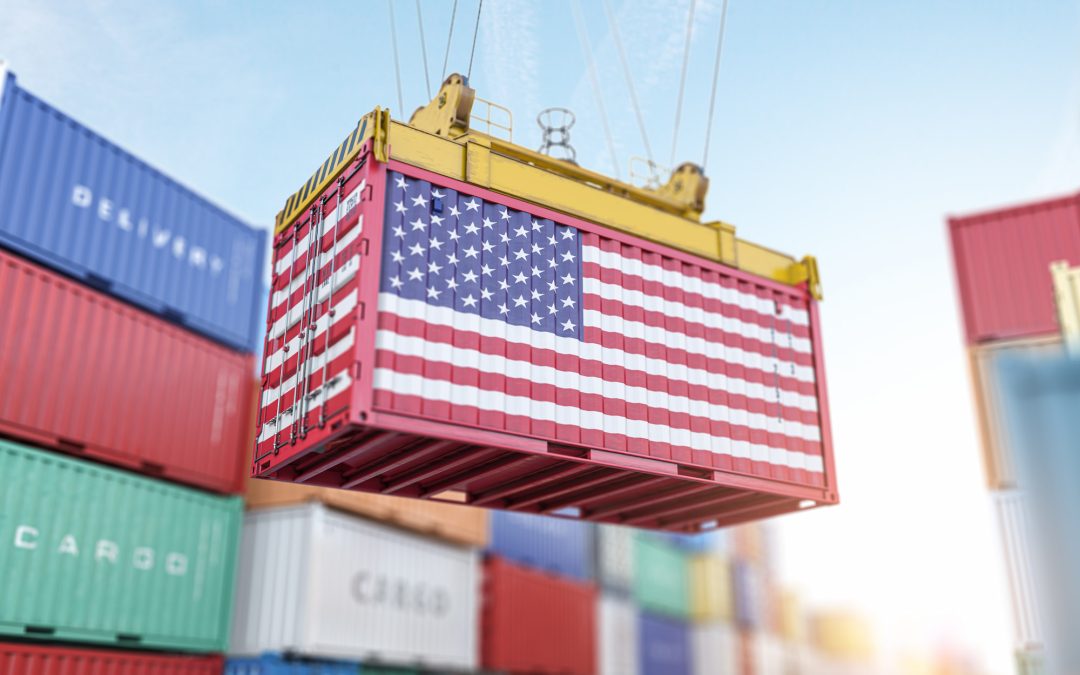
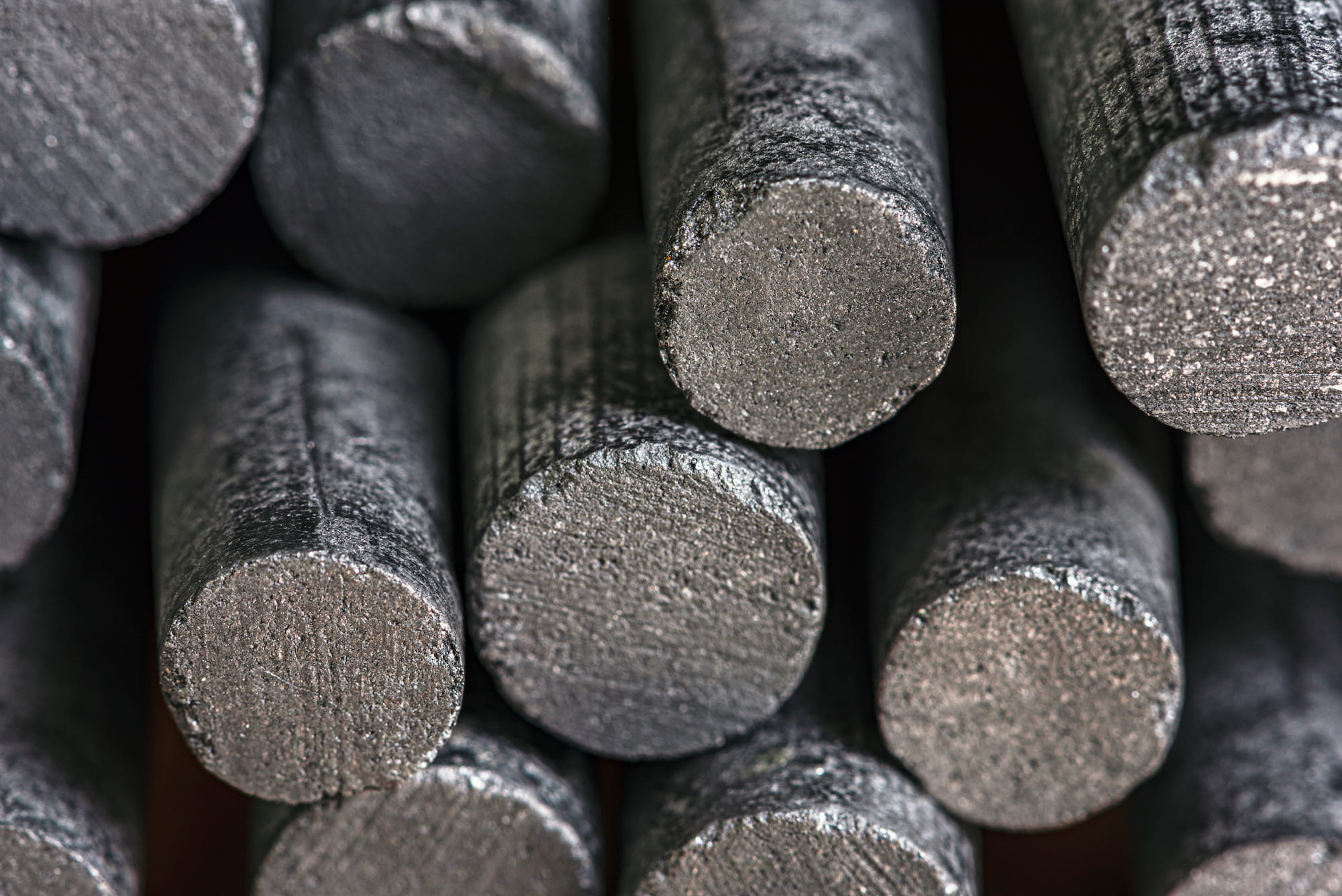
A tariff war continues with the US proposing a 93.5% tariff on graphite imports from China. On July 17, the US Department of Commerce (DOC) announced plans to implement the levies after an anti-dumping duty investigation. The DOC notes that they will make the final amount determinations from the investigation on December 5. Along with the previous tariffs Trump issued for Chinese imports, the 93.5% will bring the total rate to 160%. The DOC has also proposed countervailing duties on graphite importations up to 721%. With the amount of graphite that comes into the US from China, this can significantly impact international shipping.
Why Is The US Proposing A 93.5% Tariff On Graphite Imports?
The Trump Administration has proposed tariffs on Chinese graphite imports for various reasons, including anti-dumping and subsidy claims. Dumping is when manufacturers in one country export goods to another country at a lower price than they usually charge in their own country. An anti-dumping duty is a tariff that a country of import places on goods to raise the price. This gives domestic companies producing the same product a chance to compete. The Chinese graphite is an example of dumping that undercuts American battery producers. Another goal behind the tariffs is to bring manufacturing and businesses like graphite production back to the U.S. Trump believes that will stimulate the economy and create jobs.
Economists believe that it will have a reverse effect by hurting supply chains and causing inflation. Along with supporting domestic graphite production, the tariffs address unfair trade practices. Trump has already imposed or announced potential tariffs on other Chinese imports like semiconductors, solar technologies, critical minerals, etc. On May 12, the US and China agreed to slash tariffs that would reach over 100%. Trump recently said, “They charge the U.S. tax or tariff, and we will charge them the exact tax and tariff.” The president has also announced that reciprocal levies on dozens of countries are set to begin on August 1.
What Could The Graphite Tariffs Mean For The Shipping Industry?
In 2024, the US imported approximately $375.1 million in graphite from China. Due to the graphite’s importance in various industries, the tariff will directly impact international shipping. A primary sector that would be affected by the levies is the automotive industry, particularly in graphite production. Graphite is vital for EVs and lithium-ion batteries, and China is responsible for approximately 92% of graphite production. Higher taxes would immediately raise the cost of importing and raise battery costs by 200% per EV. Levies would also increase costs for other supply chain parts, including domestic shipping to the final destination.
Although tariffs can seem alarming, they should not stop you from moving your shipment. You should, however, take the appropriate steps to avoid disruptions. Being unprepared can lead to delays, monetary loss, and cargo loss. Shippers must be current with any regulations that may impact their shipments. Another way to ensure a successful shipment is to contact a freight forwarder. Forwarders are intermediaries between the shipper and the carrier and coordinate freight movement globally. They also determine the total transport cost, provide the paperwork, coordinate the cargo movement, and provide other solutions. Reach A1 Worldwide Logistics at 305-425-9513 or info@a1wwl.com to speak to a forwarder about shipping your goods internationally.