China Limiting Graphite Exports
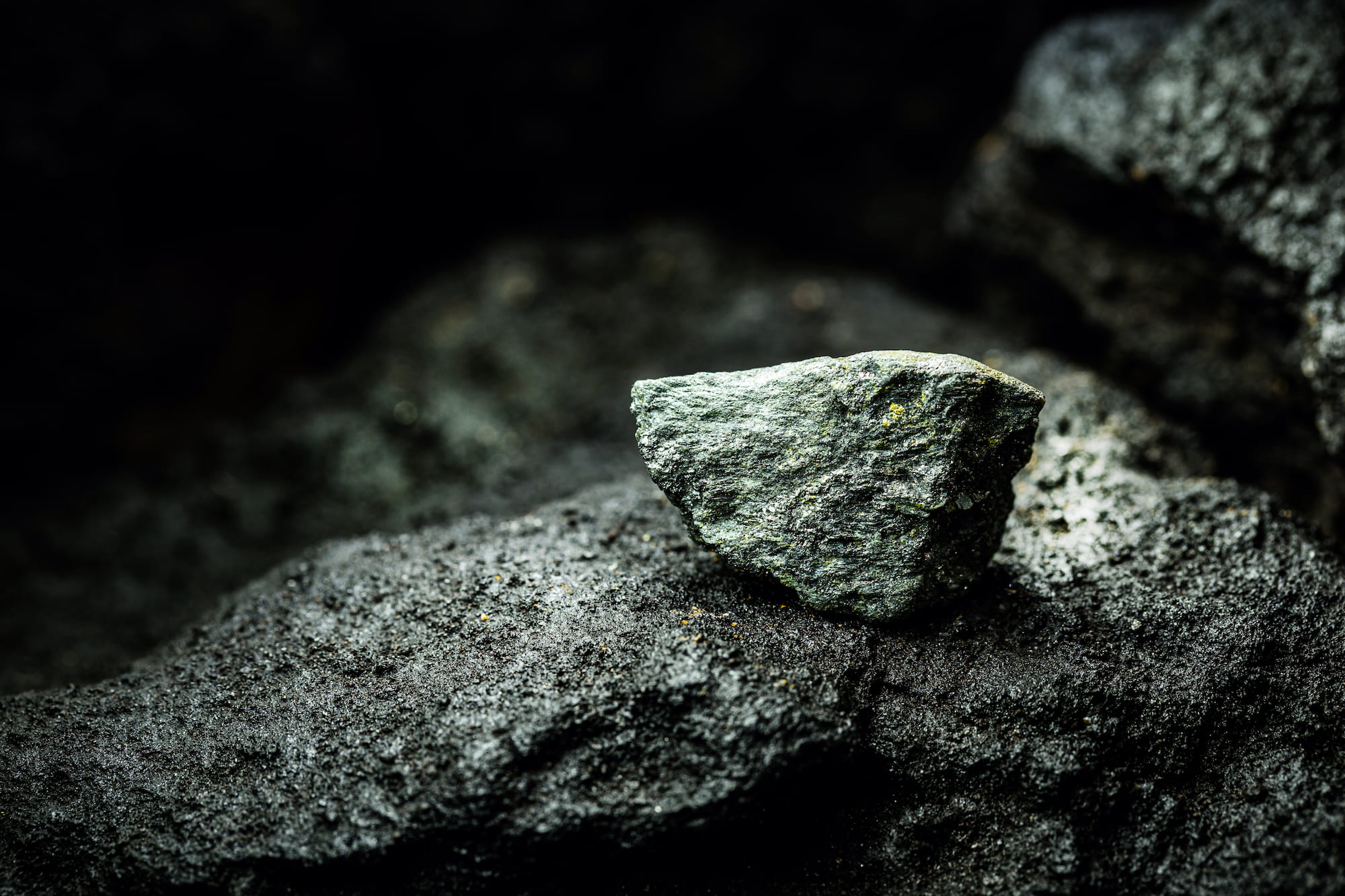
Recent U.S. Department of Commerce restrictions have resulted in China limiting graphite exports. Graphite is a mineral that manufacturers use to create pencils, brushes, arc lamps, and batteries for electric vehicles (EVs). China is the world’s most significant graphite producer, producing over 65% natural graphite globally. Starting December 1st, foreign companies will require stricter permits for shipping raw and synthetic graphite out of China. The announcement comes after the U.S. blocked China from importing specific computer chips. The U.S. restrictions aim to prevent China’s access to semiconductors that can fuel breakthroughs in artificial intelligence.
What Does China Limiting Graphite Exports Mean for Shipping?
A decline in graphite exports out of China can negatively impact supply chains globally. Automakers that rely on this mineral to create EV Batteries may feel the main impact of the restrictions. In recent years, the customer demand for EVs has grown, and many are switching to cleaner energy technologies. The World Bank Predicts that graphite demand will rise 500% over the next three decades. Since China makes over 65% of the world’s graphite, EV makers that ship from the country may soon have to look for other alternatives. This can mean importing the mineral from other countries or insourcing the production and buying of graphite in the U.S.
Many EV manufacturers are already importing graphite from countries like Mozambique, which is the 2nd largest producer of graphite. This option may have separate issues because of recent regional labor strikes. Another concern from shippers is that the average price of graphite will spike in the near future. This is due to the demand becoming higher than the supply. The Russia-Ukraine adds to the price since Russia is a significant supplier of the world’s graphite. Manufacturers also have used substances like silicon instead of graphite to create batteries. However, technology for that material is not commercially available.
How Has the U.S. Responded?
The global graphite supply was a concern for the U.S. years before China’s announcement to limit exports. Last year, the U.S. government signed the Inflation Reduction Act into law. This law gives a 10% tax credit to domestic producers of graphite and similar minerals. In February of 2023, the Biden administration gave $3 billion in funding for battery supply chains that use graphite. The goal is to bring more graphite production to the U.S., starting with a processing plant in Alabama. In August, the U.S., South Korea, and Japan met and launched a supply chain early warning system (EWS). This program will share information on disruptions to crucial supply chains like graphite and EV batteries.
When shipping freight internationally, it is essential to be up-to-date with any laws and regulations that arise. Failure to do so can delay shipment and disrupt your supply chain. The best way to prepare is by talking to a freight forwarder or customs broker regarding your cargo’s movement. Forwarders coordinate the transport of your goods, and brokers clear the import once it reaches the destination country. Contact A1 Worldwide Logistics at 305-821-8995 for assistance with your supply chain needs. We help by guiding you through the world of international shipping by providing solutions for reaching your goals.