Iran War Disrupting Shipping
Share Article in Social Media
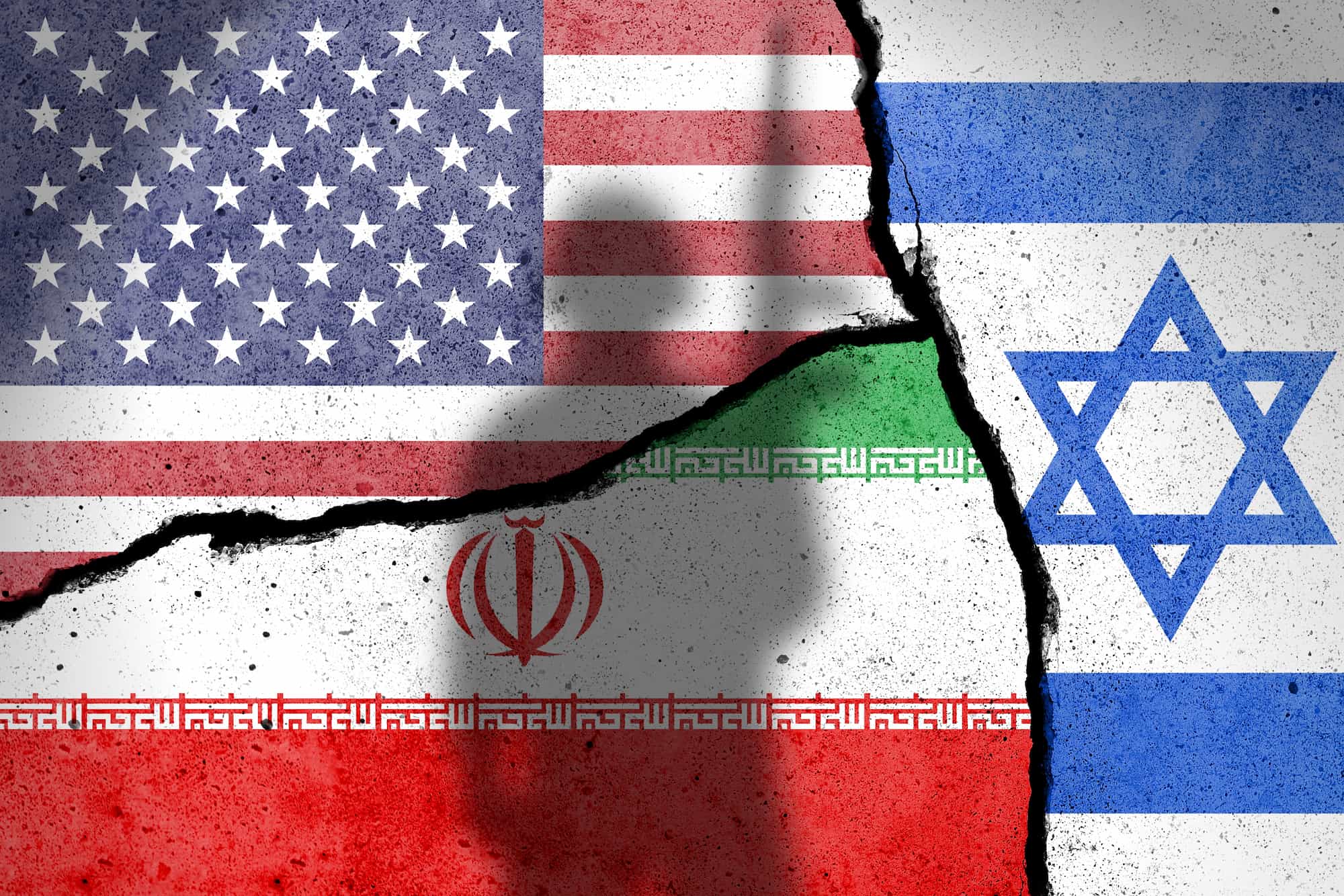
As the Iran-Israel conflict continues to escalate, global trade can soon see the Iran war disrupting shipping. Iran and Israel have been in a back-and-forth for decades, which has escalated in recent years. More recently, Israel and the US started what President Trump called “major combat operations”, bombing various locations in Iran. Trump noted that the strikes were to “prevent this very wicked, radical dictatorship from threatening America.” With the escalation continuing, numerous supply chains that rely on commodities from the location, such as oil, will be affected. With warnings of future strikes and broader conflict, the war could soon have a greater impact on international shipping.
How Is The Iran War Disrupting Shipping?
The Iran war is disrupting shipping in numerous ways, including halting trading routes and creating supply chain bottlenecks. A primary issue is that the conflict is happening near the Strait of Hormuz. This strait is responsible for nearly 20% of the world’s oil and liquefied natural gas (LNG). With shipping lines stalling, oil prices have soared, which could be passed on to the customers. Along with oil, countries use the strait as a shortcut to ship other cargo, such as sugar, fertilizers, and aluminum. A halt may also lead to shortages and higher transport costs, negatively impacting food supply chains. Domestic transport will also be affected, as trucks typically transport imports to their final destination.
How Can Shippers Prepare During This Time?
While the potential impact of the conflict on the shipping industry is uncertain, shippers must protect their cargo. Before deciding whether to import or export, it is vital to determine whether disruptions will affect your shipment. If so, rerouting could help prevent extended bottlenecks; however, it can also increase shipping times in certain cases. For example, cargo ships have begun rerouting around the Cape of Good Hope in Africa, which could add weeks to the journeys. Changing the conveyance method from sea to air can be beneficial. Shipping the same goods from other countries outside the conflict may also help prevent bottlenecks.
Due to potential disruptions caused by the conflict, shippers must prepare accordingly. While it may seem daunting to ship internationally during this time, it should not pause cargo movement. Shippers should, however, take the proper steps to prevent delays and cargo loss. Along with the ways to protect your cargo mentioned in the article, speaking with a freight broker is also ideal. Forwarders are third-party companies that act as the middlemen between the shipper and the carrier transporting the goods. They do this by offering solutions like customs clearance, international and domestic shipping, warehousing, and more. Forwarders also offer consultation services for navigating situations that can disrupt global trade. Speak to our forwarders at info@a1wwl.com or 305-423-9456 for a quote to start exporting and importing your goods into the US.


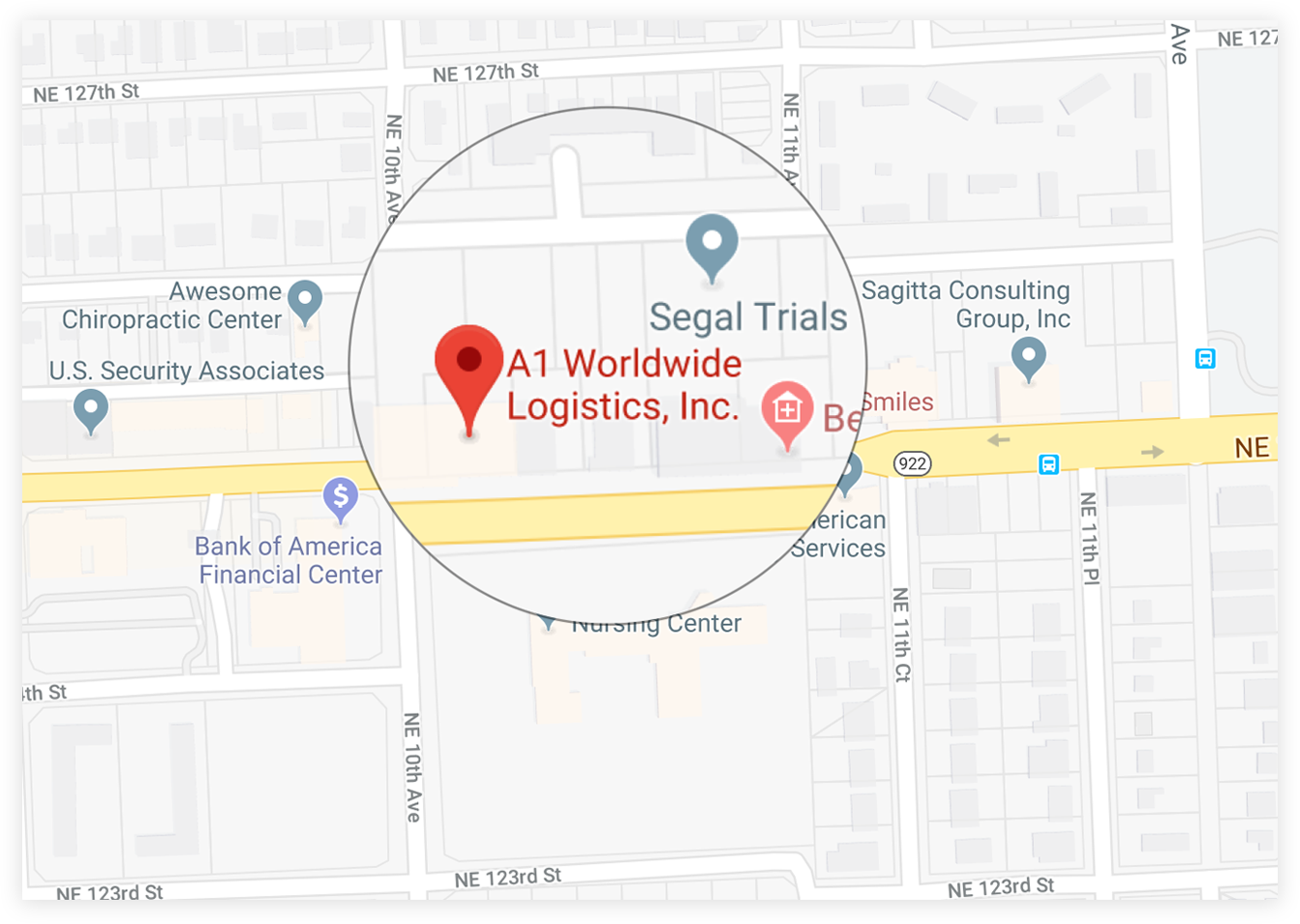
 1035 NE 125th St Suite #320, North Miami, FL 33161.
 a1worldwidelogistics.com
 (305) 821-8995
 Hours: 8AM - 5PM