by A1 WorldWide Logistics | Jan 23, 2026 | Freight, Freight Forwarding, Shipping Logistics
Whether importing into or out of the US, freight forwarding in Miami can be an ideal solution for your shipment. A freight forwarder is a service provider that acts as an intermediary between shippers and carriers. Although they don’t operate the vessel, they handle the shipper’s logistics for transporting the cargo. This can include:
- Assisting with documentation
- Finding carriers to ship domestically and internationally
- Coordinating the customs clearance process
- Providing warehousing services
Forwarders also offer consulting services, guiding shippers through regulations and providing solutions for international shipping.
Why Can Using Freight Forwarding In Miami Be An Excellent Opportunity
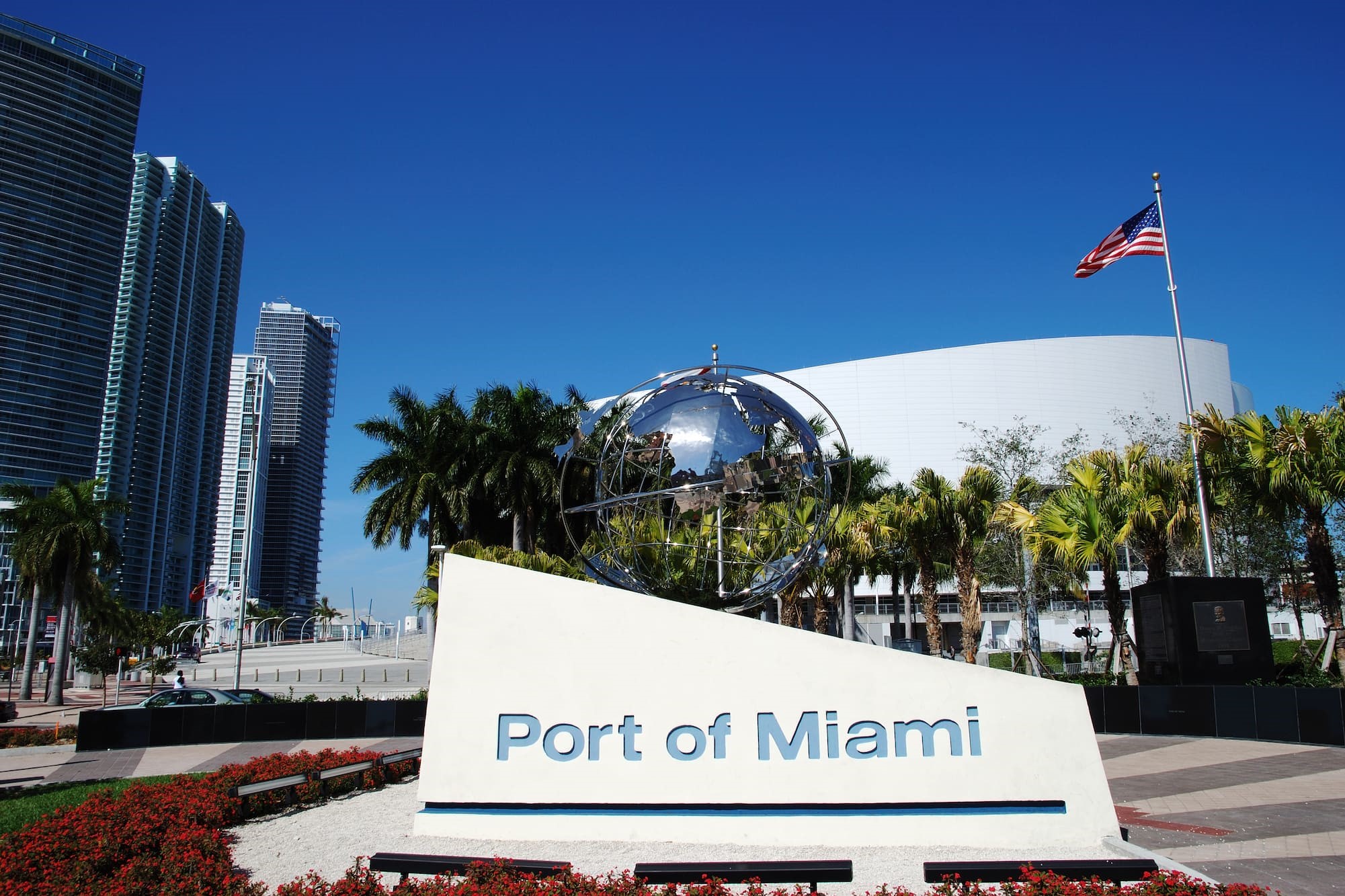
As a gateway to the Caribbean and Latin America, Miami is a significant hub for freight forwarding. The Port of Miami is one of the top 10 busiest ports in the US, handling more than 1.1 million TEUs (Twenty-Foot Equivalent Units) annually. Miami is an ideal hub for global shipping due to its proximity to key trade lanes. Its strong logistics infrastructure and multilingual workforce also make it a perfect location for shipping. Both companies and individual shippers benefit from Miami’s location.
A1 Worldwide Logistics
A1 Worldwide Logistics knows the importance of freight forwarding in Miami and is prepared to handle your shipment. We have experts who are committed to going the extra mile to deliver your goods to their final destination. A1 offers services such as customs clearance, domestic shipping, warehousing, and more to ensure a successful shipment. Please speak to our forwarders at info@a1wwl.com or 305-425-9752 to begin moving goods into and out of the US.

by A1 WorldWide Logistics | Jan 20, 2026 | Economic trends, Importing, Supply Chain
La industria del transporte internacional podría ver pronto un cambio en el principal país proveedor de café para Estados Unidos. Brasil, responsable de casi el 30 % del café verde (sin tostar) que ingresa al país cada año, ha sido históricamente el mayor proveedor de café para EE.UU. Sin embargo, en octubre, tanto Perú como Colombia superaron a Brasil en la cantidad de granos de café importados a Estados Unidos. Otros países, como México, así como productores de África y el Sudeste Asiático, también han registrado un crecimiento significativo en las importaciones de café. En mayo de 2025, el volumen total importado de todos los países superó los 4.600 TEUs. Este artículo explica las razones del cambio en las importaciones de café y lo que podría significar para los transportistas.
¿Por qué está cambiando el principal proveedor de café de EE.UU.?
Una de las principales razones del cambio en los países exportadores de café son los aranceles impuestos por el presidente Trump. Desde su regreso al cargo, Trump ha impuesto gravámenes a los principales socios comerciales de Estados Unidos. Algunas de las justificaciones incluyen combatir prácticas comerciales desleales y fortalecer la economía estadounidense. En julio, la tasa arancelaria de Brasil alcanzó el 50 %, en comparación con el impuesto base del 10 % aplicado a las importaciones provenientes de Perú y Colombia. Como resultado, los transportistas han comenzado a diversificar sus cadenas de suministro, abasteciéndose de café de países con tasas impositivas más bajas.
El CEO de ImportGenius, Michael Kanko, señaló:
“La lección más amplia para los importadores ha sido que necesitan diversificar sus cadenas de suministro, lo que ayuda a mantener los precios estables y a protegerse frente a cambios repentinos en la política arancelaria”.
Otro objetivo de los aranceles era devolver la producción a Estados Unidos para fortalecer la economía y crear empleo. Sin embargo, el efecto fue el contrario, provocando inflación. Reubicar las cadenas de suministro de productos como el café en EE. UU. UU. también puede ser complejo y costoso. Los gravámenes sobre los granos de café importados hicieron que los precios aumentaran casi un 41 % respecto al año anterior. Debido al aumento de los costos del café y otros alimentos importados, el presidente Trump redujo recientemente los aranceles sobre más de 200 productos. El 15 de noviembre, Trump firmó una orden ejecutiva que eliminó los gravámenes previos sobre bienes como el café y otros alimentos. Como resultado, los precios mundiales del café disminuyeron, lo que generó optimismo entre importadores y tostadores.
¿Cómo está afectando este cambio a los transportistas?
A pesar de que la presión de costos ha disminuido y los precios del café han bajado, puede tardar en verse un cambio significativo. Con los recientes aumentos y reducciones arancelarias, aún persiste incertidumbre al importar café. Otros factores, como el clima, el costo de vida y el rendimiento de las cosechas, también pueden afectar directamente a las cadenas de suministro. Las empresas más pequeñas podrían tener dificultades para recuperarse por completo de los altos costos de importación de los últimos meses.
Con las cadenas de suministro aún volátiles, los transportistas deberían seguir diversificando sus fuentes de abastecimiento. Esto puede incluir importar desde países distintos a Brasil, como Perú o Colombia, e incluso trasladar parte de la producción nuevamente a Estados Unidos.
Debido a su alta demanda, la importación y exportación de café a Estados Unidos pueden representar una excelente oportunidad para los transportistas. Aun así, existen varios aspectos del proceso logístico que deben considerarse al inicio. Al enviar productos como café, puede resultar beneficioso hablar previamente con un freight forwarder. Los forwarders son empresas o individuos que coordinan el movimiento de carga en nombre del transportista. Ofrecen servicios como transporte internacional, distribución doméstica, despacho aduanal, almacenamiento y más. A1 Worldwide Logistics cuenta con servicios de freight forwarding y otras soluciones para garantizar el éxito de tu envío. Contacta a nuestros forwarders en info@a1wwl.com o al 305-425-9456 para comenzar a mover tu carga a cualquier parte del mundo.

by A1 WorldWide Logistics | Jan 15, 2026 | Economic trends, Importing, Tariffs
A recent announcement has President Trump threatening a new 25% Tariff on Iran’s trading partners. On January 12, the President announced the levies on a social media post. Notable countries that the tariff could affect include India, China, the United Arab Emirates, Turkey, and others. Although the White House has not published final guidelines, Trump noted that the decision was “final and conclusive”. With the Supreme Court currently examining the legality of other tariffs issued by Trump, this announcement further heightens uncertainty.
Why Is Trump Threatening A New 25% Tariff on Iran’s Trading Partners?
The primary reason for the 25% tariff is ongoing geopolitical tensions. Ongoing protests in Iran resulted in casualties of over 2000 people, and the tariff is a pressure against it. Trump recently stated, “If Tehran violently kills peaceful protesters, they will come to their rescue.” The president issued similar “secondary tariffs” last year for countries that buy oil from Venezuela. Trump’s goal is to coerce countries engaging with the Iranian economy to reconsider their ties amid the ongoing anti-government protests. Along with the levies, Trump has also talked about the idea of taking military action against Iran.
Could This Tariff Affect Your Shipment?
Iran’s trading partners that import into the US could face a primary impact if Trump enforces the tariffs. One of the most significant US importers and trading partners of Iran is China. Given the volume of goods coming from China, a tariff could increase import costs for shippers. China has already threatened retaliatory measures in response to Trump’s announcement. The spokesperson for the Chinese embassy in Washington, Liu Pengyu, noted, “Beijing would take all necessary measures to safeguard its legitimate rights and interests.” US importers could soon have to choose between American markets and economic engagement with Iran.
Regardless of whether Trump enforces the tariffs, international cargo movement should not be halted. Shippers should, however, take the proper steps to protect their cargo from disruptions. One way to prepare in advance is to speak with a freight forwarder, such as A1 Worldwide Logistics. Forwarders are companies or individuals that coordinate freight movement on behalf of the shipper. They do this by providing services like cargo transport, international and domestic shipping, customs clearance, warehousing, and more. Speak to our forwarders at info@a1wwl.com or 305-425-9456 to begin moving your shipment to its final destination.

by A1 WorldWide Logistics | Jan 14, 2026 | Freight Forwarding, Import and Export Experts, Supply Chain
When shipping internationally, having a good freight forwarder can be a deciding factor in your shipment’s success. Freight forwarders are supply chain specialists focusing on moving a shipper’s cargo. They act as intermediaries between the cargo’s shipper and the goods’ final destination. Due to the complexity of international shipping, shippers typically use forwarders to assist with the process. Not using forwarders can lead to issues for beginner and even experienced shippers. Using an unsatisfactory one is as bad and can lead to greater disruptions in the shipping process.
What Can Happen If You Don’t Use A Good Freight Forwarder?
Failure to use a good freight forwarder can result in costly and disruptive impacts to the supply chain. A significant effect is that the likelihood of delays can increase. This can result from the forwarder submitting incorrect or incomplete paperwork, causing ports to hold the cargo. Failure to comply with export regulations can also cause delays. Potential fines for incorrect paperwork can also arise when using an unsuitable freight forwarder. Unexpected costs may also arise from poor rate negotiations and hidden fees the forwarder fails to disclose to the shipper.
What Are Some Qualities Of A Good Freight Forwarder?
Understanding what to look for in a good freight forwarder is equally important as knowing the consequences of a bad one. Some of the major qualities of a good forwarder include:
- Expertise – Forwarders must have an excellent understanding of shipping numerous types of cargo, along with a proven track record.
- Communication – Having constant and excellent communication with customers is vital when helping them navigate international shipping. This can include continual updates and education for the shipper.
- Range of Service – Due to a supply chain’s various components, having numerous services like customs clearance, warehousing, domestic and international transport, etc.
- Compliance – Good forwarders should have a complete understanding of trade regulations to prevent delays and hidden costs.
Looking for a reliable freight forwarder? Contact A1 Worldwide Logistics at info@a1wwl.com or 305-425-9456. We provide full-service solutions for shipments arriving in the U.S. from anywhere in the world. Some of these solutions include customs clearance, freight transport, providing paperwork, warehousing, and more.
by A1 WorldWide Logistics | Jan 13, 2026 | Economic trends, Exporting, Freight
As international shipping continues to shift, the industry can soon see Canada leading the BRICS economy. BRICS is a group of emerging economies comprising ten countries, including Brazil, China, Russia, India, and others. Over the last few years, the BRICS market has expanded, now accounting for 40% of the global economy. Although Canada is not a part of BRICS, Canada’s largest trading partners are in the group, including China and India. As Canada continues to expand its trade, the concurrent growth of BRICS countries may significantly impact shipping.
How Is Canada Leading The BRICS Economy?
While not being a member of BRICS, Canada’s primary exports are to countries in the bloc. A popular commodity that Canada exports is wheat, and it is the world’s third-largest shipper. With Canada as a major trader in BRICS, the country could soon account for 44% of the world’s grain consumption. Canadian exporters also benefit from fast-growing consumer markets in energy, critical minerals, and agriculture. The BRICS push for reduced reliance on the US dollar and greater economic cooperation will also lead to growth opportunities.
What Can This Mean For Shipping?
The reliance on Canadian exports may continue to rise as BRICS reshapes global trade. US tariffs on Canadian imports could further prompt Canadian shippers to diversify their supply chains to BRICS countries. Coincidentally, imports into the US from Canada may also increase, as both countries remain significant trade partners. Maintaining trade relations with the US while engaging pragmatically with BRICS economies will expand Canada’s global presence.
As Canada becomes a major player in global trade, imports and exports between the US and Canada could increase. Despite the opportunities for international shipping, shippers may face risks when starting. An ideal way to prepare is by coordinating with a 3PL (Third-Party Logistics) Provider. 3PLs provide a range of supply chain logistics services, including international and domestic shipping, customs clearance, warehousing, and more. Reach A1 Worldwide Logistics at info@a1wwl.com or 305-425-9752 to learn about our solutions for ensuring your shipment’s success.

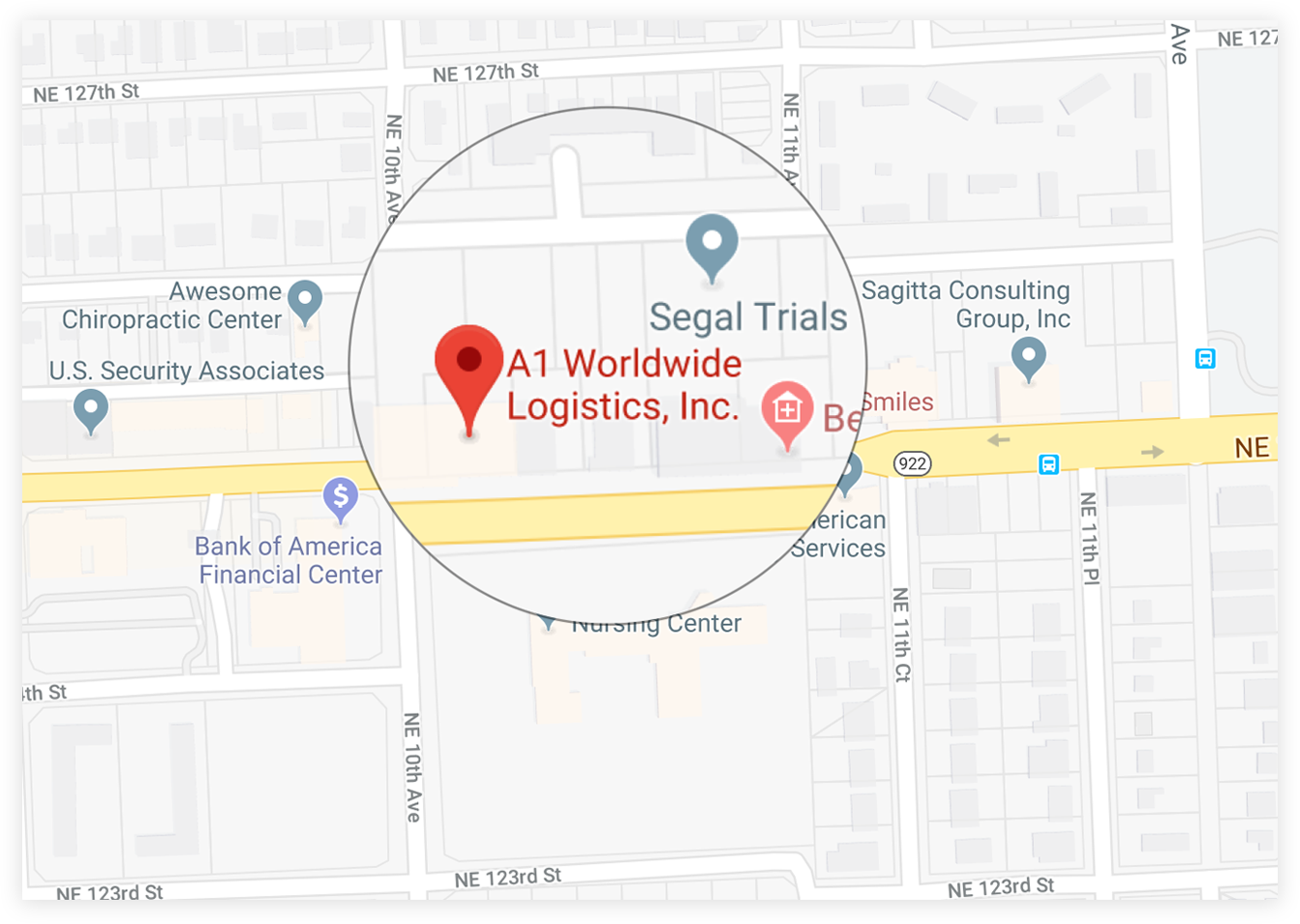
 1035 NE 125th St Suite #320, North Miami, FL 33161.
 a1worldwidelogistics.com
 (305) 821-8995
 Hours: 8AM - 5PM