
by Rob Simmons | May 10, 2021 | Freight Forwarding, Supply Chain, Transportation
Last year there were reports of a global freight container shortage. This shortage has continued on to this year. The demand for containers greatly outnumbers the number of containers available. With the current state, the shortage may continue until the end of 2021 and even into 2022.
When did this Shortage Begin?
The start of this shortage was believed to happen in mid to early 2020 during the coronavirus lockdowns. With the pandemic establishing quarantine worldwide, people resorted online to purchase their goods. Freight that is purchased online tends to be imported internationally. In 2020, Ports in the U.S. saw an overwhelming number of ships carrying freight arrive at their terminals. This large volume led to congestion across the nation, and we may be still seeing the side effects today.
Why is the Shortage Persisting?
There are many reports as to why there may be a lack of freight containers. One explanation previously mentioned is that a large number of ports have not recovered from the blockage. The number of new containers being sold has also remained sluggish. This may be because the cost of a container has risen greatly in a year. In 2020 the cost of a new container was around $1800. In a year, the cost rose to $3500. Combine the increasing price with the lack of inventory and it creates an unfavorable situation.
Another reason could be the Suarez Canal blockage. This added to the situation because of the large number of ships that were blocked. Over 350 ships carrying thousands of containers were delayed. The Ever Given itself can hold over 20,000 containers of freight. The blockage also led to ships taking the longer route through the Cape of Good Hope, resulting in long delays. Also, Chinese ships that were planning to go through the Suarez Canal are turning around at such a rapid rate that they are dropping empty containers behind. Adding to the scarcity.
Is There an End
As everything recovers from the hectic year of 2020, there may be light at the end of the tunnel sooner than later. The manufacture of freight containers has gone up in 2021 compared to last year. Although this production is still not enough to overcome the current shortage, it may be a sign of things to come. As the economy steadily returns to pre-coronavirus, more freight may start to be shipped globally. This could result in the need for more containers and more production, along with the end of the shortage.
A1WWL
If you are looking to import or export freight internationally and need a quote, call us at 305-821-8995 or email us at info@a1wwl.com. We provide hands-on service with your freight all the way to its final destination.
by Rob Simmons | May 5, 2021 | Customs Broker, Customs Broker Miami, Customs Clearance, Freight Forwarding, Shipping Logistics
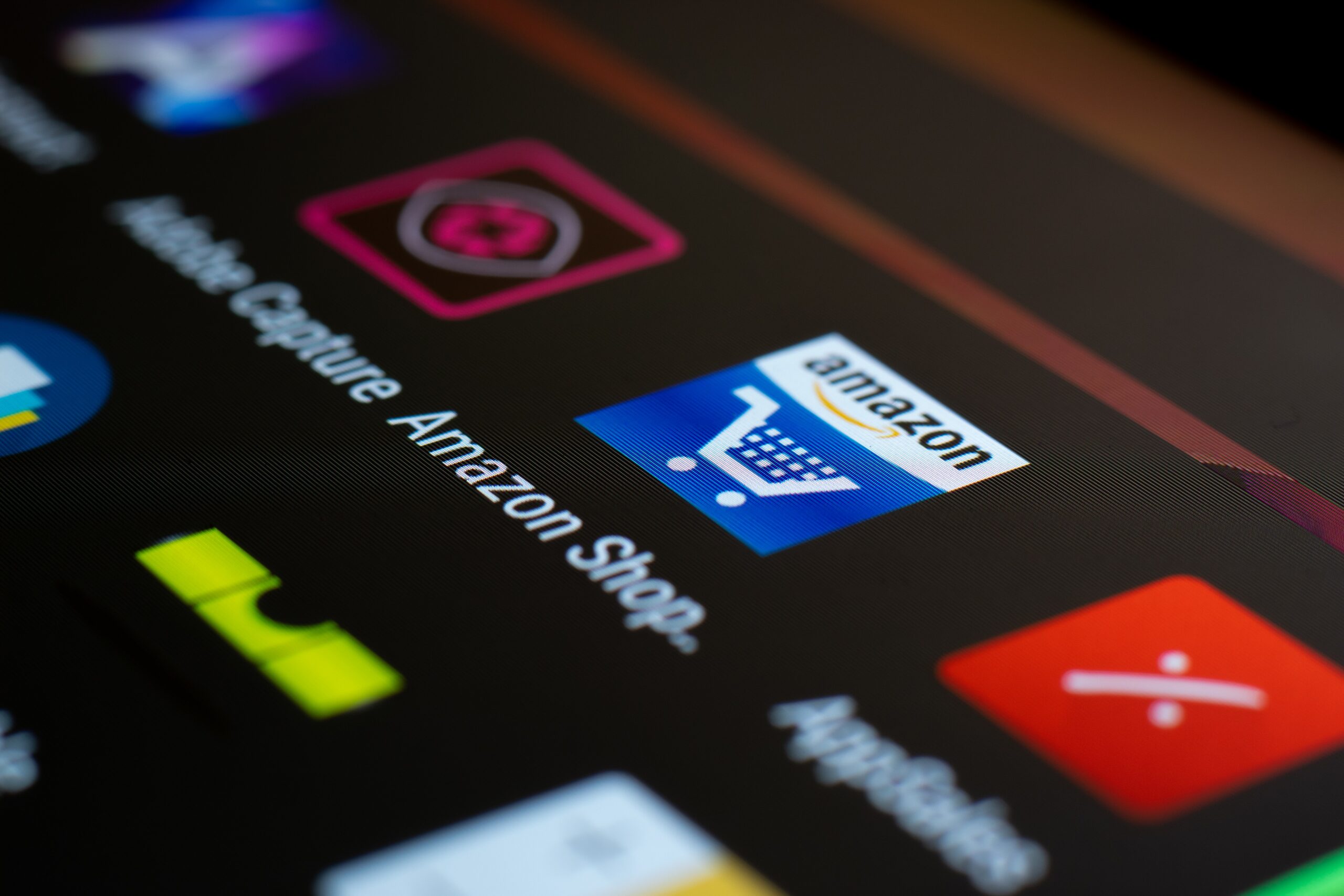
With e-commerce becoming more common over the years there has been a stronger need for logistics than in the past. Especially with the coronavirus forcing many to purchase their goods online. In Amazon’s case, this led to an expansion of Amazon’s freight delivery stations. When customers purchase goods online, they tend to expect the goods to reach them in a timely manner. Amazon took note of this and created freight delivery stations all across the United States to meet customer needs. In 2021, the number of delivery stations is predicted to be over 500 by the end of the year.
What is a Delivery Station
To understand what a delivery station is, it is important to understand insourcing. Insourcing means using a company’s own resources to complete a job that was previously done by an outside source or a third party. In Amazon’s case, the delivery station acts similarly to the U.S. Postal Service. Once the freight reaches the postal service, they get prepared for final mile delivery. Instead of outsourcing for final mile delivery services, delivery stations give that task to Amazon.
The delivery station is just one of the many different ways that Amazon is expanding its logistics operations. With the growing demand from the customers, the delivery stations are improving Amazon’s supply chain. This is by widening their reach and having the customers get their freight in a swifter manner. Amazon’s Wagon Wheel program is also allowing for the development of delivery stations in rural, secluded areas. The plan is for amazon to one day have total coverage of the U.S.
Advancements in Logistics
Delivery stations are just one of many examples of how companies like Amazon are developing ways to meet the logistical needs of the customers. Before the goods even reach the delivery stations, they may have to go through the sorting centers or fulfillment centers. Fulfillment centers are where the items from orders are picked and moved to sort centers. Sorting centers are where these items are put together and then are moved to delivery stations. With more of these types of warehouses being built across the U.S., Amazon is demonstrating how the logistics process is growing and developing.
Other companies like FedEx and Home Depot have followed the trend as well. FedEx is currently creating warehouses solely for storing and moving large freight. Home Depot has also created centers such as last-mile centers similar to Amazon to deliver to the customers. With all of the recent growth, there can be no telling what lies in the future for the world of logistics.
A1 Worldwide Logistics
If you are looking for final mile delivery services such as local pick-ups and deliveries for your freight, call us at 305-821-8995. We make sure that your goods are handled with care throughout the whole journey up to the final destination.

by Rob Simmons | Apr 30, 2021 | Customs Broker, Customs Broker Miami, Customs Clearance, Freight Forwarding, Import and Export Experts, Shipping Logistics, Supply Chain
The value of wine imported into the United States has always been greater than the value of beer imported. However in 2020 this changed, and the value of beer imported into the U.S. surpassed the value of wine. Different theories and methods have been proposed as to why this is happening such as government policy and the coronavirus.
Did Covid-19 Affect This?
A common belief is that the coronavirus led to beer becoming a wanted commodity. This is because, with high levels of unemployment, the level of economic depression went up. This could have led to more consumption of beer. Beer is known for being a countercyclical good, meaning that when the economy is bad, it does well. On the other hand, the import of beer has been increasing and hitting records for over a decade. There may be other reasons why beer is doing so well. Despite the coronavirus may not have an effect on the beer imports it could have affected the wine imports.
Where is most Beer Imported From?
When beer comes into the U.S. it is imported from various countries. Mexico was responsible for over 70% of beer imported in 2020. Mexico’s market share and imports have been steadily increasing over the last 20 years. And this includes the importing of beer. Other countries like Canada, Germany, and the Netherlands have decreased beer imports over that time period, however. A belief is that the proximity of Mexico to the U.S. means that the customer will get their product quicker. Since Mexico is so close it may seem like an ideal country of choice. Instead of further regions.
The Impact of Tariffs on Wine
In 2019 tariffs were placed on wine from France and other countries in Europe before the coronavirus even reached the U.S. The result of this was felt all last year and even in 2021. The importing of French wine dropped greatly. Interestingly, Italy did not have tariffs placed on its wine in 2019. Italy’s wine imports not only stayed relatively steady but surpassed France.
Months after the tariffs were placed on the wine was when the coronavirus hit the U.S. The shutting down of restaurants and bars that order wine internationally added to the decline since they are the largest business sectors that rely on wine. With a 25% tariff and businesses closing, the wine industry felt the effects.
A1 Worldwide Logistics
When importing goods such as wine or beer from a foreign supplier they have to go through customs. The customs clearance process tends to not be simple, and you may be lost if it’s your first time doing it. Finding an experienced customs broker to guide you through the process can save you time and energy. If you are looking for a customs broker, call us at 305-821-8995 or email us at info@a1wwl.com for or information.
by Rob Simmons | Apr 26, 2021 | Customs Broker, Delivery, Freight Forwarding, Shipping Logistics, Supply Chain, Transportation
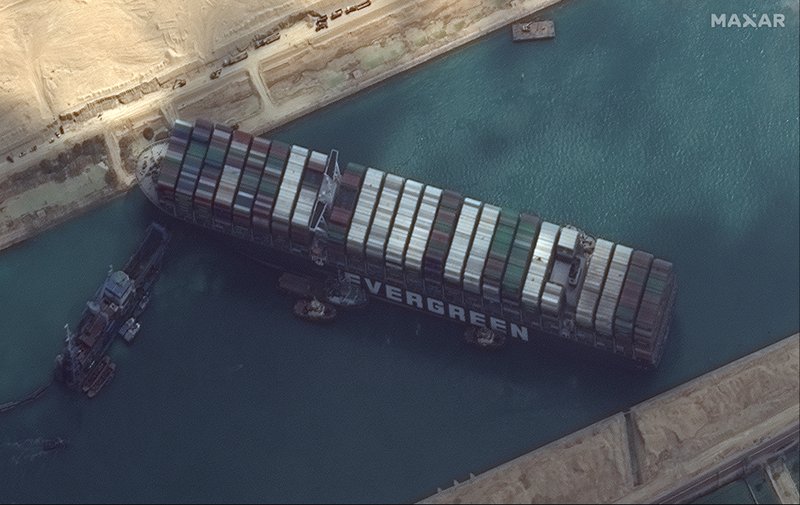
During late March, the freight carrying ship Ever Given got lodged in the Suez Canal for almost six days. With the vessel currently freed, Egypt is now requesting more than $1B for damages and losses. As the Suez Canal opens back up and traffic is cleared, the costs from the blockage may start to come in. The Ever given is currently being held at the Suez Canal for investigation and analysis.
The Suez Canal, known for being one of the businesses canals in the world is responsible for over a billion tons of freight a day. When the canal got blocked, it hinders global trade and created fears for potential shortages. Meanwhile, the world is still dealing with the effects of the corona pandemic; so more stress was added.
Where did the payment come from?
The $1 billion requested from Egypt is a payment for the monetary and substantial damages done because of the Ever Given. Lt. Gen. Ossama Rebei, head of the Suez Canal Authority stated that the payment would include the costs of digging out dirt for six days. It will also include the damages in the canal from dredging the boat and costs from transit fees. It will not cover the cost for the 400+ boats that were delayed for almost a week and costs for freight on the boat.
The owner of the ship, Shoei-Kisen stated that what may happen will be that the shippers will split the general average amongst themselves. This could be a complex situation because of the large number of freight shippers that the boat has. When a general average occurs, cargo insurance tends to pay. However, if the shipper does not have cargo insurance, the shipper may have to pay out of pocket.
Who is liable for litigation?
If legal action is required, it could be complicated to find out who is to blame. This is because of the various nationalities associated with the freight vessel. First, the flagging of Ever Given was done in Panama. This means that the boat is registered in Panama. The firm that owns the ship is Japanese and the operator of the ship is Taiwanese. When the vessel got lodged, two of the pilots on the ship were Egyptian.
As a preventive measure, Lt. Gen. Ossama explained plans to increase the number of ships that pass through the Suez Canal a day to 95. The current number of daily ships is around 50. More support boats will also be added. What may be an issue is that the equipment used to tow the large freight boats has not developed compared to the boats themselves. The freight boats grew in size over time while the equipment stayed the same.
by Rob Simmons | Apr 22, 2021 | Customs Broker, Freight Forwarding, Import and Export Experts, Shipping Logistics, Supply Chain, Technology, Transportation
French company Compagnie Fluviale de Transport (CFT) plans on launching the first hydrogen-powered freight vessel later this year. This vessel will solely be for inland use and run fully on hydrogen fuel cells. Pallets and containers will be used to carry the freight on the boat, and it will go through the Seine river. This is all part of the Flagships project, which goal is to reduce toxic gas emissions from freight ships. Five million EUR has been given to the Flagships program for the creation of two hydrogen-powered freight vessels. One of which is currently scheduled to be released in September 2021.
Why Hydrogen-Powered?
Since the development of cargo ships, they have been a huge resource for moving freight internationally. The issue arises when it comes to the pollution that cargo ships generate. Not only may the ocean be polluted during the journey, but greenhouse gases are also being emitted into the air. Add to that the number of cargo ships in the ocean today and it can be a source of concern. Hydrogen is a perfect solution because it does not create the waste that bunker fuel does.
Bunker fuel is currently the main type of fuel oil vessel that carries freight internationally use. This type of fuel is dangerous for the environment and is known as the second leading contributor to global warming. Also, it is predicted that the wells that provide oil will dry up and be unusable in around four decades. Because of this, new energy sources like hydrogen and other renewable energy are an ideal replacement.
What can this mean for the Future?
At the current moment, the plan for the vessel is to just carry freight through the city by inland water channels. If this is successful it may open the gateway for creating hydrogen vessels for the ocean. However, developing a larger hydrogen-powered cargo vessel for the ocean may be a difficult task. This is because Hydrogen is not easily storable. The cost of producing hydrogen is also expensive compared to fossil fuels. Plus, refueling stops for hydrogen-powered ships will also have to be built, costing more money. Despite this the potential benefits of hydrogen as a widely used fuel in the future are grand.
This may be an example for not only freight-carrying vessels but other sources of climate change as well. Car companies may follow along and hydrogen-powered vehicle production may become more common. Hydrogen vessels could be the start of a greater push to a more environmentally friendly future. If international emission reduction goals are to be met worldwide, freight shipping is an important factor.
A1WWL
If you plan on exporting/importing freight, feel free to contact us at 305-821-8995. We have freight forwarders who specialize in getting your goods to the final destination. Along with forwarding by air or ocean, we also provide drayage services.

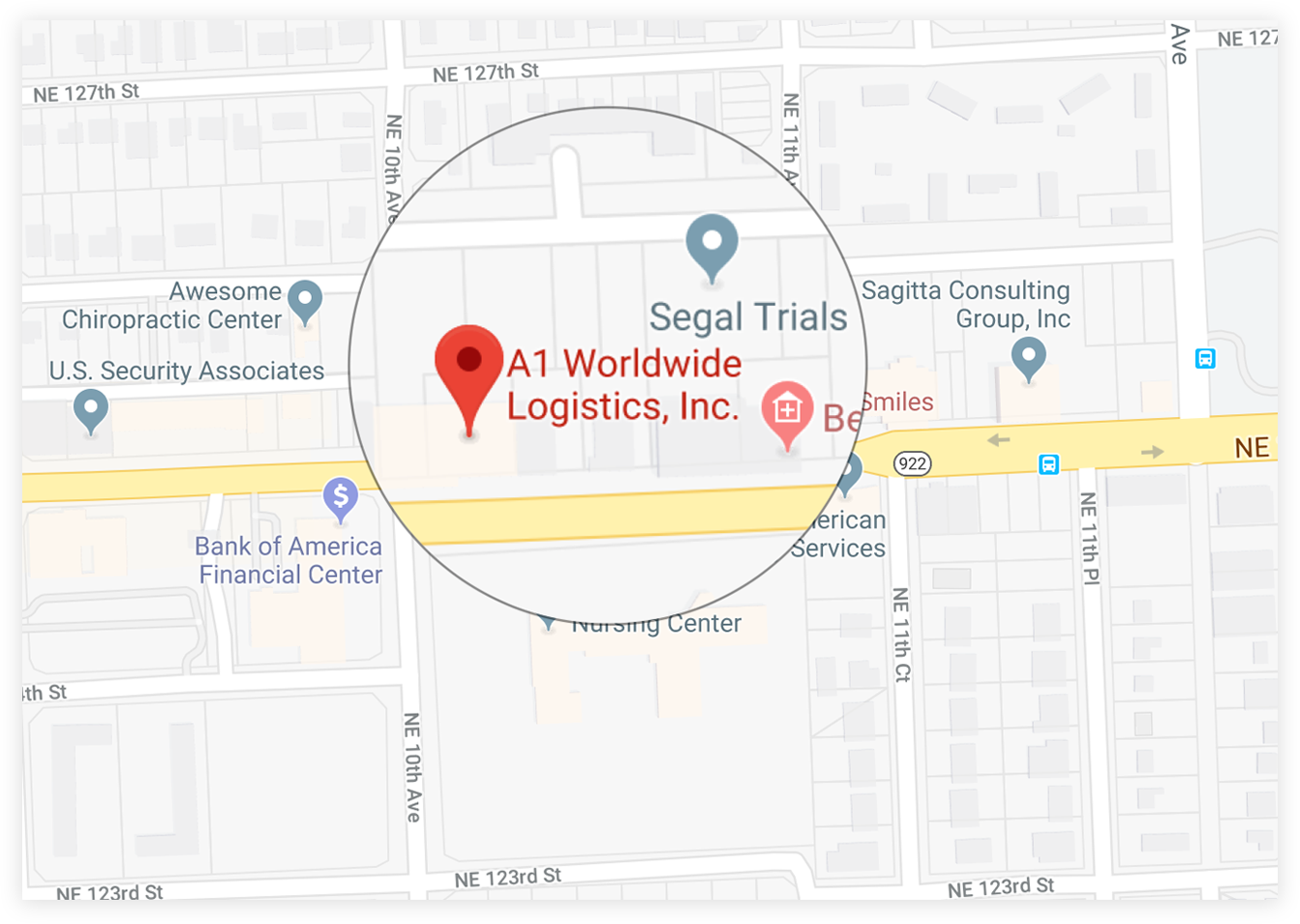
 1035 NE 125th St Suite #320, North Miami, FL 33161.
 a1worldwidelogistics.com
 (305) 821-8995
 Hours: 8AM - 5PM