
by A1 WorldWide Logistics | Dec 16, 2025 | 3PL, Customs Broker, Freight Forwarding
La logística de la moda rápida se está convirtiendo en una parte clave de las cadenas de suministro de los principales minoristas de la industria. La moda rápida consiste en la producción y el transporte acelerado de prendas económicas a gran escala. La fabricación de la ropa sigue las tendencias y lo que está de moda en el mercado. En la década de 1970, los fabricantes comenzaron a externalizar la producción a otros países, especialmente a Asia. Trasladar la manufactura al extranjero permitió a los minoristas producir ropa a bajo costo. Para finales de los años 90, el aumento del consumo discrecional impulsó el crecimiento de la moda rápida. Posteriormente, el auge de internet y el comercio electrónico llevaron este modelo de negocio a niveles sin precedentes.
¿Qué es la logística de la moda rápida?
Las empresas que utilizan el modelo de moda rápida suelen contar con cadenas de suministro especializadas, orientadas a la velocidad y la eficiencia. Inicialmente, los minoristas lanzaban nuevas colecciones unas cuatro veces al año. Sin embargo, las expectativas de los consumidores han llevado a que algunas marcas lancen hasta 36 colecciones anuales. Esta necesidad de rapidez ha impulsado la adopción de un modelo de cadena de suministro con integración vertical, en el que la empresa controla varias etapas del proceso. Esto permite tiempos de producción más cortos, mayor flexibilidad, mejor visibilidad y entregas más eficientes. Desde la fabricación en otros países hasta el transporte, generalmente por vía aérea, la cadena de suministro de la moda rápida se ha optimizado considerablemente.
Beneficios y críticas de la moda rápida
La moda rápida ha tenido éxito gracias a sus múltiples ventajas. Para los minoristas, los lanzamientos constantes atraen clientes y generan rentabilidad, además de crear empleos y fomentar el crecimiento económico. Los consumidores se benefician al tener acceso a ropa moderna y asequible, lo que les permite vestir según las tendencias sin gastar demasiado.
A pesar de estos beneficios, este modelo también ha recibido fuertes críticas.
La externalización de la producción puede dar lugar a prácticas laborales explotadoras, como largas jornadas laborales en malas condiciones y salarios bajos. Además, el impacto ambiental es significativo. El uso de materiales y procesos de bajo costo contribuye a la contaminación y a una gestión inadecuada de residuos. Los tintes textiles baratos convierten la moda rápida en uno de los mayores contaminantes del agua dulce a nivel mundial. Los químicos tóxicos y las microfibras que llegan a ríos y océanos dañan la vida animal, y el uso de combustibles fósiles para fabricar telas sintéticas contribuye al calentamiento global.
Transporte de carga por vía aérea
El transporte aéreo es uno de los métodos más utilizados para mover carga a nivel internacional. Además de prendas de vestir, muchos otros productos se envían por aire debido a sus ventajas. Una de las principales razones es el tiempo: el transporte aéreo reduce los trayectos de 20–30 días a solo 1–2 días. Esto resulta ideal para mercancía urgente o con plazos estrictos. También es un método altamente confiable, con acceso a casi cualquier destino.
Para transportar tu carga internacionalmente, contacta a A1 Freight Logistics en info@a1wwl.com o al 305-425-9752. También puedes comunicarte por WhatsApp.
by A1 WorldWide Logistics | Nov 4, 2025 | 3PL, Shipping Logistics, Supply Chain, Tariffs
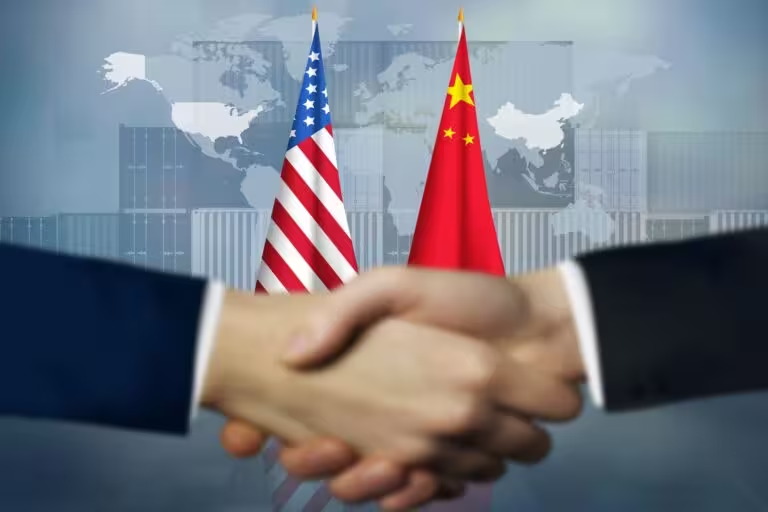
Estados Unidos y China llegaron a un acuerdo comercial después de meses de escalada entre ambos países. Ambas naciones acordaron diversos temas de comercio durante una reunión entre el presidente de EE. UU., Donald Trump, y el presidente chino, Xi Jinping.
El acuerdo se produce pocos días después de que el gobierno chino comenzara a cobrar tarifas a los barcos de propiedad estadounidense que se cargan en puertos chinos. El presidente Trump respondió anunciando un arancel del 100% sobre las importaciones chinas, medida que posteriormente revirtió.
Desde que Trump regresó a la presidencia, ha impuesto, pausado y aumentado importaciones hacia EE. UU., afectando principalmente a China. Este país respondió imponiendo sus propios gravámenes y, tras varios intercambios, los aranceles alcanzaron más del 100% de ambas partes. Posteriormente, los impuestos fueron reducidos y la reciente tregua ayudó a disminuir la tensión de la guerra comercial.
¿Qué incluye el nuevo acuerdo comercial?
El nuevo acuerdo entre Trump y Xi Jinping cubre diversos aspectos del comercio internacional, incluidos los aranceles. Según el pacto, Estados Unidos reducirá la tasa impositiva promedio sobre las importaciones chinas del 57% al 47%. Trump logrará esto reduciendo todos los aranceles relacionados con el fentanilo del 20% al 10%.
Una de las principales razones por las cuales EE. UU. impuso gravámenes a China fue para abordar la entrada de fentanilo al país. Trump también eliminó el arancel del 100% que había anunciado recientemente sobre productos chinos. Los derechos estadounidenses sobre bienes chinos se mantendrán en torno al 30%, mientras que los aranceles de China sobre productos estadounidenses permanecerán cerca del 10%.
China, por su parte, acordó flexibilizar durante un año sus controles planificados sobre la exportación de bienes como los materiales de tierras raras, que EE. UU. suele importar para la fabricación de tecnología y automóviles. Trump destacó que el acuerdo sobre tierras raras es válido por un año y declaró:
“Cada año volveremos a negociar el acuerdo, pero creo que continuará durante mucho tiempo, mucho más allá del año. Pero todo el tema de las tierras raras ya está resuelto, y eso es positivo para el mundo.”
China también aceptó aumentar sus compras de productos agrícolas y energéticos estadounidenses. Además, el gobierno chino tomará medidas más estrictas contra la exportación de químicos que puedan utilizarse para fabricar fentanilo.
¿Cómo impactará el acuerdo comercial en el transporte internacional?
China y Estados Unidos son los mayores actores del transporte marítimo a nivel mundial, por lo que un acuerdo comercial beneficiará significativamente al comercio internacional. Los altos aranceles habían incrementado los costos para los exportadores y transportistas que mueven mercancías entre ambos países.
Diferentes partes de la cadena de suministro, incluyendo al exportador, el transportista y el receptor de la carga, sintieron el impacto. La reducción de costos de importación podría aumentar el volumen de bienes que se comercian entre ambos países, impulsando sus economías. El incremento de las importaciones también podría beneficiar al transporte nacional.
Trump describió el acuerdo como un marco de un año, con negociaciones futuras para definir una hoja de ruta a largo plazo.
Prepararse para aprovechar el nuevo escenario comercial
Aunque el acuerdo comercial puede hacer más atractiva la importación y exportación desde EE. UU., los transportistas deben prepararse con anticipación. No hacerlo puede provocar interrupciones en la cadena de suministro y pérdidas económicas.
Para envíos internacionales, los exportadores pueden prepararse trabajando con un proveedor logístico 3PL (Third-Party Logistics) como A1 Worldwide Logistics. Los 3PL ofrecen una variedad de servicios para optimizar la cadena de suministro, incluyendo agenciamiento de carga, despacho aduanal, almacenamiento, y más.
Además, asesoran sobre qué esperar y cuál es la mejor estrategia para asegurar un envío exitoso.
Comunícate con A1 Worldwide Logistics al info@a1wwl.com o al 305-425-9456 para conocer nuestras soluciones 3PL diseñadas para tu cadena de suministro.
by A1 WorldWide Logistics | May 23, 2025 | 3PL, Economic trends, Importing
As tariffs continue to impact the international shipping industry, it is essential to know how to import during tariff hikes. Over the last few months, President Trump has imposed, announced, and paused numerous tariffs for imports into the U.S. Some goods affected include automobiles, aluminum, and oil, along with country-specific tariffs for Canada, Mexico, and China. Trump also imposed a 10% baseline tariff on April 2 for all countries importing goods to the U.S. Due to the volume of goods that come into the U.S., the tariffs have already impacted countless supply chains. This article will explain what to expect and give ideal steps to prepare when importing during tariff hikes.
Why Is It Important To Know How To Import During Tariff Hikes?
Knowing how to import during higher tariffs is crucial because of the consequences of not being prepared. The most significant impact of tariff hikes is that overall costs could skyrocket for different parts of a supply chain. In addition to importation, this can also include domestic shipping to move the goods to the final destination. As a result, a shipper’s profit margin can significantly decrease. If the shipper has customers, the higher costs will fall on them, which could strain relationships. Understanding how to import is also necessary to make an informed decision regarding your shipment.
How Should You Prepare?
Before deciding to import, a shipper must know the importation process for bringing goods to the U.S. Not knowing can lead to extra costs and tariff hikes. This can include understanding the rules and regulations for your imported cargo. A shipper must also understand the documents that they may require for importation. Some examples are the bill of lading, packing list, certificate of origin, arrival notice, commercial invoice, etc. The importer must correctly fill out the paperwork to avoid the cargo staying at customs and extra charges. With Trump implementing various tariffs, it is increasingly vital to classify goods correctly under the HTS (Harmonized Tariff Schedule).
The HTS is a system for classifying goods that use codes to determine the correct tariffs. Shippers have found other ways to prepare for tariff hikes, such as importing from different countries. An example is importing from Vietnam or Thailand instead of China, which has higher tariffs. Many supply chains are even reshoring production back to the U.S. to avoid the tariff hikes. There could be other issues with reshoring, including the costs associated with moving manufacturing. Shippers must also stay updated with news regarding the changing tariffs by checking news reports or online articles.
A1 Worldwide Logistics
When importing during tariff hikes, it is increasingly essential that you take the proper steps to protect your shipment. Failure to prepare can result in monetary loss and even loss of cargo. It can be especially adverse if the importer has customers expecting the goods. Another way to prepare is by contacting a 3PL (Third-Party Logistics) provider like A1 Worldwide Logistics. 3PLs provide various supply chain logistics services, including international and domestic shipping, customs clearance, warehousing, and more. They also educate shippers on the best course of action to take to avoid disruptions like tariffs. Reach A1 Worldwide Logistics at info@a1wwl.com or 305-425-9752 to learn about our solutions for ensuring your shipment’s success.
by A1 WorldWide Logistics | Jan 3, 2025 | 3PL, Economic trends, Shipping Logistics
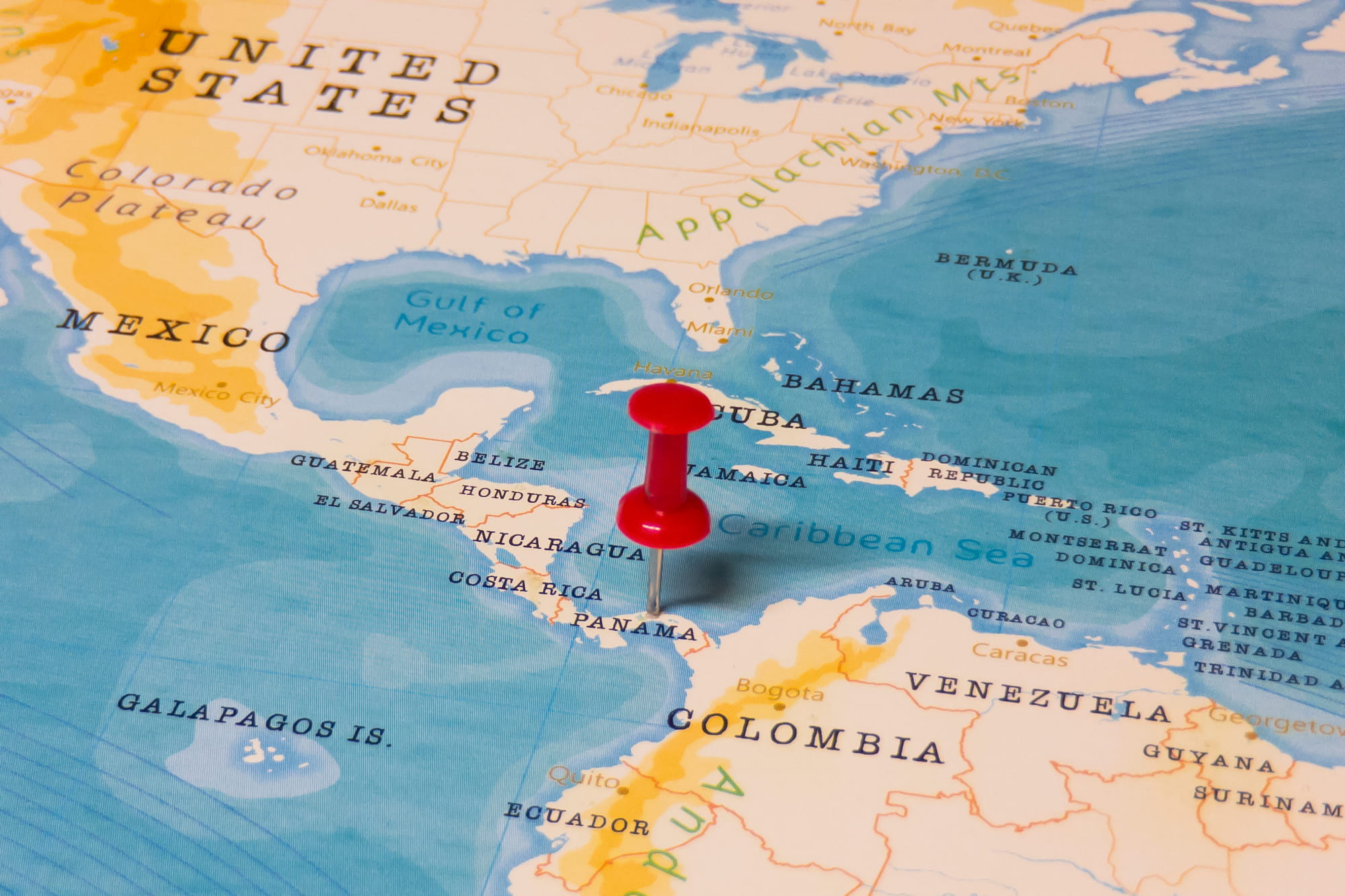
In recent social media posts, it has become clear that President-elect Donald Trump wants the Panama Canal. Trump announced that he would demand that Panama hand over its canal to the U.S. due to the “ridiculous” fees. Rates for vessels passing through have recently increased, driven by a severe drought. Since the U.S. is the primary canal user, they have faced the most significant impact. Originally a U.S. territory until 1999, the handover was a sign of Panama’s sovereignty and a vital economic symbol. Threats to overtake the canal can result in conflict between the two countries and disruptions in global trade.
Why Trump Wants The Panama Canal
One of the primary reasons why Trump wants the canal is because of the fees that Panama is charging. He believes the country imposes excessive rates for U.S. vessels to pass through. Along with costs, Trump has also cited concerns over the canal’s management and importance to the U.S. There have been growing concerns about Panama allowing Chinese soldiers to take control of the canal as well. China is the second largest canal user after the U.S., and Trump believes the country wants more significant influence. A fear is that China could embed surveillance in the canal’s infrastructure, giving critical insight into the U.S.’s logistics.
At a conference, Panama’s President Jose Raul Mulino noted that the canal belongs to his country. Mulino rebuked Trump’s claims, stating that Panama’s sovereignty and independence were non-negotiable. In the news conference, he replied, “There are no Chinese nor any other world power at the canal.” Mulino stated that experts consider factors like supply and demand when determining vessel fees. Despite the threats to take back the canal, various legal obstacles can get in the way. For example, the Neutrality Treaty states that a move to take control of the canal will breach international law and damage U.S. relationships with Latin America.
The Canal’s Importance For International Shipping
The international shipping industry considers the Panama Canal a critical cornerstone for global freight movement. It accounts for 6% of global maritime trade and 40% of annual U.S. container traffic. Due to its strategic location, it’s ideal for connecting major global markets between Europe, Asia, and the Americas. Before the canal, shipments took longer journeys along the southern tip of South America instead of the shortcut. With its importance, Trump considers the canal a critical national asset for the U.S. The canal impacts the U.S. economy, with numerous industries relying on it for swift and money-shipping shipping routes.
Being current with any situation impacting your shipment is vital when shipping goods globally. It helps the shipper take the necessary action to avoid potential delays or other unfavorable circumstances. Shippers can also benefit from using the assistance of a third-party logistics (3PL) company. 3PLs are service providers that handle various parts of a company or individual shipper’s supply chain. Some of the parts that they handle include customs brokering, international and domestic shipping, warehousing, and more. They also give the best course of action to ensure the success of your shipment. Contact us at 305-440-5156 or info@a1wwl.com to speak to a 3PL provider regarding shipping your cargo internationally.
by A1 WorldWide Logistics | Aug 15, 2024 | 3PL, Economic trends, Supply Chain
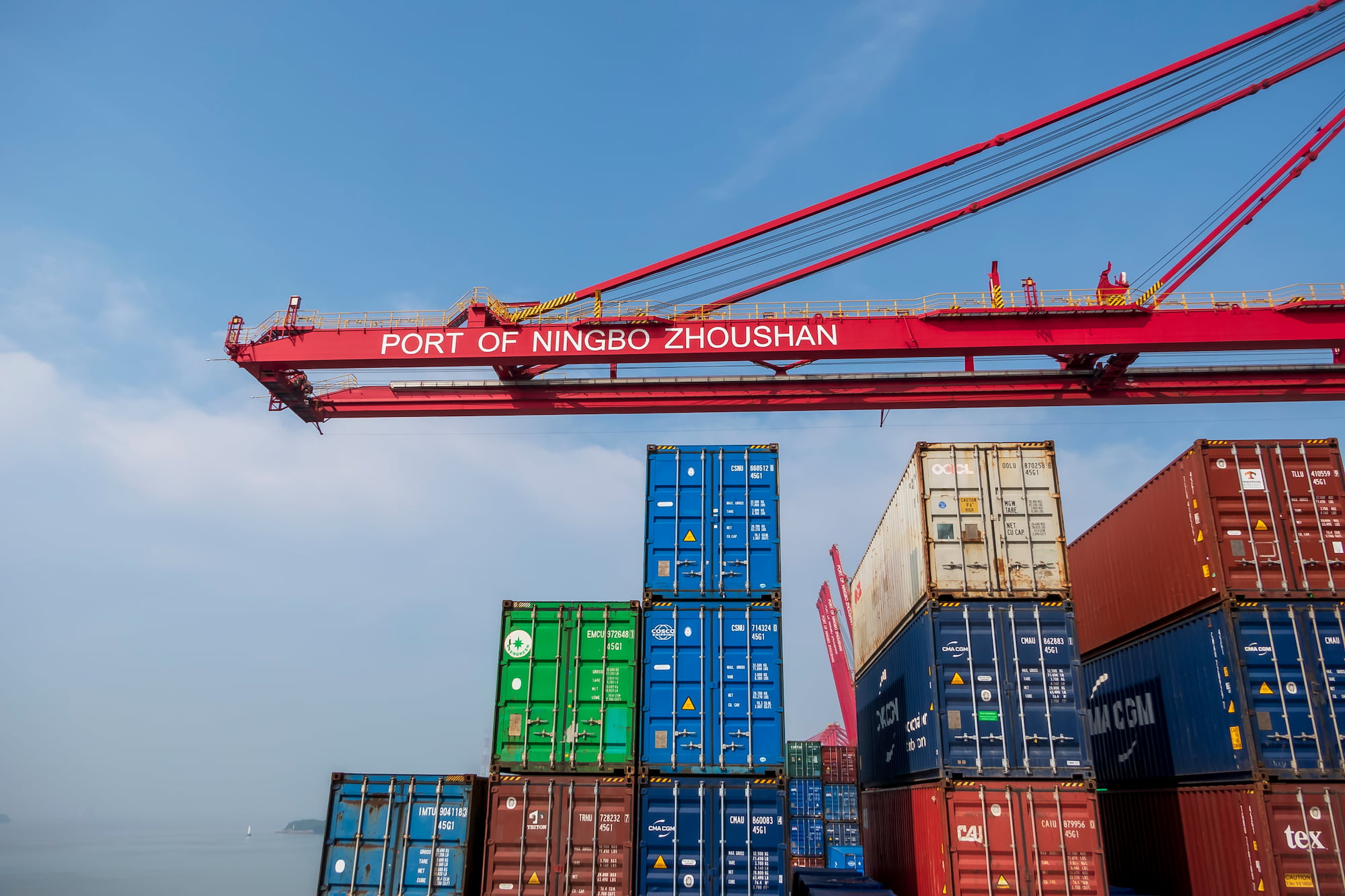
On August 9th, an explosion at Ningbo port halted traffic at the shipping terminal. While a vessel carrying hazardous organic peroxide materials was arriving at Beilun Phase III Terminal, it exploded. The vessel owner has recently reported that the fire is under control, and members on board are safely evacuated. Officials reported no injuries by the blast, but terminal operations are closed until further notice. Ningbo is China’s second largest container port, responsible for more than 100,000 TEUs (twenty-foot equivalents) yearly. In 2023, the port had a volume of 33.35 million TEUs. While the cause of the incident is still under investigation, it may have significant implications for international shipping.
What Does The Explosion At Ningbo Port Mean For Shipping?
Due to the Ningo port’s size, a terminal’s closure may impact many supply chains. The effects could grow with international shipping at the start of the peak season. Peak season is a time of the year when exporters move the most cargo domestically and internationally. A significant consequence of the closure is nearby port congestion resulting from the closed terminal. Port congestion has increased over the past year due to various situations. For example, scenarios like the Iseral-Hamas conflict, the Ukraine-Russia war, and the Baltimore Key bridge collapse grew congestion globally. A typhoon in east China in July 2024 also impacted nearby supply chains.
Another effect of the carrier explosion is that delays in shipments may rise. The delays may not only come from the rerouting of vessels but also from a scarcity of container availability. Trans-Pacific trade lanes moving freight out of Asia may feel most of the impact. Container rates have been rising since the start of 2024 and could continue to surge. Along with the terminal shutdown creating scarcity in available containers, the shipping industry has just entered the peak season. Despite the potential effects, freight analysts believe the situation will not significantly impact the market.
How Can Shippers Prepare?
With the explosion potentially impacting supply chains in international shipping, shippers must be ready. Before deciding to move cargo, exporters must be up to date with any situation that may affect their shipment. Shippers can do this by continuously monitoring news reports for updates. They must prepare for extended delays and deterioration of ocean schedules. Shippers can also prepare by looking for alternative routes or ports to move their cargo. During the Iseral-Hamas conflict, carriers responded to the situation by rerouting through the Cape of Good Hope in South Africa. Another solution is to look for other methods of conveyance, like land or air.
While shipping during disruptions may be daunting, It should not stop you from moving your freight. An ideal way to prepare against any scenario is by getting the assistance of a 3PL (Third Party Logistics) provider. 3PLs offer numerous services for transporting cargo while determining the best course of action for the shipper. They are also with you throughout the shipping process until the goods reach their final destination. Call A1 Worldwide Logistics at 305-440-5156 to speak to a 3PL provider regarding the transport of your cargo. Along with International shipping, we provide solutions like importing, freight forwarding, and more to ensure your supply chain’s success.
by A1 WorldWide Logistics | Aug 1, 2024 | 3PL, Shipping Logistics, Supply Chain
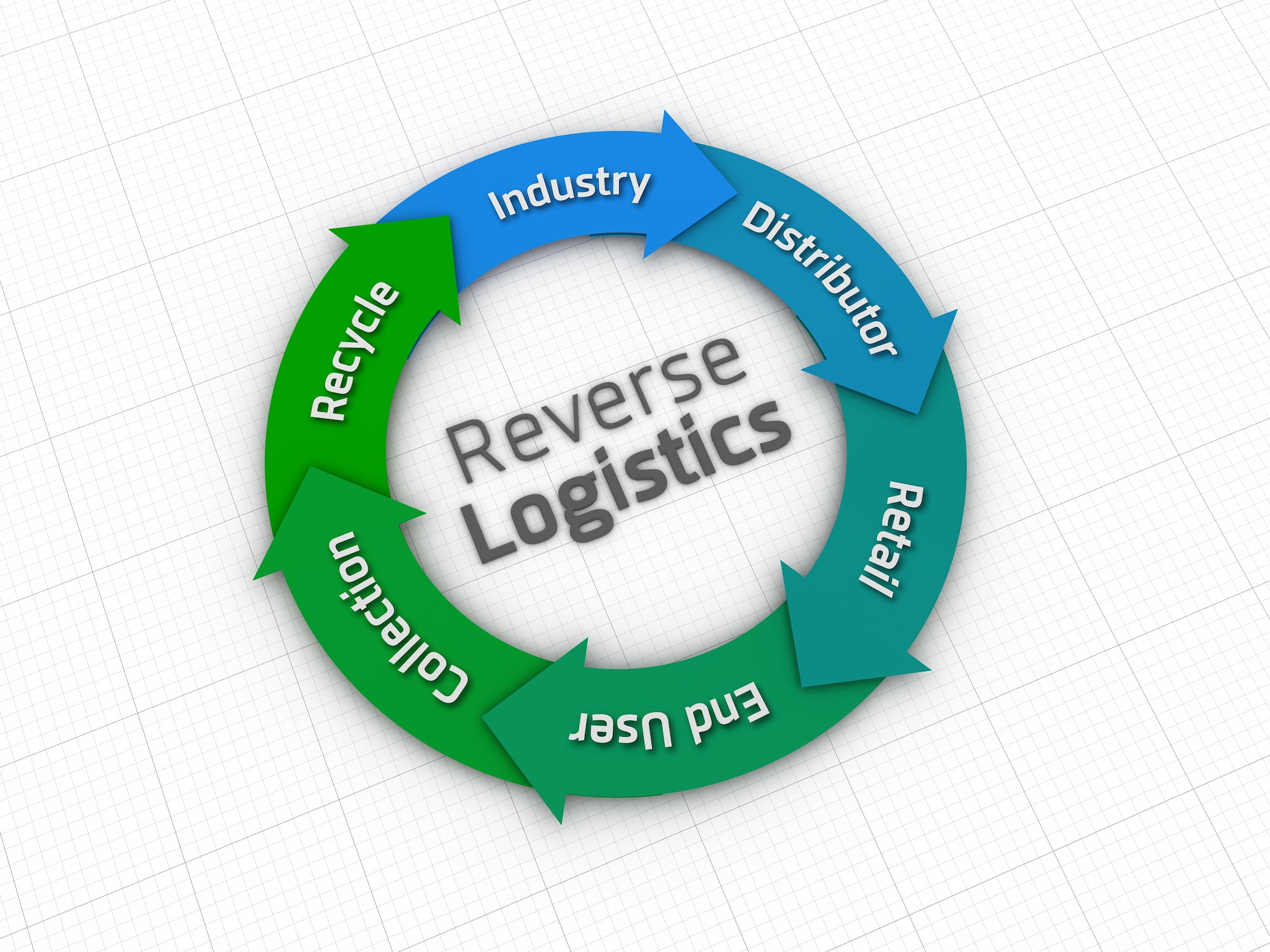
When shipping cargo internationally, it is essential to understand what are reverse logistics. Reverse logistics is the process of returning products from end customers back to the manufacturer or seller. It starts at the end customer and can end at the manufacturer’s warehouse or facility. Similar to the traditional supply chain, it has its challenges and benefits. The recent growth of the e-commerce industry has increased the need for reverse logistics, with product returns becoming more common. Omnichannel retailing, where a business uses multiple connected channels to reach the customer, also increases the importance of returns. Due to its growing popularity, 3PL providers have also adopted reverse logistics in their services.
What Are Reverse Logistics And Why Do Customers Return Cargo?
As previously mentioned, reverse logistics is the supply chain that involves moving the cargo back to the seller. While there are various reasons why reverse logistics occurs, the five primary R’s include:
Returns – One of the most common reasons for reverse logistics is to return cargo. Returns could be for various reasons, including damaged, defective, or goods that fail to meet expectations. The process can involve receiving, testing, inspecting, tracking, etc.
Recalls – A more complex form of return is a cargo recall. Recalls happen when a significant portion of a product is defective or poses a potential hazard. They commonly occur for items like high-tech devices with faulty electronics, and the products may face government regulations.
Repairs – If the damage to the freight the customer is returning is not severe, they may go directly to repairs. The company then identifies the issues, re-manufactures the product, and returns it to stock. For end-of-life products, the company can reuse various functional components.
Replacements – When customers buy an incorrect item, they may want to replace it instead of refunding it. Companies offering this service tend to have advanced fulfillment centers that can quickly pick out and replace the cargo.
Recycling – A more recent use of reverse logistics is for more sustainable practices like recycling. To promote environmental friendliness, customers and companies have placed greater importance on adequately disposing of goods. Various industries have also pushed towards sustainability.
How Is 3PL Used In Reverse Logistics?
Along with the growing importance of reverse logistics, shippers have used 3PL (Third-Party Logistics) providers for these services. Smaller to mid-sized businesses that move goods internationally, in particular, tend to use a 3PL provider for their reverse logistics. The reason is due to the numerous benefits that using a 3PL can offer. For example, they can provide fast and easy returns since 3PLs tend to have a network of carriers and warehouses. This means that the chances of a successful cargo return are high due to the available resources. 3PL providers can also provide expertise and knowledge since their primary purpose is to streamline a supply chain.
Another benefit of 3PLs for reverse logistics services is that it allows for scalability. 3PL providers can scale operations to meet changing demands. Handing reverse logistics services to a 3PL allows a company to focus on other aspects of its business. Contact A1 Worldwide Logistics at 305-425- 9456 or info@a1wwl.com to learn about our logistics services for transporting your shipment. Along with shipping, we provide services like warehousing, importing, trucking, and more to ensure the success of your supply chain.

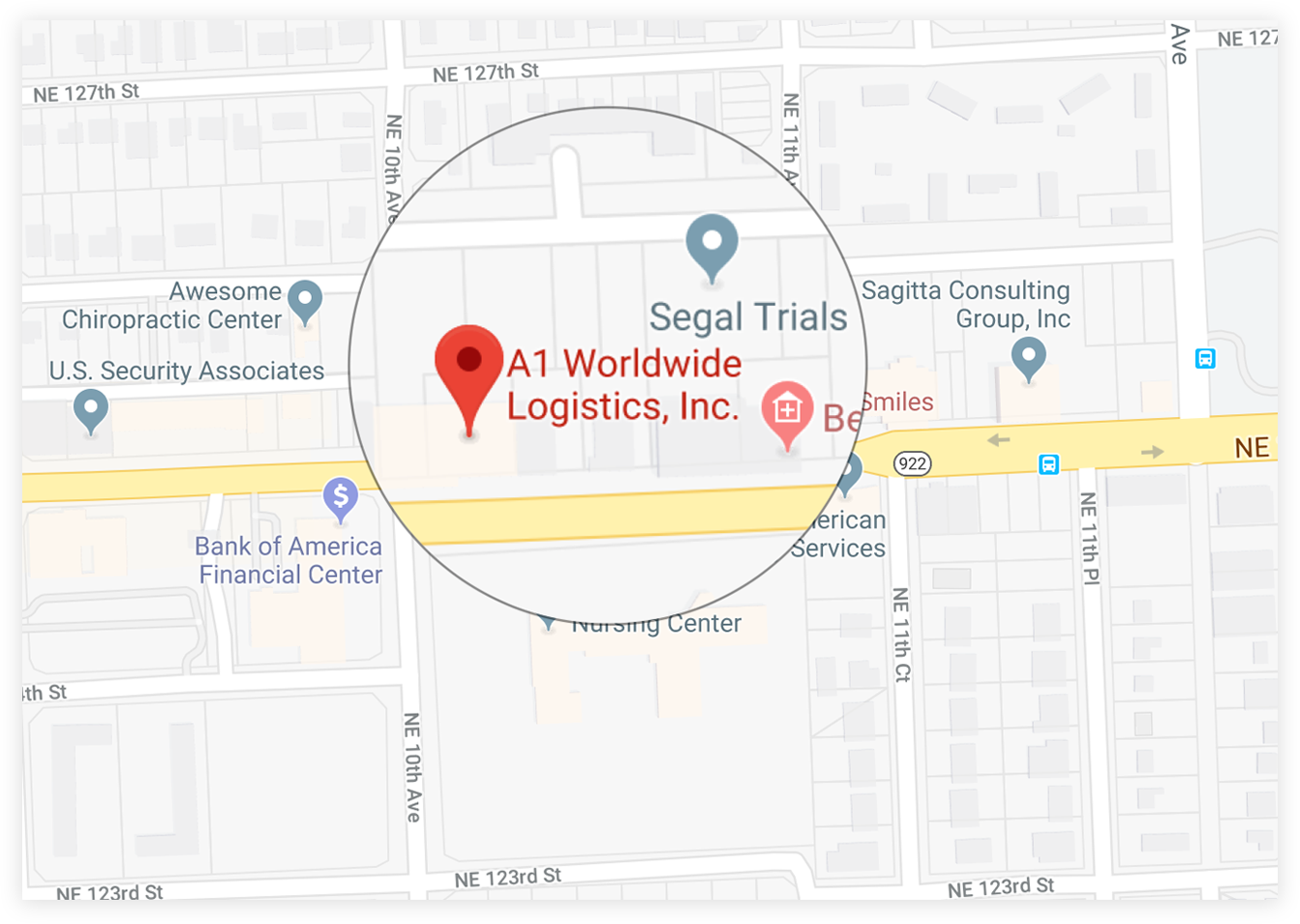
 1035 NE 125th St Suite #320, North Miami, FL 33161.
 a1worldwidelogistics.com
 (305) 821-8995
 Hours: 8AM - 5PM