by Rob Simmons | Mar 26, 2021 | Customs Broker, Customs Broker Miami, Customs Clearance, Freight Forwarding, Supply Chain
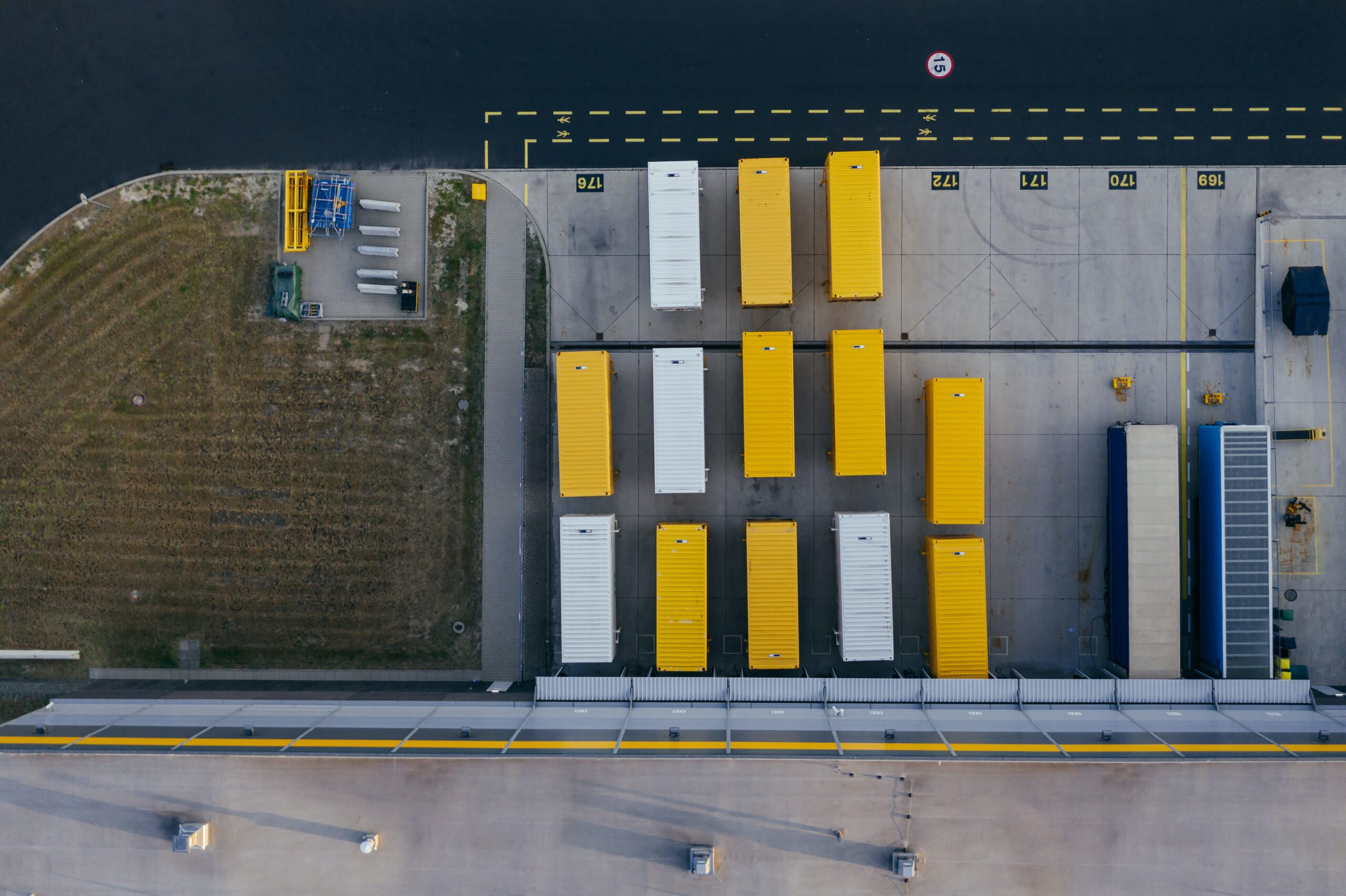
Since the middle of last year, vessels sales have seen a steady increase. In correlation, shipping stocks from container and dry bulk sectors have also seen growth with tankers following the trend in early February of this year. While some believed that the stocks would slow down due to the coronavirus, more people bought goods that were shipped overseas internationally, which raised the demand for ships to move the freight and rose the prices of shipping stocks. That growth has accelerated even more in early February with several stocks from the dry bulk and tanker sectors reaching an over 30% increase.
How Does the NAV Correlate to the Shipping Stocks?
The net asset value can be described as the value of a company determined by subtracting the total asset value by the liabilities. Shipping stocks have tended to trade at a discount relative to the NAV over the past decade. Likewise, the asset value of the ships also tended to be greater than the rate to charter a ship. This meant that the value of the actual ships was higher than the value they were trading for on the market. Recently, the opposite effect happened where the rate for chartering a ship was higher than the asset value of the ship, which may explain why the shipping stocks rose in early February.
Potential Reasons for the Increase
A theory proposed for the sudden rise in shipping stocks in early February is that retail investors may have run up the price of the stocks similarly to how the price of the GameStop stock rose in January but not to that extent. Another theory is that stockholders are predicting that a global economic recovery may happen later this year. With various vaccines being rolled out at a remarkable rate and restrictions slowly being lifted, investors are preparing to take advantage of the profit opportunity.
A Sign of Things to Come
The coronavirus pandemic causes an economic shutdown and a halt to businesses globally. Over a year after the pandemic was announced, we are still feeling the effects around the world. Many could believe that we are at the beginning of an upturn. It is interesting to note that compared to other shipping stocks, tankers tend to do poorly but have been performing well recently. The purchasing of stocks in the tanker sector has increased alongside dry bulk and container sectors for the first time in over a decade. The growth of Shipping stocks may be a leading economic indicator showing a return back to normalcy.
A1WWL
The world of international shipping may sometimes be tricky without the right guidance or information. If you need assistance with your shipment or want to know more about shipping freight by means of the vessel, contact us at 305-821-8995.
by Rob Simmons | Mar 5, 2021 | Customs Broker, Customs Broker Miami, Customs Clearance, Freight Forwarding, Shipping Logistics, Supply Chain
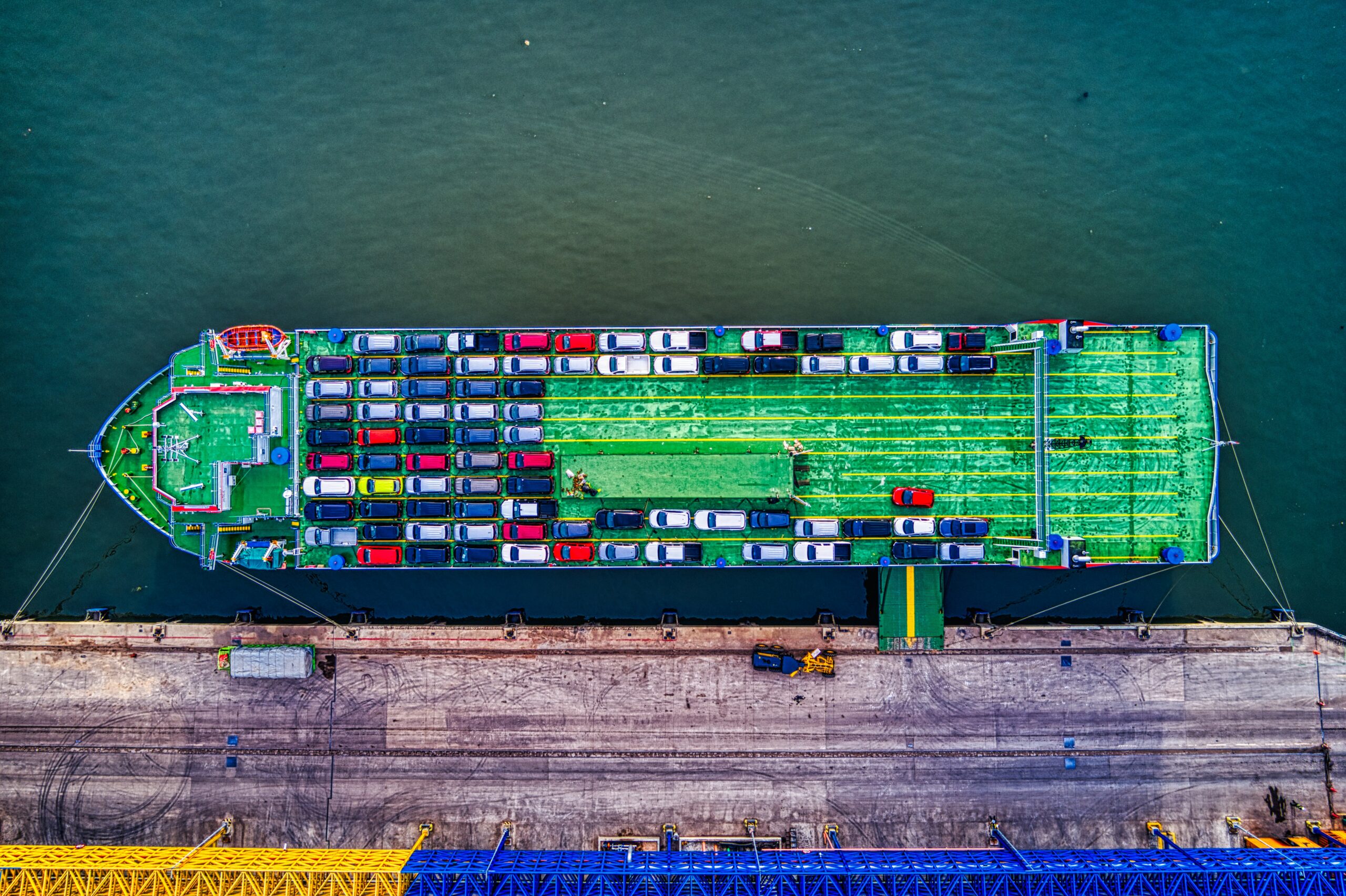
A recent trend that has popped up in the last few decades is the invention of 3D printing. Instead of printing a 2D picture into a piece of paper, 3D printing is when the picture is printed as a solid object. With all of the potential growth that it may have for the logistics industry, it may also have a negative effect.
Positive Impact on the Logistics Industry
Since logistics are the obtaining, manufacturing, and distributing of goods to the public, 3D printing can potentially simplify this process. This is because the products could be produced directly, near a company’s office instead of being brought in from a different country. Time and capital are saved, and the company has greater control over the manufacturing of the goods. This also means that the supply chain itself may become faster.
Greater customization is also possible since the goods are produced digitally and can be individualized for the customer. Another positive result of 3D printing is that the waste created from the production of a product will be reduced. Regular manufacturing tends to leave out excess waste but since 3D printing uses the necessary amounts of materials such as synthetic resin and plastic, no material is left unused. And on a large scale, this can be greatly beneficial to the environment. The need for warehouse storage can also be reduced since the production of goods can be on-demand or when needed.
Negative Impact on the Logistics Industry
A section of the logistics industry that may be negatively impacted is the freight forwarding industry. The job of a freight forwarder is to coordinate the shipment of goods internationally and this can change with 3D printing. Many of the goods that are produced today out outsourced from different countries. Since 3D printing allows for direct insourcing of a good, the number of freight forwarders can decrease. Similarly, the number of customs brokerages may be lowered because goods produced inside their own country do not necessarily have to go through customs.
Having to go through customs is also important for security reasons because one task of a customs official is to look for potential threats to a product. Since 3D printing allows for insourcing, certain safety requirements may be overlooked. Although 3D printing is growing, it is not sizable enough for the mass production of goods and products. The method of having goods produced overseas and being brought over with the assistance of a freight forwarder may still be favorable if your company produces a large number of goods.
by Rob Simmons | Feb 26, 2021 | Customs Broker, Customs Broker Miami, Customs Clearance, Delivery, Freight Forwarding, Shipping Logistics, Supply Chain, Transportation
Sometimes referred to as hazmat, a shipping hazardous material can be described as any material that may pose a potential threat to safety, health, and the environment. Because of this, there are specific regulations that have to follow when shipping these types of goods. The rules may differ relative to the method of conveyance, but we will focus on air and ocean freight.
Shipping by Ocean
The International Maritime Organization sets the safety and security measures for international freight moving across the ocean. The IMO categorizes hazardous goods into various classes and some of the classes are grouped further into divisions with the class. For example, class 2 contains dangerous gasses and division 2.2 contains non-flammable gasses. Along with the typical documents that are required when shipping freight internationally, additional information such as the declaration of hazard goods, classification, and emergency phone numbers are needed for shipping HAZMAT.
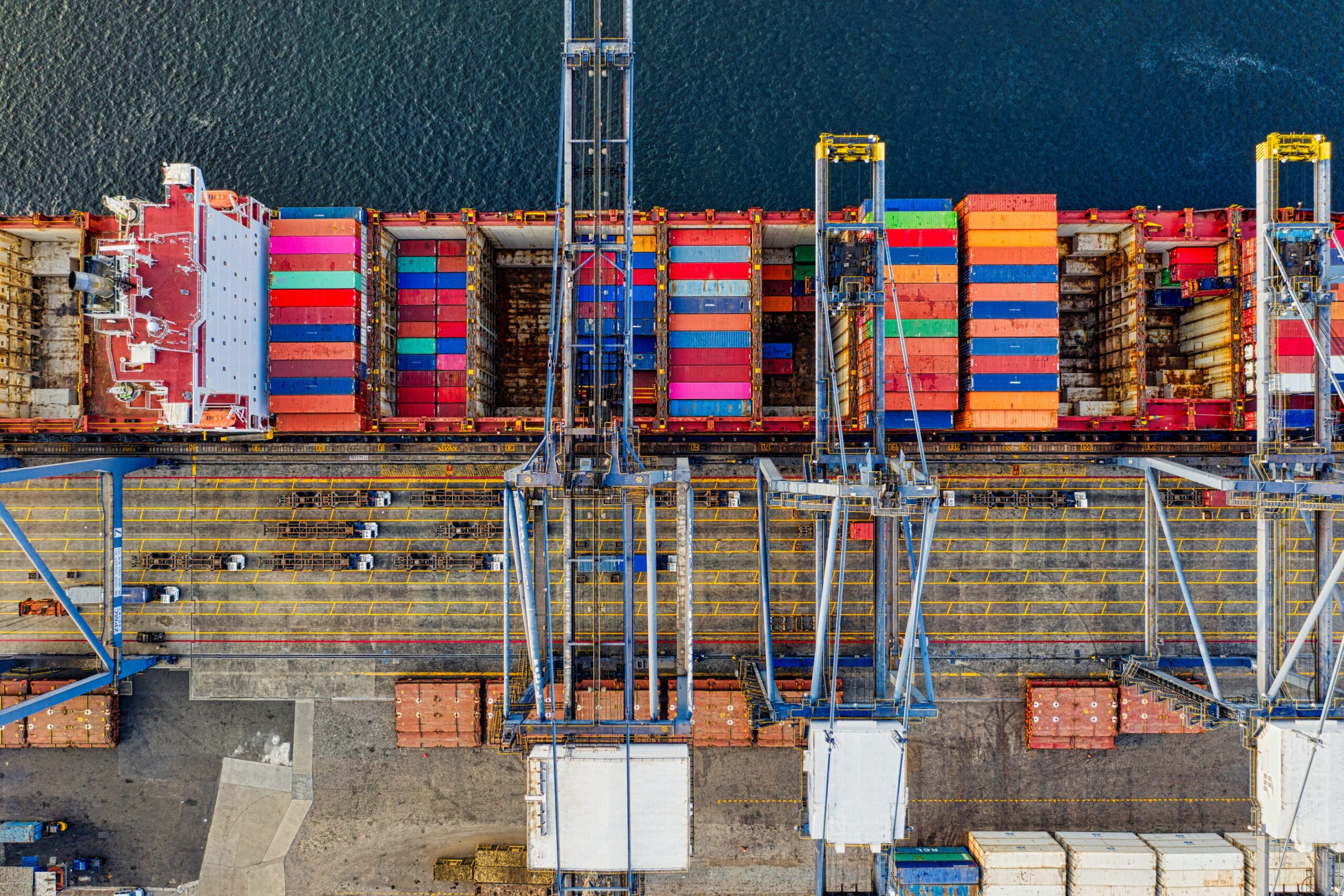
When the hazardous freight is transported on the ocean, it may be in a large bulk which requires that the handling of the freight is very distinct. This can mean that that the HAZMAT cargo is separated from the rest of the cargo. The workers on the ship may have to report the details of the goods to the maritime authorities before entering the destined port.
Shipping by Air
The International Air Transport Association is responsible for setting the regulations for safety for transporting goods by air and similar to the IMO, has classifications that the hazardous goods being transported fall into. To verify if your freight is hazardous acquire a Safety Data Sheet (SDS) which can usually be obtained by the manufacturer of the goods being shipped.
When transporting, the packing is set into various groups from 1-3 depending on how much packaging is required with 1 being the highest amount. Supplementary info is also needed for hazardous airfreight and the goods may not be allowed on the aircraft if the authorities do not have proper documentation.
A1 Worldwide Logistics
Navigating the world of international freight may sometimes be challenging, even more so if you plan on transporting hazardous goods. If you want to understand the necessary requirements or are planning on shipping materials that would be considered hazardous, contact us at 305-821-8995 to help you out.
by Rob Simmons | Feb 24, 2021 | Customs Broker, Customs Broker Miami, Customs Clearance, Delivery, Freight Forwarding, Shipping Logistics, Supply Chain, Transportation
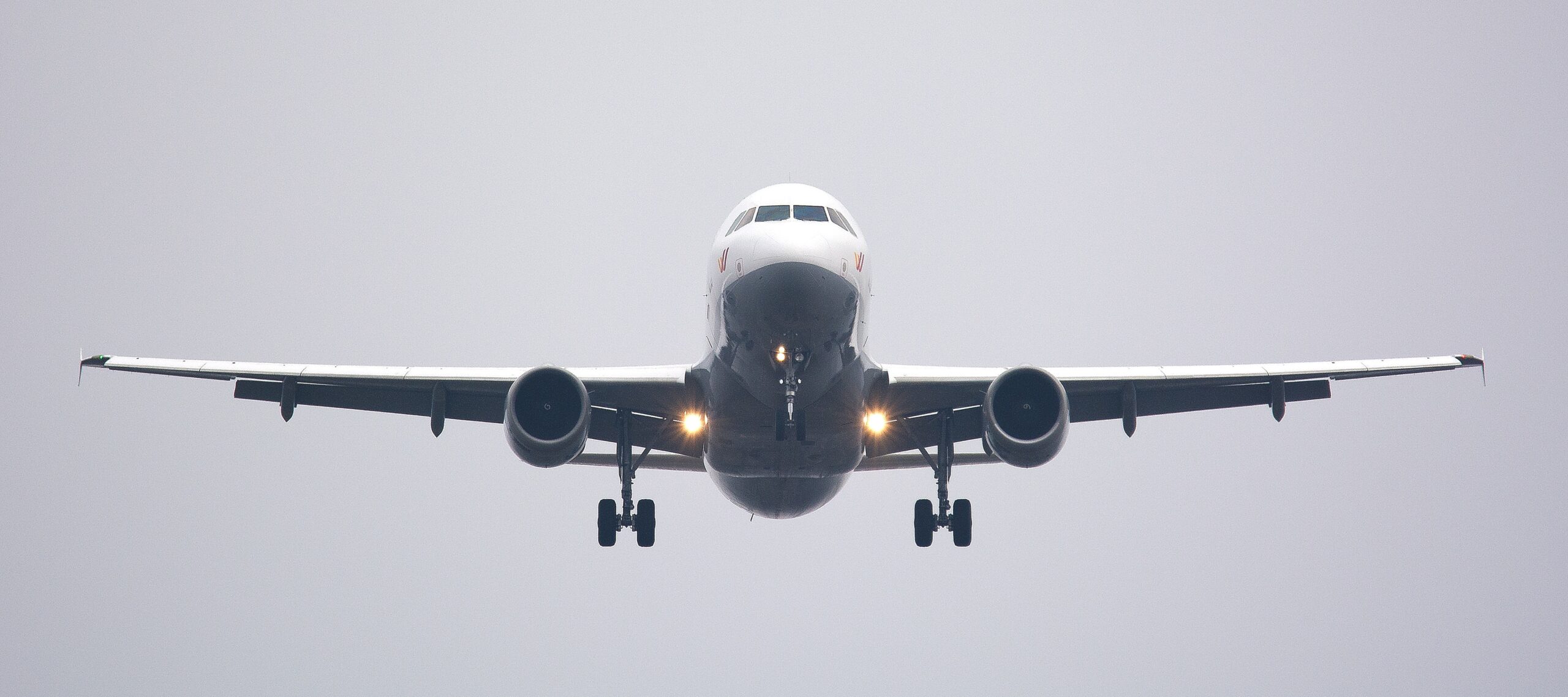
CMA CGM is known as one of the leading shipping companies which ship to 420 different ports around the world. Recently with the purchase of four A300-200F freighter aircraft, CMA CGM will begin the launch of its air cargo division. This acquisition will add to CMA CGM’s already wide reach by providing transferring of goods by air. In a time where businesses are looking for suitable and more accommodating approaches for moving goods around, this branch will offer an answer to many challenges in freight forwarding.
CMA CGM
Since its beginnings, CMA CGM has always been known as a company that moved freight by ocean and land. It soon became world-renowned for its shipping services and is currently the fourth largest shipping company in the world. In 2020 it was announced that CMA CGM bought a 30% stake in DUBREUIL Aero which is an airline company located in France. The reason being was to create a working relationship between the two companies and to give CMA CGM entry into the air freight sector.
When the buying of the four Airbus A330-200F aircraft was revealed, it was simultaneously made public that CMA CGM would create an air cargo division. The addition of its air division and its partnerships with several airlines will lead to the cultivation of a new area of logistics for the company.
Why Air Cargo?
Air Cargo can be considered a convenient method of conveyance for moving freight because of the quickness of time that it takes to transfer the good to the allocated location. Also, when cargo is transported by air there is a wide range of locations that it can be delivered to. With the increasing need for quick and easy logistics solutions by clients, CMA CGM understood that it needed to grow to meet the needs of its customers.
What does this mean?
Importantly, it paves the way the way for potential growth of not only the company but the industry as a whole. In January of 2021, Amazon bought its first aircrafts after leasing them since 2016. Currently, Amazon plans on having a fleet of over 70 by the end of 2021. Although CMA CGM never leased an aircraft, this purchase can be the beginning of a larger expansion and may possibly resemble Amazon’s fleet one day. With the world becoming more interconnected, many other shipping companies may follow along and open the door to a possibility of new alternatives to moving freight around the globe.

by Rob Simmons | Jan 29, 2021 | Customs Broker, Customs Broker Miami, Customs Clearance, Freight Forwarding, Shipping Logistics
Known for being one of the leaders in e-commerce, Amazon may be seen by many as a convenient way of buying goods that are delivered in a timely manner. Recently it has been announced that Amazon has bought 11 Boeing 767-300 aircraft. The plan is for these aircraft to be converted to freight carriers which will not only increase the airfreight capacity but also shorten the time of delivery. This will also help Amazon honor its motto of one-day delivery more smoothly.
Amazon Air
In 2015 Amazon launched Amazon Prime Air but shortened its name to Amazon Air in 2017 to distinguish itself from Amazon’s drone delivery. Since its start in air operations, Amazon would lease planes from different companies but in 2020 it bought its first planes from WestJet. The difference between Amazon Air and their previous method of using air as a conveyance for freight is that there is no dependence on 3rd party logistics for delivering cargo. This meant that Amazon had more direct control over its supply chain.
Why the Sudden Purchase?
In the year 2020, the travel business experienced a hit due to the coronavirus pandemic. Restrictions on flight and people not traveling for safety reasons led to losses of funds for airlines. Various airlines reacted to this by removing several aircraft from their services. At the same time, online shopping increased substantially because of the pandemic. Knowing this, Amazon took advantage of the situation and purchased the aircraft to turn them into freight carriers.
Amazon air currently has a fleet of 66 air crafts but with the purchase of the Boeing 767-300’s plus a previous announcement last June that Amazon plans on leasing 12 aircraft from the Air Transport Services Group (ATSG), the total amount of carriers may exceed 80 by the end of this year. The idea is that by 2027, they want the total fleet to grow to 200. Amazon’s land delivery system is not as large scale compared to UPS or FedEx. Despite this, Amazon Air’s network of planes and hubs may one day develop to resemble the land delivery system of those companies.
What Does the Future Hold?
With Amazon continuously growing, this air carrier purchase is a small component of their plan for expanding operations. Amazon Air currently transports cargo to dozens of airports in the U.S. with its main hub located in Cincinnati/ Northern Kentucky International Airport. However, in November of 2020 Amazon Air opened an international hub in Leipzig/Halle Airport in Germany. which is the first of its kind. Amazon plans on opening several different air hubs in the future, widening its reach to deliver fright in a more accelerated time than before. If you have freight that needs to be transported internationally and needs help with the logistics, give us a call at 305-821-8995 or email us at info@a1wwl.com.
by Rob Simmons | Jan 28, 2021 | Customs Broker, Customs Broker Miami, Customs Clearance, Freight Forwarding, Shipping Logistics
Have you ever gotten a notification saying that your cargo has been rolled? When a cargo has been rolled, the vessel that it was supposed to be loaded on rejected the freight for various possible reasons. This can disrupt the freight forwarding process by having the shipment arrive at its final destination at a later time than expected. When this happens, the following available carrier takes the cargo but there is a small possibility that the freight may be rolled off that vessel as well.
Recent Cargo Rollovers
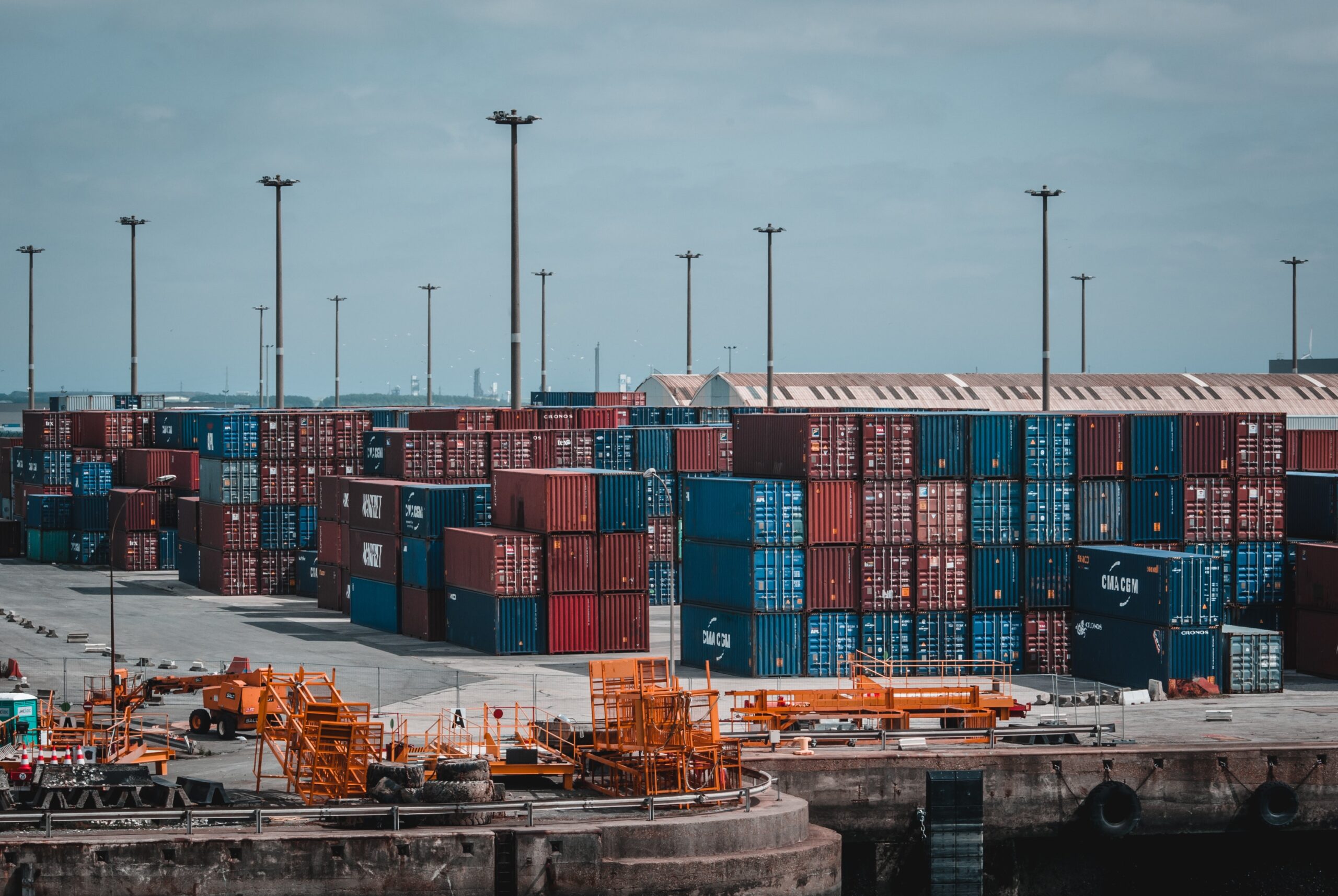
Ocean ports around the world have been experiencing rolled freight due to the high volumes of cargo. In December of 2020, certain ocean carriers rolled close to half of the cargo that was scheduled for delivery. With the holiday season with coronavirus making goods being ordered online more convenient, we have an unprecedented number of shipments being made. The issue is that this is also leading to a record amount of rolled freight. Which may not look favorable to the manufacturers, carriers, and receivers of the shipment. However, the amount of rolled cargo is anticipated to drop in the coming months.
Why Do Cargo Rollovers happen?
Numerous aspects can impact your cargo not being loaded on its designated vessel. One of the more common situations is that there is no space because the vessel has already been overfilled with containers. The freight carrier itself also may have a technical problem and might have to be worked on. Another occurrence that can happen is that the pathway of the vessel can change and miss the port completely. This happens due to a vessel being behind its schedule or bad weather by the port.
How to be Prepared?
While there are those circumstances that cannot be controlled, there are ways to be better prepared in the scenario that your cargo gets rolled. Reserving your shipment to an earlier date may help mitigate your shipment from coming in late, even if your freight is rolled. If the situation is because of issues with paperwork, having a customs broker can assist you with the process. We at A1 Worldwide Logistics not only have customs brokers to help with customs clearance, but we also provide freight forwarding solutions for unexpected situations occurring. Give us a call at 305-821-8995.

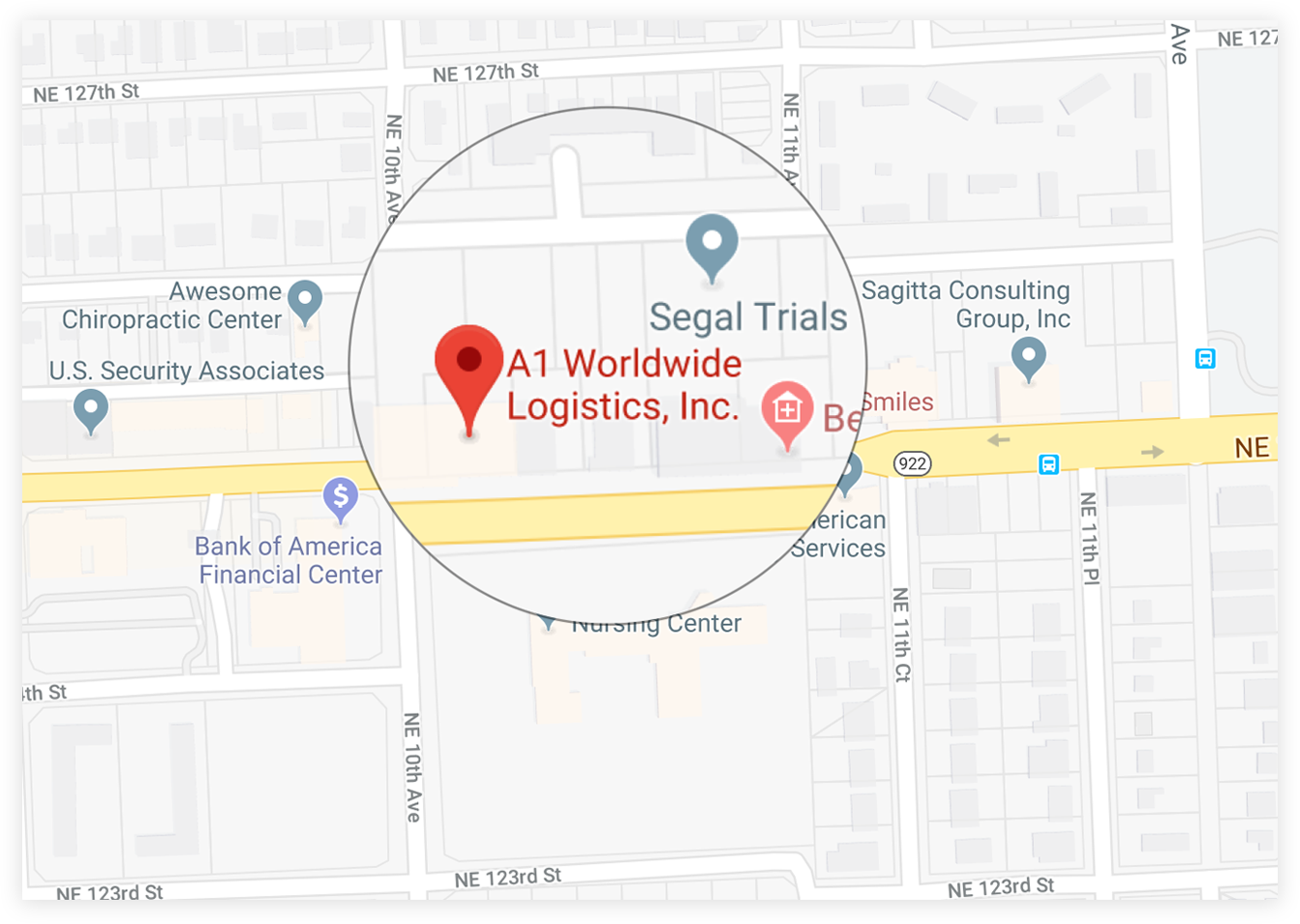
 1035 NE 125th St Suite #320, North Miami, FL 33161.
 a1worldwidelogistics.com
 (305) 821-8995
 Hours: 8AM - 5PM