by A1 WorldWide Logistics | Jan 3, 2025 | 3PL, Economic trends, Shipping Logistics
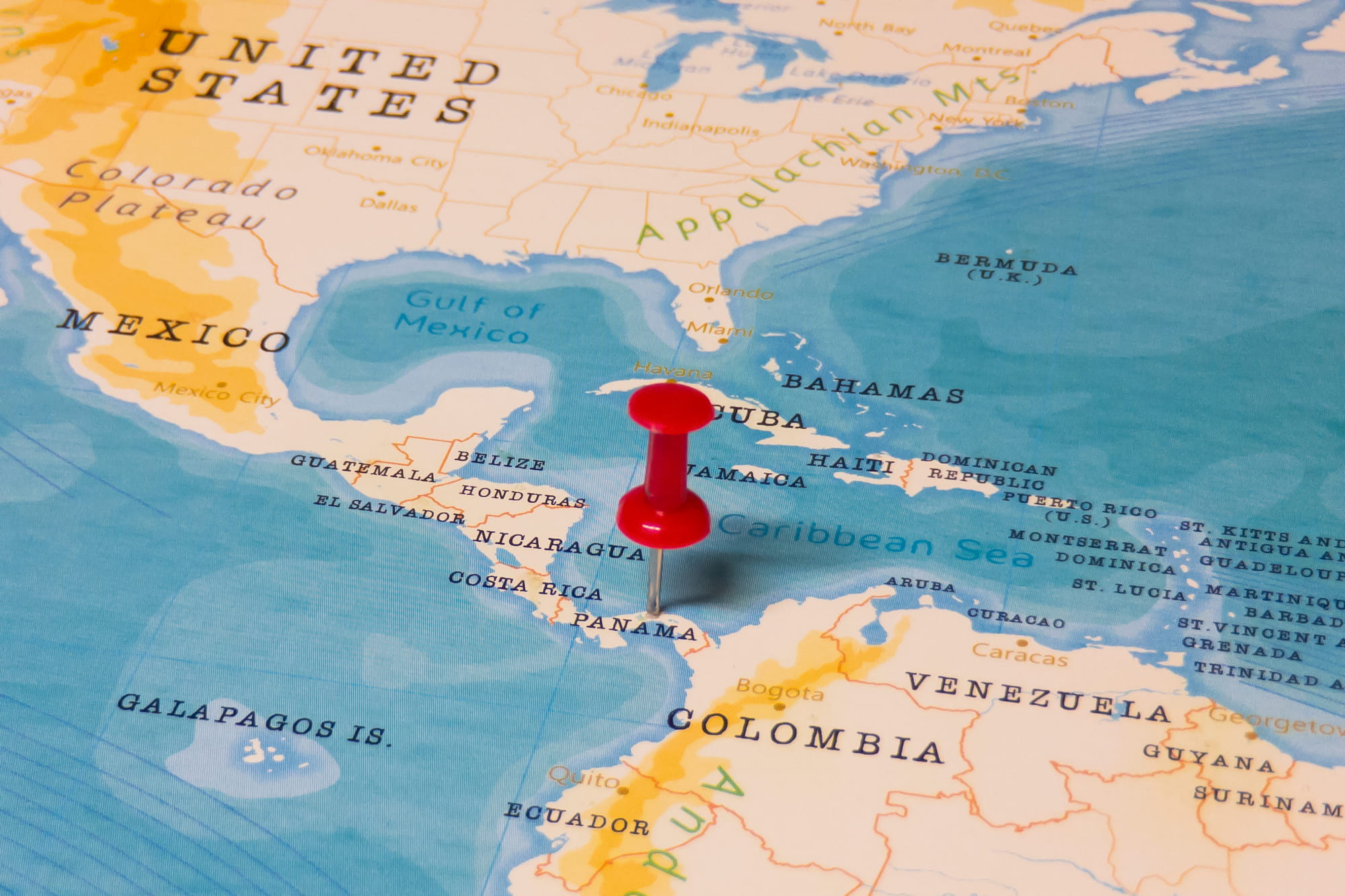
In recent social media posts, it has become clear that President-elect Donald Trump wants the Panama Canal. Trump announced that he would demand that Panama hand over its canal to the U.S. due to the “ridiculous” fees. Rates for vessels passing through have recently increased, driven by a severe drought. Since the U.S. is the primary canal user, they have faced the most significant impact. Originally a U.S. territory until 1999, the handover was a sign of Panama’s sovereignty and a vital economic symbol. Threats to overtake the canal can result in conflict between the two countries and disruptions in global trade.
Why Trump Wants The Panama Canal
One of the primary reasons why Trump wants the canal is because of the fees that Panama is charging. He believes the country imposes excessive rates for U.S. vessels to pass through. Along with costs, Trump has also cited concerns over the canal’s management and importance to the U.S. There have been growing concerns about Panama allowing Chinese soldiers to take control of the canal as well. China is the second largest canal user after the U.S., and Trump believes the country wants more significant influence. A fear is that China could embed surveillance in the canal’s infrastructure, giving critical insight into the U.S.’s logistics.
At a conference, Panama’s President Jose Raul Mulino noted that the canal belongs to his country. Mulino rebuked Trump’s claims, stating that Panama’s sovereignty and independence were non-negotiable. In the news conference, he replied, “There are no Chinese nor any other world power at the canal.” Mulino stated that experts consider factors like supply and demand when determining vessel fees. Despite the threats to take back the canal, various legal obstacles can get in the way. For example, the Neutrality Treaty states that a move to take control of the canal will breach international law and damage U.S. relationships with Latin America.
The Canal’s Importance For International Shipping
The international shipping industry considers the Panama Canal a critical cornerstone for global freight movement. It accounts for 6% of global maritime trade and 40% of annual U.S. container traffic. Due to its strategic location, it’s ideal for connecting major global markets between Europe, Asia, and the Americas. Before the canal, shipments took longer journeys along the southern tip of South America instead of the shortcut. With its importance, Trump considers the canal a critical national asset for the U.S. The canal impacts the U.S. economy, with numerous industries relying on it for swift and money-shipping shipping routes.
Being current with any situation impacting your shipment is vital when shipping goods globally. It helps the shipper take the necessary action to avoid potential delays or other unfavorable circumstances. Shippers can also benefit from using the assistance of a third-party logistics (3PL) company. 3PLs are service providers that handle various parts of a company or individual shipper’s supply chain. Some of the parts that they handle include customs brokering, international and domestic shipping, warehousing, and more. They also give the best course of action to ensure the success of your shipment. Contact us at 305-440-5156 or info@a1wwl.com to speak to a 3PL provider regarding shipping your cargo internationally.
by A1 WorldWide Logistics | Dec 26, 2024 | East Coast Protests, Economic trends, Shipping Logistics
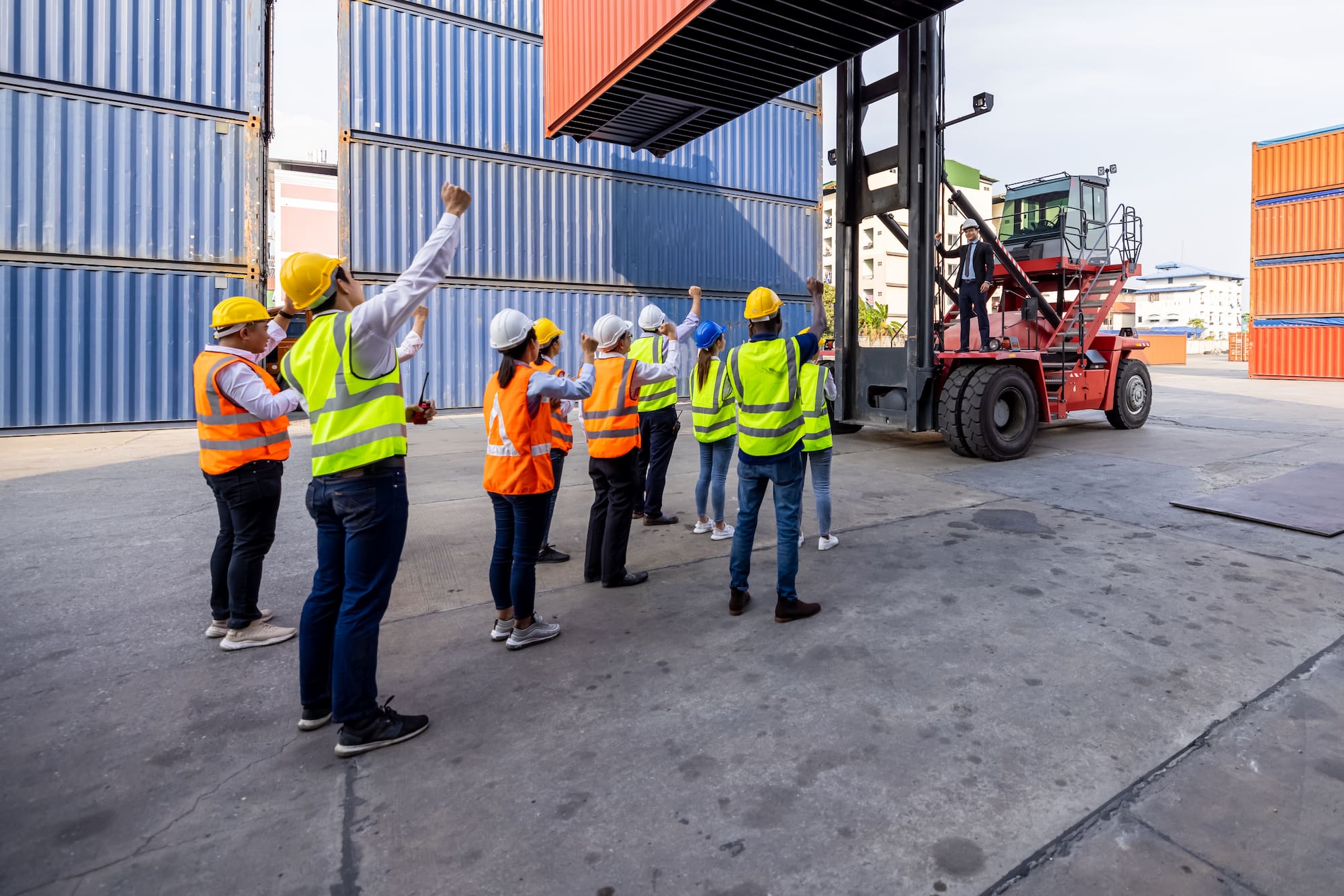
As the end of the contract extension approaches, seaports in the U.S. can see the ILA strike happening In January. Months of unsuccessful negotiations between the ILA (International Longshoremen’s Association) and the (U.S. Maritime Alliance) resulted in an October strike. The two parties disagreed on wages and the use of automation at ports. Port workers across the East and Gulf Coast began protesting until October 3rd, when they reached a tentative agreement. The agreement was a 61.5% pay raise and a $4 an-hour yearly wage increase for the next six years. USMX also extended the current contract to mid-January. With the January 15th, 2025, extension ending date nearing, it can have numerous implications for domestic and international shipping.
Why Could We See The ILA Strike Happening In January?
The chances of a port strike have increased with President-elect Donald Trump publicly backing the ILA. Trump recently met with the ILA President Harold Daggett and Vice President Dennis Daggett. After the meeting, Trump noted, “the financial benefits of automation are “nowhere near the distress, hurt, and harm the technology creates for workers”. Various components can contribute to a potential strike, including the minimal conversation between the parties. The ILA and USMX haven’t had any significant talks for over a month despite January 15th quickly approaching. Despite this, the ILA’s vice president voiced his displeasure regarding the growing use of automation earlier this month.
Despite the ILA’s disposition to automation, the USMX believes it is essential for moderation. The USMX views automation as necessary for building a more sustainable future for the U.S. maritime industry. They also argue that advanced technology will allow ports to handle more cargo while creating more jobs. Other players in the transportation industry believe that the strike may not happen and that the parties will reach an agreement. Along with Trump’s backing, an extension already includes more excellent pay and a yearly wage increase.
What Does The Strike Mean For The Shipping Industry?
Since the ILA handles approximately half of the U.S.’s ocean shipments, a potential strike can have significant effects. During the October 1st strike, 36 U.S. ports shut down, resulting in an economic loss of $5 billion daily. When a port stoppage happens, it can lead to congestion, which may disrupt numerous supply chains. To mitigate against delays, shippers could reroute their shipments to West Coast ports like the Port of Los Angeles. However, rerouting can have the opposite effect, extending the time it takes to ship the goods and causing congestion. They can also use different methods of conveyance like air or, if possible, land.
When shipping cargo internationally, you must take the appropriate steps to mitigate disruptions. Along with the ways the article lists, this can include being present with any news that may affect your shipment. Shippers have already begun importing cargo early to avoid a potential strike and other scenarios, like a tariff increase. Speaking to a logistics provider can also help find the right step to prevent delays. Contact A1 Worldwide Logistics at 305-440-5156 or info@a1wwl.com to navigate any situation impacting your supply chain. We have freight brokering, customs brokering, warehousing, domestic shipping, and more to guarantee the success of your shipment.
by A1 WorldWide Logistics | Nov 27, 2024 | Economic trends, Importing, Shipping Logistics
A Monday announcement by the Trump administration revealed that President-elect Donald Trump is imposing tariff hikes on imports. On January 20th, Trump will impose a 25% tariff increase on all goods entering the U.S. from Canada and Mexico. The executive order also includes an additional 10% tariff on imports from China. Before the November 5th election, the Biden administration finalized a tax hike on China imports, which included:
- Steel and Aluminum – From 0 to 7.5% to 25% in 2024.
- Semiconductors – from 25% to 50% by 2025.
- Electric Vehicles (EVs) – from 25% to 100% in 2024.
- Batteries, Battery Components and Parts, and Critical Minerals – from 7.5%% to 25% in 2024
- Solar Cells – from 25% to 50% in 2024.
- Ship-to-Shore Cranes – from 0% to 25% in 2024.
- Medical Products – from 0% to 50% in 2024.
The Trump administration is potentially adding to the hike with talks of a 60% tariff hike for China-made imports. More recent tariffs for Mexico and Canada imports could result in a return to a trade war for the countries. During Trump’s first presidency, tensions were already high between the North American countries. In 2018, a USMCA trade agreement ended the past conflict. With Mexico and Canada being the two top trading partners, a tariff increase can significantly impact trade and resume tensions.
Why Is Trump Imposing Hikes On Tariffs?
The reason behind the sudden increase in tariffs is to stop drugs and illegal migrants into U.S. borders. “As everyone is aware, thousands of people are pouring through Mexico and Canada, bringing crime and drugs at levels never seen before.” The 10% China tariff increase is to stop the flow of fentanyl into the U.S. Another goal behind the rise is to have production come back to the U.S. By making imports more costly, customers may begin buying goods domestically. The president-elect believes creating new factory jobs will reduce the federal deficit and lower food prices. Economists have the opposite view, noting that tariffs are inefficient for the government in raising money.
What Can This Mean For International Shipping?
Due to the high traffic that the U.S. imports and exports from China and Mexico, tariffs will directly affect shipping. As previously mentioned, tensions from the trading partners may escalate and lead to other consequences. The Mexican president, Claudia Sheinbaum, said, “Trump’s threats to impose tariffs could generate inflation and job losses in both countries.” As a result of the hikes, the North American countries could soon make their retaliatory tariffs on U.S. exports. This may lead to shippers facing additional costs for importing and exporting internationally. Companies in the U.S. are already preparing for an increase in duties by reducing their sourcing from China.
Retailers and manufacturers in the U.S. that rely on outsourcing from foreign countries could soon be devastated by the hikes. Regular shippers may also feel the strain and should take preventive measures to protect their shipments. An ideal way to ensure their cargo ships internationally is by contacting a 3PL (third-party logistics) company. 3PLs provide various solutions for outsourcing a supply chain, like brokerage, freight forwarding, coordination, warehousing, and knowledge. A 3PL provider like A1 Worldwide Logistics understands what to expect when transporting cargo and guides you through the process. Reach us at 305-425-9456 or inf@a1wwl.com to determine the best course of action for your shipment’s success.

by A1 WorldWide Logistics | Oct 17, 2024 | Economic trends, Shipping Logistics, Supply Chain
Nearly a week after the storm hit Florida, there are numerous reports of Hurricane Milton disrupting supply chains. On Wednesday, October 9th, hurricane Milton landed near Tampa, Florida, resulting in heavy rains and strong winds. Local weather services issued over 125 tornado warnings in various counties nationwide. Along with the damage to infrastructure and economic loss, Milton impacted supply chains for importers and exporters. With Florida being an entry point for supply chains nationwide, the potential ripple effect could be more substantial. While the storm has left Florida, Milton has already done the damage, and shippers are still determining the full impact.
How Is Hurricane Milton Disrupting Supply Chains?
Located between the Gulf of Mexico and the Atlantic Ocean, Florida is known by shippers as a critical freight market. Its strategic location is a gateway for trade between North and South America. An immediate disruption from the storm was the shutdown of ports like Port Tampa. Port Tampa is a significant hub for steel, cement, petroleum, construction aggregates, and foods. As the seaport suspended operations, it created a backlog that could take a while to clear. As a result, ships are diverting to other ports along the Gulf Coast, potentially raising volume and creating congestion. The Gulf Coast ports are still recovering from the aftereffects of the ILA’s (International Longshoremen’s Association) recent strike.
Milton also impacts supply chains in Florida’s agricultural industry by damaging farmlands that produce agriculture. The damage that occurred two weeks ago from Hurricane Helene remains, which may add to it. Importers in other countries could soon experience shortages and price increases from decreased delays in U.S. exports. Perishable cargo imports that are time-sensitive are at risk from port and infrastructure shutdowns resulting from power outages. Along with shipping internationally, Hurricane Milton affected domestic freight movement. Damaged roads and port closures resulted in delays and made it difficult for shippers to move goods by truck. As a result, freight rates may go up from limited capacity.
What Can Shippers Expect When Shipping During a Hurricane?
When importing or exporting during a hurricane, there are many expectations shippers should be aware of. There may be immediate delays in transportation for air, land, and sea cargo from port closures. To avoid potential slowdowns, importers could reroute to alternative ports. However, this can also increase transit times and transport costs. Price increases could come from limited carrier capacity due to paused services. There can also be significant communication challenges between shippers and carriers, such as power outages and telecommunication disruptions. Shippers must plan by staying updated with weather conditions and constantly communicating with the various players in the supply chain.
Understanding what to expect during a hurricane and how to prepare is vital for a shipment’s success. Along with the ways that the article mentions, preparation shippers can also do this by speaking to a 3PL provider. 3PLs (Third-party Logistics) companies handle numerous supply chain functions for the client. Their services include freight forwarding, customs clearance, domestic shipping warehousing, and more. They also provide supply chain consulting to navigate distributions like a hurricane. Contact A1 Worldwide Logistics at info@a1wwl.com or 305-425-9456 for assistance with shipping to and from the U.S. We have ideal solutions for ensuring that your goods reach the final destination regardless of the situation.

by A1 WorldWide Logistics | Oct 1, 2024 | East Coast Protests, Economic trends, Shipping Logistics
After months of failed negotiations, the ending of a contract has resulted in the ILA port strike beginning. International Longshoreman Association (ILA) dockworkers have begun protesting across East and Gulf Coast ports. Their six-year contract with the United States Maritime Alliance (USMX) ended on September 30th. The last time this happened with the ILA was in 1977, when workers walked off ports for seven weeks. With the size of the ILA, the strike will have numerous effects on global trade.
How Did This Port Strike Come To Be?
On May 13th, 2024, the ILA and USMX said they would negotiate a new contract in a few days. In particular, the ILA is fighting for a 32% hike in wage increase, similar to the ILWU in 2022. The ILA is also protesting for higher pensions and against using automation at ports. In a video the ILA released on September 4th, President Harold Daggett said, “Mark my words, we’ll shut them down.” In response to the video, the USMX gave an update on whether they were satisfied with their new contract offer. The USMX noted in that update that they would continue negotiations with the ILA if possible.
The Biden Administration noted that it would not intervene in the negotiations and use the Taft-Harley Act, causing a cool-off period. Various agricultural groups urged the white house, ILA, and USMX to continue talks. However, it was not successful. Currently, major ports across the East and Gulf Coast are shut down by the strike. At Port Houston, nearly 50 workers started picketing around midnight with signs saying, “No Work Without A Fair Contract.”
What Does The ILA Port Strike Beginning Mean For International Shipping?
The ILA is a union with thousands of workers across 36 East and Gulf Coast ports. They handle nearly half of the U.S.’s ocean shipments. Due to its size, the strike has significant implications for the international shipping industry. One of the pronounced impacts is that a strike could delay global shipments for imports and exports. Port shutdowns could cause a backlog of vessels not being unloaded, leading to congestion. Weeks before the strike, shippers rerouted cargo to West Coast ports like the Port of Long Beach. That may also lead to delays in the near future as the cargo volume rises.
Analysis reports that the strike can cost the U.S. economy nearly $5 billion daily. Another impact of a strike is that goods become scarce due to delays. The effect of scarcer imports can lead to price hikes for various products like foods and electronics. With the holiday season nearing, prices for limited goods could rise further. Extra costs will also come from added expenditures from international shipping and trucking companies.
Some industries affected by the walkout include retailing, manufacturing, construction, and farming. While a port protest can seem daunting, it should not stop you from transporting your cargo. However, Shippers should be prepared and understand what they can expect when shipping internationally. You can do this by constantly checking news and website sources and contacting logistics providers. To stay updated on the ILA strike and determine the appropriate steps, contact A1 Worldwide Logistics at info@a1wwl.com or 305-440-5156. We understand the importance of your cargo’s movement and find the best solutions for your supply chain.
by A1 WorldWide Logistics | Sep 30, 2024 | East Coast Protests, Economic trends, Shipping Logistics
A port strike is imminent at midnight September 30th with International Longshoremen Association (ILA) dockworkers. The ILA has been in talks with the United States Maritime Alliance (USMX) over a new contract. This contract includes higher wages and limits the use of automated technology at ports. These efforts have been unsuccessful and have stopped with the current six-year agreement, which will soon expire. A potential strike would shut ports along the East and Gulf Coasts, severely disrupting domestic and international trade. This could trigger a ripple effect across the U.S. economy, as many supply chains rely heavily on these ports. With the U.S. import industry valued in the trillions, a strike may significantly impact international shipping.
What Can This Mean For Shipping?
Along with shutting down East and Gulf Coast ports, a strike could cause delays in numerous supply chains. This is because East and Gulf Coast ports are responsible for nearly 43% of all U.S. imports. Delays can lead to monetary loss and look unfavorable for importers that have customers. In addition to delays, shipping costs are likely to surge. Port closures often lead to higher freight rates due to constrained capacity, demurrage, and detention fees. Some shippers have already begun rerouting to West Coast ports, though this solution risks overburdening those ports, creating new delays. Shippers are also exploring alternatives like land and air, though they could raise costs even further.
Industries such as retail and manufacturing have been calling for both parties to resolve, hoping to avoid a multibillion-dollar disruption. With the holiday season approaching, many companies have preemptively shifted goods or brought in products early to avoid shortages. Retailers fear that shelves may not be fully stocked for the holidays. Manufacturers risk production slowdowns if carriers don’t deliver critical materials. Other industries, like construction, automotive, and farming, will also feel the impact of a strike on their supply chains.
Since A Port Strike Is Imminent, How Can You Prepare?
Due to the impact of a strike, it is essential to take steps to prepare for what may occur. An option is to delay shipments until the strike ends. Freight leaving its origin after September 20th will likely be affected, so rerouting to West Coast ports could be the best solution for goods in route. However, it’s important to note that West Coast ports are already congested, meaning longer transit times may occur. Alternative conveyance methods, such as land or air transport, could help ensure timely delivery for high-priority shipments. Ports across the U.S. East and Gulf Coast have already been preparing for a potential strike in various ways. Some of the ways include extending gate hours for trucks before the strike occurs.
As the strike deadline nears, staying informed is vital, and you can do this by regularly checking news updates. Another effective strategy is working with a freight forwarder. Forwarders ensure the transport of your cargo efficiently and safely while minimizing costs. They also provide valuable guidance, helping you navigate disruptions and choose the best shipment plan. A1 Worldwide Logistics offers freight forwarding services and a range of solutions to handle the effects of a potential strike. Contact us at 305-425-9513 or info@a1wwl.com for assistance with your imports and exports.

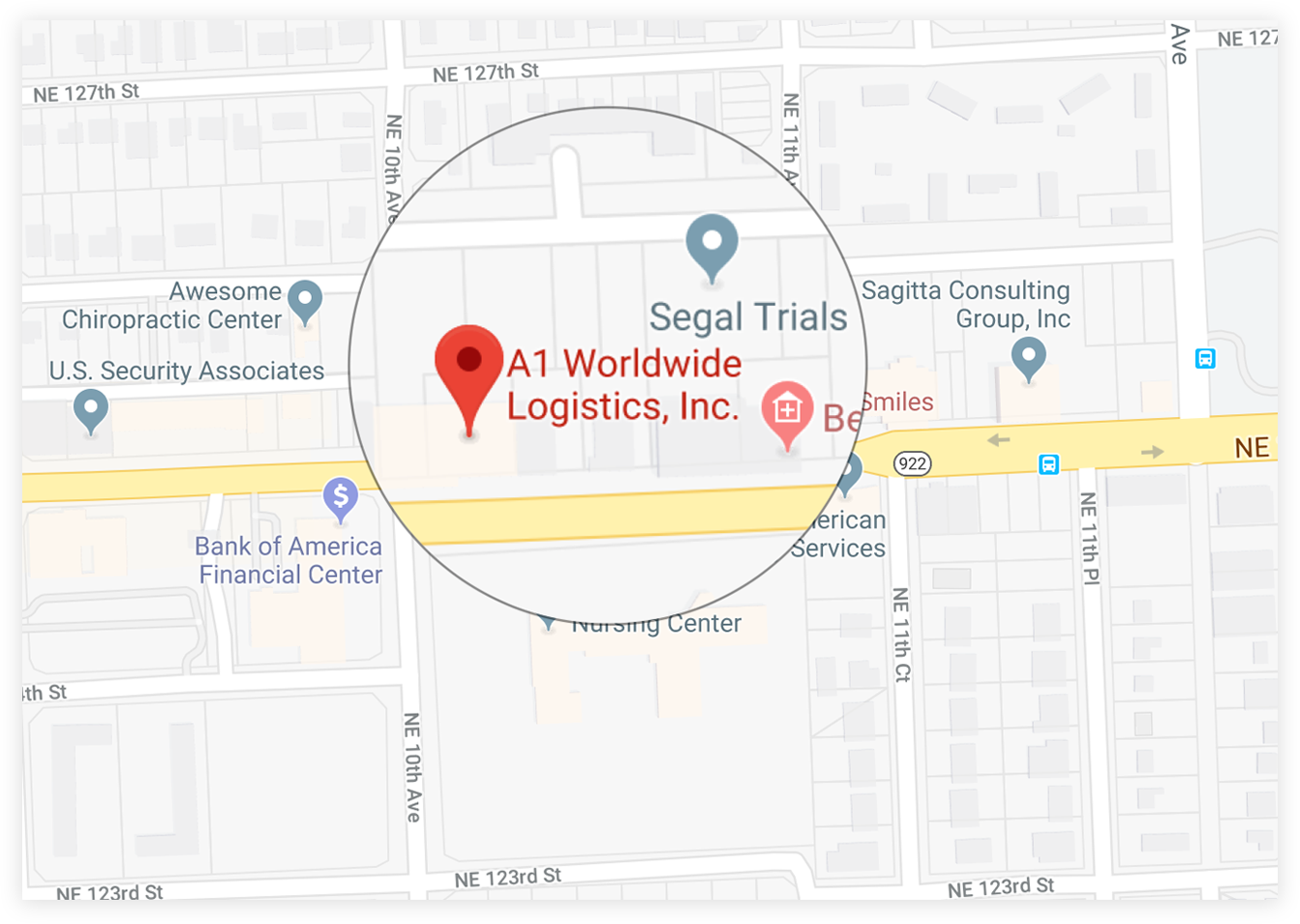
 1035 NE 125th St Suite #320, North Miami, FL 33161.
 a1worldwidelogistics.com
 (305) 821-8995
 Hours: 8AM - 5PM