by A1 WorldWide Logistics | Oct 30, 2025 | Economic trends, Shipping Logistics, Tariffs
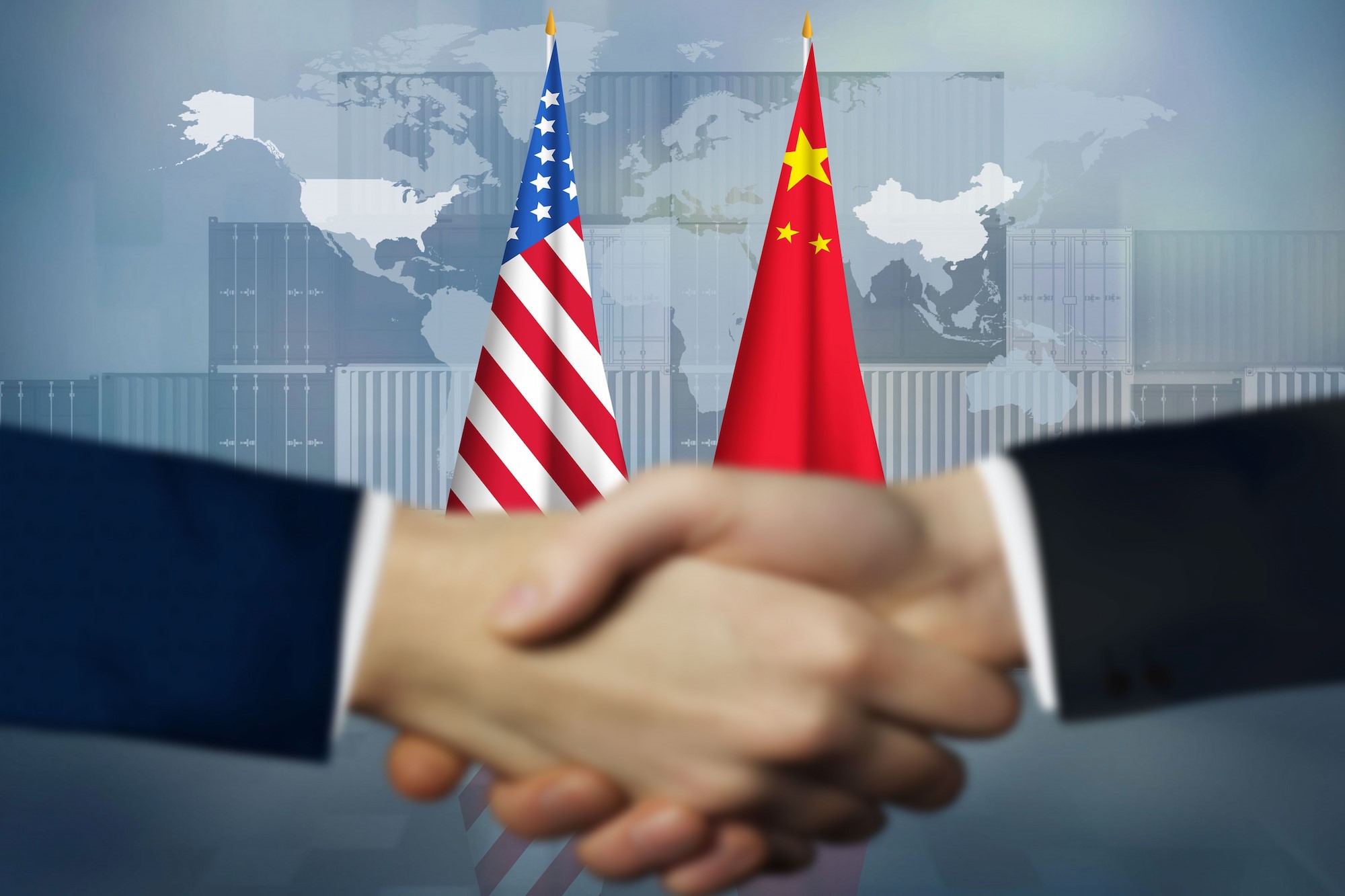
The US and China reach a trade deal after months of escalation between the two countries. Both nations agreed on various trade issues during a meeting between US President Trump and Chinese President Xi Jinping. The agreement comes days after the Chinese government began charging fees on US-owned ships docking at Chinese ports. President Trump responded by announcing a 100% tariff on Chinese imports, which he has since reversed. Since Trump has reentered the office, he has released, paused, and increased imports into the US, hitting China the hardest. China retaliated by imposing its own levies, and after a few back-and-forths, the tariffs reached over 100% for both countries. The taxes were then reduced, and the recent truce further de-escalated the trade war.
What Will The New Trade Deal Entail?
Trump’s and Xi Jinping’s new deal covers various aspects of international trade, including tariffs. Under the agreement, the US will lower the average tax rate for Chinese imports from 57% to 47%. Trump will do this by reducing all of the tariffs related to fentanyl from 20% to 10%. One of the primary reasons that the US placed levies on China is to address the inflow of fentanyl. Trump has also removed the 100% tariff he recently announced on China. US duties on Chinese goods will remain around 30%, while China’s duties on US products will stay near 10%.
China has agreed to relax its planned controls on exporting goods like rare earth materials for one year. The US typically imports them for manufacturing technology and automobiles. Trump noted that the rare earth agreement is a one-year deal, stating, “Now, every year we’ll renegotiate the deal, but I think the deal will go on for a long time, long beyond the year. But all of the rare earth has been settled, and that’s for the world.” China has also agreed to increase US agricultural and energy product purchases. The Chinese government will also take stronger measures against the export of chemicals that can be used to make fentanyl.
How Will International Shipping Be Impacted As The US and China reach A Trade Deal?
China and the US are the largest shippers globally, so a trade deal will significantly benefit international shipping. Higher tariffs may have raised costs for shippers that move goods between the two countries. Different supply chain parts, including the cargo’s shipper, carrier, and receiver, would have felt the impact. Lower importation costs can increase the volume of goods imported into both countries, potentially boosting the economies. The increase in imports could also benefit domestic shipping. Trump described the deal as a one-year framework, and further negotiations will happen for a long-term roadmap.
Although a trade deal may make importing and exporting from the US more attractive, shippers should still prepare beforehand. Not being prepared can lead to supply chain disruptions that result in monetary loss. When shipping cargo internationally, shippers can prepare by speaking to a 3PL (Third-Party Logistics) provider like A1 Worldwide Logistics. 3PLs are service providers that offer various services for a shipper’s supply chain. These services include freight forwarding, customs clearance, warehousing, and more. They also explain what to expect and give the best action to ensure a successful shipment. Reach A1 Worldwide Logistics at info@a1wwl.com or 305-425-9456 to learn about our 3PL solutions for your supply chain.

by A1 WorldWide Logistics | Oct 30, 2025 | Economic trends, Importing, Tariffs
President Trump is raising Canada tariffs by 10% after an announcement on October 25. In a social media post, Trump said he would increase duties on Canadian imports due to a TV ad. The president will add the 10% to previously imposed tariffs, raising the total amount to 45% for certain goods. Canadian imports have been subjected to a 35% tax since August 1. The tariff increase will not affect importations that fall under the USMCA (United States-Mexico-Canada Agreement). Trump has not yet specified the scope of the latest raise and what goods will be affected. This article will explain Trump’s goal behind the tariff increase and its impact on shippers.
Why Trump Is Raising Canada Tariffs By 10%?
The 10% rise came after Canada aired a TV ad featuring former president Ronald Regan criticizing tariffs. Trump immediately responded by calling the advertisement a fraud and stating, “All trade negotiations with Canada are hereby terminated”. The Ronald Regan Presidential Foundation also issued a statement protesting the unauthorized use of selective audio and video. Dominic LeBlanc, Canada’s minister responsible for US-Canada trade, responded to the levies, noting, “Progress is best achieved through direct engagement with the U.S. administration”. The 10% tariff could be part of several levies that Trump has placed on Canada since returning to office. On February 1, the president imposed a 25% tax on most US imports.
On August 1, Trump raised the tariff from 25% to 35%, citing Canada’s “continued inaction and retaliation.” The levies are intended to reduce trade imbalances and address unfair trade practices. Trump has tried to “level the field” between the US and its largest trading partners. The president is also using the tariffs to address Canada’s failure to stop the flow of fentanyl and illegal US immigration. Trump is also attempting to boost the US economy by bringing manufacturing and business back to the US. While the goal is to create jobs, economists believe this could have the opposite effect and create inflation.
How Will The Tariff Raise Impact Shippers?
Canada is a significant trade partner for the US, so the tariff increase will significantly impact shippers. If Trump does impose the 10% levy, importers could see an increase in costs for bringing goods into the US. In particular, industries relying on raw materials from Canada, like automotive and construction, will feel the higher costs. The cost could fall in various parts of a supply chain, including the shipper, international and domestic carriers, customer, etc. There is also a fear that Canada may impose retaliatory levies, raising expenditures. Shippers may look for countries to import from other than Canada or bring production back to the US.
Disruptions like tariffs can affect transportation when importing or exporting from the US. Although the disturbances should not stop cargo movement, the shipper should take the correct steps to protect their shipment. An ideal way to prepare when starting is by contacting a freight forwarder. Forwarders are third-party companies that act as intermediaries between the shipper and the carrier transporting the goods. They do this by offering solutions like providing paperwork, coordinating cargo movement, negotiating rates, warehousing, and more. Forwarders also have consulting services to help shippers navigate disruptions that can affect their shipments’ transport. Speak to our forwarders at info@a1wwl.com or 305-425-9752 to begin moving your goods anywhere internationally.
by A1 WorldWide Logistics | Oct 23, 2025 | Economic trends, Importing, Tariffs
While less talked about than large corporations importing into the US, shippers have seen the IEEPA tariffs impact small importers. Smaller and mid-sized importers like mom-and-pop stores have suffered significantly from President Trump’s IEEPA taxes. Earlier this year, Trump used the IEEPA (International Emergency Economic Powers Act) to impose reciprocal levies for most US importers. After an appeals court ruled the levies Illegal, the Supreme Court agreed to hear the case on an expedited schedule. With the case going to the Supreme Court next month, smaller importers have a high level of uncertainty. This article will explain the potential impact on smaller importers and how to protect their cargo during this time.
How Are The IEEPA Tariffs Impacting Small Importers?
The impact of Trump’s IEEPA tariffs on small to mid-sized importers may depend on the Supreme Court’s final ruling. Shippers could be eligible for a refund if the court decides the tariffs are illegal. However, many would not qualify for a refund because they:
- Didn’t file a protest within 180 days of liquidation.
- Had no visibility into when CBP finalized entry liquidation.
- Lacked legal counsel or customs guidance.
A primary argument from the appeals court is that the president is unlawfully using the IEEPA to impose tariffs. The belief is that although Trump can allow tariffs during an emergency, he cannot impose them without definite congressional approval.
The Supreme Court’s ruling could decide whether smaller importers are eligible for refunds and whether they can survive. If the court rules in Trump’s favor, the cost of importing could continue to rise. The presidential powers may also expand, meaning that Trump may be able to impose more tariffs, further raising costs. For a smaller importer, a 25% tax increase can tighten margins and increase fees to the point of disruption. Unlike smaller shippers, larger multinational corporations tend to have enough capital reserve to absorb fluctuating tariffs. Countries affected by the tariffs could respond by imposing retaliatory levies, which can further impact the shipper.
What Steps Can The Smaller Importers Take To Protect Their Cargo?
Due to the impact of the IEEPA tariffs on smaller importers, the shipper must prepare beforehand. Shippers should plan for worst-case scenarios regardless of the final ruling to navigate the uncertainty. If the tariffs are invalidated, they should work with a broker to file a protest on time to get refunded. If Trump’s tariffs stay, the smaller-sized shipper may have to adjust pricing or diversify sourcing. This could include shipping from a country less impacted by Trump’s taxes or, if possible, bringing manufacturing back to the US and shipping the cargo domestically. Importing in bulk can also assist in lessening importation costs.
Situations like tariffs can disrupt the supply chain process when importing into the US. While they should not stop cargo flow, shippers should take precautions to prevent disruptions. An ideal way to start is by contacting a customs broker. Brokers are licensed individuals or corporations who arrange the customs clearance process on behalf of the importer. They do this by ensuring that the shipment follows the laws and regulations of the country of import. In the US, they ensure compliance with the Customs and Border Protection (CBP). Brokers also provide other services like documentation, calculating duties, filing ISFs, etc. Contact A1 Worldwide Logistics at info@a1wwl.com or 305-425-9456 to speak to our brokers and discuss a successful importation with our broker.
by A1 WorldWide Logistics | Oct 16, 2025 | Economic trends, Supply Chain, Tariffs
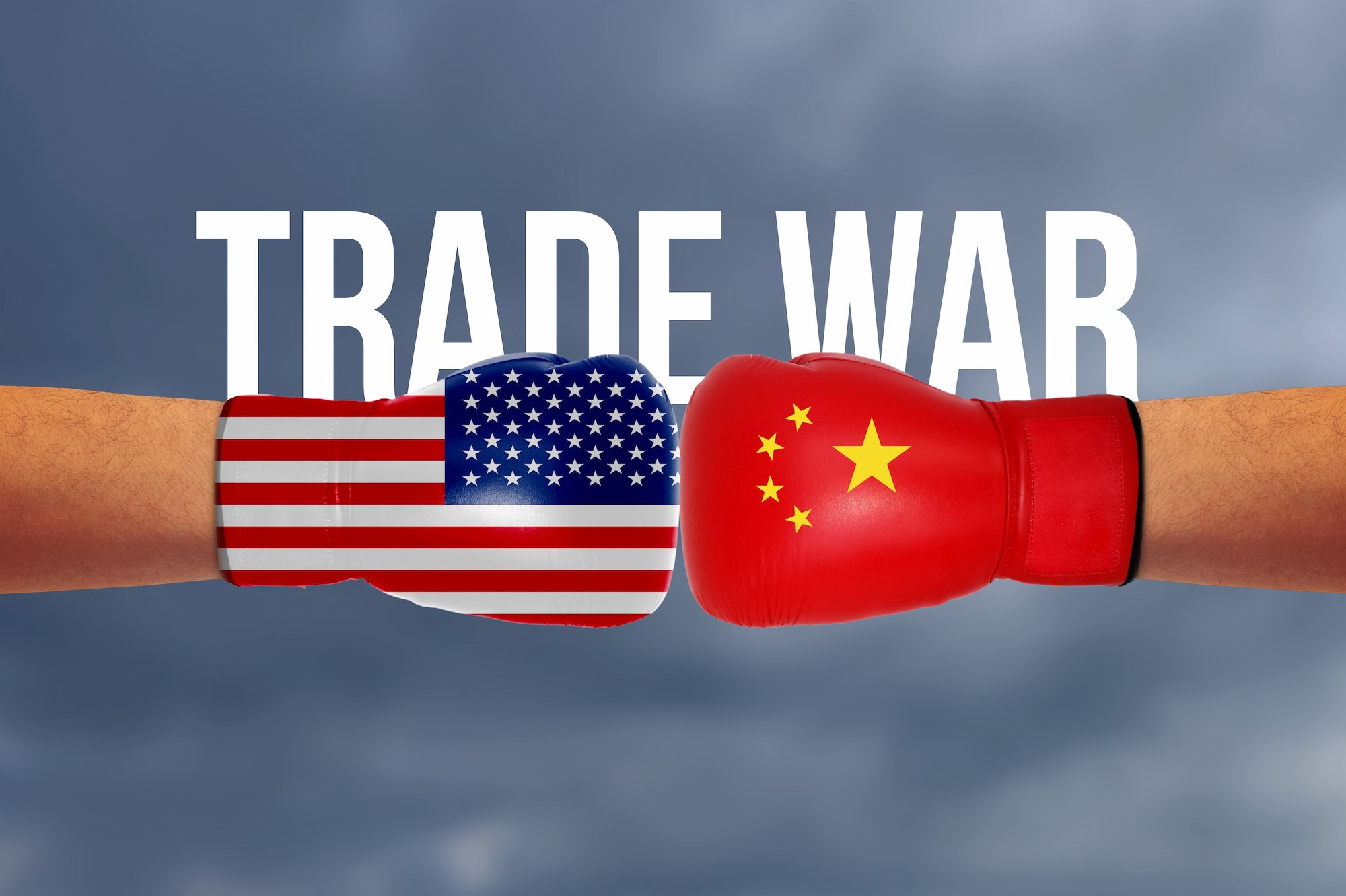
The US-China Trade War Continues, with the Chinese government recently charging port fees on US ships. On October 14, China began imposing fees on US-owned vessels docking in Chinese ports. The charges came after both countries agreed to reduce reciprocal tariffs imposed on each other. By April, the US had levies on China up to 145% while China had up to 125%. In May, the countries agreed on a 90-day truce and reduced the tariffs to 30% (US) and 10% (China). The countries extended the pause to November 10, before China retaliated with new port fees. President Trump responded by announcing that he will impose a 100% tariff on Chinese imports starting in November.
Why Are The Countries In A Trade War?
China and the US have been in a trade war for years due to issues such as trade imbalances and intellectual property (IP) theft, and both countries are trying to protect their economic interests. The US is also fighting against the inflow of drugs, with China being the most popular illegal importer of fentanyl. The US has had a significant trade imbalance due to the excess imports from China. When Trump returned to office, he addressed this by issuing numerous tariffs on China. After a few back-and-forths, the conflict escalated to the current port fees and levies. China’s fees mirror the levies set by the US trade representative.
Another goal behind the tariffs is to bring production back to the US and boost the economy by creating jobs. Economists believe it will have the opposite effect and hurt the economy by creating inflation. Trump also argues that China’s low-cost manufacturing base has lost millions of US manufacturing jobs. With China recently growing in international trade and being the US’s largest importer, it aims to counter the growth. China’s ship fees will start at $56 per net ton and rise to $90 on April 17, 2026. By April 17, 2028, the feels will be at $157. Chinese leader Xi Jinping will meet with Trump at the end of October to discuss the current conflict.
What Can Shippers Expect As The US-China Trade War Continues?
As the trade war persists, it could significantly impact international shipping. An immediate concern is that China’s fees would increase shipping costs for the shipper to the customer. Shippers of semiconductors, electric vehicles, and rare earths would particularly feel the strain. Another fear is that both countries could strain supply chains by imposing further retaliatory measures. As a result, US importers could begin looking for countries other than China to import from, like Vietnam or India. Costs could also rise for truckers who pick up cargo from ports and move it domestically.
When shipping cargo internationally, situations like conflict between two importers can result in disruptions in the transportation process. Although this shouldn’t stop cargo movement, the shipper should take the proper steps to avoid delays and monetary loss. Speaking to a 3PL (Third-Party Logistics) provider like A1 Worldwide Logistics can be beneficial when deciding on moving cargo internationally. 3PLs are service providers that offer various services for a shipper’s supply chain. These services include freight forwarding, customs clearance, warehousing, and more. They also explain what to expect and give the best action to prevent disruptions. Reach A1 Worldwide Logistics at info@a1wwl.com or 305-425-9456 to learn about our 3PL solutions for your shipment’s success.

by A1 WorldWide Logistics | Oct 9, 2025 | Economic trends, Importing, Tariffs
President Trump’s IEEPA tariffs Supreme Court ruling could potentially reshape international trade. On November 5, the Supreme Court will hear two consolidated cases – Learning Resources v. Trump and Trump v. V.O.S. Selections. In V.O.S. Selections vs Trump, the US Court of Appeals argues that the IEEPA does not authorize sweeping tariffs. Trump recently used the IEEPA (International Emergency Economic Powers Act) to impose reciprocal tariffs for most US importers. Due to the situation’s urgency, the Supreme Court agreed to review the case on an expedited schedule. The outcome of the ruling may significantly impact trade for shippers and the US government.
What Are The Major Risks for Trade From Trump’s IEEPA Tariffs Supreme Court Ruling?
The Supreme Court’s ruling has various risks, including redefining presidential authority over trade and policy. If the court rules against the Trump administration, the scope of what presidents can do under IEEPA may be limited. Also, if the court declares some or all of the tariffs unlawful, importers could be eligible for refunds. Even if refunds happen, only those who meet strict deadlines and compliance protocols may be eligible. For example, importers must file protests within 180 days in advance, which businesses may be unaware of. Enforcement of the tariffs may continue as the government appeals or reorganizes policy despite the court finding them illegal.
If the Supreme Court rules for Trump’s levies, the presidential powers may expand, resulting in greater unilateral tariff enforcement. Another concern is that global trade relationships will be strained if the tariffs stay. Some of the US’s largest importers, like China, Mexico, and Canada, have protested the levies. A ruling on the tariffs could lead to retaliatory measures or prompt the countries to seek other trading partners. Various supply chains could also be disrupted by the tariffs, as import costs rise significantly. The costs could fall on different parts of the supply chain, including domestic shipping, and on customers if the importer is a business.
How Importers Should Prepare
Due to the potential impact the ruling will have on shipping, the importer should prepare beforehand. Shippers must review past imports to determine if the tariffs fall under legal challenge. Being current with the court case by reading news articles is also essential. Shippers must also check liquidation dates to ensure that CBP (Customs and Border Protection) has not finalized the entry. Shippers should file protests to preserve refund rights if the Supreme Court rules against the Trump Administration. It is crucial to plan the following action if the tariffs stay in place. This can mean returning supply chains to the US, shipping in bulk to avoid excess costs, etc.
Although the Supreme Court’s ruling could significantly impact international shipping, it should not stop cargo movement. However, the shipper must take appropriate actions to prevent disruptions like delays and monetary loss. An ideal way to prepare when shipping cargo internationally is by contacting a freight forwarder. Forwarders act as the middlemen between the shipper and carrier and coordinate the cargo’s movement. They offer solutions like customs clearance, international and domestic shipping, warehousing, and more. Forwarders also provide consultation to educate the shipper on the best steps for transporting goods to the final destination. Speak to our forwarders at info@a1wwl.com or 305-425-9752 for assistance with exporting and importing into the US.
by A1 WorldWide Logistics | Oct 2, 2025 | Economic trends, Importing, Shipping Logistics
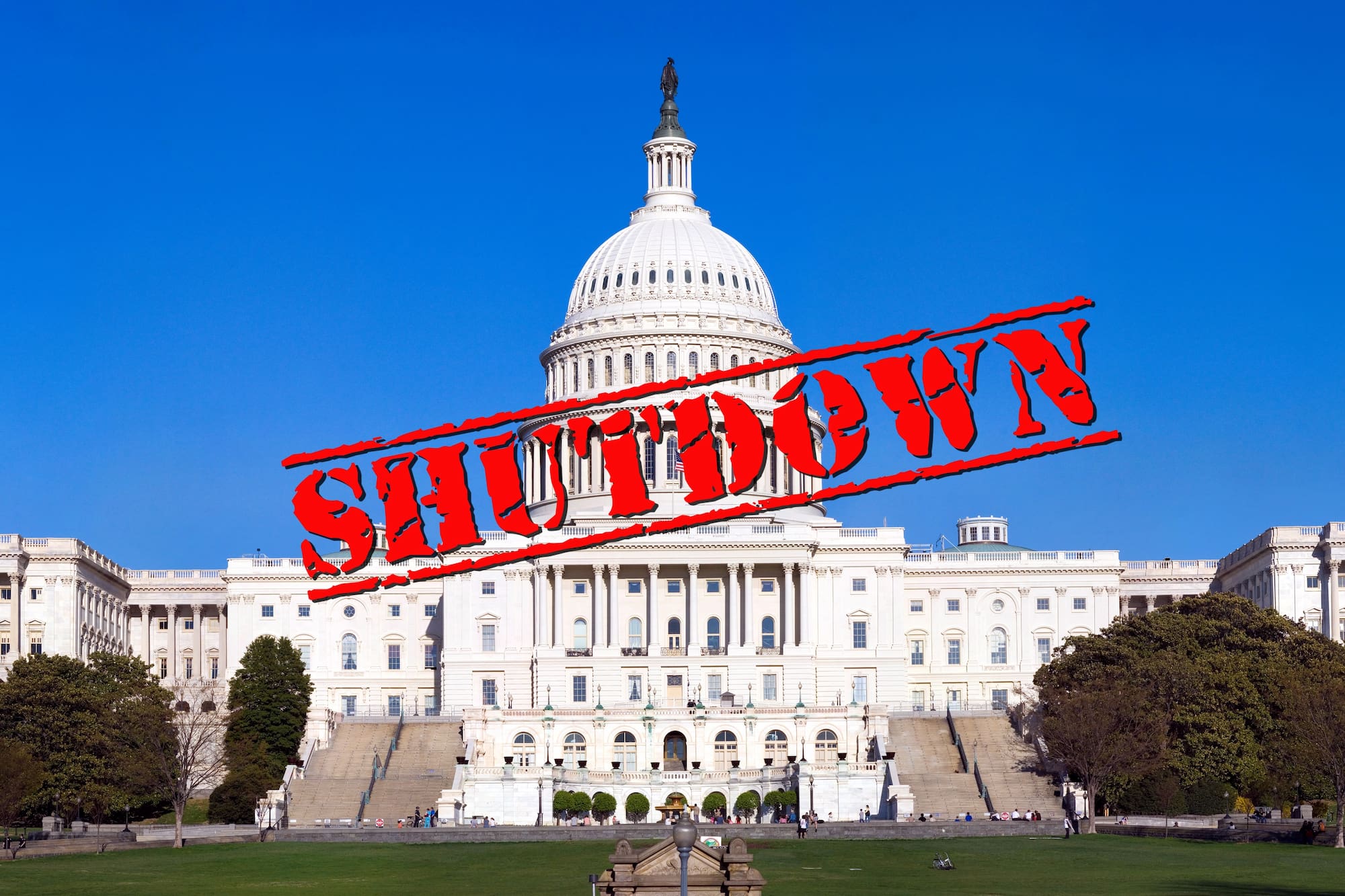
Shippers that bring goods into and out of the US could soon feel the effect as the government shutdown begins. On October 1, Congress disagreed on an operations funding bill, leading to the US government shutting down. When this happens, it can cause widespread disruptions for Americans and the economy in numerous ways. Along with impacting different sectors, a shutdown would directly impact international and domestic shipping. For example, it will affect the CBP (Customs and Border Protection), part of the Department of Homeland Security. This article will explain the impact of a government shutdown on cargo movement and how to protect your shipment.
What Can International Shipping Expect as the Government Shutdown Begins?
One of the most significant effects of a government shutdown on international shipping is increased delays. When this happens, the government will furlough or send home up to 750,000 federal workers without pay. While CBP officials are “essential,” ports will remain open; however the shutdown could furlough other workers, resulting in delays. An example is the FDA (Food and Drug Administration) workers, who may have to inspect certain imports before customs release. Many FDA workers are not essential, meaning the government could temporary discharge them, and fewer staff may lengthen customs clearance. During the last government shutdown in December 2018, delays rose by nearly 20% in the port of Los Angeles.
Delays can have further implications for supply chains, particularly for importers of perishables and pharmaceutical products with limited life spans. In addition to damaged goods, delays could cause higher costs in other parts of the supply chain. An example is drayage, the movement of goods over short distances, like from a seaport to another location. Nonessential functions may also pause for agencies like the Department of Commerce and the US International Trade Administration. This could further interrupt the shipping process by pausing permits and export licenses for shippers. A prolonged shutdown could further hurt trade and push foreign partners to look for countries other than the US to import from.
How Can Shippers Prepare?
Despite the government shutdown already starting, shippers can still protect their shipments during this time. The shipper must be current with any regulations that can impact cargo movement. Reading news articles or speaking to experts on importing and exporting are ideal ways to do this. Although ports run during this time, importers should prepare for longer transit times than usual. Importing through seaports with less traffic or using alternative methods of conveyance, like air or land, can quicken the process. shippers must file paperwork correctly since mistakes can lead to holdups in customs. If customs clearance is delayed, storing the goods in a bonded warehouse can prevent immediate duties.
When shipping cargo internationally, various situations, such as a government shutdown, can impact the process. While alarming, it should not stop the importation of cargo into the US. However, the shipper must take the proper steps to avoid disruption. Along with being informed and planning, an importer can prepare by contacting a customs broker. Brokers are licensed individuals or corporations who arrange the customs clearance process on behalf of the importer. They do this by providing various solutions like ensuring regulatory compliance, providing paperwork, calculating duties, and more. Contact A1 Worldwide Logistics at info@a1wwl.com or 305-425-9456 to speak to our brokers regarding transporting your cargo.

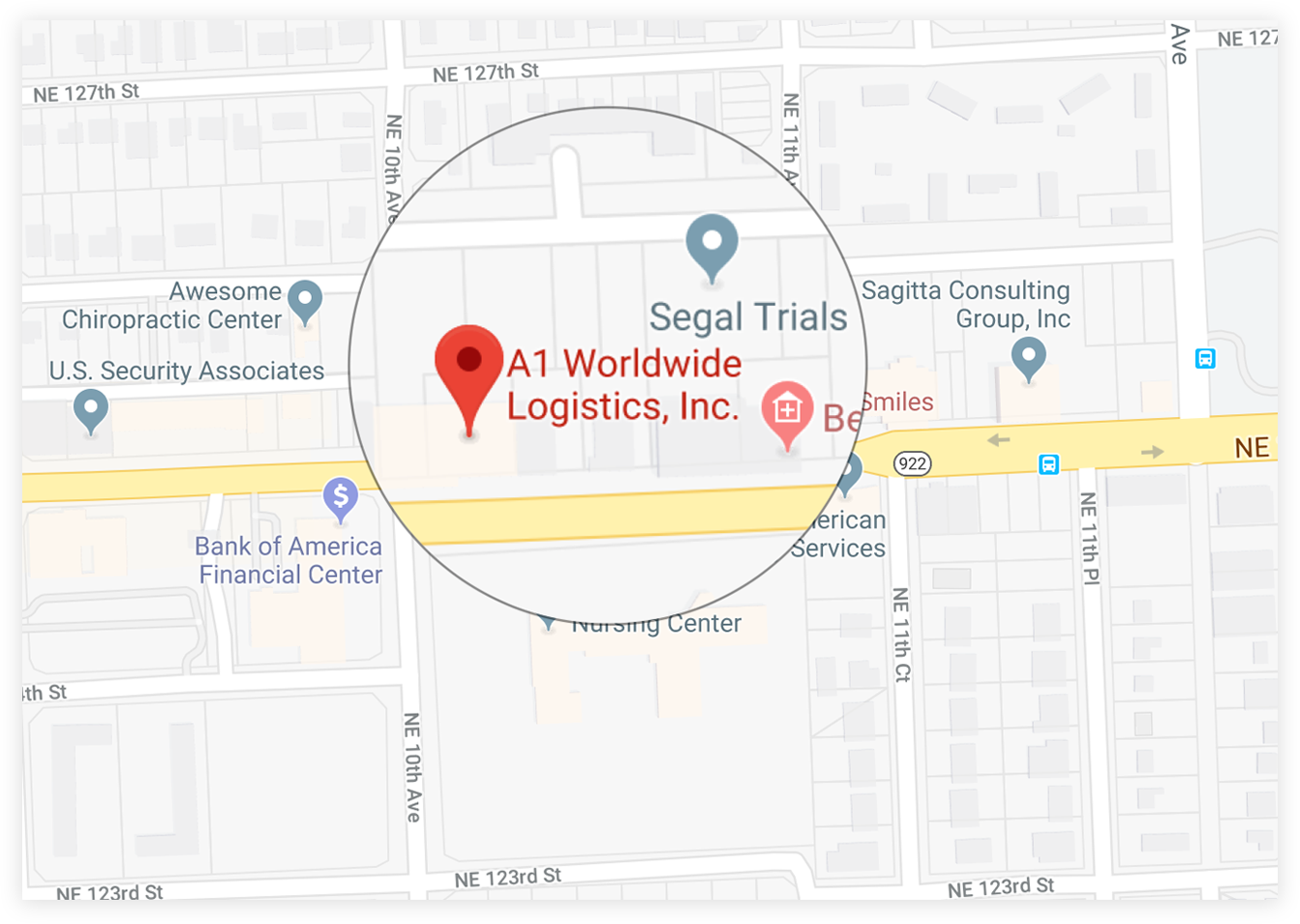
 1035 NE 125th St Suite #320, North Miami, FL 33161.
 a1worldwidelogistics.com
 (305) 821-8995
 Hours: 8AM - 5PM