by A1 WorldWide Logistics | Sep 28, 2022 | Freight Forwarding, Supply Chain, Transportation, Warehousing
Warehousing services have evolved over the past decades to meet the customer’s needs. Two solutions that have grown into essential pieces of the supply chain puzzle are cross-docking and trans-loading. Both of these services help streamline supply chains and reduce costs; however, they differ in how they accomplish this. Here you will learn which one is best for your shipping goals.
Cross-docking
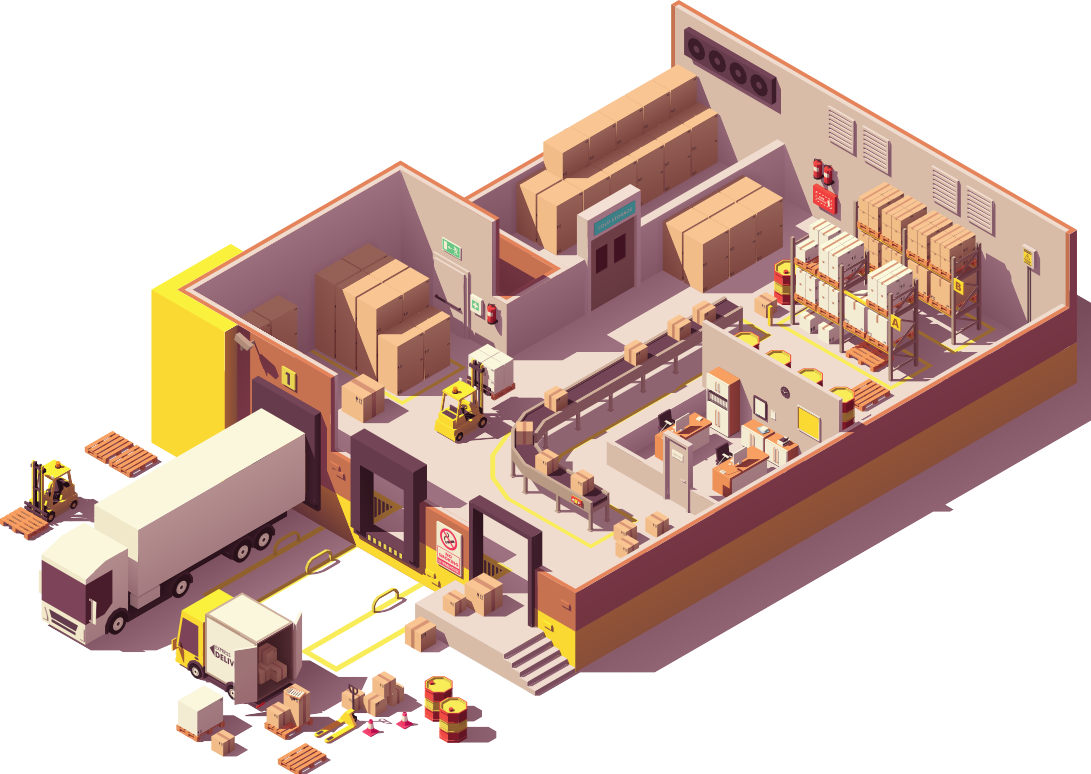
When containerized cargo reaches a warehouse, cross-docking is the unloading of the shipment from one truck to another. When the lumper unloads the freight, it is not stored away or re-palletized and stays briefly before being loaded onto another truck. Speed is a critical factor since customers expect their goods on time. An example of a cross-docking user is a smaller-sized company that wants to have leverage on a larger company. Another significant usage of cross-docking services is to move perishable goods like meat and fruits in a quick manner.
There are many benefits to cross-docking, and one of the most important is saving time. Since the goods are already palletized, they may be immediately transferred to a truck and moved to the next destination. This removes the requirement of storage space which also helps the shipper save time and money. Transport costs are saved by having an FTL shipment arrive at a facility and broken down into smaller LTL shipments. Reduced handling times help lower the chances of damage and theft.
Trans-loading
 Trans-loading is moving freight from one mode of transportation to another. Unlike cross-docking, which is only truck to truck, trans-loading is transporting cargo between trucks, rail, ships, or planes. An example can be when a containership arrives at a port and is moved to a warehouse by truck. The warehouse is the trans-loader that may sort, pack, and palletize the freight before being reloaded and moved again. Trans-loading differs from intermodal transport since the cargo does not stay in the same container the entire journey.
Trans-loading uses more modes of transport than cross-docking, and freight may be re-palletized and stored, unlike cross-docking. It also has several benefits in a supply chain. A shipper saves transport costs since multiple smaller shipments are consolidated into one trailer and have a single journey. Warehouses that offer trans-loading services also usually have storage space for cargo. If the shipper plans to sell the goods, they may store them away until they find a customer. The overall supply chain is also streamlined since the trans-loading facility breaks down and delivers the goods on-site.
Having the trans-loading activities for multiple shipments done on-site is quicker than going to a separate distribution facility. Along with cross-docking and trans-loading, A1 Worldwide Logistics offers various other solutions for your warehousing needs.
Contact us at 305-821-8995 or write to info@a1wwl.com for a free quote and to enhance your supply chain.
by A1 WorldWide Logistics | Jul 29, 2022 | Freight Forwarding, Shipping Logistics, Supply Chain, Transportation
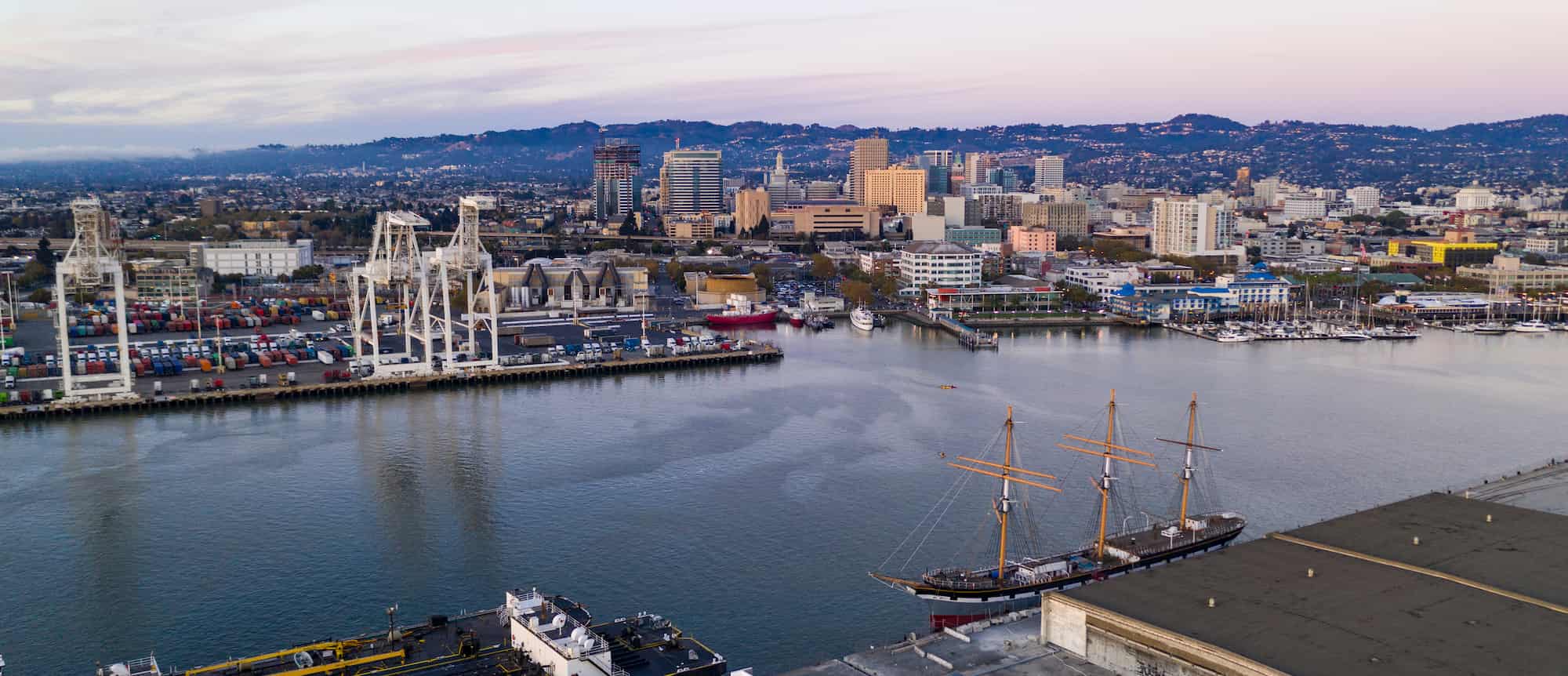
The Port of Oakland was shut down last week due to trucker protests on work law AB5. Hundreds of independent contract truck drivers blocked traffic in three main port terminals. The largest terminal, Oakland International Container Terminal, closed operations due to the protesters’ boycott and containers soon began piling up. After several days of operations’ disruption, authorities relocated protesters to “free speech zones” and now the Port is working with normality.
Why Were the Protests Occurring?
The demonstrations were due to the signing of Assembly Bill 5 (AB5). Under AB5, independent contractors are required to classify themselves as employees, meaning that their amount of flexibility will be restricted. If owner-operators become employees, they must acquire licenses, pay for insurance, and pay required company fees. Owner-operators would also not be allowed to enter lease agreements with carriers for the rights of their service usage. They see AB5 as a dream killer for truckers that come to America in hopes of owning their own business.
In late June, the Supreme Court rejected the California Trucking Association’s request for a hearing regaining AB5. This cleared the law to go forward and angered the truckers to the point of protests. On Thursday evening, police and port executives announced that they were creating designated zones for the protesters and assigning citations. The citations were penalties for anyone blocking the port’s terminals and not complying with the “free speech zones.” Most protestors decided to stop demonstrating and return to work; however, some continued without disrupting operations. Many truckers agreed to look for other solutions instead of protesting.
What Could the Protests have Meant to Shippers?
Yearly, 2.5 million container TEUs pass through the Port of Oakland, making it one of the largest west coast ports. Due to the number of shippers that rely on the port to move their goods, countless supply chains could be affected. Congestion in the Port of Oakland usually results in shippers moving their freight through other ports in California. Since Long Beach and Los Angeles ports are already facing congestion, the bottleneck could increase further. Congestion may create a bottleneck effect not only in California ports but in ports across the U.S.
Dozens of domestic ports are facing congestion, which would exacerbate if shippers decide to use them as alternatives. Shippers may further be affected since trucking is one of the main components of the supply chain. If a substantial number of truckers decide not to do business, the capacity to move containers would be severely limited. Scarce capacity can hike up prices, worsening further the current inflation. Deliveries to shippers or customers of shippers may also delay if no trucks are available and ports are congested.
When adverse circumstances happen in the shipping world, shippers should not deter themselves from moving their goods. However, you must know to take the necessary precautions for whatever may arise. If you are moving freight anywhere domestically or internationally, contact A1 Worldwide Logistics at 305-821-8995 to get started. We will help you through the complex world of shipping and find the best solutions for your transportation needs.
by A1 WorldWide Logistics | Jul 20, 2022 | Customs Broker, Freight Forwarding, Import and Export Experts
Clear and Move your Merchandise with A1 Worldwide Logistics. We have a team of experts ready to guide you through the import process.
We can help with:
Custom Clearance – Prepare all the necessary documentation and have your merchandise released.
Freight Forwarding – Move your cargo. We offer air freight, ocean freight, and inland freight.
Warehousing – Warehouse your good if needed.
Call now and get the best rates and the most efficient service. Attention in English and Spanish.
Tel: 305-821-8995 email: info@a1wwl.com // paula@a1wwl.com

by A1 WorldWide Logistics | Jul 13, 2022 | Customs Broker, Customs Broker Miami, Customs Clearance, Freight Forwarding, Import and Export Experts, Shipping Logistics, Stories of Businesspeople
Meet Ali Musayev, an Azeri rug maker who sells carpets at a brick-and-mortar store in Baku, Azerbaijan. Ali was born in Baku and recently inherited the business from his dad, who inherited it from his dad. His grandad Osman originally started the company hoping to escape poverty and provide for his family. When it began, the business became one of Baku’s most significant family-owned rug shops. Shoppers from around Azerbaijan and nearby countries visited this small shop to purchase rugs. Ali’s granddad understood the centuries of importance rugs had in Azeri culture and tailored the carpets to history. Osman crafted every tile and textile with the highest quality material to represent the culture, and customers took note.
From Grandfather to Son
Osman gave all his knowledge in carpet crafting and the shop to his son Nasir before his passing. Nasir grew the company further and preserved Osman’s vision of keeping history and culture alive for decades. A dilemma soon arose that would alter the course of Nasir’s business. International shipping became so popular that Nasir’s customers began buying imported rugs from other stores. This lowered traffic and soon put Nasir’s family in the poverty that Osman had first faced. Nasir was also recently diagnosed with lung cancer. Doctors said that he had a few weeks to live. Nasir had no choice but to pass the company down to his son Ali.
Grandson in Charge
When Ali’s dad became terminally ill, one of his last wishes was for Ali to keep the store running. Burdened by the pressures of his family’s legacy and poverty, Ali has decided to do business in the United States. He understands that to keep the business alive, he has to keep up with international shipping trends. Ali also understands how the internet works and how to market a business virtually. Despite having limited money and resources, Ali decided to visit America in a desperate quest. This trip was to preserve his business, save his wife and children from poverty, and keep his family’s legacy alive.
When in the U.S., Ali not only looked for customers but for ways to export the carpets to them. Since this was Ali’s first time exporting globally, he was anxious and unsure what to expect. However, the pressure to succeed overrode the nervousness, and Ali researched dozens of transportation companies. After analyzing the benefits of each company, one stood out: A1 Worldwide Logistics. The first thing Ali noticed was our slogan, “Global Reach. Personal Touch.” Ali thought about the detail of the culture his dad and grandpa paid attention to when creating the carpets.
From Local to Global Reach
Each carpet was created with high-quality Azeri fabric and tailored to the customer’s needs. The personalized customer service that carried the business for decades could now be scaled globally. Still nervous, Ali decided to contact A1WWL to learn more about the shipping process. Words that Ali had never heard of, such as Customs Brokers, Logistics, and Freight Forwarders were explained to him with simplicity. Ali began to understand what set A1 apart from other companies.
He realized how much we were committed to helping him understand and navigate the complex world of shipping. Fast forward a few months, and his business now reaches several countries, including the U.S. Ali is no longer in debt, his tradition is alive and his family is out of poverty. Contact A1 Worldwide Logistics at 305-821-8995 if you are ready to begin your own shipping journey.
(This story is fictional, has commercial purposes, and is representative of A1WWL’s clients)

by A1 WorldWide Logistics | Jul 8, 2022 | COVID-19, Freight Forwarding, Shipping Logistics, Supply Chain
Ports across the United States have recently seen a decrease in container import demands. This surprises many with the high volumes of imports into the U.S. in early 2022. The number of vessels waiting outside Los Angeles/Long Beach ports decreased from over 100 in January to under 30. From May 24 to June 7, container imports dropped an estimated 36%. While some believe this is the calm before the post-Shanghai lockdown storm, others see it as something more positive. Over the past year and a half, COVID has led to massive port congestion and backlogged supply chains. This decline in container ships could be a potential sign of relief.
One of the reasons for the reduction in West Coast ports is carriers moving freight to East Coast ports. The East Coast ports became more attractive after the congestion months ago created a logjam in West Coast ports. What is interesting is that East Coast ports are also facing a reduction in container imports. The drop is leading many to speculate that imports will reach pre-pandemic levels. However, it may be too soon to predict how inflation will impact the international shipping industry in the coming weeks. The vessels that left ports overseas on the trans-Pacific are expected to reach the U.S. by June.
The Impact of Inflation
Inflation has spread worldwide and affected industries such as oil and food. Compared with March last year, inflation has risen an estimated 8.5%, according to the Bureau of Labor Statistics. This is a 40-year high, with the previous high at 7.9% in December 1981. The price increases are due to multiple factors, such as the war in Ukraine and post-COVID demand. The geopolitical risks of the Ukraine war have also led companies to keep their goods in inventory in the U.S. As inventory builds up in the U.S., new orders from overseas slow, decreasing imports.
The price increase may have directly contributed to the decrease in demand. Now that inflation has risen to substantial levels, customers may be spending less on goods than before. With fewer goods purchased, fewer container vessels are being brought into U.S. ports internationally. It may be too early to tell if inflation significantly affected the decrease in U.S. port imports.
Can this Be a Good Thing?
The return of imports to pre-pandemic levels may signal a return to normalcy in the shipping world. Alongside the U.S. port import volumes, container spot rates from China to west coast ports are also declining. On a month-to-month basis, the spot rate has gone down over 30% since March 28, 2022. With container shipping rates lowering, this can tremendously benefit shippers transporting goods internationally. It may cost less to ship freight compared to a year ago. The container capacity to move freight has risen compared to last year, which shippers can take advantage of.
If you need a freight forwarder to move your cargo, contact A1 Worldwide Logistics at 305-821-8995 for assistance. We have a team of experts ready to handle your shipment and provide you with the best quote.

by A1 WorldWide Logistics | Jun 15, 2022 | Agricultural imports, Customs Broker, Customs Broker Miami, Customs Clearance, Freight Forwarding
One of the first things that millions of Americans do when they wake up is have their morning coffee. 64% of Americans drink coffee daily. It is a routine and a necessity for many as they start their workday. Bringing in an estimated $6.9 billion of coffee in 2021, the United States is the world’s biggest importer of coffee. For reference, this is about 19.2% of the amount of coffee imported globally. Americans drink approximately 400 million cups of coffee daily and 146 billion cups a year. With over $1 billion in coffee exported to the U.S. each year, Colombia is the largest exporter.
Coffee rose to one of the most popular beverages after the Tea Act of 1773. The Tea Act imposed taxes on various imports, including tea, the most consumed drink at the time. The Americans protested against the tariffs by switching to coffee instead of tea; the rest is history. Only two states are legally allowed to grow coffee for commercial purposes, meaning that shippers import most coffee from elsewhere. If you plan to import coffee into the U.S., this article provides a summary of what to expect. Contact a customs broker for a detailed explanation and to be fully prepared.
Beginning the importation Process
To begin the import process, the shipper understands the requirements. It is vital to ensure that the import complies with the requirements of governing agencies such as the CBP, FDA, and USDA. Each agency has specific documents to be submitted and requirements, for example:
- US. Customs and Border Protection (CBP): The CBP requires any import valued at over $2500 to have a customs bond.
- Food and Drug Administration (FDA): The FDA requires import registration and a Prior Notice Filing with important information about the shipment. Contact a customs broker for a list of what is needed for the filing and assistance with completion.
- United States Department of Agriculture (USDA): The USDA requires an application for a permit to import plant products like coffee beans.
The FDA also requires you to appropriately label every bag imported into the U.S. This includes the ingredients, content, net weight, and more.
In the shipment arrangement, select the conveyance method that corresponds to the shipment type. For example, a load of 24 pallets of coffee beans would benefit from an FTL sea freight container. Shipments that aren’t too large and need to be moved quickly should go on an airfreight aircraft. It is also crucial to understand the different costs associated with your shipment. For example, the CBP requires a Harbor Maintenance Fee for any shipment entering the U.S. by ocean. A Merchandise Processing Fee is a processing payment required for most imports into the U.S.
Whether you’re a first-time importer of coffee beans or a business that continuously imports, it is essential to prepare. If you plan to import coffee or other goods, contact A1 Worldwide Logistics at 305-821-8995 to get started. Our freight forwarders will move your cargo anywhere inside or out of the U.S. Our licensed customs brokers will coordinate with U.S. customs to clear your shipment and simplify your shipping process.

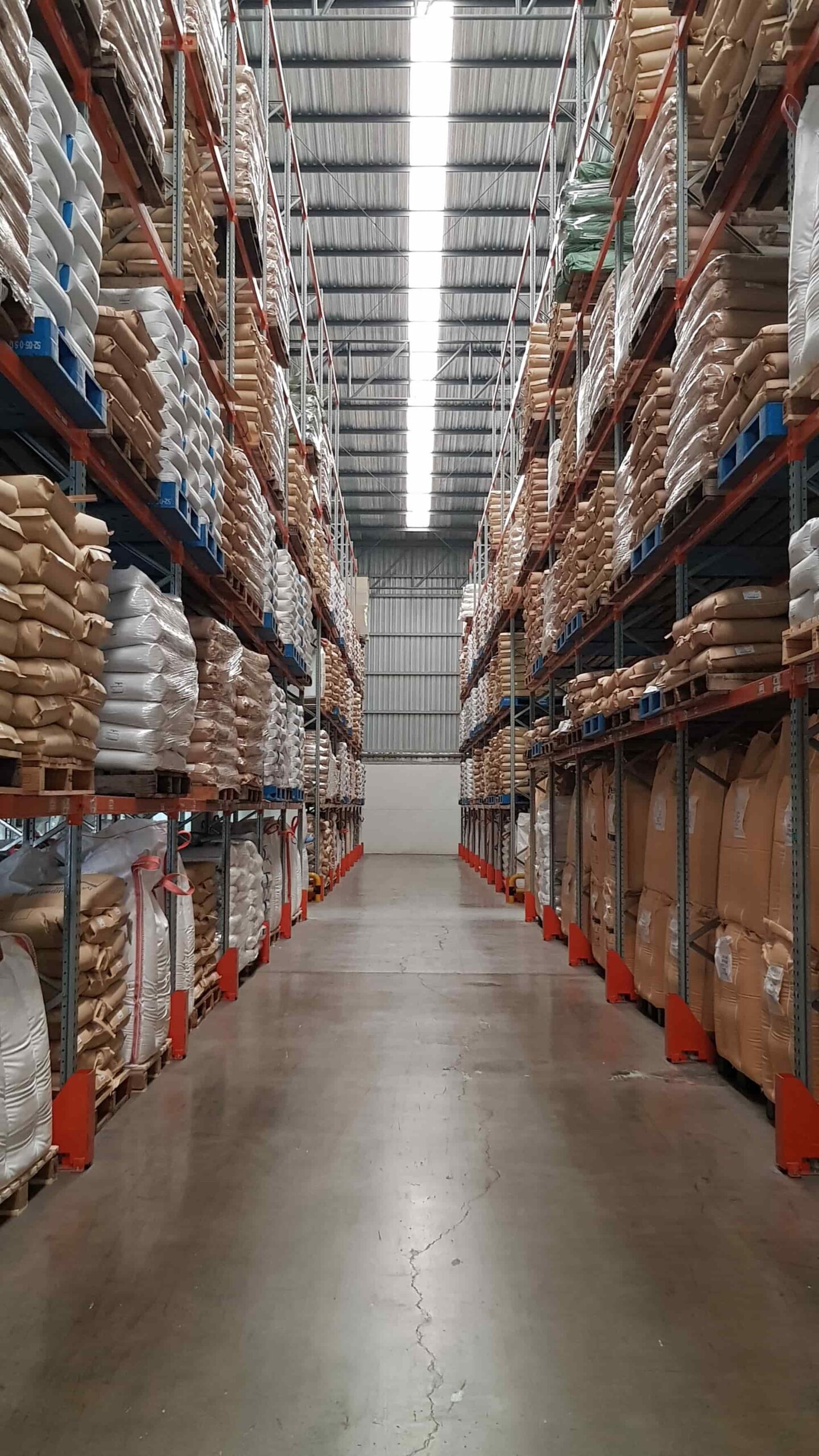 Trans-loading is moving freight from one mode of transportation to another. Unlike cross-docking, which is only truck to truck, trans-loading is transporting cargo between trucks, rail, ships, or planes. An example can be when a containership arrives at a port and is moved to a warehouse by truck. The warehouse is the trans-loader that may sort, pack, and palletize the freight before being reloaded and moved again. Trans-loading differs from intermodal transport since the cargo does not stay in the same container the entire journey.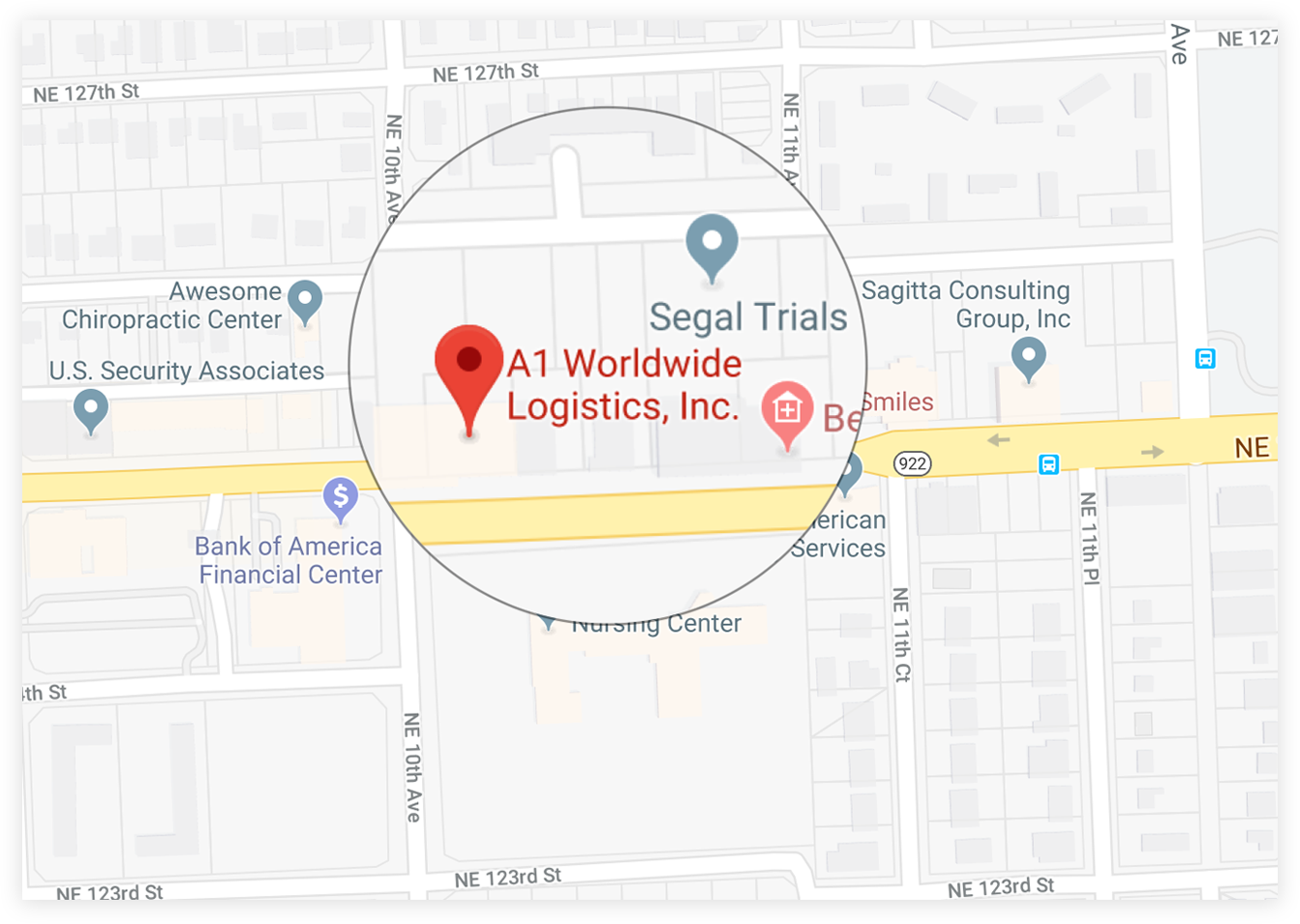
 1035 NE 125th St Suite #320, North Miami, FL 33161.
 a1worldwidelogistics.com
 (305) 821-8995
 Hours: 8AM - 5PM