by Rob Simmons | Sep 8, 2021 | Customs Clearance, Freight Forwarding, Import and Export Experts, Shipping Logistics, Transportation
The current international freight shipping market is seeing a sizeable distribution of spot prices. When shipping containers, a spot price is a cost for moving freight shipments to a certain destination. Earlier this year there was a report that spot prices were high compared to last year, but they still are growing in the present moment. With spot rates growing for certain freight shippers, other shippers are finding a decrease in spot rates, and this can create an unbalanced spread.
The reason that the spread is so wide may be attributed to the current market. Situations such as port congestion and a scarcity of containers created a high demand in the market. The demand in trucking and warehousing has also risen compared to the capacity. Plus, with the holiday season quickly approaching, the demand may increase. This has led to a high push for shippers to get space on a freight vessel, rising the spot rates.
Why are Some of the larger Customers Getting the Leverage?
The trend in the spot rates may be more favorable for larger shippers than mom-and-pop shippers. The larger or more attractive shippers tend to pay fewer spot rates than smaller importers. This is because compared to a smaller shipper, larger freight shippers may offer more benefits for the carrier. Larger freight volumes from big shippers can be attractive to the carriers. Larger shippers may also provide the carrier with lengthy contracts and tend to have an already established relation to the carrier.
Xeneta, a shipping index and a benchmark for comparing ocean freight rates recently did an analysis of the market rates for the China-Los Angeles ports. They reported the short-term market rates had a high and low difference of around $1200 a few months ago. At the same time last year, the China-Los Angeles ports had a high and low difference of only $150. If this trend continues, there is a fear that smaller shippers may not be able to compete in the freight shipping market.
The Dependance on Location
One of the main contributors to the spot prices is where the freight leaves from and the final destination of the shipment. The trans-Pacific is the region in the Pacific Ocean where several countries cross over to do trade. Because of the vast number of countries doing trade in the trans-Pacific market, different countries may have their own market. This also can mean that they have their own spot prices.
For example, shipping from China may be cheaper than shipping from Japan. This is because China has some of the largest container ports in the world and may be able to move more freight in a certain time period. This high volume of freight that is able to be moved can lead to higher profits for carriers.
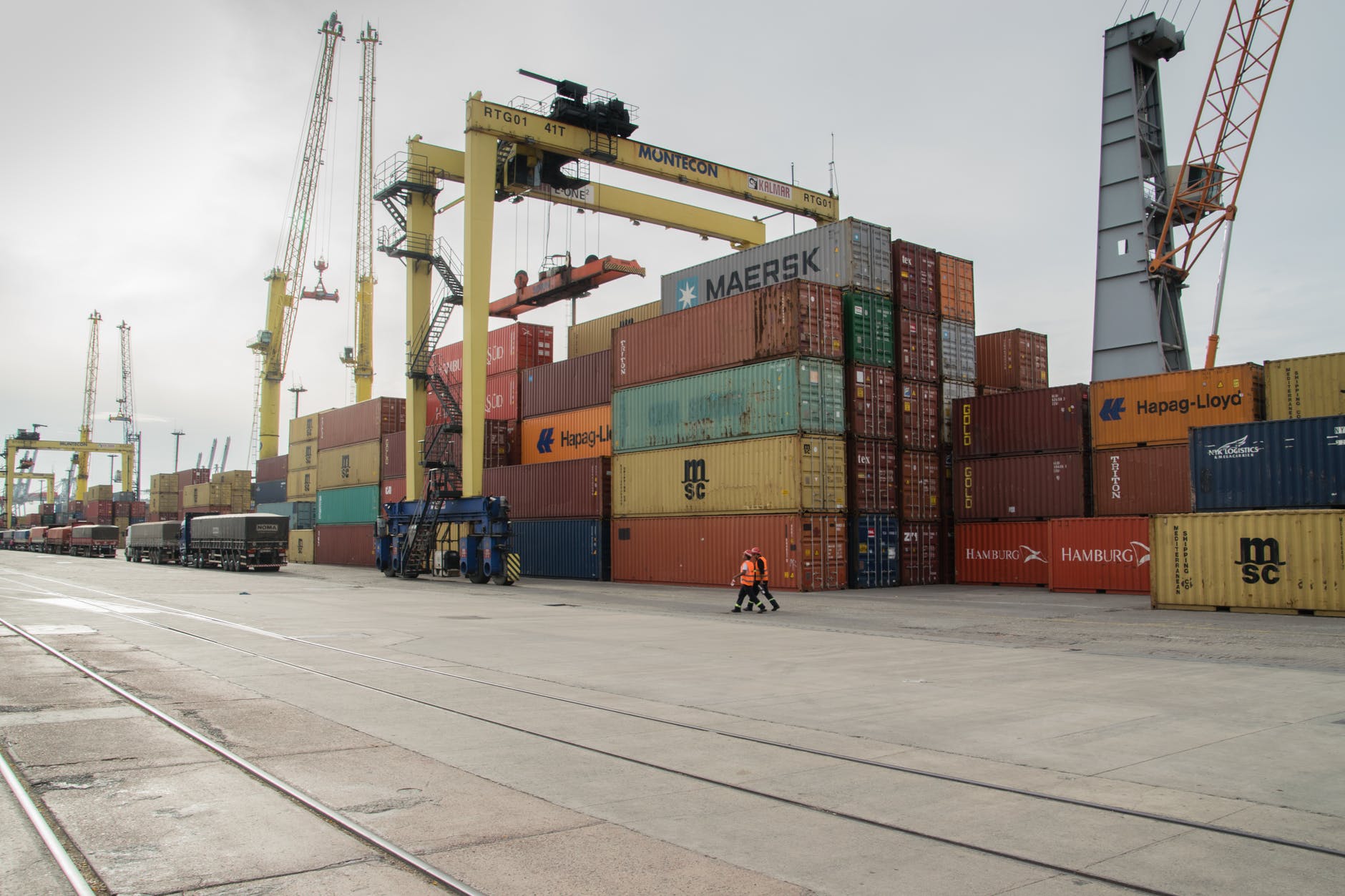
The destination of the freight being moved may also affect the spot price. The port of Los Angeles has experienced an immense amount of congestion in the past year. Even at the present moment, there are freight container vessels waiting to be unloaded. If a shopper plans on moving their freight through this port, short-term rates may be high due to waiting times. Now compare the situation to the Port of Hueneme a few miles away. With less congestion and traffic, the shipping rates per container may be less.
A1 Worldwide Logistics
Knowledge of the international freight shipping market is important when you plan on moving freight. Particularly in the current market, it is critical that you are getting a fair and understandable quote for your shipments. Contact us at 305-821-8995 or at info@a1wwl.com to get a quote on your shipment. Our freight forwarders look for the best quote prices for moving your shipments domestically and globally.
by Rob Simmons | Jul 26, 2021 | Freight Forwarding, Import and Export Experts, Shipping Logistics
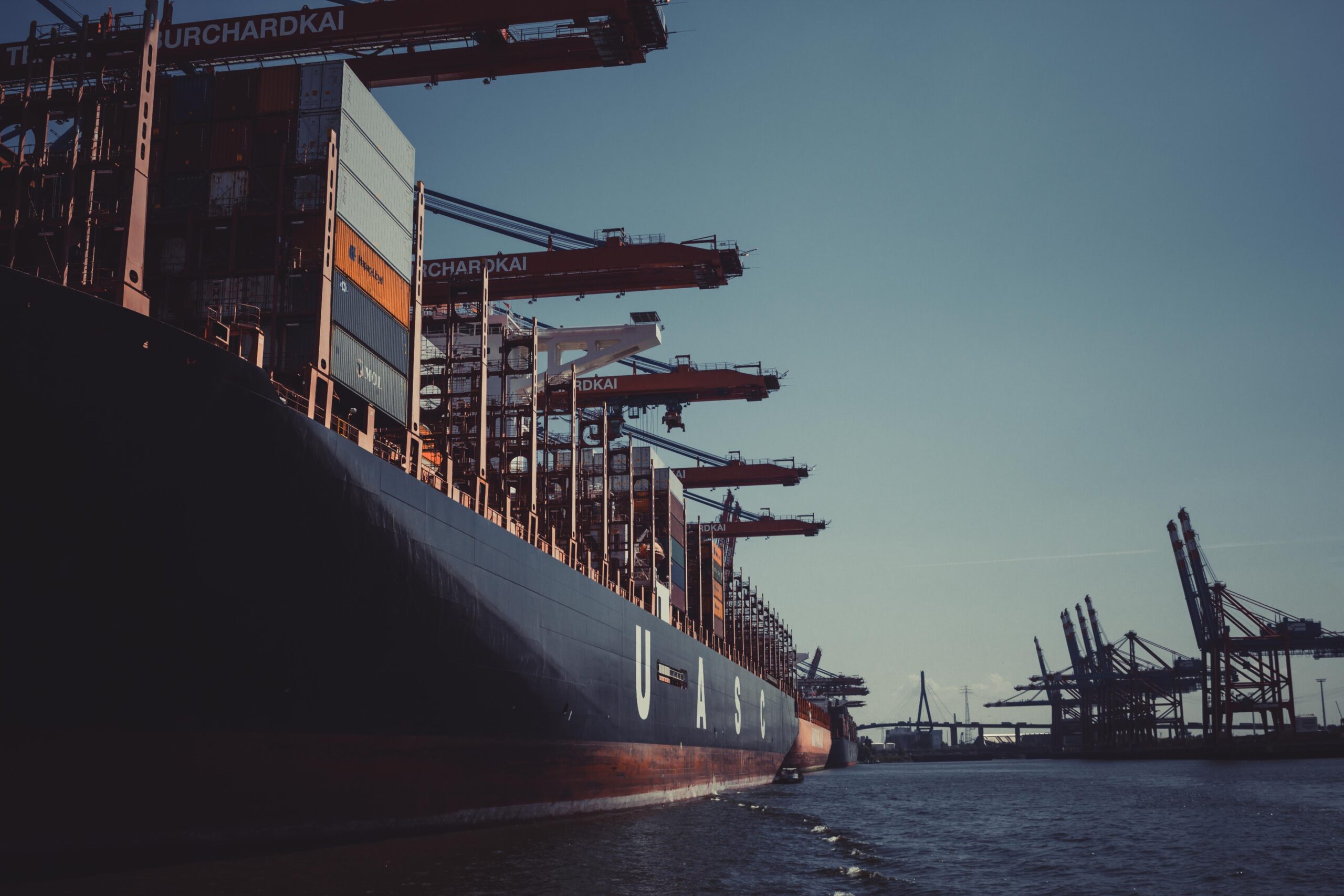
Over the last year, the freight shipping industry has seen various of unfavorable circumstances like rising spot rates and port delays. Other Events, such as a global pandemic and the Ever Given being stuck in the Suez Canal caused difficulties in the shipping industry as well. The Yantian Port, which is part of one of the busiest ports in the world (Shenzhen) has also seen a fair amount of issues.
From delays, congestion, not enough equipment, and port delays, each problem corresponds with another. This is not only limited to the Yantian port but seaports around the world as well. The peak shipping season is said to be between the middle of August the mid-October. As these months quickly approach, there is a concern as to the effect these months will have on the current backlog. Companies that normally rely on shipping have even started using air transport as a method to get their freight across.
What is Causing the Yantian Port Delays?
There are many different factors contributing to the Yantian port situation such as container shortages and a reduced amount of vessels. However, the issues link to a sudden outbreak of coronavirus cases. The number of positive coronavirus cases has recently been growing in Shenzhen China where the Yantian port is located. In late May, the rising coronavirus cases resulted in a 5-day pause for incoming shipments. This added to the already prominent congestion and supply chain disruptions.
The Effects on the Spot Rates
In shipping, a spot rate is a price that is paid to transfer freight to a certain destination. There are many different factors that determine the rate but the higher the rate, the more it will cost to move freight. Over the last few months, spot rates worldwide including the trans-Pacific region have risen to record heights. A potential cause of this may be a large number of delays in the current market.
When a container ship is delayed it means that the vessel is unavailable for usage to ship freight. When the current number of ships goes down, the demand for a ship goes up, and with it, the spot rate. Also, the decrease in available ships leads to a decrease in available containers, hiking the price of a single container.
How Long will this Persist?
The current situation has had an impact on not only the freight forwarding industry but on supply chains globally. The Yantian port connects importers and exporters from China to the rest of the world. Some shippers have even resorted to offering extra on their contracts for containers space to get their goods out on time. With the holiday season quickly approaching, the delays may persist until next year. At the end of the day, only time will tell how long this continues.
If you want to know more about the shipping industry or plan on moving freight and want to be prepared, contact us at 305-821-8995. We at A1 Worldwide logistics are dedicated to helping you navigate the shipping world.

by Rob Simmons | Apr 30, 2021 | Customs Broker, Customs Broker Miami, Customs Clearance, Freight Forwarding, Import and Export Experts, Shipping Logistics, Supply Chain
The value of wine imported into the United States has always been greater than the value of beer imported. However in 2020 this changed, and the value of beer imported into the U.S. surpassed the value of wine. Different theories and methods have been proposed as to why this is happening such as government policy and the coronavirus.
Did Covid-19 Affect This?
A common belief is that the coronavirus led to beer becoming a wanted commodity. This is because, with high levels of unemployment, the level of economic depression went up. This could have led to more consumption of beer. Beer is known for being a countercyclical good, meaning that when the economy is bad, it does well. On the other hand, the import of beer has been increasing and hitting records for over a decade. There may be other reasons why beer is doing so well. Despite the coronavirus may not have an effect on the beer imports it could have affected the wine imports.
Where is most Beer Imported From?
When beer comes into the U.S. it is imported from various countries. Mexico was responsible for over 70% of beer imported in 2020. Mexico’s market share and imports have been steadily increasing over the last 20 years. And this includes the importing of beer. Other countries like Canada, Germany, and the Netherlands have decreased beer imports over that time period, however. A belief is that the proximity of Mexico to the U.S. means that the customer will get their product quicker. Since Mexico is so close it may seem like an ideal country of choice. Instead of further regions.
The Impact of Tariffs on Wine
In 2019 tariffs were placed on wine from France and other countries in Europe before the coronavirus even reached the U.S. The result of this was felt all last year and even in 2021. The importing of French wine dropped greatly. Interestingly, Italy did not have tariffs placed on its wine in 2019. Italy’s wine imports not only stayed relatively steady but surpassed France.
Months after the tariffs were placed on the wine was when the coronavirus hit the U.S. The shutting down of restaurants and bars that order wine internationally added to the decline since they are the largest business sectors that rely on wine. With a 25% tariff and businesses closing, the wine industry felt the effects.
A1 Worldwide Logistics
When importing goods such as wine or beer from a foreign supplier they have to go through customs. The customs clearance process tends to not be simple, and you may be lost if it’s your first time doing it. Finding an experienced customs broker to guide you through the process can save you time and energy. If you are looking for a customs broker, call us at 305-821-8995 or email us at info@a1wwl.com for or information.
by Rob Simmons | Apr 22, 2021 | Customs Broker, Freight Forwarding, Import and Export Experts, Shipping Logistics, Supply Chain, Technology, Transportation
French company Compagnie Fluviale de Transport (CFT) plans on launching the first hydrogen-powered freight vessel later this year. This vessel will solely be for inland use and run fully on hydrogen fuel cells. Pallets and containers will be used to carry the freight on the boat, and it will go through the Seine river. This is all part of the Flagships project, which goal is to reduce toxic gas emissions from freight ships. Five million EUR has been given to the Flagships program for the creation of two hydrogen-powered freight vessels. One of which is currently scheduled to be released in September 2021.
Why Hydrogen-Powered?
Since the development of cargo ships, they have been a huge resource for moving freight internationally. The issue arises when it comes to the pollution that cargo ships generate. Not only may the ocean be polluted during the journey, but greenhouse gases are also being emitted into the air. Add to that the number of cargo ships in the ocean today and it can be a source of concern. Hydrogen is a perfect solution because it does not create the waste that bunker fuel does.
Bunker fuel is currently the main type of fuel oil vessel that carries freight internationally use. This type of fuel is dangerous for the environment and is known as the second leading contributor to global warming. Also, it is predicted that the wells that provide oil will dry up and be unusable in around four decades. Because of this, new energy sources like hydrogen and other renewable energy are an ideal replacement.
What can this mean for the Future?
At the current moment, the plan for the vessel is to just carry freight through the city by inland water channels. If this is successful it may open the gateway for creating hydrogen vessels for the ocean. However, developing a larger hydrogen-powered cargo vessel for the ocean may be a difficult task. This is because Hydrogen is not easily storable. The cost of producing hydrogen is also expensive compared to fossil fuels. Plus, refueling stops for hydrogen-powered ships will also have to be built, costing more money. Despite this the potential benefits of hydrogen as a widely used fuel in the future are grand.
This may be an example for not only freight-carrying vessels but other sources of climate change as well. Car companies may follow along and hydrogen-powered vehicle production may become more common. Hydrogen vessels could be the start of a greater push to a more environmentally friendly future. If international emission reduction goals are to be met worldwide, freight shipping is an important factor.
A1WWL
If you plan on exporting/importing freight, feel free to contact us at 305-821-8995. We have freight forwarders who specialize in getting your goods to the final destination. Along with forwarding by air or ocean, we also provide drayage services.

by Rob Simmons | Feb 5, 2021 | Delivery, Freight Forwarding, Import and Export Experts, Technology, Transportation
Recently, Coca-Cola partnered with DroneUP to deliver their coffee-flavored soda by drone to customers of Coffee County, Georgia. In the past, drones have been discussed as an alternate method of conveyance for lightweight packages that are delivered on the same day. Amazon is a company that brought more awareness to this type of transport with Prime Air. Also, with how popular e-commerce has gotten over the past decade, other companies have followed the trend. With the potential of freight being moved by drones becoming more common, what could be some pros and cons with drone delivery?
Benefits of Drone Delivery
One of the main benefits of using drones is the swiftness of the delivery. Clients can expect their packages in less than a day or in Amazon’s case, in 30 minutes. Shipping costs may also be reduced for last-mile deliveries. Unlike more common methods of conveyance, drones have the advantage of going into distinct places such as rural areas. There is a particular number of locations that cannot be delivered by road. Also, most road vehicles emit carbon dioxide into the air which makes drones more environmentally friendly.
Issues with Drone Delivery
Despite the benefits associated with drone delivery, there have been several complications associated with this method of conveyance such as regulatory regulations. For instance, the Federal Aviation Administration may not give certain companies the approval for the usage of drones as a delivery method. Also, customers may worry that damages to the packages may occur in unfavorable weather conditions or even burglary.
Another issue is that with everyday tasks becoming more automated, drone delivery may replace various jobs. Likewise, drones can also lead to jobs being created. Employees may have to be hired to build and program the drones. Another concern is that the privacy and security of the customer can be affected. Technology such as cameras and GPS will have to be put in place to mitigate any goods being stolen and to guarantee customer protection. Stringent regulations may also be needed to ensure security.
What’s Next
The emergence of drones opened possibilities for new technological advancements in freight forwarding. Currently, drones are only used for small packages that tend to not weigh a large amount and for short distances. What lies ahead could possibly be larger drones that carry heavier freight for greater distances. UPS also plans on collaborating with Verizon to test out the usage of 5G for delivering packages. This partnership may lead to innovations in other aspects of the supply chain for delivering goods to the customer efficiently.

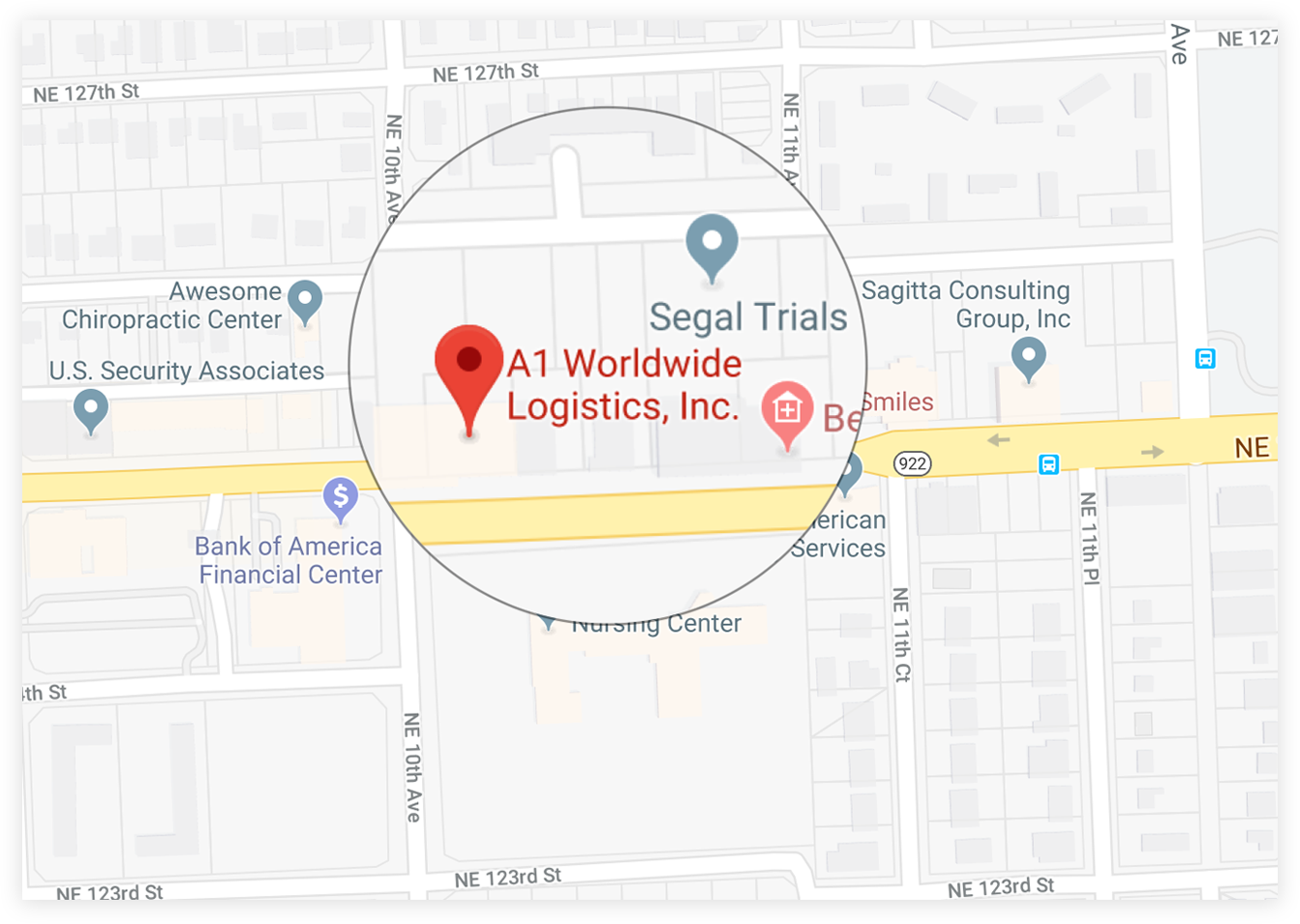
 1035 NE 125th St Suite #320, North Miami, FL 33161.
 a1worldwidelogistics.com
 (305) 821-8995
 Hours: 8AM - 5PM