by A1 WorldWide Logistics | Dec 18, 2025 | Customs Clearance, Importing, Shipping Logistics
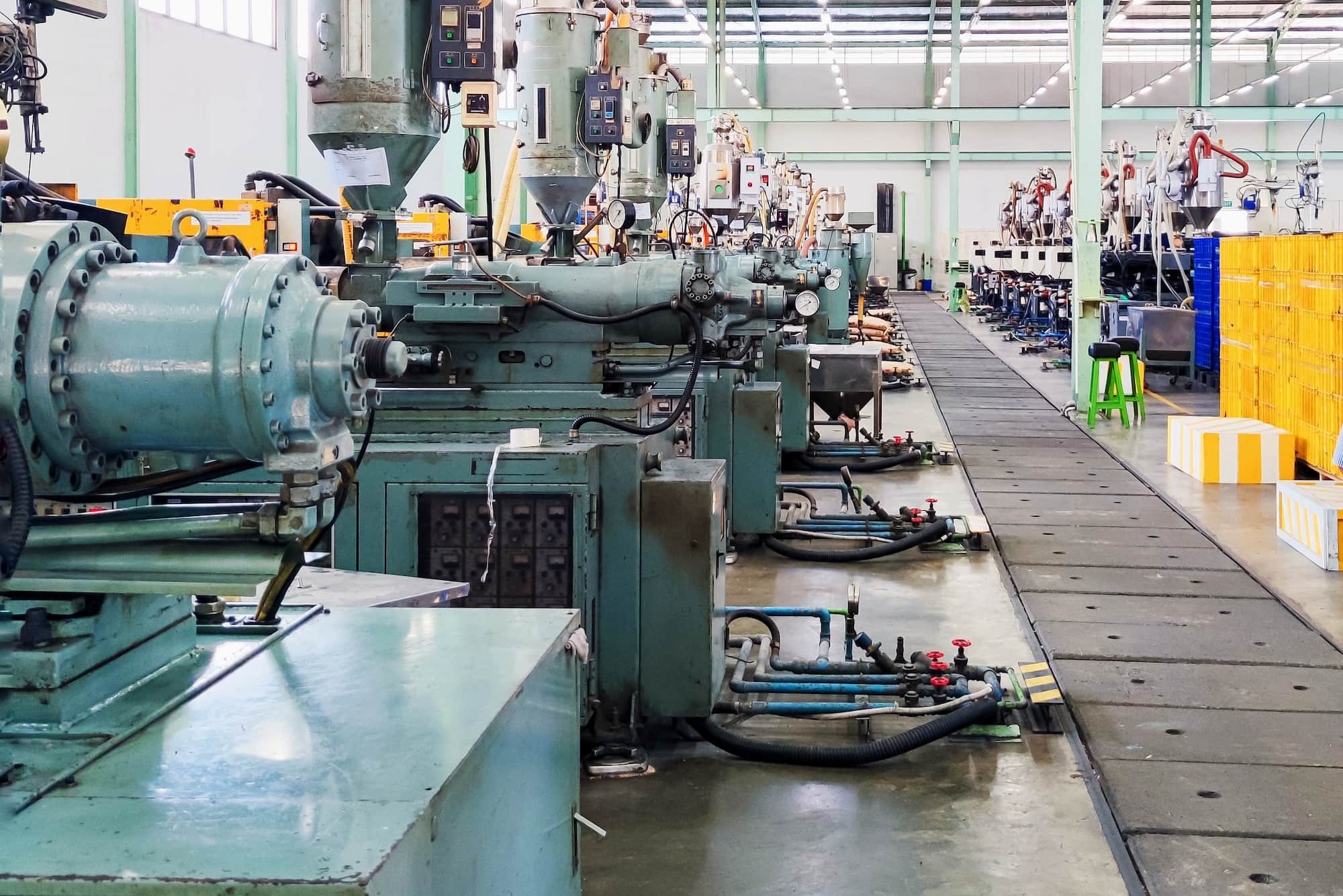
Despite its use across industries, there are several aspects shippers should understand when importing machinery into the US. CBP defines machinery as mechanical equipment that performs a specific function, including equipment used in commercial, industrial, and agricultural operations. Machines also have moving parts to produce, process, or transport goods. Examples include construction equipment, robotics, and electric generators. Cargo such as raw materials, hand tools, and individual spare parts is not classified as machinery by CBP. Due to the number of items that shippers can classify as machines, importing these goods may sometimes be challenging. This article explains the importation process for machines like heavy equipment and what to expect when starting.
What Should You Know Before Importing Machinery Into The US
When deciding whether to import, it is essential to understand the type of machinery you are bringing in. Laws and regulations for importing can vary by machine type. For example, food and medical devices may be subject to additional rules from the FDA (Food and Drug Administration). Used equipment may also be subject to additional requirements, such as EPA emissions compliance and USDA cleaning requirements. It is vital that the shipper properly cleans used machines and declares them as used. The importer should also ensure the correct HTS code is used, with most machines falling under HES chapters 84 (Mechanical Machinery) and 85 (Electrical Machinery).
The HTS (Harmonized Tariff Schedule) is the classification schedule the US uses to impose duties on imports. Contacting a customs broker can be an ideal way to ensure that you have the correct classification. You should also be aware of additional taxes that you may have to pay. Some include Section 301 tariffs, which are common for China-origin machinery, and Section 232 tariffs on steel and aluminum content. Another essential consideration before importing machines is ensuring you have the correct paperwork. Examples of required documentation include:
- Bill of Lading
- Commercial Invoice
- Packing List
- Arrival Notice
- DOT or EPA forms for specific machinery
The importer should also submit an ISF (Importer Security Filing) at least 24 hours before loading an ocean shipment for a vessel bound for the US.
What Is The Process?
When you are ready to import the cargo, it is essential to have the appropriate mode of transport. This can include the ocean, the air, or the land. The mode of transport may affect how long it takes for the shipment to reach the US. For example, air shipping typically takes 5-10 days, while sea shipping takes 20-45 days. You should also determine how you will ship the machine, for example, crated, containerized, ro-ro, etc. When the cargo arrives in the US, CBP will inspect it to verify compliance before releasing it. Providing incorrect documentation can lead to financial penalties and customs seizing the cargo. Once the cargo clears customs, you can contact a freight broker to arrange delivery to the final destination.
While this article explains the process for importing machinery into the US, disruptions can still occur. In turn, this may lead to delays, financial losses, and cargo losses. An ideal way to ensure a successful import is by coordinating with a customs brokerage like A1 Worldwide Logistics. Brokers are licensed individuals or corporations that arrange customs clearance for imports on behalf of the importer. In the US, they ensure compliance with CBP (Customs and Border Protection) regulations. Brokers achieve this by offering solutions like calculating duties, providing documentation, filing entries, and more. Speak to our brokers at info@a1wwl.com or 305-425-9456 to begin importing machinery and other cargo into the US.
by A1 WorldWide Logistics | Dec 11, 2025 | Economic trends, Importing, Shipping Logistics
China hit a $1 trillion trade surplus for the first time on December 8. Over the last 11 months of 2025, China’s surplus reached $1.08 trillion, beating 2024’s $992 billion amount. A trade surplus is the value of how much a country exports that exceeds its imports. In 2025, China’s exports rose to nearly $3.4 trillion while its imports declined to $2.3 trillion. Exports from China rose almost 5.9% year-over-year in November alone, while imports grew about 1.9%. The $1 trillion figure is also significant, given the ongoing trade war between China and the US. With China exporting less cargo to the US, the resulting surplus could significantly impact international shipping.
How Did China Hit A $1 Trillion Trade Surplus?
When President Trump returned to office, the trade war between the US and China escalated. Tariffs imposed by both countries soon rose above 100% until they reached a trade deal. The surplus stems from the actions China took following Trump’s 2024 election victory. Soon after the election, as Trump began imposing tariffs, China started diversifying its exports away from the US. Exports from China shifted to the European Union, Latin America, Africa, Southeast Asia, and other regions. To guard against US tariffs, Chinese companies also established new manufacturing hubs in countries outside China. Many of these hubs manufactured high-tech goods, such as electronics and semiconductors, which contributed to China’s export surge.
Other exports, such as electric vehicles, to countries like Germany and Japan also contributed to the surge. As exports to other countries increased, shipments to China’s largest trading partner, the US, declined. In November, exports to the US fell nearly 28.6%, marking the eighth consecutive month of double-digit declines. Many of the goods Chinese exporters imported into the US were shipped by manufacturers outside China. Another cause of the surplus is that the Chinese yuan is cheaper than that of many trading partners. In turn, this makes Chinese products more affordable to produce and more attractive for customers in other countries.
What Can This Mean For International Shipping?
As China continues to grow as the world’s largest exporter, the effects could soon be felt on international shipping. As the country becomes more attractive to global importers, it could exert greater influence on global pricing and product availability. There is also concern that China’s export surge could exacerbate trade tensions between the US and other countries. Countries that import from China may begin imposing their own tariffs and trade restrictions on Chinese goods. For shippers, this can mean rising import costs, which could be passed on to various parts of the supply chain, including domestic shipping and customers. Many economists also believe that China’s firm reliance on exports could be unsustainable in the long run.
As the international shipping industry continues to evolve, it can be both positive and negative for shippers. Importers unfamiliar with regulations or the shipping process may experience disruptions, including delays. To prevent disruptions, it is advisable to consult a customs broker when starting. Customs brokers are licensed professionals, like individuals or corporations, who facilitate the importation of cargo through a country’s borders. In the US, brokers ensure compliance with CBP (Customs and Border Protection) by offering a range of solutions for shippers. Some of these services include calculating duties, providing documentation, filing entries, offering consultations, and more. Contact our brokers at info@a1wwl.com or 305-425-9456 to ensure a successful importation process.
by A1 WorldWide Logistics | Dec 4, 2025 | Economic trends, Importing, Tariffs
A bilateral trade deal is resulting in the US reducing South Korea’s tariffs on imports. On December 1, Commerce Secretary Howard Lutnick announced that the US will reduce levies to 15% retroactively to November 1. Previously, the US imposed tariffs of up to 25% on South Korean automobiles and other goods. The 25% came from duties the US used under Section 232 of the Trade Expansion Act. Reciprocal tariffs that President Trump imposed under the IEEPA (International Emergency Economic Powers Act) also added to the 25%. In addition to reducing duties to 25%, tariffs on airplane parts from South Korea will be eliminated. The deal will also cap future tariffs on sectors such as semiconductors and Pharmaceuticals at 15%.
Why Is The US Reducing South Korea’s Tariffs?
The main reason for the tariff reduction is a trade deal between the two countries. Along with the US reducing levies, South Korea will invest approximately $350 billion into strategic US industries. Some of these industries include shipbuilding, energy, and others. Once South Korea’s parliament passed legislation, the US implemented its side of the deal, lowering tariffs. Regarding the deal, Howard Lutnick noted, “Korea’s commitment to American investment strengthens our economic partnership and domestic jobs and industry.” Other goals behind the agreement are to “level the field” between the US’s biggest trade partners and strengthen its economy. The US has recently struck deals with major importing countries, such as China and Japan.
A trade deal with South Korea could strengthen the US economy by boosting Korean investments in US industries. In turn, this could create jobs in industries that export goods to Korea, such as the semiconductor industry. One of Trump’s original goals behind issuing reciprocal tariffs was to bring manufacturing back to the US. The trade deal between the two countries includes the Buy America in Seoul initiative. Under the initiative, South Korea will have an annual exhibition of US companies to encourage the export of US goods. By the end of the year, Korea will also release a plan of action for promoting reciprocal trade.
What Can This Mean For Shippers?
Given the volume of imports from South Korea, reduced tariffs can significantly benefit shippers. The most significant impact is that the cost of importing various cargo into the US could decrease. In turn, the cost decrease could be passed on to other parts of the supply chain and ultimately to the customer. The automobile industry, in particular, may be advantaged, since South Korea is one of the US’s largest importers of cars. Domestic shipping could also benefit, as the cost of moving imports to the final destination may decrease. A final Supreme Court ruling overturning Trump’s IEEPA tariffs could further lower import costs.
With South Korea’s tariffs lowering, it may be beneficial to import goods, such as automobiles, into the US. Despite this, importers should be aware of what to expect when starting. Failure to properly prepare can lead to delays, financial losses, and cargo losses. Speaking to a 3PL (Third-Party Logistics) provider is essential when starting. 3PLs are companies that handle various logistical aspects of a supply chain. They do this by offering solutions such as customs clearance, international and domestic shipping, warehousing, and more. 3PLs also educate shippers on how to have a successful shipment. Reach A1 Worldwide Logistics at Info@a1wwl.com or 305-425-9456 to learn about our 3PL solutions for moving your cargo internationally.

by A1 WorldWide Logistics | Nov 26, 2025 | Economic trends, Importing, Supply Chain
The international shipping industry could soon see the top US coffee importer shifting from Brazil. Responsible for nearly 30% of the unroasted coffee brought into the US each year, Brazil is the US’s largest supplier. However, in October, both Peru and Colombia overtook Brazil in the amount of coffee beans imported into the US. Other countries, like Mexico, and producers in Africa and Southeast Asia have also seen a significant growth in coffee imports. In May of 2025, the total amount imported from all countries exceeded 4600 TEUs. This article will explain the reason for the change in coffee imports and what it could mean for the shipper.
Why Is The Top US Coffee Importer Shifting?
A primary reason for the change in coffee-importing countries is President Trump’s tariffs. Since his return to office, Trump has been imposing levies on the US’s biggest trade partners. Some of the justifications include addressing unfair trade practices and strengthening the US economy. In July, Brazil’s tariff rate reached 50% compared to the baseline 10% tax on imports from Peru and Colombia. As a result, shippers have begun diversifying their supply chains by sourcing coffee from countries with lower tax rates. ImportGenius CEO Michael Kanko noted, “The broader lesson to importers has been that they need to diversify their supply chains, which helps keep prices stable and protect them against sudden changes to tariff policy.”
Another goal behind the tariffs was to bring production back to the US to strengthen the economy and create jobs. However, it had the opposite effect, leading to inflation. Insourcing supply chains for products like coffee to the US can also be complicated and costly. The levies on coffee beans imported into the US led to prices rising to nearly 41% above last year’s levels. Due to increasing costs for coffee and other food imports, President Trump recently cut tariffs on 200+ items. On November 15, Trump signed an executive order that removed previous levies on goods like coffee and other foods. As a result, global coffee prices dropped, leading to optimism among importers and roasters.
How Is The Shift Affecting Shippers?
Despite the cost pressures easing and coffee prices lowering, it may be a while before there is a significant change. With the recent tariff spikes and cuts, there is still uncertainty when importing coffee. Other factors, including weather, cost of living, and harvest yields, could directly impact supply chains. Smaller companies may also struggle to fully recover from the high import costs over the last few months. With supply chains still volatile, shippers should continue to diversify their supply chains. Diversifying can include importing from countries other than Brazil, like Peru or Colombia, and even bringing production back to the US.
Due to its popularity, exporting and importing coffee into the US may be an excellent opportunity for shippers. Despite this, there are various parts of the supply chain process you should be aware of when you start. When shipping goods like coffee, it can be beneficial to talk to a freight forwarder beforehand. Forwarders are companies or individuals that coordinate freight movement on behalf of the shipper. They do this by providing services like cargo transport, domestic shipping, customs clearance, warehousing, and more. A1 Worldwide Logistics has forwarding and other services to ensure your shipment’s success. Speak to our forwarders at info@a1wwl.com or 305-425-9456 to begin moving your shipment anywhere internationally.
by A1 WorldWide Logistics | Nov 19, 2025 | Economic trends, Importing, Tariffs
An executive order signed by President Trump on Friday, November 14, has the US cutting Tariffs on 200+ Items. More specifically, the levies that Trump placed on over 200 classifications and eleven categories of agricultural products are now exempt. Some of these food products include beef, coffee, avocados, cashew nuts, tomatoes, and more. On April 5, 2025, Trump began enforcing a 10% baseline tax on all imports into the US. He imposed them under the IEEPA (International Emergency Economic Powers Act (IEEPA) declaring it a national emergency. The recent order will remove specific agricultural goods from the reciprocal tariffs. This article explains the purpose of the exemption and what it will mean for international shipping.
Why is the US Exempting Tariffs On Agricultural Products?
President Trump’s main reason for the tariff rollback is the administration’s progress on numerous trade deals. Since imposing tariffs, the US has reached “framework” deals with agricultural-producing countries such as Guatemala, Brazil, Thailand, and Vietnam. Trump’s original goal in imposing levies was to reduce trade imbalances and address unfair trade practices. An online fact sheet by the Trump Administration noted, “President Trump’s tariff policies have delivered significant and lasting wins for the American people through fair, tough, and strategic trade negotiations, strengthening the US economy and national security while breaking down unfair trade barriers that have harmed American workers for decades.” The new exemptions will begin on November 13 for goods entering the US for consumption, with importers eligible for refunds.
Another reason for the rollback was a response to rising product costs. The tariffs raised the price of imports into the US, which was passed through the supply chain to customers. Trump also imposed tariffs to bring manufacturing back to the US and boost the economy. It had the opposite effect, causing slight inflation and having an opposite effect of increasing manufacturers’ costs. In the last few months, businesses have also pressured the Trump administration, noting that tariffs were hurting supply chains. Critics of the administration believe the rollback is intended to address public discontent before the 2026 midterm elections.
What Can Shippers Expect With The US Cutting Tariffs on 200+ Items?
The most significant impact of tariff cuts would be a decrease in import costs into the US. In turn, this could lead to an increase in imports of agricultural goods from countries previously affected by the levies. Businesses that ship large quantities of goods, such as beef and coffee, will benefit from lower expenses. Domestic shipping will also be affected by the exemption, since trucks typically transport imports to their final destinations. While the rollback may create flexibility, it is not a complete abandonment of tariffs. The Supreme Court will make the final decision on its legality, possibly by mid-2026.
With the amount of tariffs exempted by the executive order, it may be more attractive to import agricultural products. Shippers still should be aware of what to expect when bringing goods into the US. Not understanding the customs clearance process can result in delays and monetary loss. An ideal way to begin is to reach out to a customs broker. Brokers are individuals or corporations that facilitate cargo movement across international borders, calculating duties, handling documentation, and more. In the US, brokers ensure compliance with the CBP (Customs and Border Protection). Contact A1 Worldwide Logistics at info@a1wwl.com or 305-425-9456 to speak with a broker about clearing your goods through customs.

by A1 WorldWide Logistics | Nov 18, 2025 | Customs Broker, Customs Clearance, Freight Forwarding, Importing
Importar aceite de oliva a Estados Unidos puede ser un desafío, especialmente para quienes empiezan. La razón se debe a las diversas regulaciones y procedimientos que el importador debe cumplir. Organismos como la FDA (Administración de Alimentos y Medicamentos) y la CBP (Oficina de Aduanas y Protección Fronteriza) establecen estas políticas. A pesar de ello, EE.UU. es el segundo mayor importador de aceite de oliva del mundo. En 2020, el país representó el 17,9% de las importaciones globales, con más de 403 mil toneladas ingresadas. Los múltiples beneficios del aceite de oliva han impulsado su demanda, especialmente en restaurantes y comercios minoristas. Con el creciente enfoque en la nutrición saludable, los importadores pueden beneficiarse de introducir aceite de oliva en el país.
¿Qué debes saber antes de importar aceite a EE. UU.?
Hay varios aspectos que los importadores deben conocer antes de importar aceite de oliva a Estados Unidos. Es esencial entender las regulaciones de importación. El país de origen también tiene lineamientos que deben cumplirse antes de la exportación.
La FDA es el principal organismo regulador en EE. UU. y suele ser muy estricta con los requisitos. Algunos ejemplos de exigencias de la FDA incluyen:
- Registro de instalaciones alimentarias
- Programa de Verificación de Proveedores Extranjeros (FSVP)
- Aviso previo de importación
La FDA también exige que el aceite de oliva procedente de regiones aprobadas cumpla con las normas de seguridad y esté correctamente etiquetado. No cumplir estos requisitos puede resultar en retrasos o en el rechazo de la importación.
Además de la FDA, el importador debe cumplir con las regulaciones establecidas por la CBP, encargada de hacer cumplir las leyes comerciales del país y de garantizar el cumplimiento de los importadores. Esto busca evitar el ingreso de mercancía peligrosa o prohibida. La CBP también se asegura de que los aranceles se asignen y se recauden al momento de la entrada.
Los aranceles aplicados al aceite de oliva dependen del valor del envío y del tipo de aceite (virgen, extra virgen, orgánico certificado, etc.). La CBP también puede exigir una fianza aduanera si el valor de la carga de aceite es igual o superior a $2,500.
¿Cuál es el proceso de importación?
Antes de salir del país de origen, el importador debe asegurarse de que la carga cuente con el etiquetado adecuado, incluyendo información como fechas de vencimiento, especificaciones, certificados de calidad, entre otros. También es necesario preparar toda la documentación para evitar retrasos. Algunos de los documentos requeridos son:
- Conocimiento de embarque (Bill of Lading) o guía aérea (Airway Bill)
- Factura comercial
- Aviso de llegada
- Certificado de origen
El aceite de oliva también requiere certificados adicionales como:
- Certificado Fitosanitario
- Certificado de Análisis
El aceite de oliva suele enviarse por vía aérea o marítima. Contar con un agente de carga (freight forwarder) facilita encontrar el transportista adecuado según el método escogido.
Una vez que el envío llega a EE. UU., la CBP inspeccionará la carga. Cuando las aduanas libran el producto, el importador puede trasladarlo a su destino final por transporte terrestre.
El proceso de importar aceite de oliva a Estados Unidos puede ser complejo e incluir más pasos que los mencionados en este artículo. Contar con la ayuda de un freight forwarder y de un agente de aduanas puede simplificar significativamente el proceso.
A1 Worldwide Logistics ofrece servicios adicionales para asegurar el éxito de tu importación. Contáctanos al 305-425-9752 para comenzar a importar desde cualquier parte del mundo. Ya sea que traigas aceite de oliva u otra mercancía, te guiamos en cada paso del proceso.

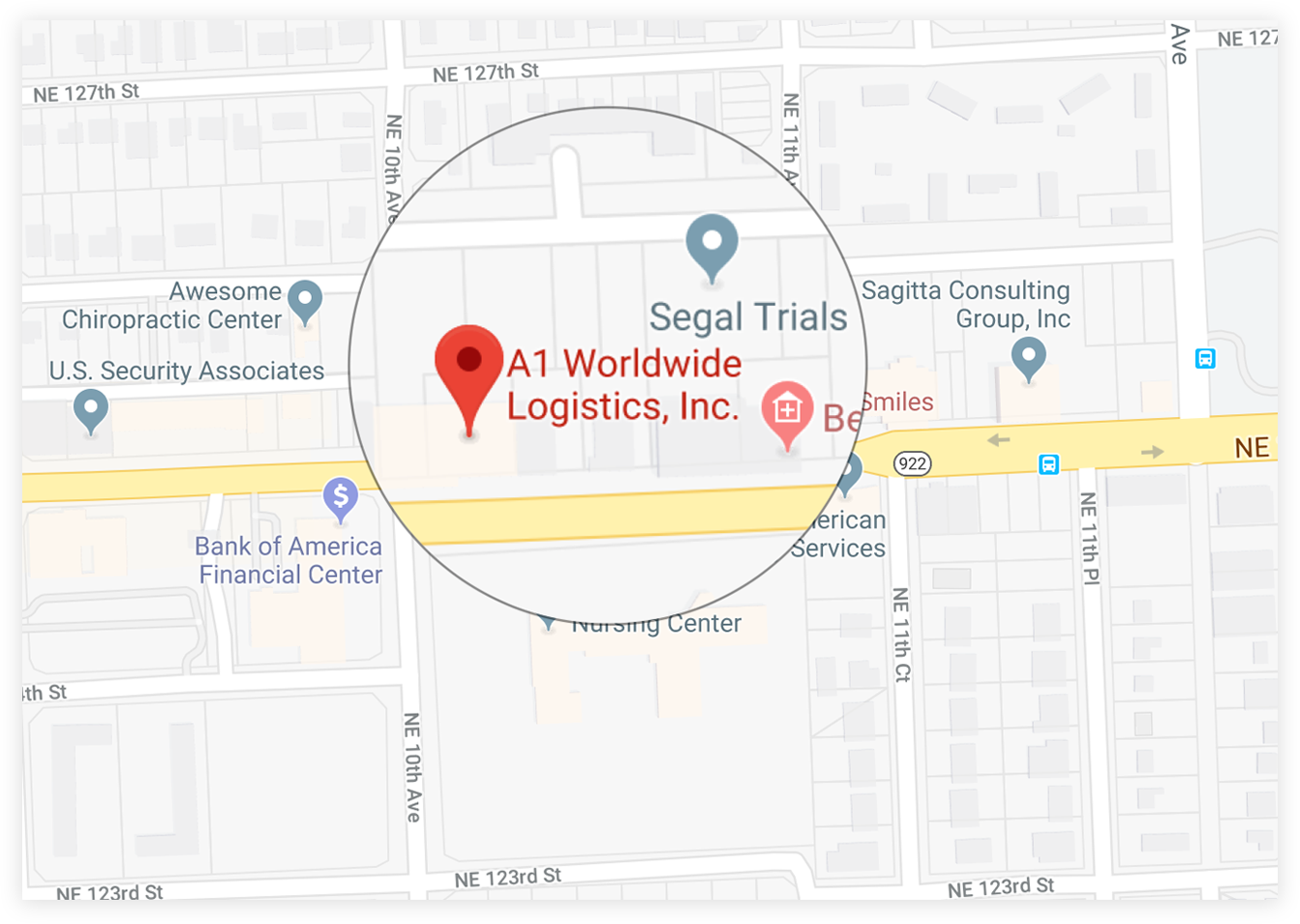
 1035 NE 125th St Suite #320, North Miami, FL 33161.
 a1worldwidelogistics.com
 (305) 821-8995
 Hours: 8AM - 5PM