When shippers bring up warehousing in conversations, a frequent topic is the merchandise they put away. While there is an extensive amount of items kept in warehouses, we can break them down into categories. This article will discuss the common types of goods stored and how warehouses handle them.
Dry Goods
One of the most conventional types of goods stored in warehouses is dry goods. These can range from shoes, furniture, and electronics to packaged food goods. Dry goods are foods stored at room temperature. Specific agricultural and chemical products are not considered dry goods because they must be stored at specific temperatures. Warehouses also ensure they are in excellent condition before moving to the next destination.
Raw Materials
Other common goods stored in warehouses are raw materials such as grains, metal, crude oil, etc. Manufacturing facilities eventually use these materials that they reserve for production to create a final product. Since manufacturers are constantly receiving orders, storing these materials can help them maintain backup stock. Manufacturers may also forecast more accurate delivery dates for incoming orders based on their inventory levels.
Temperature Controlled Goods
These goods must be stored at a specific temperature to prevent damage or spoilage. An example is perishable foods, such as dairy products, that require refrigeration below 40 degrees Fahrenheit. Pharmaceuticals are also temperature-controlled goods that facilities store at specific temperatures. The warehouses tend to have specialized equipment like evaporators, condensers, and airlock systems.
Bulk Items
Oversized or bulk items are goods stored in large quantities in a warehouse. Different types of cargo can be considered bulk, ranging from industrial supplies to liquid products like petroleum. Typically, bulk storage items are palletized and stored in large areas of warehouses; however, there are several types of bulk storage. For example, warehouses store liquids in storage tanks or vats, as well as in intermediate bulk containers (IBCs). Facilities may store bulk goods in other ways, such as floor stacking and pallet racking.
Hazardous Goods
Hazardous materials, or hazmat, are items that may pose a potential threat to people, animals, or the environment. Examples of hazmats include flammable, explosive, toxic, radioactive, or otherwise dangerous items, such as gases, batteries, and pesticides. Because the goods are hazardous, facilities take additional precautions during warehouse storage. Designated ventilated areas that can be dry and cool are used solely for these materials. Safety barriers, warning signs, and proper labels are also required for storing these goods.
A public warehouse is a facility that provides long-term and short-term storage solutions. When shippers move goods across the globe, warehousing is a standard part of the supply chain for many businesses. Compared to regular storage facilities, public warehouses tend to offer more services to their customers. Some examples of the services provided include:
The storage and warehousing of your shipments.
Transportation of cargo to and from the facility to the final destination.
Transloading goods to different containers and cross-docking.
Cargo manipulation and segregation of shipments.
Picking, picking, and crating of cargo.
There are an extensive amount of benefits that renting public warehousing space can provide. One of the main advantages is the revenue that the company or individual may save. For example, storing inventory requires space, which costs money. Renting warehouse space tends to be cheaper during long-term storage. Getting a warehouse can cut transportation costs, and it also moves your goods to your customers for you. Another benefit is the security of your cargo due to technological advancements in warehousing.
How Does A1WWL Cater to Your Warehousing Needs
One of the most significant ways that A1WWL differentiates itself from other companies is by the transparency we offer. We ensure honest and open communication with our clients and address their concerns. Our specialized one-on-one services are tailored to your goals, and your cargo is our highest priority. In addition to the previously mentioned services offered by public warehousing, A1WWL offers flexibility. We understand that the shipping industry is constantly evolving and have solutions to help you adapt.
Are you an individual moving freight internationally, or a company that needs to store its goods for a specific period? Contact A1 Worldwide Logistics at 305-821-8995 or info@a1wwl.com to learn more about our value-adding warehousing services. We can also assist you in Spanish.
In Shipping, many aspects come into getting the supplier’s goods to their customers. One essential part of the supply chain is warehousing. When transporting goods internationally, the shipper may place the cargo in a warehouse before or after shipping it. Also, shipments that arrive in the destination country are liable to taxes and charges before your customer can receive them, so they may be kept in a warehouse before being released.
The Purpose of Warehousing in Freight Forwarding
Warehouses provide numerous services for your goods during the shipping process. Storage is a primary function that allows your goods to be kept in a secure facility for a period. The shipper may store the cargo until they are ready to sell or deliver it to a customer. Meanwhile, protecting those goods from damage or hazard is also a priority in warehousing.
How has warehousing changed over the years?
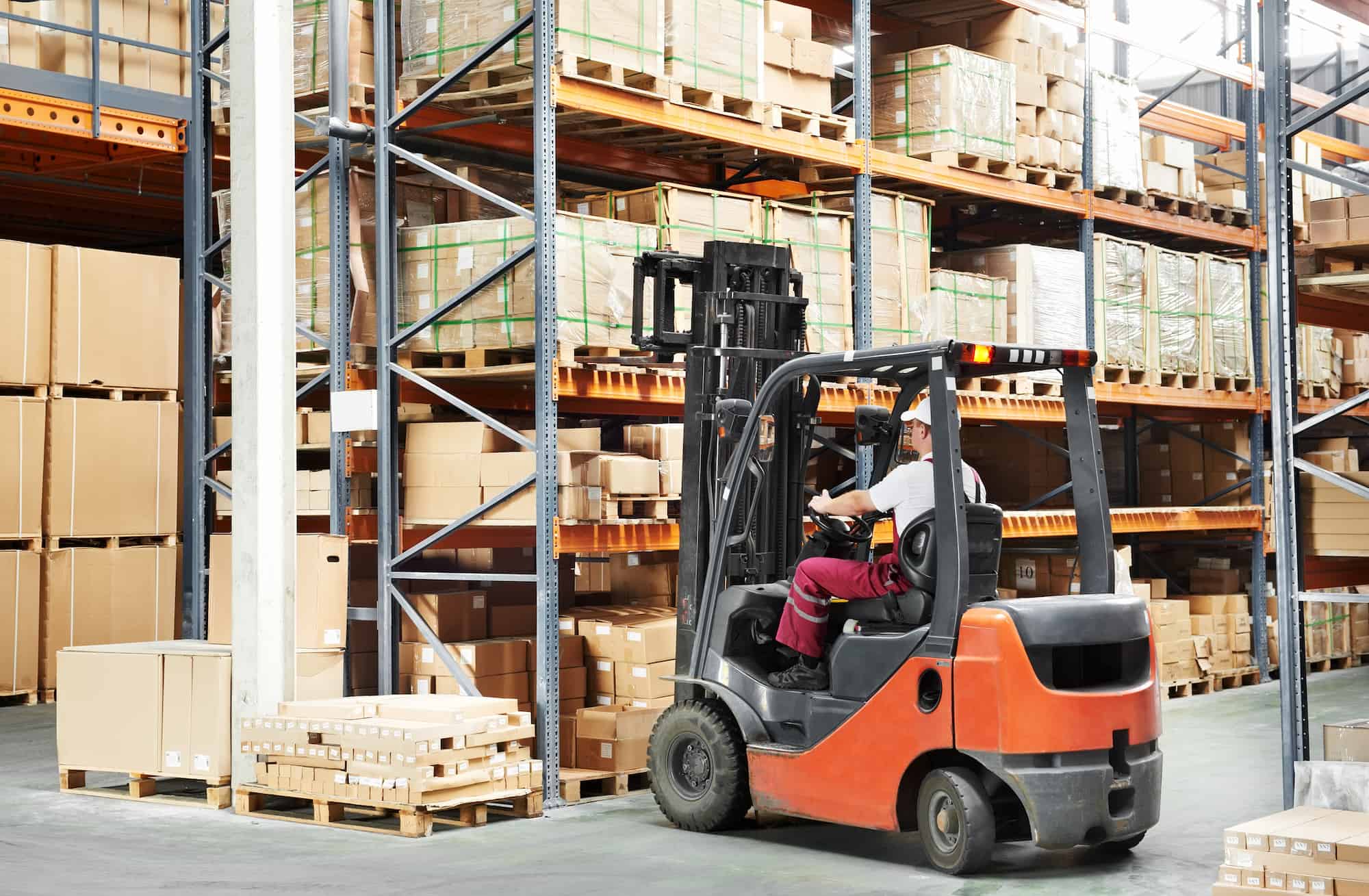
Automation – The technological advancements over the last few decades have led to improved product protection and faster communication within the supply chain. Present-day tractors and forklifts provide easier access to storage while simultaneously increasing workers’ safety.
Location – An increase in warehouses worldwide has improved the supply chain process. As this continues, more customers can participate in the supply chain process compared to the past. Plus, E-commerce has welcomed the creation of even more warehouses to keep up with the demand.
Dimensions – Compared to the past, the overall size of warehouses has increased to hold a broader storage capacity. This helped add variety to the types of products available, since warehouses could now store a broader range of items than before.
Distribution – The advancements in automation and the expansion of locations helped shorten the time it took for products to reach customers. It used to take days or even weeks after the buyer placed an order for them to receive it. Now, same-day deliveries are possible.
Accessibility – Traditionally, large businesses with substantial budgets were the only users of warehouses. However, many smaller businesses and individuals began utilizing warehouses to store their goods more recently. This is due to a combination of the advancements in warehousing and people wanting to manage their own operations.
In international shipping, a common type of treaty between countries is a Free Trade Agreement (FTA). An FTA is an agreement that eliminates trade barriers for exporting and importing and promotes free trade between other countries. The United States currently has free trade agreements with 20 countries, including Panama, Mexico, Peru, Colombia, Morocco, and Singapore. An FTA can be Bilateral between two countries and multilateral between several countries. The U.S is currently part of 12 bilateral and 2 Multilateral FTAs, including the DR-CAFTA and the USMCA (formerly NAFTA). Shippers and countries benefit tremendously from the agreements, which we will explain in this article.
How do the U.S. and other countries benefit from FTAs?
The primary way countries benefit from FTAs is through increased trade with other countries. When FTAs eliminate tariffs and trade barriers, trade becomes more attractive due to the potential profits it generates. The 20 countries that are in FTAs with the U.S. purchase nearly half of the U.S.’s exports each year. The U.S.’s largest trading partner, Canada, imported $357 billion in goods from the U.S. in 2021. Developing countries may benefit from FTA agreements with the U.S. For example, Peru has seen an increase in trade and foreign investment following its agreement with the U.S.
The increase in foreign investment and trade has reduced poverty and created jobs in Peru. Peru has also been able to compete more effectively with neighboring countries thanks to its FTA. Other countries have benefited similarly through FTAs with the U.S. Many in the U.S. believe that free trade means domestic jobs are lost to manufacturers overseas that make the same products. However, many economists see free trade as a potential for growth and an opportunity for a country to open itself to others.
Shippers and companies that want to export their goods and do business internationally also benefit from many advantages under FTAs. As countries can make a profit, individuals looking to sell their products can increase their income. With tariffs gone, importing goods becomes cheaper for the shipper. Fewer trade barriers also help stabilize the trading environment by making it easier for shippers to move their goods. The FTAs also allow U.S. shippers to contribute to the development of product standards in the associated countries.
Starting Your Shipping Journey
Are you a business or an individual looking to start shipping globally? While FTAs are beneficial, there are still many factors to consider when importing and exporting cargo. Shipping goods involves different parts of a supply chain coming together to achieve a goal. If one part goes wrong, the whole journey may be affected, and A1WWL understands this. We are prepared to go above and beyond to coordinate your freight transportation. Contact A1 Worldwide Logistics at 305-821-8995 for a quote to begin your shipping journey. Whether your country has an FTA or not, we help you find the best rate to move your cargo internationally.
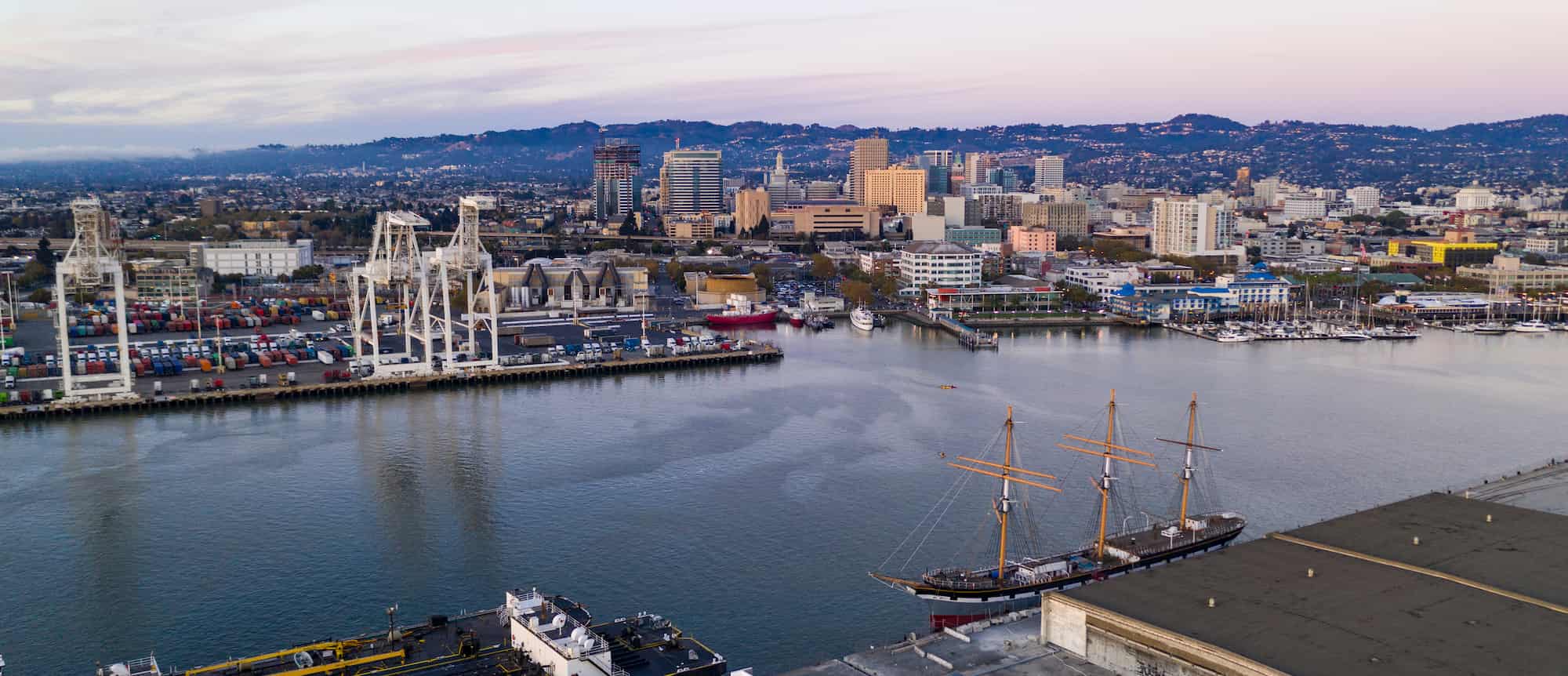
The Port of Oakland was shut down last week due to trucker protests on work law AB5. Hundreds of independent contract truck drivers blocked traffic in three main port terminals. The largest terminal, Oakland International Container Terminal, closed operations due to the protesters’ boycott and containers soon began piling up. After several days of operations’ disruption, authorities relocated protesters to “free speech zones” and now the Port is working with normality.
Why Were the Protests Occurring?
The demonstrations were due to the signing of Assembly Bill 5 (AB5). Under AB5, independent contractors are required to classify themselves as employees, meaning that their amount of flexibility will be restricted. If owner-operators become employees, they must acquire licenses, pay for insurance, and pay required company fees. Owner-operators would also not be allowed to enter lease agreements with carriers for the rights of their service usage. They see AB5 as a dream killer for truckers that come to America in hopes of owning their own business.
In late June, the Supreme Court rejected the California Trucking Association’s request for a hearing regaining AB5. This cleared the law to go forward and angered the truckers to the point of protests. On Thursday evening, police and port executives announced that they were creating designated zones for the protesters and assigning citations. The citations were penalties for anyone blocking the port’s terminals and not complying with the “free speech zones.” Most protestors decided to stop demonstrating and return to work; however, some continued without disrupting operations. Many truckers agreed to look for other solutions instead of protesting.
What Could the Protests have Meant to Shippers?
Yearly, 2.5 million container TEUs pass through the Port of Oakland, making it one of the largest west coast ports. Due to the number of shippers that rely on the port to move their goods, countless supply chains could be affected. Congestion in the Port of Oakland usually results in shippers moving their freight through other ports in California. Since Long Beach and Los Angeles ports are already facing congestion, the bottleneck could increase further. Congestion may create a bottleneck effect not only in California ports but in ports across the U.S.
Dozens of domestic ports are facing congestion, which would exacerbate if shippers decide to use them as alternatives. Shippers may further be affected since trucking is one of the main components of the supply chain. If a substantial number of truckers decide not to do business, the capacity to move containers would be severely limited. Scarce capacity can hike up prices, worsening further the current inflation. Deliveries to shippers or customers of shippers may also delay if no trucks are available and ports are congested.
When adverse circumstances happen in the shipping world, shippers should not deter themselves from moving their goods. However, you must know to take the necessary precautions for whatever may arise. If you are moving freight anywhere domestically or internationally, contact A1 Worldwide Logistics at 305-821-8995 to get started. We will help you through the complex world of shipping and find the best solutions for your transportation needs.
Meet Ali Musayev, an Azeri rug maker who sells carpets at a brick-and-mortar store in Baku, Azerbaijan. Ali was born in Baku and recently inherited the business from his dad, who inherited it from his dad. His grandad Osman originally started the company hoping to escape poverty and provide for his family. When it began, the business became one of Baku’s most significant family-owned rug shops. Shoppers from around Azerbaijan and nearby countries visited this small shop to purchase rugs. Ali’s granddad understood the centuries of importance rugs had in Azeri culture and tailored the carpets to history. Osman crafted every tile and textile with the highest quality material to represent the culture, and customers took note.
From Grandfather to Son
Osman gave all his knowledge in carpet crafting and the shop to his son Nasir before his passing. Nasir grew the company further and preserved Osman’s vision of keeping history and culture alive for decades. A dilemma soon arose that would alter the course of Nasir’s business. International shipping became so popular that Nasir’s customers began buying imported rugs from other stores. This lowered traffic and soon put Nasir’s family in the poverty that Osman had first faced. Nasir was also recently diagnosed with lung cancer. Doctors said that he had a few weeks to live. Nasir had no choice but to pass the company down to his son Ali.
Grandson in Charge
When Ali’s dad became terminally ill, one of his last wishes was for Ali to keep the store running. Burdened by the pressures of his family’s legacy and poverty, Ali has decided to do business in the United States. He understands that to keep the business alive, he has to keep up with international shipping trends. Ali also understands how the internet works and how to market a business virtually. Despite having limited money and resources, Ali decided to visit America in a desperate quest. This trip was to preserve his business, save his wife and children from poverty, and keep his family’s legacy alive.
When in the U.S., Ali not only looked for customers but for ways to export the carpets to them. Since this was Ali’s first time exporting globally, he was anxious and unsure what to expect. However, the pressure to succeed overrode the nervousness, and Ali researched dozens of transportation companies. After analyzing the benefits of each company, one stood out: A1 Worldwide Logistics. The first thing Ali noticed was our slogan, “Global Reach. Personal Touch.” Ali thought about the detail of the culture his dad and grandpa paid attention to when creating the carpets.
From Local to Global Reach
Each carpet was created with high-quality Azeri fabric and tailored to the customer’s needs. The personalized customer service that carried the business for decades could now be scaled globally. Still nervous, Ali decided to contact A1WWL to learn more about the shipping process. Words that Ali had never heard of, such as Customs Brokers, Logistics, and Freight Forwarders were explained to him with simplicity. Ali began to understand what set A1 apart from other companies.
He realized how much we were committed to helping him understand and navigate the complex world of shipping. Fast forward a few months, and his business now reaches several countries, including the U.S. Ali is no longer in debt, his tradition is alive and his family is out of poverty. Contact A1 Worldwide Logistics at 305-821-8995 if you are ready to begin your own shipping journey.
(This story is fictional, has commercial purposes, and is representative of A1WWL’s clients)

 These goods must be stored at a specific temperature to prevent damage or spoilage. An example is perishable foods, such as dairy products, that require refrigeration below 40 degrees Fahrenheit. Pharmaceuticals are also temperature-controlled goods that facilities store at specific temperatures. The warehouses tend to have specialized equipment like evaporators, condensers, and airlock systems.



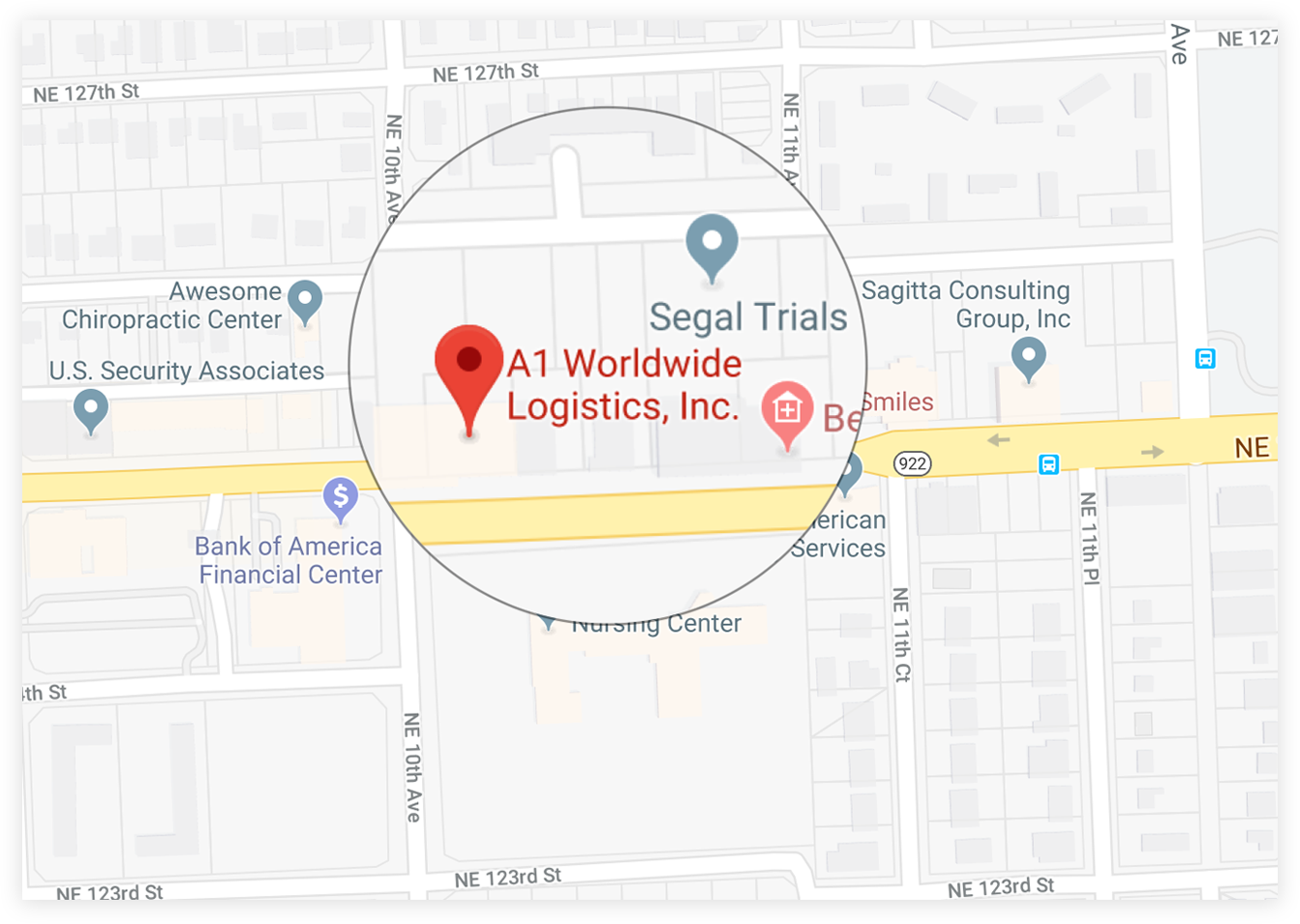
 1035 NE 125th St Suite #320, North Miami, FL 33161.
 a1worldwidelogistics.com
 (305) 821-8995
 Hours: 8AM - 5PM