
by John Oviedo | Mar 4, 2025 | Shipping Logistics
La popularidad de las flores frescas ha ido en aumento en los últimos años. En 2023, el valor total de las flores importadas a los EE. UU. superó los 2500 millones de dólares, de los cuales 1500 millones provinieron de Colombia. Esto resalta la importancia de Colombia para el mercado de flores de los EE. UU. Este artículo describe los requisitos para importar flores de Colombia a los EE. UU. con éxito, para garantizar una operación fluida en su cadena de suministro.
Las flores están altamente reguladas por el Departamento de Agricultura de los EE. UU. (USDA), a cargo de la Oficina de Aduanas y Protección Fronteriza de los EE. UU. Estas regulaciones buscan prevenir la introducción de plagas y enfermedades dañinas en el mercado de EE. UU.
Para comenzar el proceso de importación, primero debe solicitar un permiso del Servicio de Inspección de Salud Animal y Vegetal (APHIS), que permitirá a la empresa importar plantas y productos vegetales. Este permiso debe obtenerse antes del envío. A su llegada a los EE. UU., su envío de flores será inspeccionado por APHIS. Esta inspección verifica el cumplimiento de todas las regulaciones aplicables del USDA. Durante esta inspección, el USDA solicitará el permiso APHIS y el certificado fitosanitario, que debe obtenerse de la agencia correspondiente en Colombia. Dependiendo del tipo específico de flor, pueden aplicarse aranceles e impuestos. Para determinar la tarifa exacta de aduana, se debe usar el código adecuado del Sistema Armonizado (HTS) para clasificar las flores, lo cual es esencial para una correcta evaluación y autorización.
Sin embargo, existen beneficios al importar flores de Colombia. Las flores cultivadas en Colombia pueden calificar para beneficios bajo el Tratado de Libre Comercio que está vigente actualmente. Este acuerdo proporciona tratamiento libre de aranceles para productos que cumplan con los requisitos de origen. Para reclamar este tratamiento libre de aranceles, el importador debe proporcionar un Certificado de Origen junto con la documentación requerida.
Para garantizar una operación eficiente y conforme a las normativas durante el proceso de despacho de aduanas y logística, A1 Worldwide Logistics ofrece servicios completos como corredor de aduanas y agente de carga. Nuestra experiencia en la navegación de las complejidades de las regulaciones comerciales internacionales y la logística asegura que sus envíos florales sean manejados con el máximo cuidado y eficiencia. Podemos asistirle con todos los aspectos del proceso de importación, desde la preparación de documentación y el despacho de aduanas hasta el transporte y la entrega. Contáctenos hoy mismo para obtener más información sobre cómo podemos agilizar sus operaciones de importación de flores.
Bibliografía
*Este artículo también fue publicado en la Revista Metroflor, un prestigioso medio colombiano especializado en floricultura.
by A1 WorldWide Logistics | Feb 27, 2025 | Economic trends, Importing, Shipping Logistics
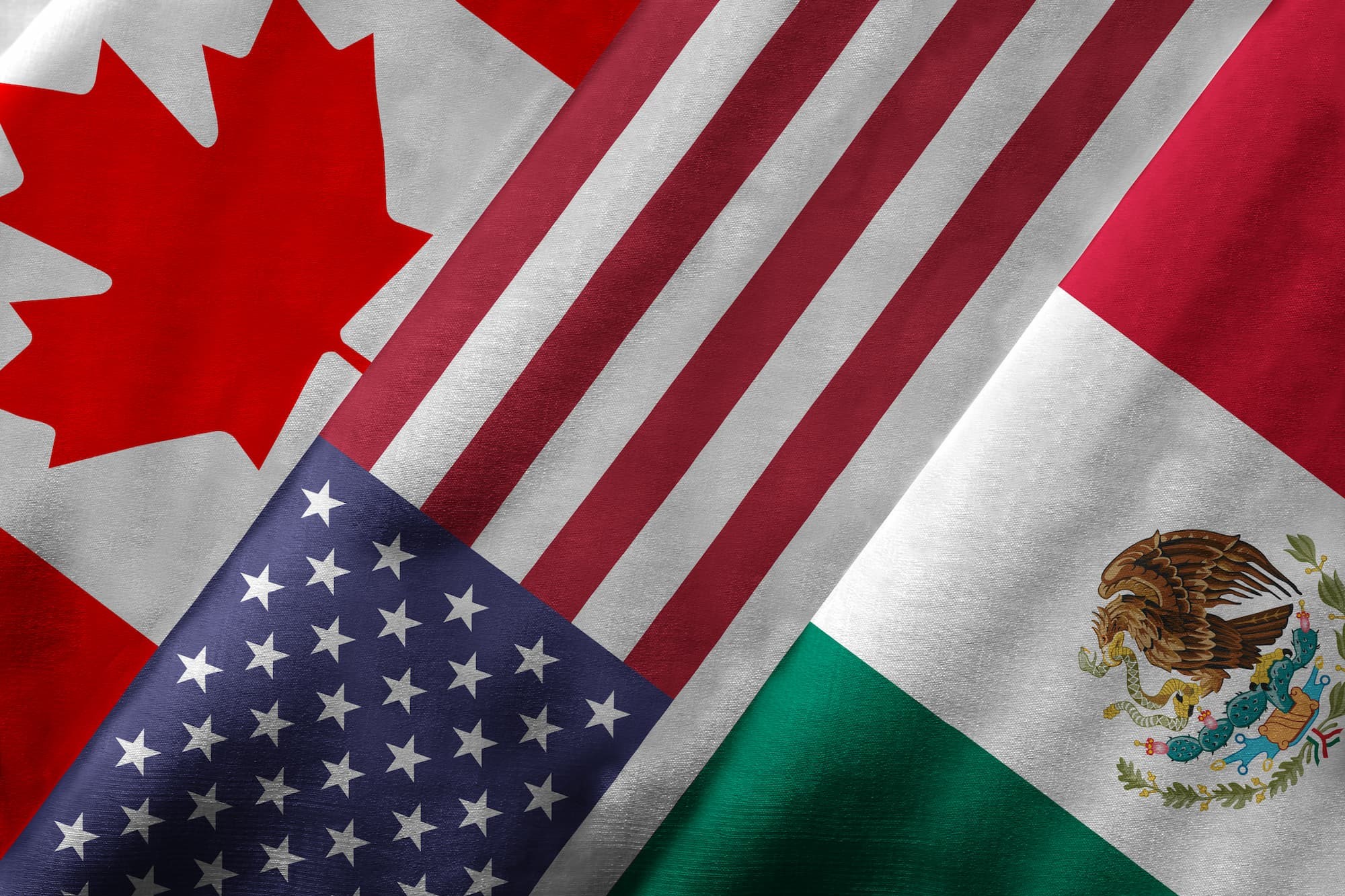
After a postponement in January, President Trump made an announcement regarding the Canada and Mexico tariffs starting next month. On February 24th, Trump said the tariffs “will go forward” and begin on March 4th. Most imports from Canada and Mexico into the U.S. will see a 25% tax hike. Energy product imports from Canada will see a reduced 10% rate. Initially, the tariffs were going to begin in February. However, agreements to enhance border security postponed the enforcement date. Imports from China have already felt a 10% tariff hike. With Canada and Mexico being the most significant trade partners of the U.S., the tariffs will directly impact international shipping.
Why Is Trump Imposing Tariffs?
The goal behind the tariffs is to address illegal immigration and drug importation into the U.S. Trump noted, “Thousands of people are pouring through Mexico and Canada, bringing crime and drugs at levels never seen before.” The majority of illegal fentanyl imports to the U.S. also come from China. Illegal immigration from Mexico was initially the reason for the postponement, to strengthen borders. Another purpose behind the tariffs is to bring manufacturing and business back to the U.S. As companies begin operating in the U.S., they believe it will stimulate the economy and create jobs. Importers and companies have a separate belief that this will hurt the economy and cause inflation.
When President Trump announced the tariffs, Canada and Mexico strongly opposed the enforcement. While the U.S. agreed to delay the tariffs, there are plans for retaliatory measures if the hikes occur. Mexico may enforce possible duties on produce, cheese, aluminum, and steel from 5% to 20%. Canada Prime Minister Justin Trudeau announced potential tariffs of 25% on up to $115 billion in U.S. imports. Trudeau noted, “We didn’t ask for this, but we will not back down.” Despite a more recent announcement by Trump regarding a longer extension to April, the White House announced that the tariffs will start next week. Trump also recently imposed a 25% tariff on steel and aluminum imports and plans to enforce reciprocal tariffs soon.
What Can Shippers Expect With Canada and Mexico Tariff Starting?
China, Mexico, and Canada are the U.S.’s biggest trading partners responsible for most imports. The 25% tariffs on the countries will significantly affect countless supply chains by raising shipping costs and leading to disruptions. Another fear is that the hikes could lead to a trade war, with the countries adding tariff hikes. U.S. Importers may begin bringing goods from other countries to avoid higher prices. Tariff hikes could positively impact domestic shipping if manufacturing returns to the U.S. due to a greater trucking demand.
When shipping cargo internationally, a shipper should be ready for anything impacting their shipment’s success. Along with monetary loss, disruptions can lead to loss of cargo, which can negatively impact a business’s relationship with customers. When bringing goods into the U.S., speaking to a customs broker is an ideal way to prepare. Brokers are licensed professionals who facilitate the clearance of imports across the country’s borders. They do this by handling documents, calculating duties, filing entries, and more. In the U.S., brokers ensure compliance with the CBP (Customs and Border Protection). Contact A1 Worldwide Logistics at info@a1wwl.com or 305-425-4956 to talk to a broker regarding importing into the U.S.
by A1 WorldWide Logistics | Feb 20, 2025 | Economic trends, Shipping Logistics, Supply Chain
After signing an executive order last Thursday, President Trump announced reciprocal tariffs for all U.S. trade partners. These tariffs are separate from the previous ones Trump proposed for imports from specific countries and steel and aluminum imports. The reason behind the taxes is to match the rates that other nations place on imports from the U.S. Trump stated, “They charge the US tax or tariff, and we will charge them the exact tax and tariff, very simple.” A memo released by the White House explains that the policy will target unfair limitations on market access. While the administration argues that these measures will provide trade fairness, many believe it will negatively impact international shipping.
How Will Countries Respond After Trump Announced Reciprocal Tariffs?
When Trump announced reciprocal tariffs, many countries didn’t immediately respond. However, it could soon negatively impact trade relations. Countries that impose higher average tariff rates on the U.S. than vice-versa will mainly feel the effect. An example is India, which charges an average rate of 9.5% on U.S. goods, while the U.S. places a 3% rate on Indian freight. When Trump imposed tariffs on Chinese imports, China responded by levying reciprocal tariffs on various U.S. imports. Other countries like Canada and Mexico reacted by calling recently announced steel and aluminum tariffs unjust. Various U.S. industries, like the automotive sector, will also feel the strain of tax hikes raising manufacturing costs.
While Trump has not signaled any country in particular, the reciprocal tariffs may target the European Union’s VAT system. The VAT (value-added tax) is a consumption tax on goods and services in the European Union. It also includes imports from non-EU countries like the U.S. On social media, Trump noted that the VAT system is more punitive than a tariff and a nontariff barrier. The EU has not responded to the reciprocal tariff, which could strain relations with the U.S. Before Trump enforces the tariffs, cabinet members will assess country-by-country remedies to ensure reciprocal trade relations. The cabinet will also submit a report evaluating the fiscal impact of the tariffs.
Could These Tariffs Affect International Shipping?
The implementation of the reciprocal tariffs can also impact shippers that move cargo internationally. A significant concern for importers is that the tariffs may raise costs for the entire supply chain. Not only in terms of import fees but also the fees that the importer passes on to the customer. Import volumes may also reduce as customers and businesses seek cheaper domestic products. Importers could relocate production or find new suppliers to avoid higher costs, leading to potential supply chain disruptions. Another fear is that the tariff hikes could lead to inflation. Despite this, the Trump administration believes that it is necessary to ratify trade disparities and grow the U.S. economy.
Whether the reciprocal tariffs pass or not should not deter you from shipping internationally. However, you must take the necessary steps to protect your shipment from extra costs and other disruptions. An ideal way to begin is to get assistance from a 3PL (third-party logistics) company. 3PLs are service providers that handle multiple supply chain components, including freight forwarding, customs clearances, warehousing, and more. Reach A1 Worldwide Logistics at info@a1wwl.com or 305-435-9456 to speak to a 3PL provider regarding your shipment’s success.

by A1 WorldWide Logistics | Feb 13, 2025 | Customs Clearance, Importing, Shipping Logistics
Due to its popularity, importing chocolate into the U.S. can be an excellent opportunity for shippers. Especially during holidays like Valentine’s Day, Easter, and Halloween, chocolate imports usually increase due to the demand. While beneficial, the process can be complex for importers due to the steps involved. Failure to import correctly can result in delays, monetary loss, and cargo loss. Disruptions can especially be harmful if the shipper has customers expecting chocolate products. This article will explain the process for importing chocolate and what to expect when starting.
What To Know Before Importing Chocolate Into The U.S.
Before bringing chocolate into the U.S., a shipper must understand the rules and regulations for importation. Chocolate is regulated by the U.S. Food and Drug Administration (FDA) and must follow its requirements. The FDA separates the requirements by chocolate types, including bittersweet chocolate, buttermilk chocolate, chocolate liquor, milk chocolate, white chocolate, mixed dairy product chocolate, skim milk chocolate, and sweet chocolate. Each type has its formulation that shippers must follow, and failure to do so may result in customs holding the goods. The FDA requires that the importer files a Prior Notice before the shipment arrives in the U.S. A Prior Notice includes vital information like shipper, importer, manufacturer information, product details, carrier and arrival information, and more.
The deadline for filing a Prior Notice depends on the method of conveyance. Importers by air have a deadline of four hours before arrival, while importers by sea have eight hours before arrival. It is also essential to understand that chocolate imports have duties and taxes based on the type. A shipper can determine the tariff amount by finding the HTS (harmonized Tariff Schedule) code related to the cargo. When packaging, the labeling should contain the ingredients, nutritional facts, and allergen warnings, like if the chocolate contains peanuts.
The Journey Begins
Once ready to ship the chocolate internationally, shippers can use various conveyance methods, like air, sea, or land. Air can be ideal for speed, while sea is beneficial if you are shipping a large volume. The importer must keep the chocolate at a specific temperature during the journey to prevent melting or spoilage. Before the cargo enters the U.S., shippers must provide the necessary paperwork to the CBP (Customs and Border Protection). Some of the documentation required for customs clearance includes:
- Bill of Lading or Airway Bill
- Commercial Invoice
- Packing List
- Arrival Notice
Importations into the U.S. by sea must also have the importer submit an ISF (Import Security Filing). ISFs detail the content of the cargo, who is importing it, the seller/buyer address, and more. Failure to provide the appropriate documentation can lead to financial penalties and customs seizing the cargo. Once customs releases the shipment, you can contact a freight broker with carriers to move it to the final destination.
When bringing chocolate into the U.S., the shipper must be ready for anything that could affect the shipment. An ideal way to avoid disruptions when importing is by using the help of a customs broker. Brokers are licensed individuals or companies that coordinate the clearance of shipments through customs. They do this by providing paperwork, filing customs entries, paying duties, and more. Brokers also communicate with their clients through customs clearance, educating them. Contact A1 Worldwide Logistics at 305-435-9456 or info@a1wwl.com to begin importing chocolate to the U.S. Along with brokers, we also have freight forwarders, domestic transport, warehousing, and more services for ensuring your shipment’s success.
by A1 WorldWide Logistics | Feb 12, 2025 | Economic trends, Importing, Shipping Logistics
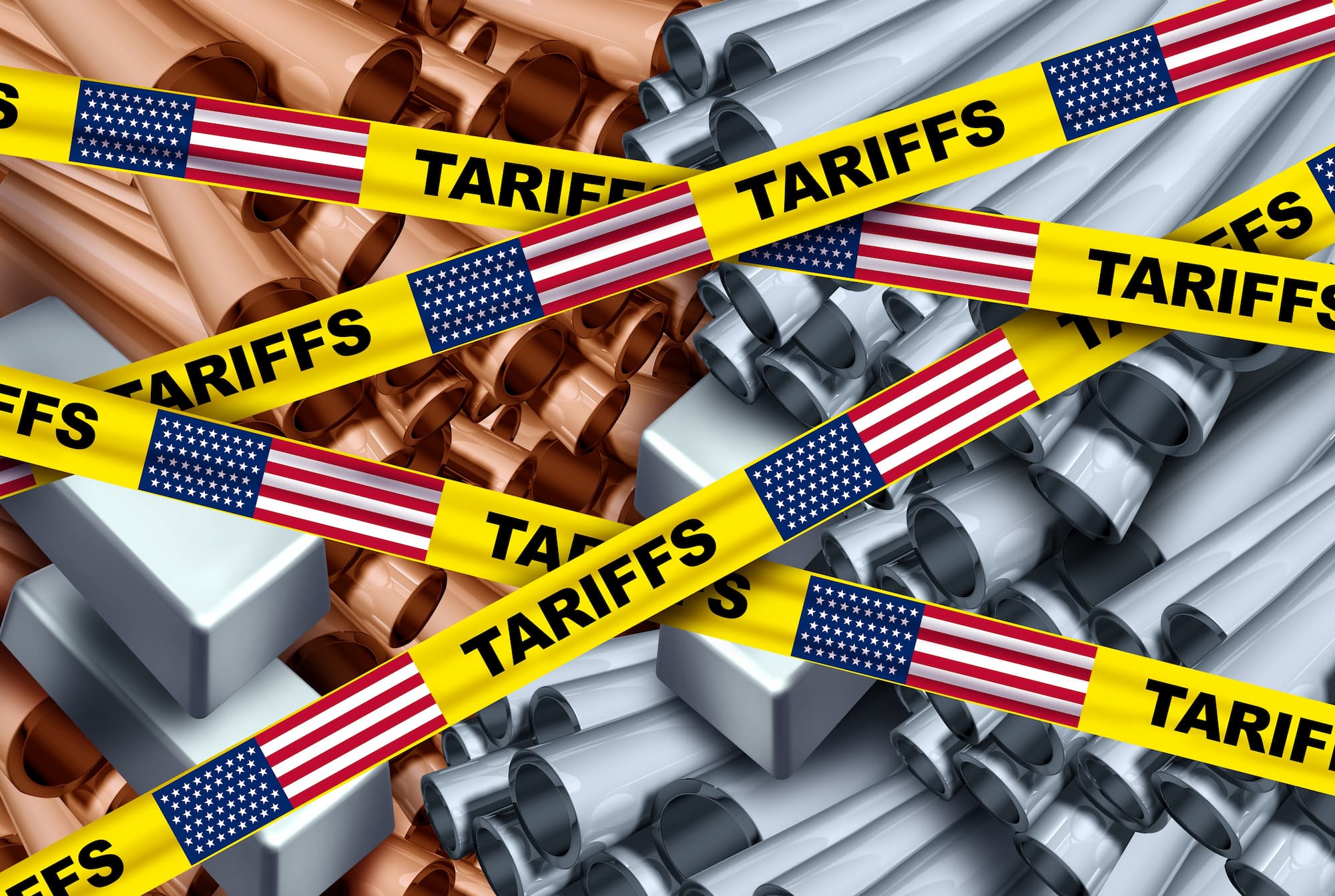
President Trump is imposing new steel and aluminum taxes after signing an executive order on February 10th. Starting March 12th, all steel and aluminum imports into the U.S. will face a 25% tax hike. Trump notes, “It’s 25% without exceptions or exemptions, and that’s all countries, no matter where it comes from”. The executive order is separate from the tariffs Trump announced for China, Mexico, and Canada months ago. During his first term in office, Trump signed a similar 25% tariff on steel but a 10% tariff on aluminum. Aluminum will face a 15% increase compared to the first term. The tariffs will directly impact international shipping due to the importance of these cargo types, the tariffs.
Why is Trump Imposing New Steel And Aluminum Tariffs On Imports?
Over the last few months, Trump has announced various tariffs for imports from different countries. Some of these countries include the most significant importers into the U.S., like Canada, Mexico, and China. A few of the reasons are to stop illegal immigration and the importation of illicit drugs. Trump previously stated, “As everyone is aware, thousands of people are pouring through Mexico and Canada, bringing crime and drugs at levels never seen before.” China is one of the most popular bringers of fentanyl into the U.S. The tariffs also boost the U.S. economy and bring manufacturing back to the U.S. by making importing costly.
During the 2018 price hikes, steel prices surged, increasing domestic companies’ profits. However, an overproduction of steel in the U.S. resulted in prices falling nearly 40% in 2019. This was also due to weakening consumption and retaliatory tariffs from U.S. trading partners. As one of the biggest steel importers, the Canadian government views the tariffs as unjustified and is currently planning retaliatory measures. President of United Steelworkers International, David McCall, said, “Tariffs ultimately hurt workers on both sides of the border.” Along with the executive order is a North American standard requiring steel and aluminum processing in that region.
What Can These Tariffs Mean For Shipping?
Shippers that bring in steel and aluminum from different countries can feel the strain of tariff hikes. Established supply chains could be disrupted by higher transportation costs. Carriers may pass higher freight costs for shipping to the shipper. Greater steel and aluminum production demand could strain manufacturers and cause delays. Unlike the tariffs Trump announced for Canada, Mexico, and China, these are for every country importing. However, tariffs could positively affect domestic shipping since trucks move the cargo to their final destination. A higher volume of U.S. production means greater demand for transport and more profit for truckers.
Shippers must understand what to expect with increased tariffs for various countries and materials. Failure to understand and prepare can lead to supply chain disruptions, resulting in monetary and cargo loss. Another way to ensure a successful shipment is by working with a 3PL (Third-Party Logistics) provider like A1 Worldwide Logistics. 3PLs are service providers that offer numerous solutions for a shipper’s supply chain. These can include transporting cargo, customs clearance, warehousing, and more. They also educate the shipper on the best action to protect their shipment. Speak to an expert at 305-435-9456 or info@a1wwl.com to begin moving goods into or out of the U.S.
by A1 WorldWide Logistics | Feb 4, 2025 | Economic trends, Importing, Shipping Logistics
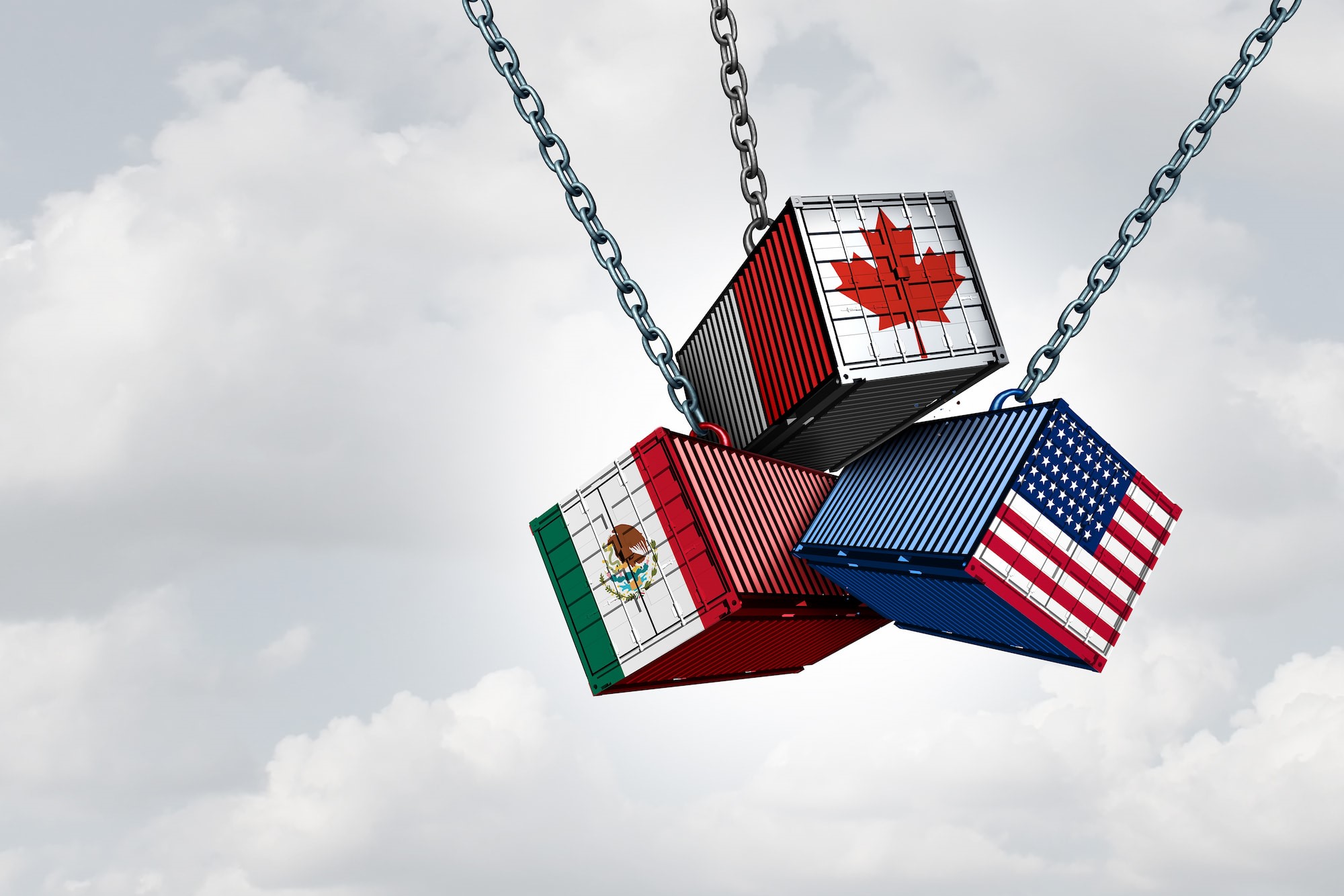
President Donald Trump imposes new import tariffs on top trading partners after months of expectation. On Saturday, February 1st, Trump signed an executive order to enforce a 25% tariff on imports from Mexico and Canada. Canadian energy imports will have a tax increase of 10% separately. The order also includes an added 10% tariff on goods imported from China. Trump implemented the new tariffs through the International Emergency Economic Powers Act (IEEPA). He notes, “This was done through the IEEPA because of the major threat of illegal aliens and deadly drugs killing our citizens.” With the amount of cargo that the U.S. imports from the countries yearly, the tariffs will significantly impact international trade.
What Should You Know As Trump Imposes New Import Tariffs?
In terms of importation, Mexico, China, and Canada are the most significant trade partners of the U.S. Due to the volume of shipments, many supply chains will feel the strain of higher taxes. The tariff hike could increase costs for businesses that import cargo internationally. For example, most of the cars manufactured and imported by the automotive industry are in Mexico. Along with reduced profit margins, the tariffs may result in higher costs that the company passes to customers. The uncertainty for business could result in a short-term economic slowdown. Domestic shipping for drayage services that pick up cargo from ports will also feel the strain from the tariff hike.
Despite the supply chain disruptions, Trump believes these tariffs will benefit the U.S. in the long run. A goal behind the hike is to address legal immigration and drug trafficking. Trump Recently stated, “Thousands of people are pouring through Mexico and Canada, bringing crime and drugs at levels never seen before.” China is also responsible for the majority of illegal importation of fentanyl into the U.S. Another purpose behind the tariffs is to grow the manufacturing of goods within the U.S. instead of relying on importations. A belief is that the increase in tariffs could hurt the U.S. economy and cause inflation.
How Are Mexico and Canada Responding to the Tariffs?
The countries impacted by the new tariffs immediately responded directly following the announcement. Trump spoke to Mexican leaders and Canada’s prime minister, Justin Trudeau, regarding the tariffs on January 3rd. During the meeting, the U.S. and Mexico negotiated a deal to delay the tariffs for one month. Similarly, Canada reached an agreement to postpone the tariffs for one month. The hikes for China will still take place on Tuesday. Once Trump announced the hikes, Canada immediately responded by placing matching 25% tariffs on nearly $155 billion in U.S. imports. Trudeau notes, “Like the American tariffs, our response will also be far-reaching and include everyday items.” China responded to the tariffs by announcing that it would file a lawsuit with the WTO (World Trade Organization).
Shippers should be ready for potential disruptions with the new tariffs significantly impacting international trade. Not preparing can result in monetary loss, delays, and disruptions in supply chains. It is vital to keep current with any news that may impact the status of your shipment. Using the help of a logistics provider is another way to prevent disruptions in your shipment’s transport. Reach A1 Worldwide Logistics at 305-425-9752 or info@a1wwl.com for assistance importing into or exporting out of the U.S. Regardless of the situation, we find the best action to take for protecting your shipment.

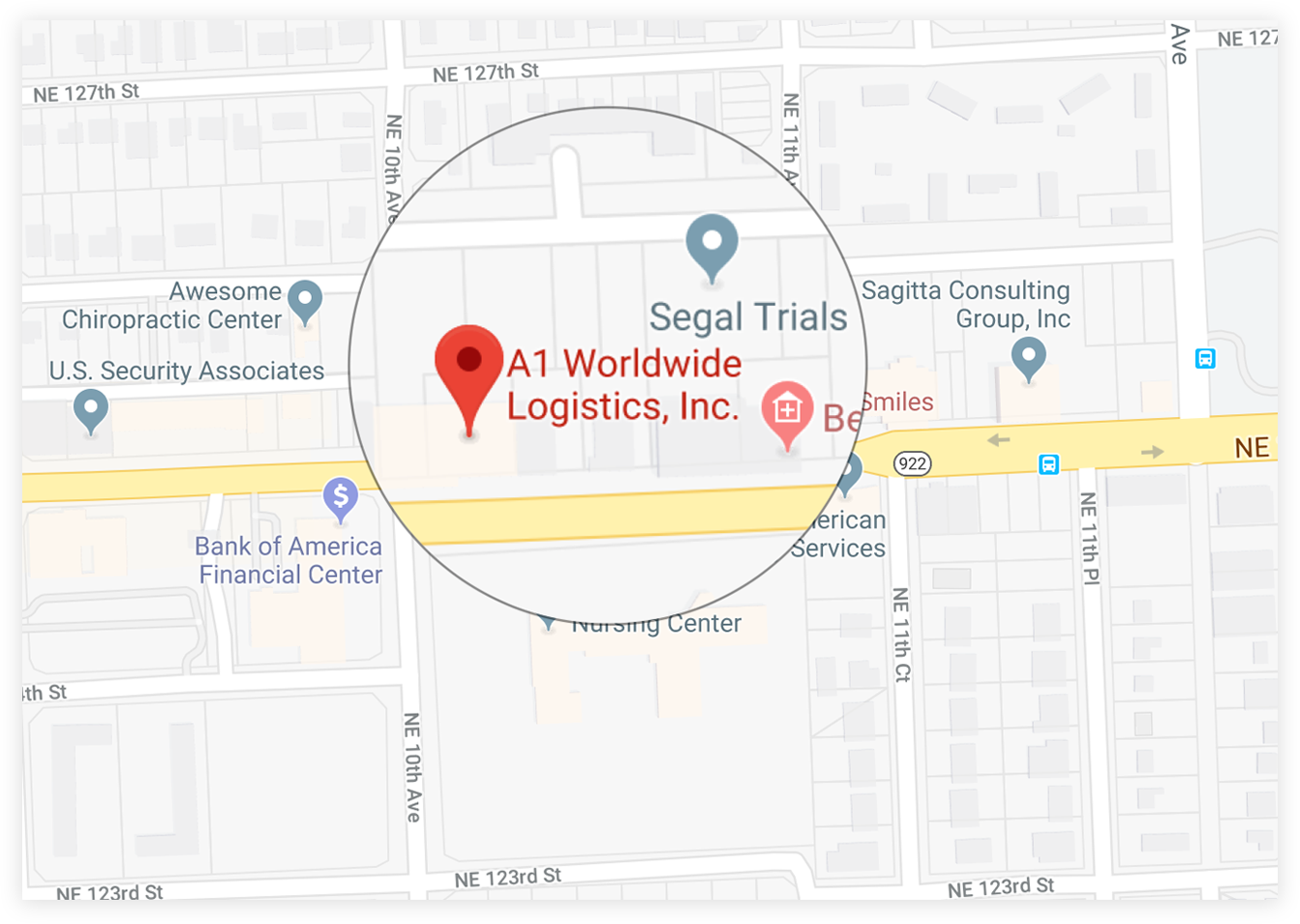
 1035 NE 125th St Suite #320, North Miami, FL 33161.
 a1worldwidelogistics.com
 (305) 821-8995
 Hours: 8AM - 5PM