
by A1 WorldWide Logistics | Feb 20, 2026 | Economic trends, Supply Chain, Tariffs
The Supreme Court ruled against Trump’s tariffs imposed under the International Emergency Powers Act (IEEPA) in a landmark decision. In April 2025, President Trump issued sweeping reciprocal tariffs on all countries importing into the US. Months after the announcement, an appeals court ruled that Trump’s tariffs were illegal in a 7-4 decision. Following the decision, the Supreme Court announced that it would hear the case, and an oral announcement began in November 2025. Due to the case’s significance, the court justices agreed to decide it on an expedited timeline. On February 20, 2026, the Supreme Court ruled that Trump exceeded his authority in imposing levies.
Why The Supreme Court Ruled Against Trump’s Tariffs.
In a 6-3 decision, the Supreme Court justices concluded that Trump could not rely on the IEEPA to impose levies. The belief is that the president cannot impose broad tariffs without definite congressional approval. This affirmation reaffirms that the power to levy taxes lies with Congress. The Trump Administration’s original argument for the levies was to address unfair practices by trading partners and boost the economy. Economists believed it would have a negative effect, hurting the economy by creating inflation. Although reciprocal tariffs issued under the IEEPA were struck down, others issued by Trump under separate laws remain. The president could also use other legal authority to reimpose tariffs.
Trump Response to Supreme Court Tariff Ruling
President Trump’s immediate response was to disapprove of the ruling and express disappointment with the justices. Trump further announced a 10% global tariff under a different legal authority (Section 122 of the Trade Act of 1974). Section 122 replaces the invalidated tariffs for up to 150 days. There is a potential that the Trump Administration may also impose Section 338 of the Tariff Act of 1930. This act allows the president to impose tariffs up to 50% on imports from countries that “discriminate” against the US.
What Can This Mean For Shipping?
Given the volume of goods entering the US, the Supreme Court’s decision will significantly impact shippers. Importing into the US could become less expensive, leading to more goods entering the country. Despite the removal of tariff pressure on international shipping, uncertainty remains in the industry. With the court declaring the tariffs unlawful, importers could be entitled to refunds. Even if refunds happen, only those who meet strict deadlines and compliance protocols may be eligible. We Pay The Tariff, a coalition of 800 small businesses, has begun demanding refunds, launching a national sign-on letter to the Trump Administration and Congress for “full, fast, and automatic” tariff refunds. Currently The Supreme Court does not provide specific guidance for a refund process.

by A1 WorldWide Logistics | Jan 20, 2026 | Economic trends, Importing, Supply Chain
La industria del transporte internacional podría ver pronto un cambio en el principal país proveedor de café para Estados Unidos. Brasil, responsable de casi el 30 % del café verde (sin tostar) que ingresa al país cada año, ha sido históricamente el mayor proveedor de café para EE.UU. Sin embargo, en octubre, tanto Perú como Colombia superaron a Brasil en la cantidad de granos de café importados a Estados Unidos. Otros países, como México, así como productores de África y el Sudeste Asiático, también han registrado un crecimiento significativo en las importaciones de café. En mayo de 2025, el volumen total importado de todos los países superó los 4.600 TEUs. Este artículo explica las razones del cambio en las importaciones de café y lo que podría significar para los transportistas.
¿Por qué está cambiando el principal proveedor de café de EE.UU.?
Una de las principales razones del cambio en los países exportadores de café son los aranceles impuestos por el presidente Trump. Desde su regreso al cargo, Trump ha impuesto gravámenes a los principales socios comerciales de Estados Unidos. Algunas de las justificaciones incluyen combatir prácticas comerciales desleales y fortalecer la economía estadounidense. En julio, la tasa arancelaria de Brasil alcanzó el 50 %, en comparación con el impuesto base del 10 % aplicado a las importaciones provenientes de Perú y Colombia. Como resultado, los transportistas han comenzado a diversificar sus cadenas de suministro, abasteciéndose de café de países con tasas impositivas más bajas.
El CEO de ImportGenius, Michael Kanko, señaló:
“La lección más amplia para los importadores ha sido que necesitan diversificar sus cadenas de suministro, lo que ayuda a mantener los precios estables y a protegerse frente a cambios repentinos en la política arancelaria”.
Otro objetivo de los aranceles era devolver la producción a Estados Unidos para fortalecer la economía y crear empleo. Sin embargo, el efecto fue el contrario, provocando inflación. Reubicar las cadenas de suministro de productos como el café en EE. UU. UU. también puede ser complejo y costoso. Los gravámenes sobre los granos de café importados hicieron que los precios aumentaran casi un 41 % respecto al año anterior. Debido al aumento de los costos del café y otros alimentos importados, el presidente Trump redujo recientemente los aranceles sobre más de 200 productos. El 15 de noviembre, Trump firmó una orden ejecutiva que eliminó los gravámenes previos sobre bienes como el café y otros alimentos. Como resultado, los precios mundiales del café disminuyeron, lo que generó optimismo entre importadores y tostadores.
¿Cómo está afectando este cambio a los transportistas?
A pesar de que la presión de costos ha disminuido y los precios del café han bajado, puede tardar en verse un cambio significativo. Con los recientes aumentos y reducciones arancelarias, aún persiste incertidumbre al importar café. Otros factores, como el clima, el costo de vida y el rendimiento de las cosechas, también pueden afectar directamente a las cadenas de suministro. Las empresas más pequeñas podrían tener dificultades para recuperarse por completo de los altos costos de importación de los últimos meses.
Con las cadenas de suministro aún volátiles, los transportistas deberían seguir diversificando sus fuentes de abastecimiento. Esto puede incluir importar desde países distintos a Brasil, como Perú o Colombia, e incluso trasladar parte de la producción nuevamente a Estados Unidos.
Debido a su alta demanda, la importación y exportación de café a Estados Unidos pueden representar una excelente oportunidad para los transportistas. Aun así, existen varios aspectos del proceso logístico que deben considerarse al inicio. Al enviar productos como café, puede resultar beneficioso hablar previamente con un freight forwarder. Los forwarders son empresas o individuos que coordinan el movimiento de carga en nombre del transportista. Ofrecen servicios como transporte internacional, distribución doméstica, despacho aduanal, almacenamiento y más. A1 Worldwide Logistics cuenta con servicios de freight forwarding y otras soluciones para garantizar el éxito de tu envío. Contacta a nuestros forwarders en info@a1wwl.com o al 305-425-9456 para comenzar a mover tu carga a cualquier parte del mundo.

by A1 WorldWide Logistics | Jan 14, 2026 | Freight Forwarding, Import and Export Experts, Supply Chain
When shipping internationally, having a good freight forwarder can be a deciding factor in your shipment’s success. Freight forwarders are supply chain specialists focusing on moving a shipper’s cargo. They act as intermediaries between the cargo’s shipper and the goods’ final destination. Due to the complexity of international shipping, shippers typically use forwarders to assist with the process. Not using forwarders can lead to issues for beginner and even experienced shippers. Using an unsatisfactory one is as bad and can lead to greater disruptions in the shipping process.
What Can Happen If You Don’t Use A Good Freight Forwarder?
Failure to use a good freight forwarder can result in costly and disruptive impacts to the supply chain. A significant effect is that the likelihood of delays can increase. This can result from the forwarder submitting incorrect or incomplete paperwork, causing ports to hold the cargo. Failure to comply with export regulations can also cause delays. Potential fines for incorrect paperwork can also arise when using an unsuitable freight forwarder. Unexpected costs may also arise from poor rate negotiations and hidden fees the forwarder fails to disclose to the shipper.
What Are Some Qualities Of A Good Freight Forwarder?
Understanding what to look for in a good freight forwarder is equally important as knowing the consequences of a bad one. Some of the major qualities of a good forwarder include:
- Expertise – Forwarders must have an excellent understanding of shipping numerous types of cargo, along with a proven track record.
- Communication – Having constant and excellent communication with customers is vital when helping them navigate international shipping. This can include continual updates and education for the shipper.
- Range of Service – Due to a supply chain’s various components, having numerous services like customs clearance, warehousing, domestic and international transport, etc.
- Compliance – Good forwarders should have a complete understanding of trade regulations to prevent delays and hidden costs.
Looking for a reliable freight forwarder? Contact A1 Worldwide Logistics at info@a1wwl.com or 305-425-9456. We provide full-service solutions for shipments arriving in the U.S. from anywhere in the world. Some of these solutions include customs clearance, freight transport, providing paperwork, warehousing, and more.
by A1 WorldWide Logistics | Dec 31, 2025 | Exporting, Shipping Logistics, Supply Chain
While it is an excellent opportunity for shippers, there are numerous challenges associated with exporting out of the US. The US is one of the world’s largest exporters and an ideal location for reaching other markets. Due to its popularity, US manufacturing companies and individual shippers have benefited from shipping internationally. Despite the benefits, exporting can pose obstacles for both experienced and inexperienced shippers. Failure to understand what to expect and how to prepare can lead to delays, financial losses, and cargo losses. This article explains the challenges of exporting from the US and how to avoid these disruptions.
What Are The Challenges Associated When Exporting Out Of The US?
One of the most significant challenges a shipper can face when exporting from the US is regulatory compliance. There are numerous agencies governing exportations. Examples include the US Customs and Border Protection (CBP) and the Bureau of Industry and Security (BIS). Exporters must ensure compliance with export control laws, sanctions programs, and licensing requirements. Compliance is essential when shipping sensitive goods, including technology, machinery, and dual-use items. Even unintentional violations can result in severe penalties, shipment delays, or denial of export privileges. In turn, this can lead to greater costs and longer exportation times. Another challenge exporters should be aware of is the range of trade policies that can affect their shipments.
A recent example is the trade war the US has been engaged in with multiple countries since President Trump returned to office. In response to reciprocal tariffs, countries such as China imposed levies on US goods. In turn, export costs may rise, and exporters may have to adjust target markets and pricing to offset the impact. Exporters should also be aware of potential logistics issues, including port congestion that can cause delays. Congestion can also make it harder for shippers to secure containers and lead to vessel cutoffs. Packaging and labeling also must meet international standards to prevent rejections on vessels.
How Can Shippers Prepare?
Given the challenges of exporting from the US, shippers must prepare accordingly. Before starting, exporters must understand the requirements of governing agencies such as CBP. The requirements depend on the cargo that the shipper is transporting. An example is medical devices, which require Food and Drug Administration (FDA) approval before being exported from the US. Speaking with a freight forwarder can provide an idea of what to expect, including the required paperwork. Standard documents necessary for exportation include:
- Commercial Invoice
- Bill of Lading
- Packing List
- Certificate of Origin
Certain exports, such as hazardous materials and pharmaceuticals, may also require specialized permits. Minor documentation errors can lead to customs holdups, fines, and port rejections. Shippers must also choose their mode of transport, typically by sea, air, or land. It is beneficial to use drayage services when transporting goods to a port for international shipment.
Exporting from the US typically involves multiple components of the supply chain. Preparation includes additional parts not mentioned in the article. Reaching out to a 3PL (Third-Party Logistics) provider like A1 Worldwide Logistics is an ideal way to get started. A 3PL is a company that handles various supply chain functions for a client. These include freight forwarding, customs clearance, domestic shipping, warehousing, and more. 3PLs also offer consulting services to help you navigate challenges when exporting your shipment. Contact A1 Worldwide Logistics at info@a1wwl.com or 305-425-9456 to learn about our 3PL services for ensuring your export’s success.

by A1 WorldWide Logistics | Nov 26, 2025 | Economic trends, Importing, Supply Chain
The international shipping industry could soon see the top US coffee importer shifting from Brazil. Responsible for nearly 30% of the unroasted coffee brought into the US each year, Brazil is the US’s largest supplier. However, in October, both Peru and Colombia overtook Brazil in the amount of coffee beans imported into the US. Other countries, like Mexico, and producers in Africa and Southeast Asia have also seen a significant growth in coffee imports. In May of 2025, the total amount imported from all countries exceeded 4600 TEUs. This article will explain the reason for the change in coffee imports and what it could mean for the shipper.
Why Is The Top US Coffee Importer Shifting?
A primary reason for the change in coffee-importing countries is President Trump’s tariffs. Since his return to office, Trump has been imposing levies on the US’s biggest trade partners. Some of the justifications include addressing unfair trade practices and strengthening the US economy. In July, Brazil’s tariff rate reached 50% compared to the baseline 10% tax on imports from Peru and Colombia. As a result, shippers have begun diversifying their supply chains by sourcing coffee from countries with lower tax rates. ImportGenius CEO Michael Kanko noted, “The broader lesson to importers has been that they need to diversify their supply chains, which helps keep prices stable and protect them against sudden changes to tariff policy.”
Another goal behind the tariffs was to bring production back to the US to strengthen the economy and create jobs. However, it had the opposite effect, leading to inflation. Insourcing supply chains for products like coffee to the US can also be complicated and costly. The levies on coffee beans imported into the US led to prices rising to nearly 41% above last year’s levels. Due to increasing costs for coffee and other food imports, President Trump recently cut tariffs on 200+ items. On November 15, Trump signed an executive order that removed previous levies on goods like coffee and other foods. As a result, global coffee prices dropped, leading to optimism among importers and roasters.
How Is The Shift Affecting Shippers?
Despite the cost pressures easing and coffee prices lowering, it may be a while before there is a significant change. With the recent tariff spikes and cuts, there is still uncertainty when importing coffee. Other factors, including weather, cost of living, and harvest yields, could directly impact supply chains. Smaller companies may also struggle to fully recover from the high import costs over the last few months. With supply chains still volatile, shippers should continue to diversify their supply chains. Diversifying can include importing from countries other than Brazil, like Peru or Colombia, and even bringing production back to the US.
Due to its popularity, exporting and importing coffee into the US may be an excellent opportunity for shippers. Despite this, there are various parts of the supply chain process you should be aware of when you start. When shipping goods like coffee, it can be beneficial to talk to a freight forwarder beforehand. Forwarders are companies or individuals that coordinate freight movement on behalf of the shipper. They do this by providing services like cargo transport, domestic shipping, customs clearance, warehousing, and more. A1 Worldwide Logistics has forwarding and other services to ensure your shipment’s success. Speak to our forwarders at info@a1wwl.com or 305-425-9456 to begin moving your shipment anywhere internationally.
by A1 WorldWide Logistics | Nov 14, 2025 | Economic trends, Shipping Logistics, Supply Chain
The US shutdown has ended with President Trump signing a bill passed by Congress on Wednesday, November 12. Since October 1, the US has been experiencing the longest government shutdown in its history, which has lasted 43 days. The bill signed by Trump will reopen most agencies and restore government funding through January 30, 2026. While the funding is only for January of next year, it will give time to negotiate the next funding round. Despite the signing, various sectors, such as travel and commerce, may take weeks to recover from the pause. With the potential impact the shutdown would have had on shipping if it continued, its end could significantly benefit shippers.
Why Was The US In A Government Shutdown?
The primary cause behind the shutdown was a failure to agree on an operations funding bill. In particular, Congress failed to pass the required appropriations to fund government agencies in the next fiscal year. The disagreement centered on the future of insurance subsidies under the ACA (Affordable Care Act). While Republicans wanted a bill that did not include the subsidies, Democrats would not agree to a bill without them. The result was a shutdown that caused widespread disruptions for numerous US sectors and the economy in multiple ways. For example, in the 43-day shutdown, nearly 900,000 federal employees were furloughed and sent home without pay.
Many of the employees who were furloughed due to the shutdown worked in agencies that directly impact international shipping. Some of these included the CBP (Customs and Border Protection), FDA (Food and Drug Administration), and EPA (Environmental Protection Agency). The result of limited workers was that supply chain processes took longer than usual. A shortage of workers available to inspect importations resulted in longer customs clearance times. With the shutdown also furloughing port workers, transport times increase due to greater port congestion. The delays can fall on truckers who pick up containers from ports due to higher costs. Air cargo was also affected by a 10% reduction in travel capacity at the US’s 40 busiest airports.
What Can Shippers Expect Now That The US Shutdown Has Ended?
As US industries recover from the shutdown, so could importing and exporting internationally. Rising costs that shippers expected due to delays could lessen as ports and carriers return to normal capacity. Shipping times could also return to normal, with various agencies involved in customs clearance resuming regular operations. An example includes specific imports that require certifications from partner agencies, such as the FDA and EPA. It may also be safer to transport perishable cargo, such as certain foods that can spoil due to delays. Despite the current shutdown ending, there is a risk that another shutdown can occur if a final funding agreement is not made by the January 30, 2026, deadline.
With the government shutdown now over, shippers may feel more confident about shipping their cargo internationally. While it can be beneficial to ship during this time, they must prepare correctly when starting. Not being prepared can lead to disruptions, resulting in delays, financial losses, and cargo loss. An ideal way to begin is by contacting a 3PL (Third-Party Logistics) provider, such as A1 Worldwide Logistics. A 3PL is a company that handles various aspects of its clients’ supply chains. These include freight forwarding, customs clearance, warehousing, Domestic shipping, and more. Reach us at info@a1wwl.com or 305-425-9456 to learn about our 3PL services for the success of your shipments.

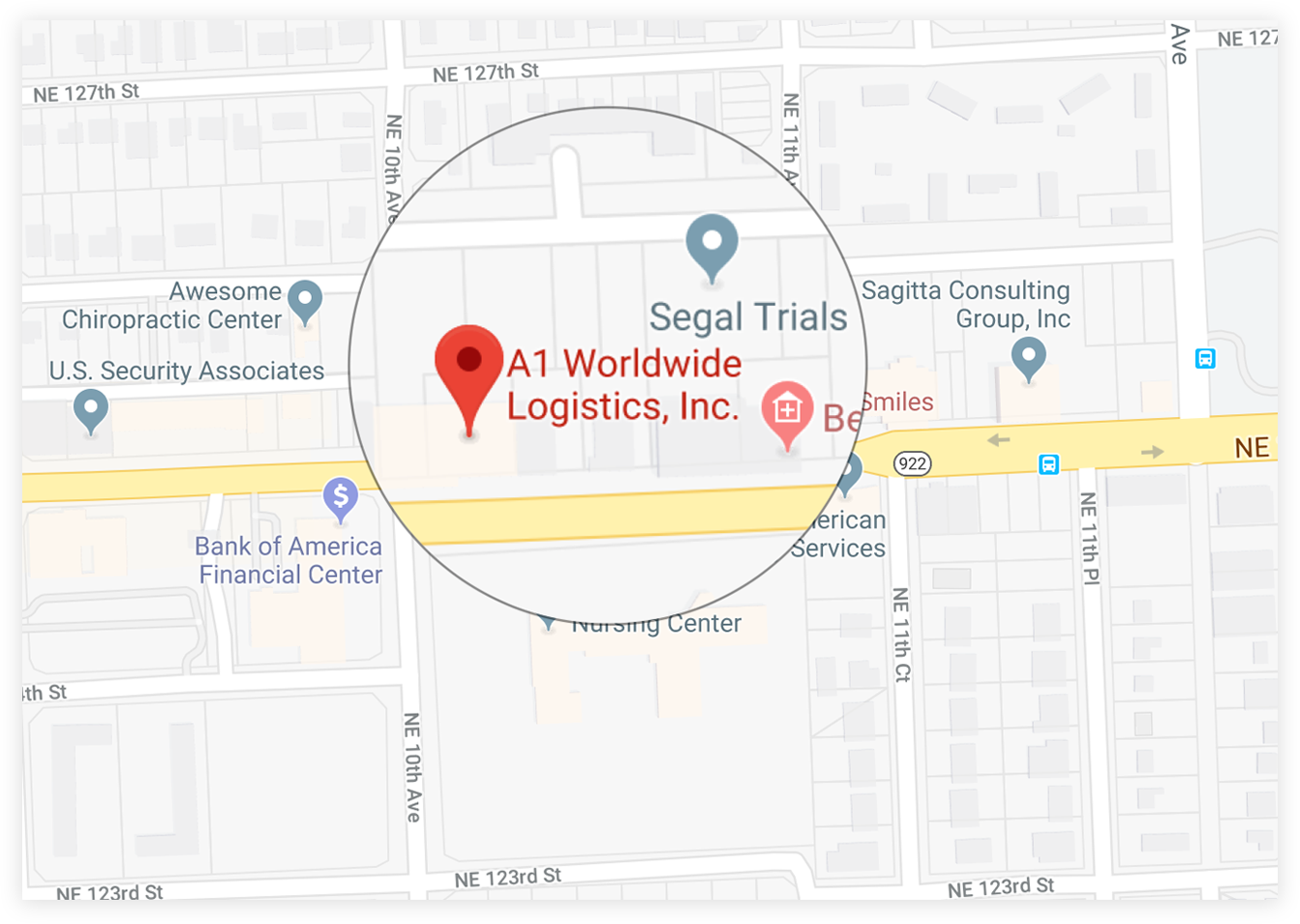
 1035 NE 125th St Suite #320, North Miami, FL 33161.
 a1worldwidelogistics.com
 (305) 821-8995
 Hours: 8AM - 5PM