
by A1 WorldWide Logistics | Jan 8, 2026 | Economic trends, Importing, Tariffs
A final Supreme Court ruling on tariffs imposed by the Trump Administration could come as early as Friday. Friday, January 9, will be an opinion day where the Supreme Court will discuss and potentially make a decision. In 2025, Trump imposed levies under the International Emergency Economic Powers Act (IEEPA), which is currently before the Supreme Court. Given the urgency of the situation, the Court agreed to expedite the review. A final decision will have a significant impact on international shipping and could reshape US trade policy.
What Will The Court Be Deciding On?
The primary decision would be on the legality of President Trump’s tariffs imposed under the IEEPA. In 2025, two federal courts ruled that the tariffs were illegal in a 7-4 decision. The argument was that Trump lacks the authority to impose the levies without explicit congressional approval. Following the verdict, the president requested an immediate review, citing national security as a justification for IEEPA tariffs. Trump also argued that the levies have collected billions for the US economy. In a social media post, Trump said the ruling against the tariffs would be a “terrible blow” to the US economy.
What Could The Supreme Court Tariff Ruling Mean For Shipping?
The final ruling could significantly impact international shipping. If the Court rules that the tariffs are illegal, the US government could be required to refund importers billions of dollars. Shippers must understand that only those who meet strict deadlines and comply with protocols are eligible. If the Court rules Trump’s tariffs legal, his presidential powers may expand, potentially leading to unilateral tariff enforcement. Along with rising costs for US importers, this could continue to strain relations with US trade partners. There is also a chance of potential retaliatory tariffs.
Regardless of the ruling, your shipment mustn’t be disrupted during this period of uncertainty. The shipper should, however, take appropriate steps to prevent delays, financial losses, and cargo loss. In addition to staying current with news and regulations, shippers can prevent disruptions by engaging a freight forwarder. Forwarders act as intermediaries between shippers and carriers, coordinating cargo movement. They do this by offering services like international and domestic shipping, customs clearance, warehousing, and more. Speak to our forwarders at info@a1wwl.com or 305-425-9752 for assistance with exporting and importing into the US.
by A1 WorldWide Logistics | Jan 5, 2026 | Economic trends, Importing, Tariffs
An announcement from President Trump has led to the White House delaying tariffs until 2027. In particular, Trump is postponing planned tariff hikes on imported furniture products for one year. Some of these products include upholstered furniture, kitchen cabinets, and vanities. In September 2025, Trump imposed a 25% tariff on these goods and planned to raise it to 50% in 2026. The White House recently signed an order postponing the increase, which took effect on January 1, 2026. This delay is part of a rollercoaster of
tariff enforcement and reversals that has impacted the US in 2025.
Why Is The White House delaying tariffs?
The decision to delay a tariff increase follows the Trump Administration’s announcement of ongoing positive negotiations with trade partners. A significant issue was national security concerns related to the importation of wood products. The president initially imposed the 25% tariffs after a Section 232 investigation found that an overreliance on foreign timber may harm the US’s defense capabilities. Trump is delaying the tariffs to allow further negotiations with trade partners. The delay may also be due to addressing customer concerns about price increases.
What Can This Mean for Your Shipment?
Given the volume of furniture imported into the US, this postponement could significantly affect shipping, including lowering import costs. Trump’s initial imposition of the 25% tariff led to an immediate increase in import costs. Various parts of the supply chain were affected, from the importer to the customer. Truckers who had to move the goods to the final destination also incurred costs. A recent rollback of tariffs on 200 food products has further lessened inflation concerns. Demand for imports of goods such as furniture could also increase in the coming weeks as Trump reduces tariffs.
Despite tariff delays, importers should still take precautions when importing into the US. In addition to staying current with tariffs and regulations, consulting a customs broker is an ideal way to prepare. Customs Brokers are intermediaries between shippers and the US CBP (Customs and Border Protection) and coordinate customs clearance. They do this by ensuring regulatory compliance, providing documentation, calculating duties, filing entries, and more. Contact A1 Worldwide Logistics at 305-440-5156 or info@a1wwl.com to speak with our brokers about your shipment.
by A1 WorldWide Logistics | Dec 24, 2025 | Importing, Shipping Logistics, Tariffs
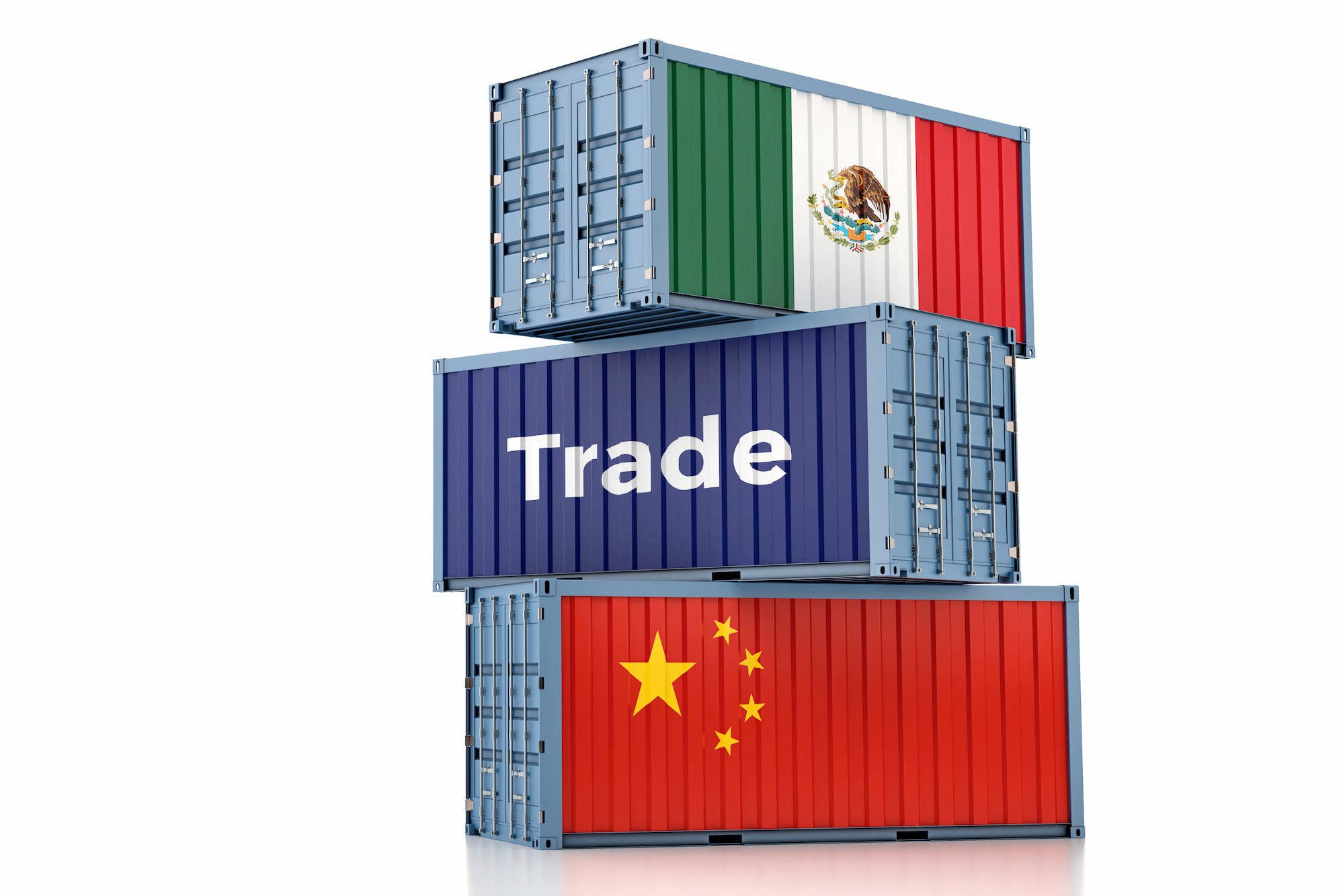
The international shipping industry continues to feel the strain from trade wars, with Mexico imposing a 50% tariff. On December 10, Mexico’s congress agreed to hike tariffs on more than 1,400 imports from China and other Asian nations. Some of the goods subject to tax include automotive parts, steel, furniture, textiles, and plastics. Tariffs on most of these items, previously at 10%, will increase to 35%. Key manufactured goods, such as vehicles, will also see a larger 50% increase. After 75 votes in favor, five against, and 35 abstentions, the new bill will take place on January 1, 2026. These tariffs could significantly affect global trade, particularly the volume of goods imported into Mexico.
Why Is Mexico Imposing A 50% Tariff?
Mexico is imposing tariffs of up to 50% on imports for various reasons, including protecting domestic industries. The country aims to reduce its dependence on imports from countries without free trade agreements. Many of these importers are based in Asian countries, including China, South Korea, Indonesia, India, and Thailand. Mexico’s president, Claudia Sheinbaum, believes that these tariffs will bolster local manufacturing and protect jobs in the country’s economy. She also stated that the duties will reduce trade imbalances and safeguard industries that have declined due to foreign competition. The tariffs will impact nearly 8% of Mexico’s inbound trade and potentially result in over $2.5 billion in 2026.
The US has imposed similar tariffs on imports over the last year to reduce trade imbalances and bolster its economy. When he initially announced the levies, President Trump stated that he wanted to “level the field” by reducing the US trade deficit with its largest trading partners. Despite Mexico’s similar rationale, there is a growing perception that the tariffs also aim to address US concerns that China is expanding its presence in Mexico and using it as a backdoor to North American supply Chains. Mexico’s largest trading partner is the US, and analysts believe a goal is to appease the US. With the 2026 review of the USMCA (US-Mexico-Canada Agreement) approaching, this will be a key topic of discussion.
How Could The Tariffs Affect Shipping?
Although the tariffs could benefit Mexico’s economy, they could strain trade relations, particularly with Asian countries. A Chinese commerce ministry official immediately responded to the tax measures, calling them protectionist and harmful to China-Mexico trade relations. Mexico already has a significant deficit with China, importing nearly $62.1 in the first half of 2025. Similarly, Mexico exported around $4.6 billion to China. China may seek other trading partners, as it did when the US imposed tariffs. With China recently hitting a $1 trillion trade surplus, the country could continue to shift exports away from North America.
Whether you are importing into the US or exporting to a different country, tariffs can affect the transportation process. While it should not halt cargo flow, shippers should be aware of the impact and take steps to prevent disruptions. In addition to staying current with news and regulations, speaking with freight forwarders can be beneficial. Forwarders are third-party companies that act as intermediaries between shippers and carriers, transporting goods on behalf of the shipper. They do this by coordinating with a network of air, sea, and land carriers. Forwarders also provide services like customs clearance, domestic shipping, warehousing, and more. Reach A1 Worldwide Logistics at info@a1wwl.com or 305-425-9456 to talk to our forwarders about transporting your shipment internationally.

by A1 WorldWide Logistics | Dec 4, 2025 | Economic trends, Importing, Tariffs
A bilateral trade deal is resulting in the US reducing South Korea’s tariffs on imports. On December 1, Commerce Secretary Howard Lutnick announced that the US will reduce levies to 15% retroactively to November 1. Previously, the US imposed tariffs of up to 25% on South Korean automobiles and other goods. The 25% came from duties the US used under Section 232 of the Trade Expansion Act. Reciprocal tariffs that President Trump imposed under the IEEPA (International Emergency Economic Powers Act) also added to the 25%. In addition to reducing duties to 25%, tariffs on airplane parts from South Korea will be eliminated. The deal will also cap future tariffs on sectors such as semiconductors and Pharmaceuticals at 15%.
Why Is The US Reducing South Korea’s Tariffs?
The main reason for the tariff reduction is a trade deal between the two countries. Along with the US reducing levies, South Korea will invest approximately $350 billion into strategic US industries. Some of these industries include shipbuilding, energy, and others. Once South Korea’s parliament passed legislation, the US implemented its side of the deal, lowering tariffs. Regarding the deal, Howard Lutnick noted, “Korea’s commitment to American investment strengthens our economic partnership and domestic jobs and industry.” Other goals behind the agreement are to “level the field” between the US’s biggest trade partners and strengthen its economy. The US has recently struck deals with major importing countries, such as China and Japan.
A trade deal with South Korea could strengthen the US economy by boosting Korean investments in US industries. In turn, this could create jobs in industries that export goods to Korea, such as the semiconductor industry. One of Trump’s original goals behind issuing reciprocal tariffs was to bring manufacturing back to the US. The trade deal between the two countries includes the Buy America in Seoul initiative. Under the initiative, South Korea will have an annual exhibition of US companies to encourage the export of US goods. By the end of the year, Korea will also release a plan of action for promoting reciprocal trade.
What Can This Mean For Shippers?
Given the volume of imports from South Korea, reduced tariffs can significantly benefit shippers. The most significant impact is that the cost of importing various cargo into the US could decrease. In turn, the cost decrease could be passed on to other parts of the supply chain and ultimately to the customer. The automobile industry, in particular, may be advantaged, since South Korea is one of the US’s largest importers of cars. Domestic shipping could also benefit, as the cost of moving imports to the final destination may decrease. A final Supreme Court ruling overturning Trump’s IEEPA tariffs could further lower import costs.
With South Korea’s tariffs lowering, it may be beneficial to import goods, such as automobiles, into the US. Despite this, importers should be aware of what to expect when starting. Failure to properly prepare can lead to delays, financial losses, and cargo losses. Speaking to a 3PL (Third-Party Logistics) provider is essential when starting. 3PLs are companies that handle various logistical aspects of a supply chain. They do this by offering solutions such as customs clearance, international and domestic shipping, warehousing, and more. 3PLs also educate shippers on how to have a successful shipment. Reach A1 Worldwide Logistics at Info@a1wwl.com or 305-425-9456 to learn about our 3PL solutions for moving your cargo internationally.

by A1 WorldWide Logistics | Nov 19, 2025 | Economic trends, Importing, Tariffs
An executive order signed by President Trump on Friday, November 14, has the US cutting Tariffs on 200+ Items. More specifically, the levies that Trump placed on over 200 classifications and eleven categories of agricultural products are now exempt. Some of these food products include beef, coffee, avocados, cashew nuts, tomatoes, and more. On April 5, 2025, Trump began enforcing a 10% baseline tax on all imports into the US. He imposed them under the IEEPA (International Emergency Economic Powers Act (IEEPA) declaring it a national emergency. The recent order will remove specific agricultural goods from the reciprocal tariffs. This article explains the purpose of the exemption and what it will mean for international shipping.
Why is the US Exempting Tariffs On Agricultural Products?
President Trump’s main reason for the tariff rollback is the administration’s progress on numerous trade deals. Since imposing tariffs, the US has reached “framework” deals with agricultural-producing countries such as Guatemala, Brazil, Thailand, and Vietnam. Trump’s original goal in imposing levies was to reduce trade imbalances and address unfair trade practices. An online fact sheet by the Trump Administration noted, “President Trump’s tariff policies have delivered significant and lasting wins for the American people through fair, tough, and strategic trade negotiations, strengthening the US economy and national security while breaking down unfair trade barriers that have harmed American workers for decades.” The new exemptions will begin on November 13 for goods entering the US for consumption, with importers eligible for refunds.
Another reason for the rollback was a response to rising product costs. The tariffs raised the price of imports into the US, which was passed through the supply chain to customers. Trump also imposed tariffs to bring manufacturing back to the US and boost the economy. It had the opposite effect, causing slight inflation and having an opposite effect of increasing manufacturers’ costs. In the last few months, businesses have also pressured the Trump administration, noting that tariffs were hurting supply chains. Critics of the administration believe the rollback is intended to address public discontent before the 2026 midterm elections.
What Can Shippers Expect With The US Cutting Tariffs on 200+ Items?
The most significant impact of tariff cuts would be a decrease in import costs into the US. In turn, this could lead to an increase in imports of agricultural goods from countries previously affected by the levies. Businesses that ship large quantities of goods, such as beef and coffee, will benefit from lower expenses. Domestic shipping will also be affected by the exemption, since trucks typically transport imports to their final destinations. While the rollback may create flexibility, it is not a complete abandonment of tariffs. The Supreme Court will make the final decision on its legality, possibly by mid-2026.
With the amount of tariffs exempted by the executive order, it may be more attractive to import agricultural products. Shippers still should be aware of what to expect when bringing goods into the US. Not understanding the customs clearance process can result in delays and monetary loss. An ideal way to begin is to reach out to a customs broker. Brokers are individuals or corporations that facilitate cargo movement across international borders, calculating duties, handling documentation, and more. In the US, brokers ensure compliance with the CBP (Customs and Border Protection). Contact A1 Worldwide Logistics at info@a1wwl.com or 305-425-9456 to speak with a broker about clearing your goods through customs.

by A1 WorldWide Logistics | Nov 5, 2025 | Economic trends, Importing, Tariffs
A legal dispute between President Trump and the US appeals court continues, with the Supreme Court arguments starting today. The Supreme Court heard a case regarding Trump’s IEEPA (IEEPA Emergency Economic Powers Act) tariffs. Two federal courts have recently ruled the levies illegal after a 7-4 decision. The ruling was that Trump exceeded his authority and could not issue tariffs without explicit congressional approval. Oppositely, the Trump Administration argued that the levies are justified under the IEEPA, citing national security as a reason. After the ruling, the president requested an immediate review, and the Supreme Court agreed to an expedited timeline. The case will also concern specific tariffs that Trump imposed on imports from China, Mexico, and Canada.
What Happened During The Oral Arguments?
During the oral arguments, the Supreme Court heard statements from representatives on both sides of the tariffs issue. Solicitor General D. John Sauer argued first on behalf of the Trump Administration. His primary argument was that the tariffs were not designed to raise revenue but to regulate foreign powers. He noted, “The fact that they raise revenue is only incidental.” His argument received an objection from Justice Sonia Sotomayor, noting how President Trump boasted about the tariff’s revenue multiple times. Justice Elena Kagan further noted how the power to tax and regulate foreign commerce belongs to Congress, not the president. Roberts also pressed the court on whether tariffs on imports are an executive power or belong to Congress.
The Supreme Court also heard the argument challenging Trump’s tariffs. Neil Katyal, a lawyer for small businesses against the levies, argued that Trump’s interpretation of IEEPA is flawed. Katyal also stated, “Tariffs are taxes. They take dollars from Americans’ pockets and deposit them in the US Treasury. Our founders gave that taxing power to Congress alone.” During the hearing, various justices questioned whether the reasons for imposing the tariffs met the threshold established under the IEEPA. Some of these reasons include trade deficits and the importation of drugs. The tariffs will remain in place while the final decision is expected to be made in mid-2026.
What Could Shippers Expect As The Supreme Court Arguments Start?
With the oral arguments beginning, shippers should be aware of how the outcome will impact their shipment. If the Supreme Court rules in favor of Trump’s tariffs, the cost of importing into the US could increase. Presidential powers could also expand if the levies remain in place, allowing for unilateral tariff enforcement. If the court strikes down the tariffs, importers may be eligible for billions in refunds. A ruling against the tariffs could also reduce the presidential powers. Even if the court rules the levies illegal, Trump has other options for imposing taxes allowed by Congress. The Supreme Court’s final ruling on the case could be expected before the end of June 2026.
Although the Supreme Court’s ruling will have a significant impact on shipping, it should not halt cargo movement. Shippers should, however, take the necessary steps to prevent potential supply chain disruptions and successfully transport their cargo. In addition to staying current with regulations, speaking to a customs broker is an ideal way to prepare. Brokers are licensed professionals who facilitate the clearance of imports across the country’s borders. They accomplish this by providing services such as calculating duties, preparing documents, filing entries, offering consultation, and more. In the US, they ensure compliance with the CBP (Customs and Border Protection). Contact A1 Worldwide Logistics at info@a1wwl.com or 305-425-9456 to speak to our brokers regarding importing anywhere internationally.

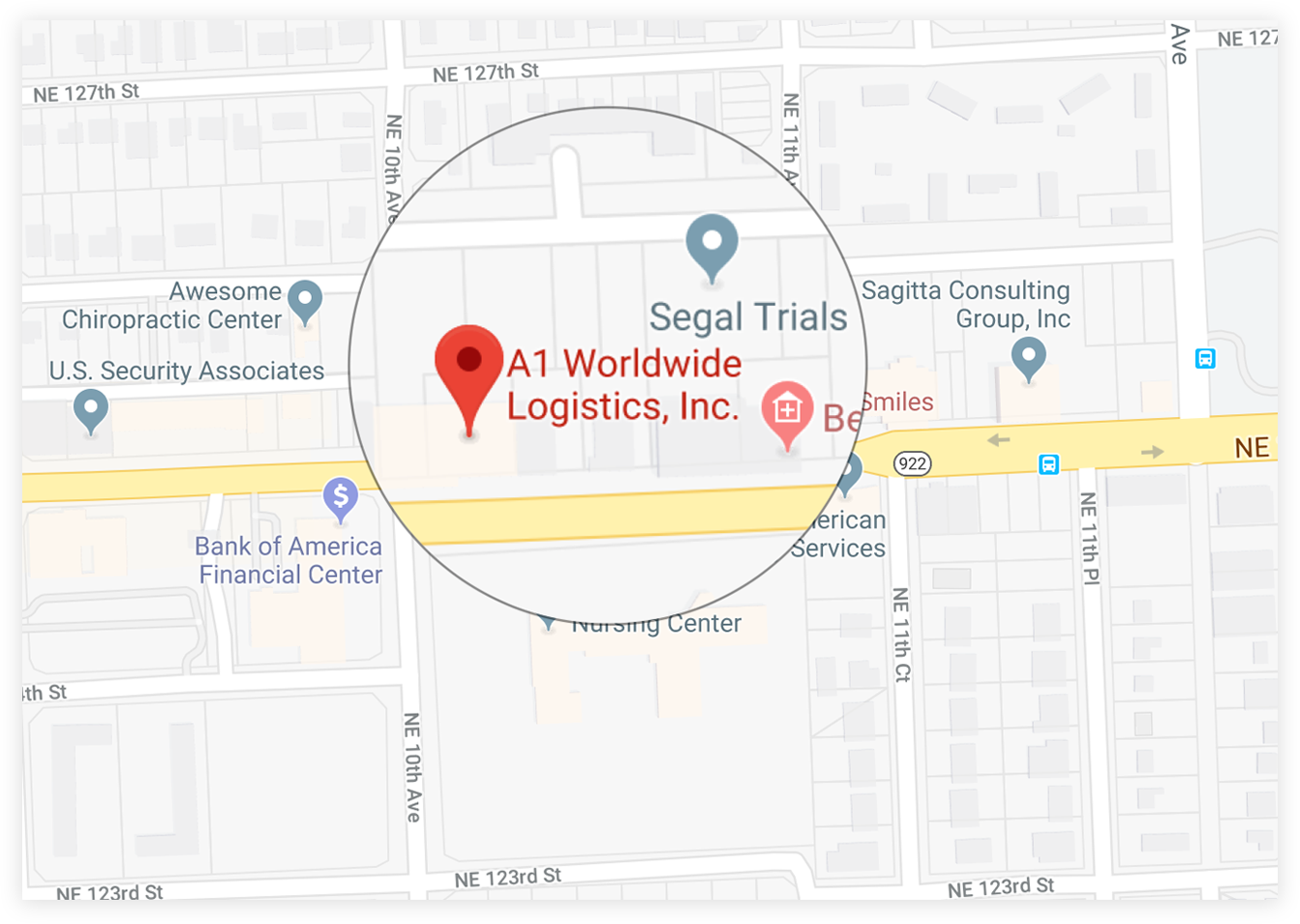
 1035 NE 125th St Suite #320, North Miami, FL 33161.
 a1worldwidelogistics.com
 (305) 821-8995
 Hours: 8AM - 5PM